Compressed Wood Sawdust Sticks
CN → US| HS编码 | 关税税率 | 原产国 | 目的国 | 文档 |
|---|---|---|---|---|
| 4401310000 | 35.0% | CN | US | 官方文档 |
| 4401394210 | 35.0% | CN | US | 官方文档 |
商品图片
AI分析
🔥 Compressed Wood Sawdust Sticks (Pellets/Briquettes)
🌐 HS Code Reference & Customs Clearance Guide | 2026 Tariff Breakdown | Specialized Entry Strategy
📌 I. Product Definition & Classification: Do You Truly Understand "Fuel Wood"?
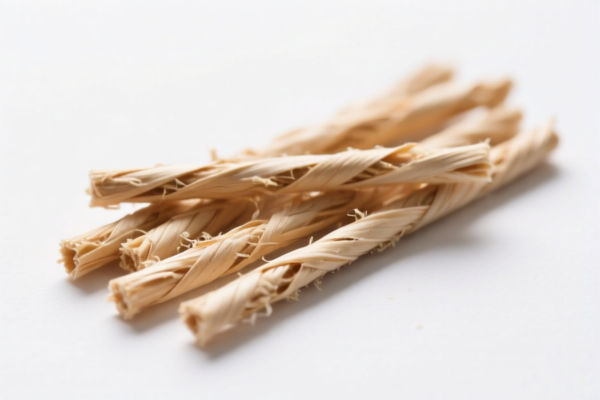
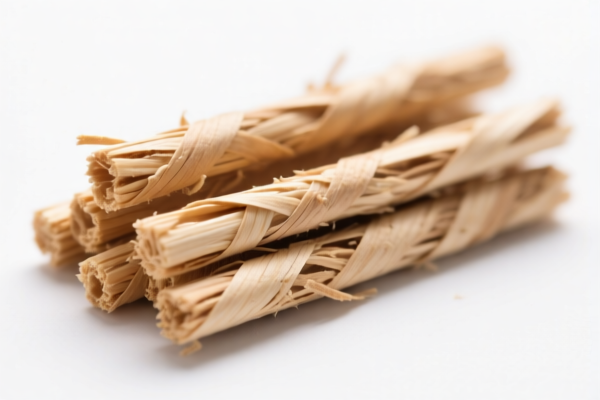
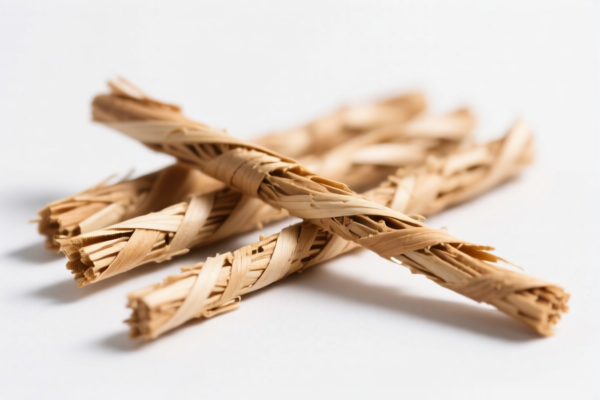
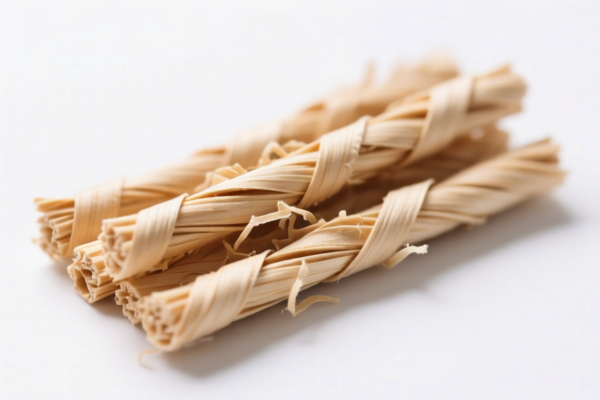
Compressed Wood Sawdust Sticks, commonly referred to in international trade as Wood Pellets or Wood Briquettes, are agglomerated biomass fuels. They are created by compressing sawdust, wood shavings, and other wood waste under high pressure, often without binders, to create dense, uniform energy sources for heating or industrial boilers.
In international trade, these products are strictly categorized under Chapter 44: Wood and articles of wood; wood charcoal. The critical distinction lies in the form and processing level:
1. Standard Wood Pellets (Round, < 10mm diameter):
- Defined as "agglomerated in ... pellets".
- Typically used for domestic heating (stoves/fireplaces) or small-scale industrial boilers.
- HS Code: 4401.31.00.00
2. Other Agglomerated Forms (Briquettes, Logs, Irregular Sticks):
- Includes "logs, briquettes or similar forms" that do not meet the specific definition of "pellets" (e.g., larger extruded sticks or irregularly shaped compressed blocks).
- HS Code: 4401.39.42.10 (Other Sawdust)
⚠️ Key Distinction Point:
- If the product is uniform, cylindrical, and small (typically < 10mm diameter, < 10cm length) → It is a Pellet (4401.31.00.00).
- If the product is larger, extruded into "sticks" or "logs", or irregularly shaped → It is classified as Other (4401.39.42.10).
- Misclassification Risk: Declaring large briquettes as "pellets" to seek lower tariffs (if any) is a common red flag for customs auditors.
📦 II. HS Code Classification Details (2026 Latest Tariff Authority Comparison)
| HS Code | Product Description | Application Scenario | Form Factor |
|---|---|---|---|
4401.31.00.00 |
Sawdust and wood waste, agglomerated in pellets | Domestic heating, standard biomass boilers | ✅ Small, cylindrical, uniform (<10mm dia) |
4401.39.42.10 |
Sawdust and wood waste, agglomerated in logs, briquettes, or similar forms: Other: Other Sawdust | Industrial boilers, large-scale heating, extruded sticks/briquettes | ✅ Larger, irregular, or extruded "stick" forms |
🔍 Important Note:
- Both codes fall under 4401.39 (Sawdust and wood waste and scrap, whether or not agglomerated in logs, briquettes, pellets or similar forms).
- The subheading 4401.31 is specifically reserved for pellets.
- Any form that is not a pellet (e.g., "sticks," "briquettes," "logs") falls into 4401.39.
- The specific code4401.39.42.10is the detailed breakdown for "Other Sawdust" within the "Other" category.
💰 III. 2026 Latest Tariff Rate Details (Including Additional Taxes)
✅ Applicable Country: USA (US)
✅ Country of Origin: China (CN)
✅ Effective Date: 2025 (Current applicable rates based on provided data)
🎯 1. 4401.31.00.00 —— Wood Pellets (Agglomerated Sawdust)
| Item | Content |
|---|---|
| Base Duty Rate | 0.0% |
| Additional Duty (Section 301 / Tariff War) | +25.0% |
| Total Effective Tax Rate | 25.0% |
| Tax Calculation | CIF Value × 25% |
| De Minimis Exemption (De Minimis / 861) | ❌ Not Eligible (De_minimis: No) |
| Legal Basis | 4401.31.00.00 → Subject to 25% Section 301 Additional Duty |
📌 Explanation:
- Although the base duty is 0%, these products are subject to a 25% additional tariff due to trade tensions (Section 301).
- Total Tax = 25%.
- This is a high-cost entry compared to many other biomass products, but lower than many finished wood goods.
🎯 2. 4401.39.42.10 —— Other Agglomerated Sawdust (Sticks/Briquettes)
| Item | Content |
|---|---|
| Base Duty Rate | 0.0% |
| Additional Duty (Section 301 / Tariff War) | +25.0% |
| Total Effective Tax Rate | 25.0% |
| Tax Calculation | CIF Value × 25% |
| De Minimis Exemption (De Minimis / 861) | ❌ Not Eligible (De_minimis: No) |
| Legal Basis | 4401.39.42.10 → Subject to 25% Section 301 Additional Duty |
📌 Note:
- Despite being a different form factor ("sticks" vs. "pellets"), the tax rate is identical (25%).
- Both products are considered "Sawdust and wood waste, whether or not agglomerated", which falls under the same trade restriction umbrella.
- No Tax Advantage exists between choosing "pellets" vs. "sticks" in terms of duty rate.
🛠️ IV. Customs Clearance Practical Advice (Real-World Pitfall Avoidance Guide)
✅ 1. Required Documentation Checklist (Mandatory)
| Document | Must Provide | Description |
|---|---|---|
| ✅ Product Specification Sheet | ✔️ | Includes wood species (e.g., Pine, Oak), moisture content (<10%), ash content, density. |
| ✅ Bill of Lading & Commercial Invoice | ✔️ | Must clearly state "Wood Pellets" or "Wood Briquettes/Sticks", NOT "Firewood Logs". |
| ✅ Phytosanitary Certificate | ✔️ | Crucial for wood products. Must be issued by the country of origin, confirming treatment (e.g., heat treatment ISO 8359) to prevent pests. |
| ✅ Certificate of Origin (CO) | ✔️ | To prove origin (China) and determine applicability of Section 301 duties. |
| ✅ MSDS (Material Safety Data Sheet) | ✔️ | Required for safe handling; confirms non-hazardous nature. |
| ✅ Packing List | ✔️ | Details palletization, net/gross weight. Wooden pallets must also be ISPM 15 compliant. |
✅ 2. Declaration Tips (Key Mnemonics)
🔥 “Form Matters, Phytosanitary is Key, De Minimis is Dead!”
| Scenario | Correct Declaration | Wrong Practice |
|---|---|---|
| Small Cylindrical Pellets | 4401.31.00.00 – "Wood Pellets" |
Misdeclare as "Firewood Logs" (different HS) |
| Long Extruded Sticks/Briquettes | 4401.39.42.10 – "Wood Briquettes/Sticks" |
Misdeclare as "Pellets" to simplify – High Audit Risk |
| Loose Sawdust | 4401.39.42.10 (if agglomerated) or 4401.40 (if not) |
Confusing "sawdust" with "pellets" |
| Shipping via LCL/FCL | Consolidate correctly | Mixing palletized sticks with loose wood debris |
📌 Critical Warning:
- De Minimis (Section 321): Wood products of Chinese origin do NOT qualify for the $800 de minimis exemption. Always declare formally.
- Phytosanitary Compliance: If the wood is not properly heat-treated or fumigated, the entire shipment can be refused entry or destroyed. This is the #1 reason for delays in wood biomass imports.
✅ 3. Special Situation Handling
| Situation | Handling Advice |
|---|---|
| High Moisture Content | Ensure moisture is < 10%. Higher moisture can lead to mold, rejected phytosanitary checks, or被视为 "waste" rather than fuel. |
| Mixed Wood Species | Declare the primary species. If mixed, list all. Certain species (e.g., hardwood vs. softwood) may have different treatment requirements. |
| OEM Private Label | Provide brand authorization if selling under a US brand. Labeling must comply with FTC and EPA regulations for biomass fuel. |
| Industrial vs. Residential | Clarify end-use. While HS code doesn't change, some local US ports have stricter inspection protocols for residential vs. industrial biomass. |
🌍 V. Global Market Customs Comparison (2026 Update)
| Country/Region | Recommended HS Code | Tariff Rate (from China) | Certification Requirements | Notes |
|---|---|---|---|---|
| 🇺🇸 USA | 4401.31.00.00 (Pellets) |
25% (0% Base + 25% Add.) | Phytosanitary Certificate (ISPM 15) | High tax burden; strict phytosanitary checks. |
| 🇺🇸 USA | 4401.39.42.10 (Sticks) |
25% (0% Base + 25% Add.) | Phytosanitary Certificate (ISPM 15) | Same tax rate; different form factor. |
| 🇨🇳 China (Import) | 4401.31/39 | 0-5% (Varies by agreement) | Phytosanitary | Generally lower barriers for raw biomass. |
| 🇪🇺 EU | 4401.31.00 | 0% (under EBA/General) | ENplus Certification (Quality) | ENplus is mandatory for marketing as premium fuel in many EU countries. |
| 🇬🇧 UK | 4401.31.00 | 0% | ENplus or similar quality assurance | Post-Brexit, UK aligns closely with EU standards. |
| 🇨🇦 Canada | 4401.31.00 | 0% (CUSMA) | CFIA Inspection | Duty-free under CUSMA if originating in NA. |
📌 Conclusion:
- USA imposes a 25% surcharge on all agglomerated wood products from China.
- EU/UK require Quality Certifications (ENplus) in addition to phytosanitary checks.
- Canada offers duty-free access if sourced from North America.
📌 VI. Common Errors & Pitfall Guide (Lessons Learned)
❌ Error 1: Declaring "Wood Sticks" as "Firewood Logs" (HS 4403)
👉 Consequence: Wrong HS Code, potential misclassification penalty, delays. "Firewood" has different phytosanitary rules.
❌ Error 2: Ignoring Phytosanitary Certificate
👉 Consequence: Shipment held at port, fumigation required, or return/destruction. This is the most common and costly error.
❌ Error 3: Assuming De Minimis Applies
👉 Consequence: Small shipments (<$800) are still taxed at 25%. Customs will assess duty + penalties upon discovery.
❌ Error 4: Mislabeling "Briquettes" as "Pellets"
👉 Consequence: If dimensions exceed pellet standards (>10mm), customs may reclassify to 4401.39, leading to documentation inconsistencies and audits.
✅ Correct Declaration Example:
"Wood Pellets, Pine Wood, Agglomerated, Moisture <10%, Phytosanitary Certificate Attached, HS 4401.31.00.00, Origin: China"
🎯 VII. Conclusion: Professional Declaration, Save Time and Money!
🎯 Remember the Golden Rules:
🔹 “Phytosanitary is King, No De Minimis, 25% Tax Wait.”
🔹 “Pellets vs. Sticks: Form dictates Code, but Tax is the Same.”
🔹 “Always declare formally; never rely on the $800 exemption for wood.”
📌 Pro Tip:
If you are shipping to the EU, invest in ENplus Certification early. Without it, your product may be rejected by retailers or processors, even if customs clears it.
For the USA, ensure your Phytosanitary Certificate is flawless and matches the invoice exactly.
📣 Immediate Action Required:
📞 Contact your freight forwarder to confirm ISPM 15 compliance for pallets.
📄 Request Phytosanitary Certificate from the supplier before shipment.
📊 Calculate CIF Value + 25% Duty into your landed cost.
✨ Precision in classification means precision in profit!
💼 Every percentage point of tax matters in the biomass trade.
用户评价
关于 HS 编码归类
协调制度(HS)是由世界海关组织(WCO)制定的国际贸易商品分类标准。全球 200 多个国家采用 HS 系统作为海关关税、贸易统计和进出口监管的基础。
每个 HS 编码遵循以下层级结构:
- 章(2 位)——商品大类(例如:第 84 章:机器和机械设备)
- 品目(4 位)——章内的更具体分类
- 子目(6 位)——国际通用细分,所有 WCO 成员国统一使用
- 本国细分(8-10 位)——各国自行扩展的细分编码,如美国 HTSUS 10 位编码
正确的 HS 编码归类对于顺利通关、准确缴纳关税和遵守贸易法规至关重要。错误归类可能导致海关延误、多缴关税或罚款。
从CN进口到US时,适用的关税税率可能包括:
- 最惠国(MFN)税率——适用于 WTO 成员国的标准关税税率
- 普通税率——适用于无贸易协定国家
- 贸易救济关税——附加关税,如 301 条款(反倾销)、232 条款(国家安全)或反补贴税
本页内容仅供参考。如需正式归类,请咨询当地海关或持牌报关代理。