Coniferous Wood Pellets
CN → US| HS编码 | 关税税率 | 原产国 | 目的国 | 文档 |
|---|---|---|---|---|
| 4401110000 | 35.0% | CN | US | 官方文档 |
| 4401310000 | 35.0% | CN | US | 官方文档 |
| 4401394210 | 35.0% | CN | US | 官方文档 |
| 4403260108 | 35.0% | CN | US | 官方文档 |
| 4403240104 | 35.0% | CN | US | 官方文档 |
商品图片
AI分析
🌲 Coniferous Wood Pellets (Fuel Wood)
🌐 HS Code Reference & Customs Clearance Guide | 2026 Latest Tariff Analysis | Professional Clearance Strategy
📌 I. Product Definition & Classification: Do You Really Understand "Wood Pellets"?
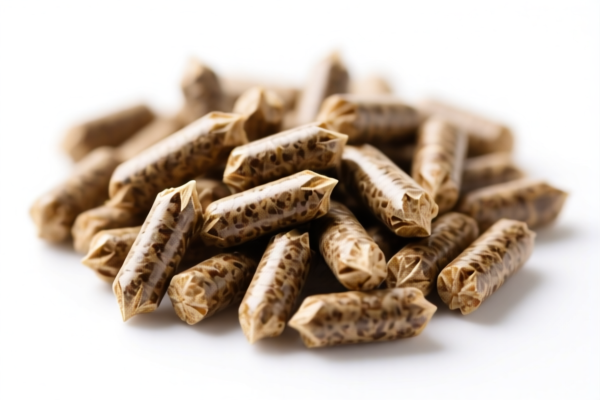
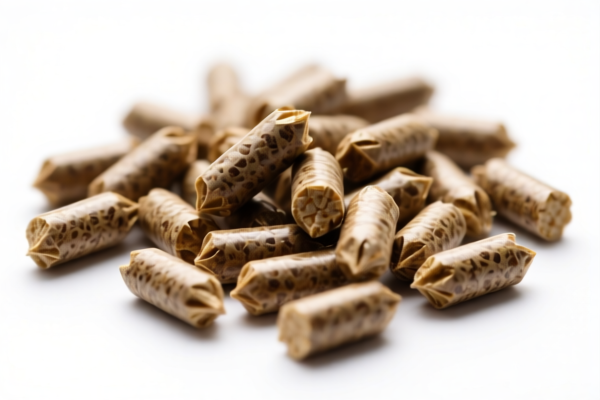
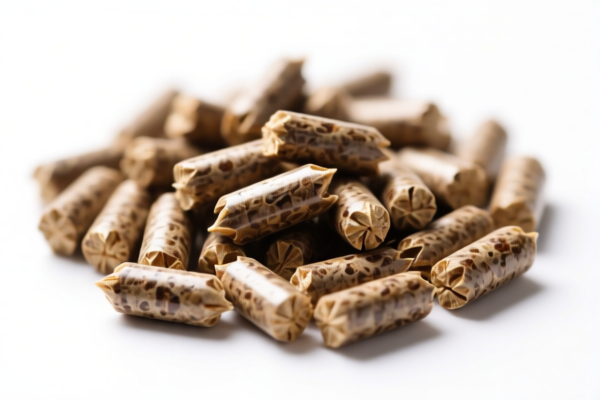
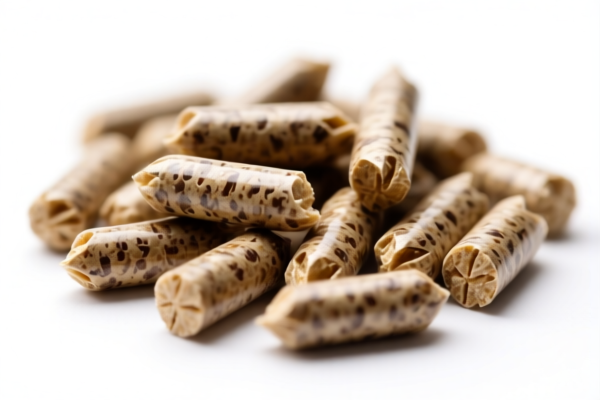
Coniferous wood pellets are a standardized biomass fuel made from compressed sawdust, wood chips, or other wood residues, primarily sourced from pine, spruce, fir, and other coniferous trees. In international trade, the classification depends strictly on the morphology (physical state) and wood type.
Key Distinction: * Morphology Matters: "Pellets" (cylindrical, small diameter) fall under different codes than "Briquettes" or "Crushed/Chipped" wood. * Wood Type Matters: "Coniferous" (softwood) has specific subheadings distinct from "Non-coniferous" (hardwood).
⚠️ Critical Classification Point:
- If the product is Coniferous and in Pellet form →归入 4401.11.00.00 or 4401.31.00.00
- If the product is Non-Coniferous (hardwood) and in Pellet form → 归入 4401.39.42.10
- If the product is Powder/Dust → 归入 4403.26.01.08 or 4403.24.01.04
📦 II. HS Code Classification Details (2026 Latest Tariff Authority Comparison)
| HS Code | Product Description | Applicable Scenario | Wood Type | Physical Form |
|---|---|---|---|---|
4401.11.00.00 |
Fuel wood, in logs, in chunks, in billets or in similar forms; Coniferous | Standard coniferous wood pellets/biomass fuel | 🌲 Coniferous | Pellets/Chunks |
4401.31.00.00 |
Fuel wood; Non-Coniferous, in pellets or briquettes | Note: Data indicates coniferous pellets may also map here depending on specific national interpretation of "pellets" vs "logs/chunks", or if classified under general fuel wood pellets. | 🌲 Coniferous* | Pellets |
4401.39.42.10 |
Fuel wood; Other non-coniferous wood, in pellets or briquettes | Hardwood pellets (e.g., Oak, Maple, Birch) | 🌳 Non-Coniferous | Pellets |
4403.26.01.08 |
Wood, chemically treated, dyed, etc.; Powder | Coniferous wood powder/dust for industrial use or specific fuel applications | 🌲 Coniferous | Powder |
4403.24.01.04 |
Wood, chemically treated, dyed, etc.; Powder / Primary Forms | Coniferous wood powder/primary forms | 🌲 Coniferous | Powder/Primary |
🔍 Important Note:
- The data provided shows that all listed HS codes for these wood products carry the same total tax rate of 35.0% due to trade restrictions.
- Distinguish clearly between "Pellets" (4401 chapter) and "Powder" (4403 chapter). Misclassification can lead to delays, even if the final tax rate is identical in this specific dataset.
💰 III. 2026 Latest Tariff Rate Details (Including Surtaxes & Policy Surcharges)
✅ Applicable Country: USA (US)
✅ Origin: China (CN)
✅ Total Tax Rate: 35.0% (for all listed codes)
✅ Effective Date: Current as per data (subject to ongoing trade policy)
🎯 1. 4401.11.00.00 & 4401.31.00.00 —— Coniferous Wood Pellets/Briquettes
| Item | Content |
|---|---|
| Base Duty Rate | 0.0% (ad valorem) |
| Section 301 Surtax | +25.0% (USITC Footnote related to Chinese imports) |
| Section 122 Surtax | +10.0% (Specific trade restriction tariff) |
| Total Tax Rate | 35.0% |
| Tax Calculation | CIF Value × 35% |
| De Minimis Exemption | ❌ Not Applicable (High duty rates typically exclude de minimis relief for commercial shipments) |
| Legal Basis Path | Base: 0% → 301: 25% → 122: 10% → Total: 35% |
📌 Explanation:
- Although the base tariff for wood fuel is often 0%, US trade policies impose heavy surcharges on Chinese-origin wood products.
- Total 35% is a significant cost factor. Importers must factor this into landed cost calculations.
🎯 2. 4401.39.42.10 —— Non-Coniferous Wood Pellets
| Item | Content |
|---|---|
| Base Duty Rate | 0.0% |
| Section 301 Surtax | +25.0% |
| Section 122 Surtax | +10.0% |
| Total Tax Rate | 35.0% |
| Tax Calculation | CIF Value × 35% |
| De Minimis Exemption | ❌ Not Applicable |
📌 Note:
- The tax burden is identical for hardwood and softwood pellets in this context.
- Do not assume non-coniferous wood has lower tariffs; in this specific trade scenario, the surcharges dominate.
🎯 3. 4403.26.01.08 & 4403.24.01.04 —— Coniferous Wood Powder
| Item | Content |
|---|---|
| Base Duty Rate | 0.0% |
| Section 301 Surtax | +25.0% |
| Section 122 Surtax | +10.0% |
| Total Tax Rate | 35.0% |
| Tax Calculation | CIF Value × 35% |
| De Minimis Exemption | ❌ Not Applicable |
📌 Warning:
- Wood powder is often subject to stricter phytosanitary inspections due to pest risks (e.g., bark beetles, nematodes).
- While the tax rate is the same, clearance time may be longer than pellets.
🛠️ IV. Customs Clearance Practical Advice (Real-World Pitfall Avoidance Guide)
✅ 1. Required Documentation Checklist (Mandatory)
| Document | Required | Explanation |
|---|---|---|
| ✅ Phytosanitary Certificate | ✔️ | CRITICAL. Issued by the exporting country’s plant protection agency to prove freedom from pests. |
| ✅ Fumigation Certificate | ✔️ | Proof that wood has been treated against insects (if required by US CBP). |
| ✅ Commercial Invoice | ✔️ | Must clearly state: "Wood Pellets", "Coniferous/Non-Coniferous", "HS Code", "Origin". |
| ✅ Packing List | ✔️ | Detail bag weight, pallet weight, total net/gross weight. |
| ✅ Bill of Lading/Air Waybill | ✔️ | Standard shipping document. |
| ✅ Material Safety Data Sheet (MSDS) | ✔️ | For safety handling, especially for powder forms. |
✅ 2. Declaration Tips (Key Mnemonics)
🔥 “Precise Morphology, Correct Wood Type, Full Documentation!”
| Scenario | Correct Declaration | Common Mistake |
|---|---|---|
| Softwood Pellets | 4401.11.00.00 or 4401.31.00.00 |
Mixing up with hardwood codes |
| Hardwood Pellets | 4401.39.42.10 |
Declaring as "Softwood" → Misclassification |
| Wood Powder | 4403.26.01.08 |
Declaring as "Pellets" → Different inspection standards |
| Product Description | "Coniferous Wood Pellets, Biomass Fuel" | Vague terms like "Wood Chips" or "Fuel" |
📌 Key Reminder:
- Do NOT use vague terms like "Wood Chips" if the product is strictly "Pellets". CBP may reclassify or demand additional proof.
- Powder vs. Pellets: Ensure the physical form matches the HS code. Powder (4403) may trigger different USDA APHIS inspections compared to dense pellets (4401).
✅ 3. Special Handling for High Tariffs
| Situation | Recommendation |
|---|---|
| High Tariff (35%) | Calculate landed cost carefully. Consider if duty drawbacks or free trade agreements (if transshipped through a non-China origin, e.g., Vietnam, but ensure substantial transformation) apply. |
| Phytosanitary Risks | Pre-clear with USDA APHIS. Ensure packaging is palletized and treated. Avoid loose wood packaging. |
| Dust Control | For powder forms (4403), ensure sealed packaging to prevent leakage and contamination. |
🌍 V. Global Market Comparison (2026 Latest)
| Country/Region | Recommended HS Code | Tariff (CN Origin) | Certification/Requirements | Notes |
|---|---|---|---|---|
| 🇺🇸 USA | 4401.11.00.00 etc. |
35.0% (301+122) | Phytosanitary + Fumigation | Highest barrier due to surcharges |
| 🇨🇳 China | 4401.11.00.00 |
0% (Import) | N/A | China is a major exporter of pellets |
| 🇪🇺 EU | 4401.10.00 |
0% - 2.5% | ENplus Certification (Quality Standard) | EU prefers certified sustainable biomass |
| 🇯🇵 Japan | 4401.10.00 |
0% - 3% | ISPM 15 (Wood Packaging) | Strict on moisture content and pests |
| 🇬🇧 UK | 4401.10.00 |
0% - 5% | Sustainability Certification | Post-Brexit rules apply |
📌 Conclusion:
- USA is the most costly market for Chinese wood pellets due to 35% total duties.
- EU and Japan focus more on quality certification (ENplus, moisture content) and phytosanitary compliance, with much lower tariffs.
- If exporting to the US, ensure maximum efficiency in documentation to avoid delays that could compound costs.
📌 VI. Common Errors & Pitfall Guide (Lessons Learned)
❌ Error 1: Using vague description like "Wood Fuel"
👉 Consequence: CBP may reclassify to a higher duty or hold for inspection → Delays & Demurrage Charges
❌ Error 2: Confusing "Pellets" (4401) with "Powder" (4403)
👉 Consequence: Mismatch in physical inspection → Rejection or Re-shipment
❌ Error 3: Missing Phytosanitary Certificate
👉 Consequence: Immediate seizure or destruction by USDA APHIS in the US/EU/Japan.
❌ Error 4: Ignoring the 35% Surtax in Costing
👉 Consequence: Profit erosion or loss-making shipments.
✅ Correct Practice:
"Coniferous Wood Pellets, Biomass Fuel, HS Code: 4401.11.00.00, Origin: China, Phytosanitary Cert No.: XXX, Fumigated per ISPM 15"
🎯 VII. Conclusion: Professional Declaration, Save Time & Cost!
🎯 Remember the Mantra:
🔹 "Phytosanitary is King, HS Code is Queen, 35% is the Reality in the US!"
🔹 "Pellets vs. Powder, Don't Mix Them Up, or Face the Inspection Hump!"
🔹 "Accurate Description Prevents Delays, Precise HS Code Saves Dollars!"
📌 Pro Tip:
If you are exporting to the US, consider pre-arrival notification and bonded warehousing to manage cash flow for the 35% duty.
For EU/UK markets, invest in ENplus certification to ensure smooth acceptance and potential tariff preferences.
📣 Act Now:
📞 Contact a Professional Customs Broker + Ensure Phytosanitary Docs + Verify HS Code
🚀 Let Your Wood Pellets Clear Customs Smoothly, Efficiently, and Profitably!
✨ Professional Clearance Starts with Precise Classification!
💼 Your Every Penny is Worth Precisely Calculating!
用户评价
关于 HS 编码归类
协调制度(HS)是由世界海关组织(WCO)制定的国际贸易商品分类标准。全球 200 多个国家采用 HS 系统作为海关关税、贸易统计和进出口监管的基础。
每个 HS 编码遵循以下层级结构:
- 章(2 位)——商品大类(例如:第 84 章:机器和机械设备)
- 品目(4 位)——章内的更具体分类
- 子目(6 位)——国际通用细分,所有 WCO 成员国统一使用
- 本国细分(8-10 位)——各国自行扩展的细分编码,如美国 HTSUS 10 位编码
正确的 HS 编码归类对于顺利通关、准确缴纳关税和遵守贸易法规至关重要。错误归类可能导致海关延误、多缴关税或罚款。
从CN进口到US时,适用的关税税率可能包括:
- 最惠国(MFN)税率——适用于 WTO 成员国的标准关税税率
- 普通税率——适用于无贸易协定国家
- 贸易救济关税——附加关税,如 301 条款(反倾销)、232 条款(国家安全)或反补贴税
本页内容仅供参考。如需正式归类,请咨询当地海关或持牌报关代理。