Coniferous boards (unprocessed)
CN → US| HS编码 | 关税税率 | 原产国 | 目的国 | 文档 |
|---|---|---|---|---|
| 4403220165 | 35.0% | CN | US | 官方文档 |
| 4403260165 | 35.0% | CN | US | 官方文档 |
| 4407190092 | 35.0% | CN | US | 官方文档 |
| 4407190093 | 35.0% | CN | US | 官方文档 |
| 4403220165 | 35.0% | CN | US | 官方文档 |
商品图片
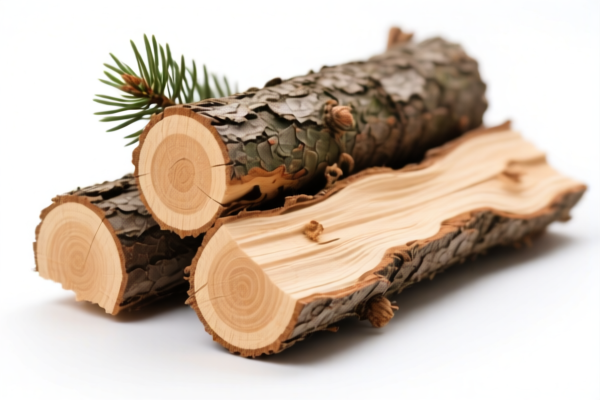
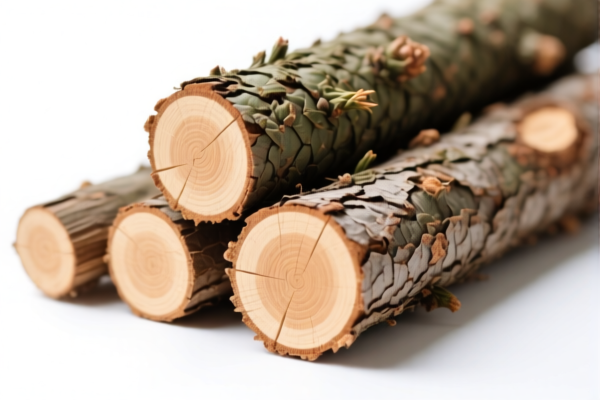
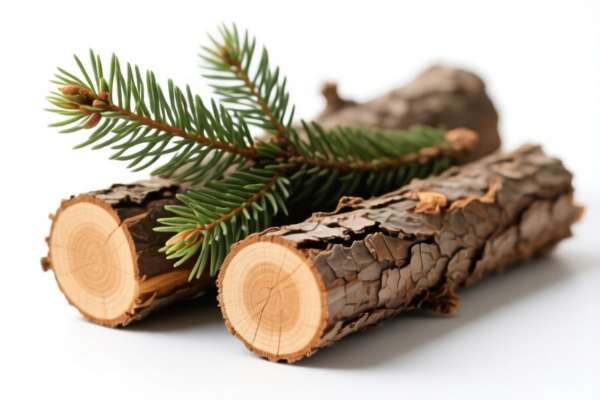
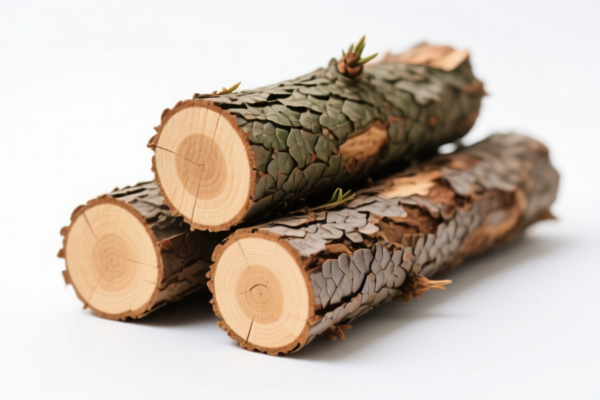
AI分析
🌲 Coniferous Boards (Unprocessed)
🌐 HS Code Reference & Clearance Guide | 2026 Latest Tariff Analysis | Professional Strategy for North American Import
📌 I. Product Definition & Classification: Understanding "Coniferous Boards"
Coniferous boards (often referred to as softwood lumber) are fundamental materials in construction, furniture manufacturing, and packaging. In international trade, their classification depends heavily on the degree of processing and the specific type of conifer (e.g., Pine, Spruce, Fir).
The term "Coniferous boards (unprocessed)" in your query typically refers to timber that has undergone basic shaping but lacks significant finishing or industrial conversion.
Key Distinctions: * Logs (Raw Timber): Uncut or merely peeled/split → Often falls under Chapter 44 Heading 44.03. * Sawn/Chipped Wood (Basic Processing): Roughly squared, edged, or partially processed but not smoothed → Falls under Chapter 44 Heading 44.07 or 44.03 depending on specificity.
⚠️ Critical Clarification for Your Query:
Since you mentioned "Boards (unprocessed)," customs authorities often classify these based on whether they are logs (Heading 44.03) or sawn wood (Heading 44.07). The data provided highlights a mix of both, with a heavy emphasis on simplified/rough sawn or raw log categories due to the high tariff exposure.
📦 II. HS Code Classification Details (2026 Latest Tariff Data)
Based on the provided <DATA>, all listed HS Codes fall under Chapter 44 (Wood and Articles of Wood) and are subject to significant trade restrictions. Here is the breakdown:
| HS Code | Product Description | Processing Level | Key Characteristics |
|---|---|---|---|
4403.22.01.65 |
Coniferous Log (Unprocessed) | Raw / Minimal | Unprocessed coniferous logs. Likely specific species (e.g., Pine/Fir). |
4403.26.01.65 |
Other Coniferous Rough-Sawn Wood | Basic Sawn | Coarsely squared, hewn, or roughly sawn. Not planed or shaped further. |
4407.19.00.92 |
Rough-Coniferous Wood (Unprocessed) | Sawn/Planed? | "Rough" implies limited surface treatment. Unprocessed for final use. |
4407.19.00.93 |
Other Unprocessed Coniferous Wood | Sawn/Fabricated | Broad category for other coniferous wood not specified elsewhere. Unprocessed status is key. |
🔍 Important Note:
All four codes share the same total tax rate (35.0%). This indicates that regardless of whether the wood is classified as a "Log" (44.03) or "Sawn/Rough Wood" (44.07), the trade penalty is identical. The distinction matters more for phytosanitary regulations and volume tracking than for duty cost.
💰 III. 2026 Latest Tariff Rate Breakdown (Detailed Tax Clauses)
✅ Target Market: United States (US)
✅ Origin: Likely China or Target Country under Trade Measures
✅ Total Tax Rate: 35.0% (Ad Valorem)
🎯 1. 4403.22.01.65 & 4403.26.01.65 – Logs & Rough-Sawn Coniferous Wood
| Tax Component | Rate | Legal Basis / Explanation |
|---|---|---|
| Basic Duty | 0.0% | Standard MFN (Most Favored Nation) rate for wood products is often low or zero. |
| Section 301 Surcharge | +25.0% | "Additional Duty": Imposed under US Trade Law Section 301 against specific Chinese goods. |
| Section 122 Duty | +10.0% | "Section 122 Tariff": Specific provision (likely referencing US Trade Act Section 122 or similar emergency powers) targeting strategic wood imports. |
| TOTAL TAX | 35.0% | 0% + 25% + 10% = 35% |
🎯 2. 4407.19.00.92 & 4407.19.00.93 – Unprocessed Coniferous Boards
| Tax Component | Rate | Legal Basis / Explanation |
|---|---|---|
| Basic Duty | 0.0% | Standard MFN rate. |
| Section 301 Surcharge | +25.0% | "Additional Duty": Applies to processed wood products from targeted origins. |
| Section 122 Duty | +10.0% | "Section 122 Tariff": Applies to these specific subheadings for unprocessed/rough wood. |
| TOTAL TAX | 35.0% | 0% + 25% + 10% = 35% |
📌 Tax Clause Explanation:
- "Basic Duty: 0.0%": The baseline tariff for wood is negligible. The cost comes entirely from trade remedies.
- "Additional Duty: 25.0%": This is the core Section 301 tariff, widely known as the "US-China Trade War" tariff. It applies to most wood products from China.
- "Section 122 Tariff: 10.0%": This is a specific add-on. Section 122 of the Trade Act of 1974 allows the President to adjust duties for national security or economic reasons. In recent years, this has been applied to specific lumber categories to protect domestic industries.
- Cumulative Effect: The taxes are cumulative, not alternative. You pay 35% on the CIF (Cost, Insurance, Freight) value.
🛠️ IV. Clearance Practical Advice (Pitfall Avoidance)
✅ 1. Required Documentation (Mandatory)
| Document | Necessity | Purpose |
|---|---|---|
| Phytosanitary Certificate | ✅ Critical | Issued by the country of origin’s plant protection agency. Proves wood is free of pests (e.g., emerald ash borer, bark beetles). Without this, shipment will be rejected. |
| ISPM 15 Compliance Mark | ✅ Critical | If packaged in pallets/crates, wood packaging must be heat-treated or fumigated and marked with the IPPC logo. |
| Commercial Invoice | ✔️ | Must clearly state: "Coniferous Wood," Species (e.g., Spruce, Pine), Dimensions, and Country of Origin. |
| Bill of Lading / Air Waybill | ✔️ | Standard shipping document. |
| Packing List | ✔️ | Details net/gross weight, number of packages, and dimensions. |
| Certificate of Origin | ✔️ | Essential for proving origin to apply (or contest) the 301/122 tariffs. |
✅ 2. Classification Strategy & Naming
🔥 “Be Specific on Species and Processing Level”
| Scenario | Recommended HS Code | Risk if Misclassified |
|---|---|---|
| Raw Logs (Unpeeled, natural shape) | 4403.22.01.65 |
Misclassifying as processed wood may lead to inspection delays for pest control. |
| Rough-Sawn (Squared but not planed) | 4403.26.01.65 |
Must prove "Rough" status. If planed/smoothed, it may fall under 4407 with different sub-rules, but same 35% tax. |
| Sawn/Unprocessed Boards | 4407.19.00.92 / .93 |
Ensure description says "Unprocessed" or "Rough." If sanded/finished, it may move to 4409 (molded/turned), which also attracts 35%. |
📌 Pro Tip:
Even if the tax rate is the same (35%) for4403and4407subheadings, incorrect classification can trigger: - Phytosanitary Holds: Raw logs (4403) are scrutinized more heavily for pests than sawn wood (4407). - Legal Penalties: Misrepresenting "unprocessed" as "processed" to avoid inspections is fraud.
✅ 3. Special Considerations for Coniferous Wood
| Issue | Advice |
|---|---|
| Moisture Content | Ensure wood meets import requirements (often <20% for sawn wood). High moisture can lead to mold/pest issues. |
| Species Declaration | Some coniferous species are protected (e.g., specific Pines). Verify if the species is on the CITES or USFWS restricted list. |
| Tariff Engineering | Since the rate is 35% for all listed codes, tariff engineering (changing product form to lower tax) is not effective here. Focus on supply chain cost reduction instead. |
| De Minimis | ❌ Not Applicable. Wood products do not qualify for the $800 de minimis exemption for informal entry. Formal entry is required. |
🌍 V. Global Market Comparison (2026)
| Market | HS Code Category | Total Tax Rate (China Origin) | Key Requirement |
|---|---|---|---|
| 🇺🇸 USA | 4403.22/4407.19 |
35.0% | Phytosanitary Cert, ISPM 15, Section 301/122 Compliance |
| 🇨🇳 China | 4403/4407 |
~0-5% | Standard Import Duty |
| 🇪🇺 EU | 4403/4407 |
~0-3% | FLEGT License (if applicable), EUTR Compliance |
| 🇨🇦 Canada | 4403/4407 |
0% | CFIA Phytosanitary Permit |
📌 Conclusion:
The 35% tariff is a US-specific trade barrier. If your destination is the US, this cost is unavoidable for coniferous wood from China. Consider: - Source Diversification: Sourcing from US, Canada, or Vietnam (if eligible for lower 301 rates) can save significant costs. - Value-Added Processing: While tax is same, processing in a third country (e.g., Vietnam) might change the Country of Origin and avoid Section 301 tariffs (but beware of "Transshipment" anti-circumvention rules).
📌 VI. Common Mistakes & Pitfalls (Lessons Learned)
❌ Mistake 1: Ignoring the Phytosanitary Certificate
👉 Consequence: Shipment quarantined or destroyed at port.
✅ Fix: Obtain certificate before shipment.
❌ Mistake 2: Classifying "Sanded" wood as "Unprocessed"
👉 Consequence: While tax may be similar, it may fall under 4409 (molded), which has different legal scrutiny.
✅ Fix: Accurately describe processing level: "Rough-Sawn" vs. "Planed."
❌ Mistake 3: Assuming 0% Base Duty = 0% Tax
👉 Consequence: Budgeting error. 35% is a massive cost.
✅ Fix: Price your product with CIF + 35% Tax in mind.
❌ Mistake 4: Using Untreated Pallets
👉 Consequence: Entire shipment held for fumigation.
✅ Fix: Use ISPM 15 compliant wood packaging.
🎯 VII. Conclusion: Strategic Import Advice
🎯 Key Takeaway:
🔹 "35% is the Floor": For coniferous wood from China to the US, the 35% tariff is structurally embedded.
🔹 "Species Matters": Not just for tax, but for phytosanitary clearance.
🔹 "Packaging is Key": ISPM 15 compliance is non-negotiable.
📌 Pro Tip:
If you are importing large volumes, consider:
1. Applying for an Exclusion: Check if your specific HS Code/subheading has an active Section 301 exclusion.
2. Third-Country Processing: Ensure substantial transformation occurs in a non-target country to change the Country of Origin.
3. Pre-Arrival Review: Work with a customs broker to file Pre-Arrival Review Program (PARS) to avoid port delays.
📣 Immediate Action:
📞 Contact a Customs Broker: Verify the exact Species and Processing Level.
📄 Secure Phytosanitary Certificate: Before the ship leaves the port of origin.
💰 Budget for 35% Tariff: Include this in your landed cost calculation.
✨ Accurate Classification, Smooth Clearance.
💼 In Wood Trade, Details Defeat Disasters.
用户评价
关于 HS 编码归类
协调制度(HS)是由世界海关组织(WCO)制定的国际贸易商品分类标准。全球 200 多个国家采用 HS 系统作为海关关税、贸易统计和进出口监管的基础。
每个 HS 编码遵循以下层级结构:
- 章(2 位)——商品大类(例如:第 84 章:机器和机械设备)
- 品目(4 位)——章内的更具体分类
- 子目(6 位)——国际通用细分,所有 WCO 成员国统一使用
- 本国细分(8-10 位)——各国自行扩展的细分编码,如美国 HTSUS 10 位编码
正确的 HS 编码归类对于顺利通关、准确缴纳关税和遵守贸易法规至关重要。错误归类可能导致海关延误、多缴关税或罚款。
从CN进口到US时,适用的关税税率可能包括:
- 最惠国(MFN)税率——适用于 WTO 成员国的标准关税税率
- 普通税率——适用于无贸易协定国家
- 贸易救济关税——附加关税,如 301 条款(反倾销)、232 条款(国家安全)或反补贴税
本页内容仅供参考。如需正式归类,请咨询当地海关或持牌报关代理。