Construction Waste
CN → US| HS编码 | 关税税率 | 原产国 | 目的国 | 文档 |
|---|---|---|---|---|
| 7204490060 | 35.0% | CN | US | 官方文档 |
| 7204490080 | 35.0% | CN | US | 官方文档 |
| 3915900090 | 35.0% | CN | US | 官方文档 |
| 3915900010 | 35.0% | CN | US | 官方文档 |
商品图片

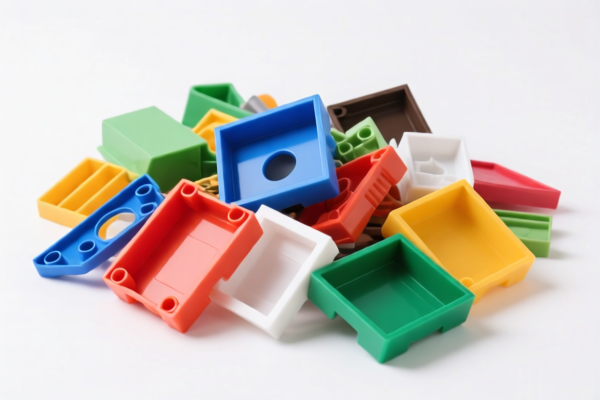
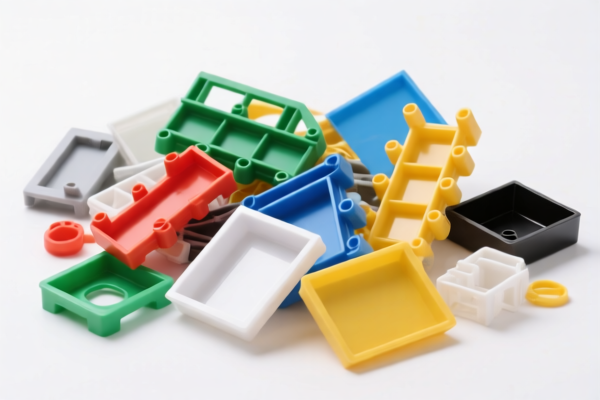
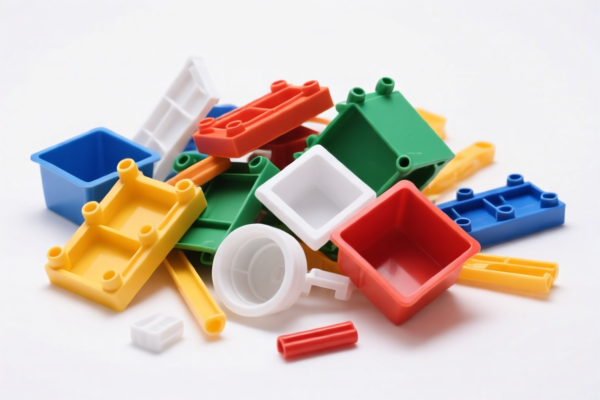
AI分析
🏗️ Construction Waste & Scrap (Ferrous & Plastics)
🌐 HS Code Classification & US Customs Clearance Guide | 2026 Tariff Analysis
📌 Product Definition: What is "Construction Waste"?
In international trade, "Construction Waste" is not a single HS Code but a category encompassing discarded materials generated from building, demolition, or renovation. Under US Customs regulations, these are primarily classified under two major chapters: 1. Ferrous Waste and Scrap (Iron/Steel): Structural steel, cut plates, beams, and rebar remnants. 2. Plastic Waste and Scrap: Debris from PVC pipes, packaging, insulation, or plastic sheeting.
⚠️ Critical Distinction:
- Recyclable Scrap: Materials suitable for remelting or reprocessing are classified under Chapter 72 (Steel) or Chapter 39 (Plastics).
- Municipal Solid Waste: Contaminated, mixed, or non-recyclable waste may fall under Chapter 38 or other disposal codes, which often face stricter environmental bans or higher duties.
- Focus of This Guide: We focus on recyclable industrial scrap as per the provided data (7204.49and3915.90).
📦 HS Code Classification Matrix (Based on Provided Data)
The following HS Codes are derived strictly from the <DATA> provided. All items listed are subject to specific US import tariffs for Chinese-origin goods.
| HS Code | Description | Application Scenario | Material Type |
|---|---|---|---|
7204.49.00.60 |
Ferrous Waste and Scrap: Cut plate and structural | Cut pieces of steel plates, structural steel beams, columns, or profiles suitable for remelting. | Ferrous (Steel/Iron) |
7204.49.00.80 |
Ferrous Waste and Scrap: Other | Miscellaneous ferrous scrap not specified elsewhere (e.g., turnings, borings, press scales). | Ferrous (Steel/Iron) |
3915.90.00.10 |
Plastic Waste: Of polyethylene terephthalate (PET) plastics | Scrap from PET bottles, sheets, or pipes commonly found in construction packaging or piping systems. | Plastic (PET) |
3915.90.00.90 |
Plastic Waste: Of other plastics | Scrap from PVC, HDPE, PP, or mixed plastic debris not classified as PET. | Plastic (Other) |
🔍 Key Insight:
- Steel Scrap (7204.49): Must be clean, segregated, and suitable for remelting. Contaminated scrap (e.g., mixed with concrete) may be rejected or misclassified.
- Plastic Scrap (3915.90): Must be separated by type (PET vs. Other). Mixed plastic waste without sorting may face higher scrutiny.
💰 2026 Tariff Rate Breakdown (US Imports from China)
Based on the <DATA> provided, all four HS Codes share the exact same tariff structure. This simplifies cost calculation but highlights the high barrier to entry for recycled materials.
🎯 Universal Tariff Structure for All Listed HS Codes
| Item | Detail |
|---|---|
| HS Codes | 7204.49.00.60, 7204.49.00.80, 3915.90.00.10, 3915.90.00.90 |
| Base Tariff | 0.0% (Ad Valorem) |
| Additional Tariff | 25.0% (Under Section 301 / USITC Footnote 9903.88.01) |
| Total Duty Rate | 25.0% |
| Tax Calculation | Duty = CIF Value × 25% |
| De Minimis Exemption | ❌ Not Applicable |
| Policy Status | Active (No exemption for these specific scrap codes from China) |
📌 Why 25%?
- These materials are classified under Section 301 tariffs, imposed by the US Trade Representative (USTR) on Chinese goods.
- Unlike finished electronics or machinery, scrap materials are not eligible for most de minimis exemptions (Section 321) if they fall under these specific 301 lists.
- No IEEPA 10% Add-on: The provided data indicates only 25% total tax. Do not assume an additional 10% IEEPA tax unless specified by newer rulings not in the<DATA>. Stick to 25%.
🛠️ Customs Clearance Practical Advice (Avoiding Pitfalls)
✅ 1. Documentation Requirements (Strict)
| Document | Requirement | Reason |
|---|---|---|
| Commercial Invoice | Must clearly state "Ferrous Waste and Scrap" or "Plastic Waste". Do NOT use vague terms like "Construction Materials" or "General Goods". | Prevents misclassification and delays. |
| Packing List | Detail weight (Net/Gross) and quantity. Separate steel and plastic clearly. | Customs verifies weight-to-value ratio for scrap. |
| Certificate of Origin | Required to confirm Chinese origin (triggers 25% tariff). | Determines tariff applicability. |
| Scrap Certification | Optional but recommended: Proof that materials are clean, segregated, and recyclable. | Avoids classification as "Municipal Solid Waste" (illegal to import in many cases). |
| PLA (Plastic Labeling Act) Compliance | For plastic scrap (3915.90), ensure markings or documentation show material type (e.g., PET, PVC). |
EPA enforcement requires clear identification. |
✅ 2. Classification Tips (Critical)
- Steel Scrap:
- Use
7204.49.00.60for cut plates and structural elements. - Use
7204.49.00.80for other ferrous scrap (e.g., turnings, borings). -
⚠️ Do not mix structural steel with general machinery parts; they have different codes.
-
Plastic Scrap:
- Use
3915.90.00.10only if 100% PET. - Use
3915.90.00.90for all other plastics (PVC, HDPE, PP, etc.). - ⚠️ Mixed Plastics: If PET and other plastics are mixed, you must separate them before import. Mixed waste is often rejected or requires higher-level scrutiny.
✅ 3. Common Mistakes & Consequences
| Mistake | Consequence |
|---|---|
| Mislabeling "Construction Waste" as "Recycled Raw Materials" | Customs may classify as "General Waste" → Seizure & Destruction. |
| Not Separating PET from Other Plastics | Forced to use 3915.90.00.90 (if mixed) or Rejection for non-compliance with PLA. |
| Ignoring the 25% Tariff | Underpayment → Penalties, Liens, and Interest. |
| Assuming De Minimis Applies | Scrap items are not eligible for $800 de minimis exemption → Duty Assessment on Full Value. |
✅ 4. Cost Optimization Strategy
- Pre-Sorting: Separate steel and plastic, and further sort PET from other plastics. This avoids ambiguity and potential higher-duty "mixed waste" classifications.
- Verify Origin: Ensure materials are not merely "transshipped" from China without substantial transformation, as this triggers the 25% tariff.
- Bonded Warehouses: Consider importing into a bonded warehouse to defer duty payment until the material is sold domestically or re-exported.
🌍 Global Context & Comparison (2026)
| Market | Tariff on Ferrous/Plastic Scrap | Notes |
|---|---|---|
| 🇺🇸 USA | 25% | Strict Section 301 tariffs. No de minimis for scrap. |
| 🇨🇳 China | 0% | Import tariffs are low, but environmental regulations are strict. |
| 🇪🇺 EU | Varies (0-6.5%) | Subject to EPR (Extended Producer Responsibility) fees. |
| 🇮🇳 India | Varies (0-15%) | Bans on certain plastic waste imports; steel scrap subject to quality checks. |
📌 Conclusion for US Importers:
- The 25% tariff is non-negotiable for Chinese-origin scrap under the provided data.
- Accuracy in classification is paramount to avoid penalties.
- Separation of materials (Steel vs. Plastic, PET vs. Other) is essential for smooth clearance.
📌 Final Checklist for Shippers
- [ ] Classify Correctly: Use
7204.49.00.60/80for steel,3915.90.00.10/90for plastics. - [ ] Calculate Duty: CIF Value × 25%.
- [ ] Label Clearly: "Ferrous Waste and Scrap" or "Plastic Waste".
- [ ] Separate Materials: Do not mix PET with other plastics.
- [ ] Prepare Docs: Invoice, Packing List, Certificate of Origin.
🎯 Pro Tip:
"Scrap is not trash. It’s a commodity.
Classify it right, separate it clean,
Pay the 25%, stay compliant.
Avoid the fines, keep the flow!"
✨ Disclaimer:
This guide is based strictly on the provided <DATA>. Always consult with a licensed customs broker or legal expert for specific shipment details, as tariff policies and customs rulings can change.
用户评价
关于 HS 编码归类
协调制度(HS)是由世界海关组织(WCO)制定的国际贸易商品分类标准。全球 200 多个国家采用 HS 系统作为海关关税、贸易统计和进出口监管的基础。
每个 HS 编码遵循以下层级结构:
- 章(2 位)——商品大类(例如:第 84 章:机器和机械设备)
- 品目(4 位)——章内的更具体分类
- 子目(6 位)——国际通用细分,所有 WCO 成员国统一使用
- 本国细分(8-10 位)——各国自行扩展的细分编码,如美国 HTSUS 10 位编码
正确的 HS 编码归类对于顺利通关、准确缴纳关税和遵守贸易法规至关重要。错误归类可能导致海关延误、多缴关税或罚款。
从CN进口到US时,适用的关税税率可能包括:
- 最惠国(MFN)税率——适用于 WTO 成员国的标准关税税率
- 普通税率——适用于无贸易协定国家
- 贸易救济关税——附加关税,如 301 条款(反倾销)、232 条款(国家安全)或反补贴税
本页内容仅供参考。如需正式归类,请咨询当地海关或持牌报关代理。