Converter
CN → US| HS编码 | 关税税率 | 原产国 | 目的国 | 文档 |
|---|---|---|---|---|
| 8517620090 | 35.0% | CN | US | 官方文档 |
| 8504409580 | 35.0% | CN | US | 官方文档 |
| 8471801000 | 35.0% | CN | US | 官方文档 |
| 8517620020 | 35.0% | CN | US | 官方文档 |
| 8504408500 | 35.0% | CN | US | 官方文档 |
| 8471607000 | 35.0% | CN | US | 官方文档 |
商品图片
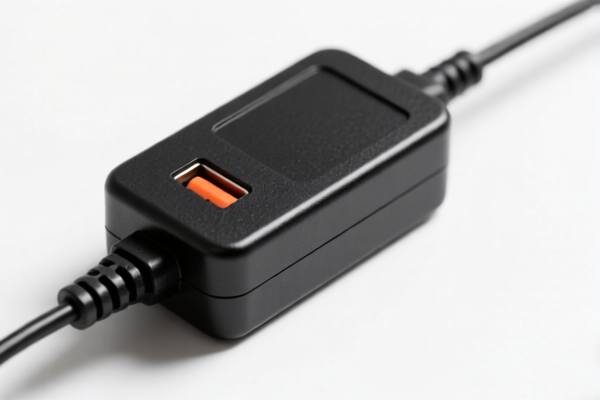
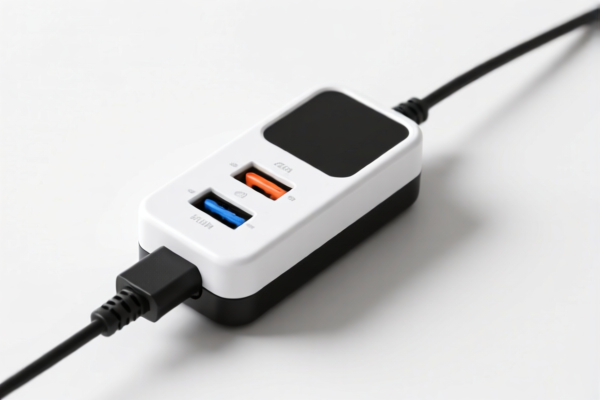
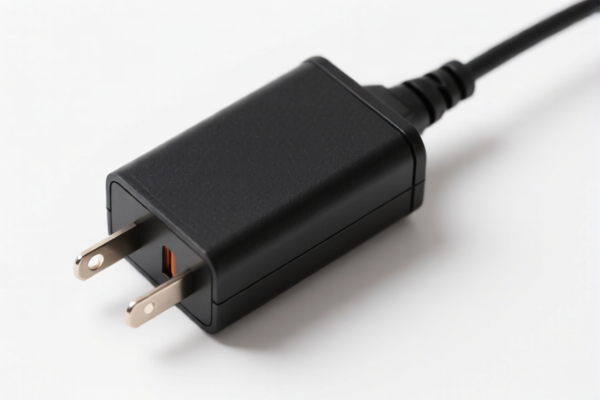

AI分析
🔄 Network Converters & Data Transducers: The Ultimate Import/Export Guide
🌐 HS Code Reference & Customs Clearance Guide | 2026 Latest Tariff Analysis | Professional Compliance Strategy
📌 1. Product Definition & Classification: What Exactly is a "Converter"?
In the complex world of electronics and telecommunications, the term "Converter" is a broad umbrella. In international trade, it typically refers to devices that transform signals, data formats, or power states. Based on the specific function (data transmission vs. power conversion vs. control units), these devices fall into several distinct HS Code categories.
⚠️ Critical Distinction:
- Data/Signal Converters: Used for networking, data processing, and telecom signal adaptation.
- Power/Electrical Converters: Static converters used for voltage/current transformation in electrical systems.
- Control Units: Devices that act as input/output or processing units for automatic data processing machines.
📦 2. HS Code Classification Matrix (2026 Latest Tariff Authority)
Based on the provided data, here are the six potential classifications for "Converters," each with a specific rationale and tax implication.
| HS Code | Product Description | Rationale for Classification | Function/Usage |
|---|---|---|---|
8517.62.00.90 |
Network Converter (Data Conversion) | Fits devices for data reception, conversion, and transmission. | General data transmission & conversion equipment. |
8504.40.95.80 |
Static Converter (General Electrical) | Inferred as electronic/electrical material; uses the "other" category fallback logic. | General static voltage/frequency conversion; electronic component. |
8471.80.10.00 |
Network Converter (Control Unit) | Fits definitions of units for controlling, adapting, or processing network signals. | Control/adaptation unit for network signals or data processing. |
8517.62.00.20 |
Network Converter (Switch/Route) | Fits definitions within switching and routing devices involving conversion functions. | Switching, routing, and signal conversion for telecom networks. |
8504.40.85.00 |
Static Converter (Telecom Specific) | Fits within telecom equipment范畴 (categories); static converters used for telecom purposes. | Static converter specifically dedicated to telecommunications infrastructure. |
8471.60.70.00 |
Converter (Data Processing I/O) | Fits as an input/output or communication conversion unit in the data processing chain. | Input/Output unit for Automatic Data Processing Machines (ADPM). |
🔍 Key Insight:
- The core differentiator is whether the device is primarily for Data/Network Transmission (Chapter 84/85 subheading 62) or Power/Electrical Conversion (Chapter 85 subheading 40). - Even though the product name is generic ("Converter"), its technical function dictates the HS Code. Misclassification here leads to severe penalties.
💰 3. 2026 Tariff Rate Breakdown (Detailed Tax Clauses)
✅ Applicable Country: United States (US)
✅ Origin: China (CN)
✅ Effective Date: 2025/2026 (Current Trade War Context)
✅ Total Tax Rate for ALL Listed Codes: 35.0%
This uniform high-tax rate applies to all six HS Codes listed in the data. Here is the detailed breakdown of the 35.0% Total Tax:
🎯 Universal Tax Structure for All Converter Types
| Tax Component | Rate | Legal Basis / Description |
|---|---|---|
| Base Tariff | 0.0% | Standard Most Favored Nation (MFN) duty is 0% for these electronic/data equipment categories. |
| Section 301 / Add-on Tariff | +25.0% | Imposed under US Trade Act Section 301 on specific Chinese goods. |
| Section 122 Tariff | +10.0% | Specific clause tariff (likely referring to additional retaliatory or specific trade action tariffs). |
| TOTAL EFFECTIVE RATE | 35.0% | 0% + 25% + 10% = 35% |
📌 Explanation:
- Base Rate (0%): The underlying Harmonized Tariff Schedule (HTSUS) base rate for most data/telecom equipment is zero.
- Add-on Tariff (25%): This is the significant tariff resulting from the US-China trade tensions (Section 301). It applies to the CIF value.
- Section 122 Tariff (10%): An additional layer of taxation applied to these specific electronic components.
- No De Minimis Exemption: These are not eligible for the $800 de minimis exemption (Form 8611 rules apply strictly). Full duty calculation is required.
🛠️ 4. Customs Clearance Practical Advice (Avoiding Pitfalls)
✅ 1. Documentation Checklist (Non-Negotiable)
To ensure smooth clearance under any of the 6 HS Codes, provide the following:
| Document | Requirement | Purpose |
|---|---|---|
| Product Specifications | ✔️ Mandatory | Must clearly state: Input/Output types, Protocol (e.g., Ethernet, RS232, Fiber), Voltage, Power. |
| Functional Diagram | ✔️ Mandatory | Proves whether it is a Data Converter (8517/8471) or Power Converter (8504). |
| Commercial Invoice | ✔️ Mandatory | Describe item precisely (e.g., "Ethernet to RS485 Converter") not just "Converter." |
| Country of Origin | ✔️ Mandatory | Must confirm "Made in China" to trigger the correct 35% tax bracket. |
| Certifications | ✔️ Recommended | FCC (for US market), CE, RoHS. Helps prove legal compliance alongside tax compliance. |
✅ 2. Classification Strategy: Which HS Code to Choose?
Since all codes result in 35% tax, the choice is not about saving money on tariffs (currently), but about Compliance Accuracy. Choose based on technical reality:
| Scenario | Recommended HS Code | Why? |
|---|---|---|
| Generic Data/Network Adapter | 8517.62.00.90 |
Best fit for general "data reception/conversion/transmission" devices. |
| Telco Switching/Router Type | 8517.62.00.20 |
Use if it actively routes or switches signals in a network. |
| Computer Peripheral/ADP Unit | 8471.80.10.00 or 8471.60.70.00 |
Use if it is strictly part of a computer's I/O or control system. |
| Pure Electrical/Static Converter | 8504.40.95.80 or 8504.40.85.00 |
Use if it converts AC/DC or Voltage/Frequency for power applications, even if used in telecom. |
⚠️ Warning: Do not arbitrarily pick the "cheapest" code if it doesn't match the product. Customs may audit, classify it incorrectly, and impose penalties + interest.
✅ 3. Common Mistakes & Mitigation
❌ Mistake 1: Vague Description
Input: "Converter"
Result: Customs holds shipment for inspection, delays clearance by weeks.
Fix: Use specific names like "Media Converter," "Protocol Converter," or "Signal Adapter."
❌ Mistake 2: Ignoring Section 122
Input: Assuming only 25% tax applies.
Result: Underpayment of duties, leading to post-entry audits and fines.
Fix: Always include the 10% Section 122 tariff in your landed cost calculation.
❌ Mistake 3: Wrong Chapter Confusion
Input: Classifying a Data Converter as a Power Converter (or vice versa).
Result: Misclassification risk.
Fix: Refer to GRI 1 (General Rules of Interpretation) and Chapter Notes. Data transmission = Ch 84/85. Power conversion = Ch 85.
🌍 5. Global Market Comparison (2026 Outlook)
| Region | Base Tariff | Add-on Tariffs | Total Est. Rate | Note |
|---|---|---|---|---|
| 🇺🇸 USA | 0% | +25% (Sec 301) + 10% (Sec 122) | 35.0% | High barrier; strict compliance required. |
| 🇨🇳 China | 0-5% | None | ~0-5% | Low entry cost for domestic sales. |
| 🇪🇺 EU | 0-2.7% | None (Currently) | ~0-3% | Lower cost, but strict CE/FCC compliance needed. |
| 🇬🇧 UK | 0-4% | None | ~0-4% | Post-Brexit rules apply; generally favorable. |
📌 Strategic Advice:
For the US market, the 35% tax is a fixed cost. Focus on value-addition (e.g., software integration, premium branding) to absorb the tariff. Consider supply chain diversification if tariffs increase further in 2026/2027.
📌 6. Final Checklist for Importers
- [ ] Identify Function: Is it data or power?
- [ ] Select HS Code: Match function to one of the 6 codes above.
- [ ] Calculate Cost: Apply 35% total tax rate to CIF value.
- [ ] Prepare Docs: Specs, Invoice, Origin Certificate.
- [ ] File Accurately: Declare precise product description to avoid delays.
🎯 Conclusion: Precision Over Price
🎯 Key Takeaway:
While all listed HS Codes for "Converter" currently attract a 35% total tariff in the US, correct classification is vital for legal compliance and avoiding seizures.
- Data Devices →8517.62or8471.80/60
- Power Devices →8504.40
📢 Action Item:
Consult with a licensed customs broker to validate the HS Code based on your specific technical datasheet. Do not guess.
Stay compliant, stay profitable.
✨ Professional Customs Clearance Starts with Accurate Classification!
💼 Your Bottom Line Depends on the Details!
用户评价
关于 HS 编码归类
协调制度(HS)是由世界海关组织(WCO)制定的国际贸易商品分类标准。全球 200 多个国家采用 HS 系统作为海关关税、贸易统计和进出口监管的基础。
每个 HS 编码遵循以下层级结构:
- 章(2 位)——商品大类(例如:第 84 章:机器和机械设备)
- 品目(4 位)——章内的更具体分类
- 子目(6 位)——国际通用细分,所有 WCO 成员国统一使用
- 本国细分(8-10 位)——各国自行扩展的细分编码,如美国 HTSUS 10 位编码
正确的 HS 编码归类对于顺利通关、准确缴纳关税和遵守贸易法规至关重要。错误归类可能导致海关延误、多缴关税或罚款。
从CN进口到US时,适用的关税税率可能包括:
- 最惠国(MFN)税率——适用于 WTO 成员国的标准关税税率
- 普通税率——适用于无贸易协定国家
- 贸易救济关税——附加关税,如 301 条款(反倾销)、232 条款(国家安全)或反补贴税
本页内容仅供参考。如需正式归类,请咨询当地海关或持牌报关代理。