Cookware 8g
CN → US| HS编码 | 关税税率 | 原产国 | 目的国 | 文档 |
|---|---|---|---|---|
| 7323997000 | 65.3% | CN | US | 官方文档 |
| 7323930045 | 62.0% | CN | US | 官方文档 |
| 6911108090 | 38.3% | CN | US | 官方文档 |
| 7615103025 | 70.6% | CN | US | 官方文档 |
| 6911108010 | 38.3% | CN | US | 官方文档 |
商品图片
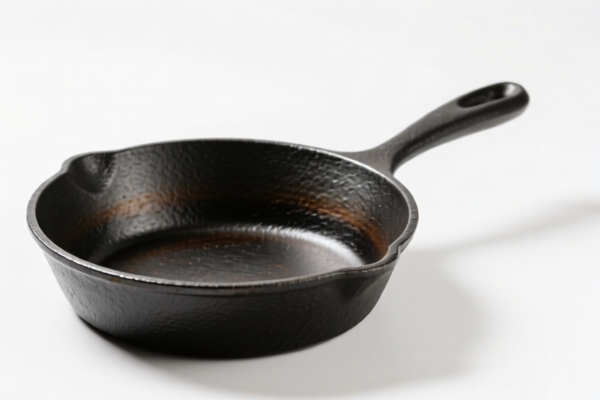
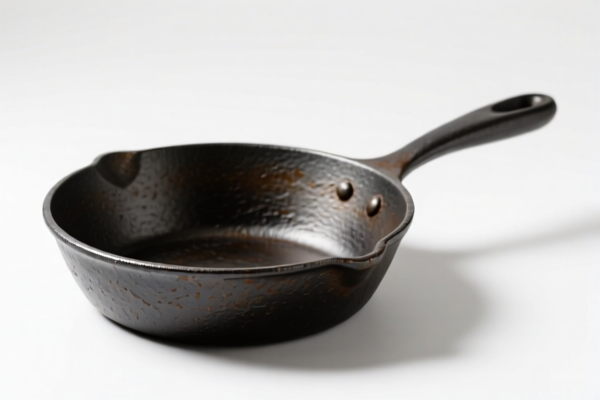
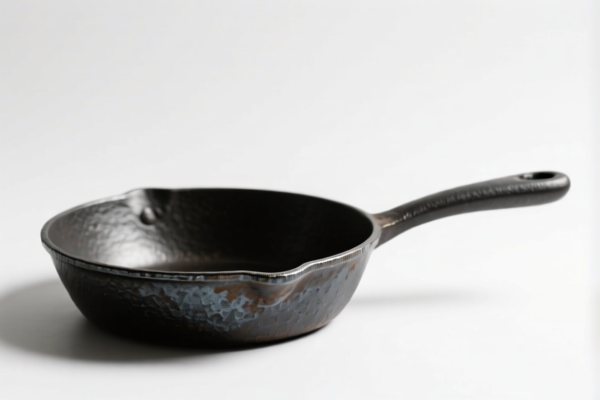
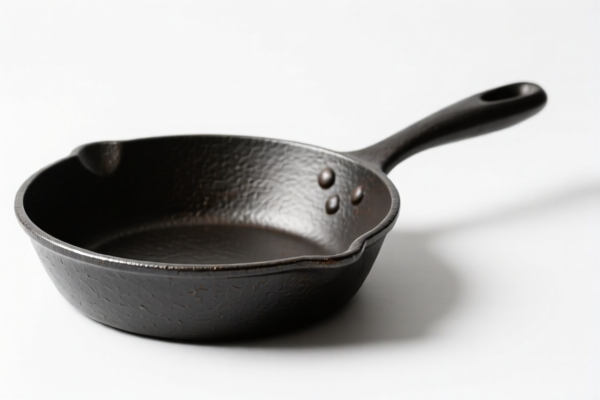
AI分析
🍳 Cookware: Aluminum, Steel & Porcelain (2026 Tariff Guide)
🌐 HS Code Reference & Clearance Guide | 2026 Latest Tariff Analysis | Professional Customs Strategy
📌 I. Product Definition & Classification: What Exactly Is "Cookware 8g"?
"Cookware" generally refers to vessels used for cooking food, such as pots, pans, kettles, and related kitchen articles. The "8g" notation in your query is likely a typo or a specific weight specification (e.g., 8 grams is impossibly light for cookware; it might mean 8kg, 8-liter capacity, or simply a model number). However, regardless of the size, the material is the primary determinant for HS Code classification under U.S. Customs regulations.
The provided data covers three main material categories: 1. Aluminum (HS Chapter 76) 2. Porcelain/China (HS Chapter 69) 3. Iron/Steel (HS Chapter 73)
⚠️ Key Distinction Point:
- Material: Is it Metal (Aluminum/Steel) or Ceramic (Porcelain)?
- Finish: Is it Enamled/Glazed/Non-stick, or Bare Metal?
- Type: Is it for cooking (pots/pans) or other household use (tableware)?
📦 II. HS Code Classification Details (2026 Latest Tariff Authority)
Based on the provided <DATA>, here are the specific HS Codes and their descriptions.
| HS Code | Product Description | Material | Finish/Type | Key Characteristics |
|---|---|---|---|---|
7615.10.71.80 |
Table, kitchen or other household articles... of aluminum | Aluminum | Cooking and kitchen ware | Not enameled, not glazed, no nonstick interior finish. |
7615.10.30.25 |
Table, kitchen or other household articles... of aluminum | Aluminum | Cooking and kitchen ware | Enamelled, glazed, OR contains nonstick interior finishes. |
6911.10.80.10 |
Tableware, kitchenware... of porcelain or china | Porcelain/China | Tableware and kitchenware | Suitable for food or drink contact. |
6911.10.80.90 |
Tableware, kitchenware... of porcelain or china | Porcelain/China | Tableware and kitchenware | Other (Not specifically for food contact or general household). |
7323.93.00.45 |
Table, kitchen... of iron or steel... Of stainless steel | Stainless Steel | Cooking ware | Cooking ware, Other (Specific stainless steel category). |
7323.99.70.00 |
Table, kitchen... of iron or steel... Not coated or plated with precious metal | Iron/Steel | Cookingware | Other (Non-stainless, non-precious metal plated). |
🔍 Important Note:
- Aluminum Cookware: The tariff rate depends entirely on whether it has a non-stick coating or enamel.
- Steel Cookware: Stainless steel (7323.93) has a different base rate than non-stainless steel (7323.99).
- Porcelain: Distinctly separated from metal cookware.
💰 III. 2026 Latest Tariff Rate Details (Including Additional Taxes)
✅ Applicable Country: United States (US)
✅ Origin: Likely China (CN) – Note: The "50% Steel/Aluminum/Copper" surcharge suggests a US-China trade context.
✅ Effective Time: Current 2026 Tariff Regime
🎯 1. Aluminum Cookware (HS Code 7615)
A. 7615.10.71.80 – Bare Aluminum (No Non-Stick/Enamel)
| Item | Content |
|---|---|
| Base Tariff | 3.1% |
| Additional Tariff (Section 301/Other) | 0.0% |
| Steel/Aluminum/Copper Surcharge | +50% |
| Total Tariff Rate | 53.1% |
| Calculation | CIF Value × 53.1% |
| Legal Basis | Base rate 3.1% + Steel/Aluminum Surcharge 50% |
📌 Explanation:
- Even though the specific "Section 301" list might show 0% for this subheading, the "Steel/Aluminum/Copper Surcharge: 50%" applies broadly to aluminum products from certain origins (likely China).
- Total Effective Rate: 53.1%. This is a very high duty.
B. 7615.10.30.25 – Enamelled/Glazed/Non-Stick Aluminum
| Item | Content |
|---|---|
| Base Tariff | 3.1% |
| Additional Tariff | +7.5% |
| Steel/Aluminum/Copper Surcharge | +50% |
| Total Tariff Rate | 60.6% |
| Calculation | CIF Value × 60.6% |
| Legal Basis | Base 3.1% + Additional 7.5% + Surcharge 50% |
📌 Explanation:
- Non-stick or enameled aluminum cookware attracts a higher additional tariff (7.5%) compared to bare aluminum.
- Total Effective Rate: 60.6%.
- Warning: This is one of the highest tariff brackets for consumer cookware.
🎯 2. Porcelain/Ceramic Cookware/Tableware (HS Code 6911)
A. 6911.10.80.10 & 6911.10.80.90 – Porcelain/China
| Item | Content |
|---|---|
| Base Tariff | 20.8% |
| Additional Tariff | +7.5% |
| Total Tariff Rate | 28.3% |
| Calculation | CIF Value × 28.3% |
| Applicable to Both | ...80.10 (Food Contact) & ...80.90 (Other) |
📌 Explanation:
- Porcelain cookware/tableware is taxed significantly lower than aluminum cookware.
- The 7.5% additional tariff is standard for this category in this context.
- Total Effective Rate: 28.3%.
🎯 3. Iron/Steel Cookware (HS Code 7323)
A. 7323.93.00.45 – Stainless Steel Cooking Ware
| Item | Content |
|---|---|
| Base Tariff | 0.0% |
| Additional Tariff | 0.0% |
| Steel/Aluminum/Copper Surcharge | +50% |
| Total Tariff Rate | 50.0% |
| Calculation | CIF Value × 50.0% |
| Legal Basis | Base 0% + Steel Surcharge 50% |
📌 Explanation:
- Stainless steel cookware has a 0% base tariff but is subject to the heavy 50% Steel Surcharge.
- Total Effective Rate: 50.0%.
B. 7323.99.70.00 – Other Iron/Steel Cooking Ware (Non-Stainless)
| Item | Content |
|---|---|
| Base Tariff | 5.3% |
| Additional Tariff | 0.0% |
| Steel/Aluminum/Copper Surcharge | +50% |
| Total Tariff Rate | 55.3% |
| Calculation | CIF Value × 55.3% |
| Legal Basis | Base 5.3% + Steel Surcharge 50% |
📌 Explanation:
- Non-stainless steel cookware has a base rate of 5.3%.
- Add the 50% Steel Surcharge.
- Total Effective Rate: 55.3%.
🛠️ IV. Customs Clearance Practical Advice (Battle-Tested Pitfall Guide)
✅ 1. Documentation Checklist (Essential)
| Document | Must Provide? | Explanation |
|---|---|---|
| ✅ Product Specification Sheet | ✔️ | Must clearly state Material (Aluminum, Stainless Steel, Porcelain) and Finish (Non-stick, Enamelled, Bare). |
| ✅ Material Composition Proof | ✔️ | Certificate of Analysis (CoA) for alloys if claimed Stainless Steel. |
| ✅ Product Photos (Labeled) | ✔️ | Show interior (for non-stick check) and exterior (for enamel check). |
| ✅ Commercial Invoice | ✔️ | HS Code must match the description exactly. Do not use generic "Cookware". |
| ✅ Packaging List | ✔️ | Ensure weights and dimensions match. |
✅ 2. Declaration Tips (Critical)
🔥 Golden Rule: "Finish Defines the Rate, Material Defines the Category!"
| Scenario | Correct HS Code | Mistake to Avoid |
|---|---|---|
| Aluminum Pot, No Coating | 7615.10.71.80 (53.1%) |
Don't declare as "Non-stick" (which would be 60.6% or require false claims). |
| Aluminum Pot, Non-Stick | 7615.10.30.25 (60.6%) |
Don't declare as "Bare" if it has coating. Risk of misdeclaration penalty. |
| Stainless Steel Pot | 7323.93.00.45 (50.0%) |
Ensure it is indeed Stainless Steel. If it's carbon steel, it moves to 7323.99.70.00 (55.3%). |
| Porcelain Bowl | 6911.10.80.10 (28.3%) |
Clearly state "Porcelain" not "Ceramic" if it meets porcelain standards. |
✅ 3. Special Circumstances
| Situation | Handling Advice |
|---|---|
| Set of Cookware (Mixed Materials) | Declare each item separately. Do not bundle into one HS Code. |
| Non-Stick Pan with Ceramic Coating | Is it "Enamelled/Glazed" or "Non-stick"? Usually falls under 7615.10.30.25. Confirm with supplier. |
| Stainless Steel vs. Carbon Steel | Magnetic test? Chemical test? Stainless is non-magnetic (usually) and has specific alloy content. Misclassification leads to 5% difference (50% vs 55.3%). |
| Porcelain for Industrial Use (Not Food) | Use 6911.10.80.90. Ensure it is not marketed for food. |
🌍 V. Global Tariff Comparison (2026 Perspective)
| Region | Aluminum (Non-Stick) | Aluminum (Bare) | Stainless Steel | Porcelain | Notes |
|---|---|---|---|---|---|
| 🇺🇸 USA | 60.6% | 53.1% | 50.0% | 28.3% | High due to Steel/Al Surcharge (50%). |
| 🇨🇳 China | ~13% | ~13% | ~10% | ~10% | No additional punitive tariffs for imports into China. |
| 🇪🇺 EU | Varies (0-12%) | Varies | Varies | Varies | No 50% surcharge. Check EU Common Customs Tariff. |
| 🇨🇦 Canada | Similar to US | Similar to US | Similar to US | Similar to US | Often mirrors US rates for Section 301 goods. |
📌 Conclusion for US Imports:
- Aluminum and Steel cookware are heavily penalized with a 50% surcharge.
- Porcelain/Ceramic is the most tariff-efficient option at 28.3%.
- If possible, consider supply chain diversification (e.g., Vietnam, Mexico) if eligible for exemptions, though the 50% surcharge may still apply depending on origin rules.
📌 VI. Common Errors & Pitfall Guide (Lessons from Tears)
❌ Error 1: Declaring a Non-Stick Pan as Bare Aluminum (7615.10.71.80)
👉 Consequence: Customs detects the coating via inspection or declaration mismatch. Penalty + Back Taxes + Seizure Risk.
❌ Error 2: Declaring Carbon Steel as Stainless Steel (7323.93.00.45)
👉 Consequence: Base rate 0% vs 5.3% + potential duty evasion. High Audit Risk.
❌ Error 3: Ignoring the 50% Steel/Aluminum Surcharge
👉 Consequence: Budgeting 3-5% tariff and facing a 50% bill. Profit Margin Destroyed.
❌ Error 4: Mixing Porcelain and Metal in one line item
👉 Consequence: Customs will reject the mixed classification. Delays and Storage Fees.
✅ Correct Approach:
"Aluminum Cookware, 24cm, Non-Stick Interior, Enamelled Exterior, Model XYZ, Made in China"
→ Correct HS:7615.10.30.25
🎯 VII. Conclusion: Precision Classification for Cost Efficiency
🎯 Remember the Rules:
🔹 "Aluminum & Steel: 50% Surcharge is Inevitable (for CN Origin)."
🔹 "Non-Stick/Enamel Aluminum: 60.6% Total."
🔹 "Porcelain: 28.3% Total (The Cheapest Option)."
🔹 "Stainless Steel: 50% Total."
📌 Pro Tip:
If your product is Aluminum or Steel, the tariff is brutal. Consider:
1. Reclassifying if possible: Can it be classified as a part of a larger machine? (Unlikely for cookware).
2. Supply Chain Shift: Move production to a country not subject to the 50% surcharge (e.g., Vietnam, India) if feasible.
3. Porcelain Alternative: If design allows, switch to ceramic/porcelain cookware for lower duties.
📣 Immediate Action:
📞 Verify Material & Finish with Supplier.
📄 Get CoA for Steel Alloy.
🚀 Calculate Landed Cost including 53%-60% duties for Metal Cookware.
✨ Professional Clearance Starts with Precise Classification!
💼 Every Percent of Duty Counts!
用户评价
关于 HS 编码归类
协调制度(HS)是由世界海关组织(WCO)制定的国际贸易商品分类标准。全球 200 多个国家采用 HS 系统作为海关关税、贸易统计和进出口监管的基础。
每个 HS 编码遵循以下层级结构:
- 章(2 位)——商品大类(例如:第 84 章:机器和机械设备)
- 品目(4 位)——章内的更具体分类
- 子目(6 位)——国际通用细分,所有 WCO 成员国统一使用
- 本国细分(8-10 位)——各国自行扩展的细分编码,如美国 HTSUS 10 位编码
正确的 HS 编码归类对于顺利通关、准确缴纳关税和遵守贸易法规至关重要。错误归类可能导致海关延误、多缴关税或罚款。
从CN进口到US时,适用的关税税率可能包括:
- 最惠国(MFN)税率——适用于 WTO 成员国的标准关税税率
- 普通税率——适用于无贸易协定国家
- 贸易救济关税——附加关税,如 301 条款(反倾销)、232 条款(国家安全)或反补贴税
本页内容仅供参考。如需正式归类,请咨询当地海关或持牌报关代理。