Coolant Tank
CN → US| HS编码 | 关税税率 | 原产国 | 目的国 | 文档 |
|---|---|---|---|---|
| 3925100000 | 41.3% | CN | US | 官方文档 |
| 7309000030 | 85.0% | CN | US | 官方文档 |
| 7309000090 | 85.0% | CN | US | 官方文档 |
商品图片
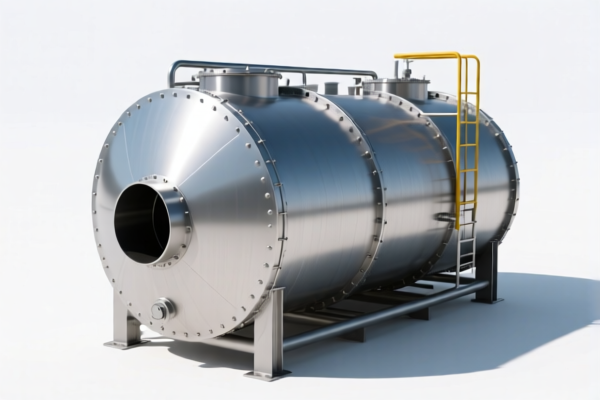
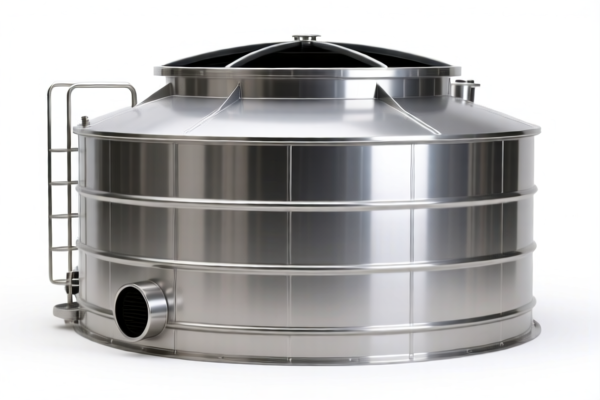
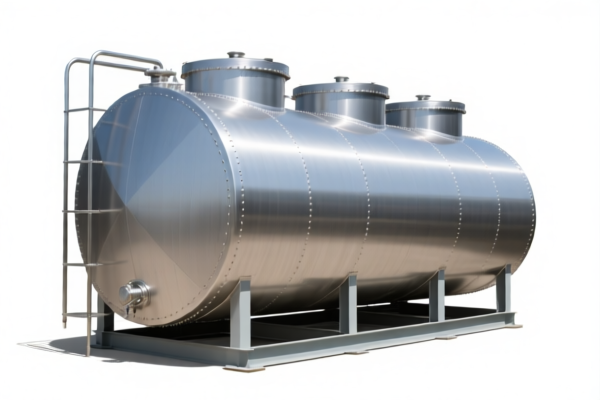
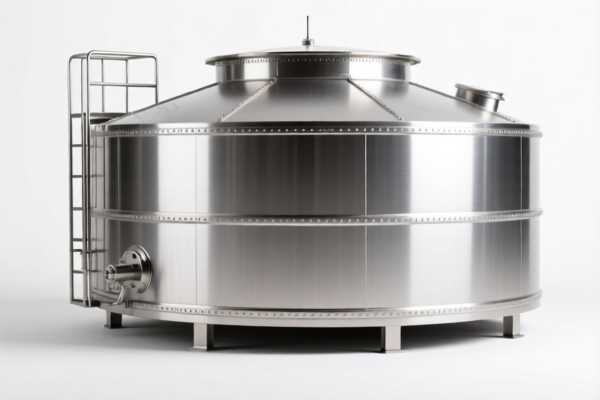
AI分析
🛢️ Coolant Tank (Industrial Storage Tanks)
🌐 HS Code Reference & Clearance Guide | 2026 Latest Tariff Analysis | Professional Entry Strategy
📌 I. Product Definition & Classification: What is a "Coolant Tank"?
In international trade, "Coolant Tank" is a generic functional description, not a specific HS Code descriptor. The correct classification depends entirely on the material composition and specific design structure.
Because the input "Coolant Tank" is ambiguous, we must differentiate between the two most common scenarios based on material inference:
1. Plastic Tanks (Reservoirs/Expansion Tanks)
- Typically made of Polyethylene (PE), Polypropylene (PP), or PVC.
- Often used in automotive coolant reservoirs or small industrial chemical storage.
- Key Feature: Lightweight, corrosion-resistant, molded shape.
2. Metal Tanks (Industrial Storage Vessels)
- Typically made of Steel, Iron, Aluminum, or Copper.
- Used for large-scale industrial cooling systems, liquid nitrogen storage, or high-pressure applications.
- Key Feature: High strength, welded or bolted construction, often insulated.
⚠️ Critical Distinction:
- If the tank is Plastic → It falls under Chapter 39 (Plastics).
- If the tank is Metal → It falls under Chapter 73 (Iron/Steel) or other metal chapters.
- Misclassification Risk: Declaring a steel tank as plastic (or vice versa) will result in severe penalty, as the tariff rates differ drastically (e.g., ~41% vs. ~85%).
📦 II. HS Code Classification Details (2026 Latest Tariff Authority)
Based on the provided data, here are the matched HS Codes for "Coolant Tank" depending on the inferred material:
| HS Code | Material Inference | Product Description & Summary | Application Scenario |
|---|---|---|---|
3925.10.00.00 |
Plastic 🟦 | Plastic tanks and vats. Matched by form (storage vessel) and use (coolant storage). | Plastic expansion tanks, small chemical storage, automotive coolant reservoirs. |
7309.00.00.30 |
Metal (Steel/Aluminum/Copper) 🟥 | Tanks for any material. Matched by use (container for materials) and form (Tanks). Note: Specific note applies to Steel, Aluminum, Copper products. | Large industrial steel tanks, aluminum cooling jackets, copper heat exchangers (if defined as tank). |
7309.00.00.90 |
Iron/Steel 🟥 | Tanks, cisterns, drums, and similar containers. Matched by use (storage/cooling). | Standard iron or steel industrial storage tanks for liquids. |
🔍 Key Insight:
- HS 3925.10 is for Plastic storage vessels.
- HS 7309.00 covers Metal storage vessels (Steel/Iron/Aluminum/Copper).
- Do not guess: You must know the exact material to choose between3925.10and7309.00.
💰 III. 2026 Latest Tariff Rate Breakdown (Detailed Tax Clauses)
✅ Applicable Country: United States (US)
✅ Origin: China (CN)
✅ Effective Date: 2025 November 10 onwards (for subsequent imports)
🎯 1. 3925.10.00.00 —— Plastic Storage Tanks
| Item | Detail |
|---|---|
| Base Tariff | 6.3% (Ad Valorem) |
| Section 301 Tariff | +25.0% |
| Section 122 Tariff | +10.0% (Specific to China imports under 122 clause) |
| Total Tax Rate | 41.3% |
| Calculation Basis | CIF Value × 41.3% |
| De Minimis Eligibility | ❌ No (Denied de minimis) |
| Legal Basis Path | 3925.10.00.00 → Section 301: Footnote 9903.88.01 → Section 122: IEPA:9903.01.25 |
📌 Explanation:
- 6.3%: Standard MFN base rate for plastic articles.
- 25%: Additional tariff under US Trade Act Section 301.
- 10%: Additional tariff under Section 122 (specifically targeting certain Chinese goods).
- Total 41.3% is a high but manageable rate compared to metal tanks.
🎯 2. 7309.00.00.30 —— Metal Tanks (Steel, Aluminum, Copper Specifics)
| Item | Detail |
|---|---|
| Base Tariff | 0.0% |
| Section 301 Tariff | +25.0% |
| Section 122 Tariff | +10.0% |
| Metal-Specific Surcharge | +50.0% (For Steel, Aluminum, Copper products) |
| Total Tax Rate | 85.0% |
| Calculation Basis | CIF Value × 85.0% |
| De Minimis Eligibility | ❌ No (Denied de minimis) |
| Legal Basis Path | 7309.00.00.30 → Section 301 → Section 122 → Metal Surcharge Note |
📌 Warning:
- The 50% metal surcharge is the critical factor. If the tank is made of steel, aluminum, or copper, this additional 50% is applied on top of the 35% (25+10).
- Total 85% is an extremely high tariff. This makes importing metal coolant tanks from China to the US financially challenging.
🎯 3. 7309.00.00.90 —— Other Iron/Steel Tanks
| Item | Detail |
|---|---|
| Base Tariff | 0.0% |
| Section 301 Tariff | +25.0% |
| Section 122 Tariff | +10.0% |
| Metal-Specific Surcharge | +50.0% (For Steel, Aluminum, Copper products) |
| Total Tax Rate | 85.0% |
| Calculation Basis | CIF Value × 85.0% |
| De Minimis Eligibility | ❌ No (Denied de minimis) |
| Legal Basis Path | 7309.00.00.90 → Section 301 → Section 122 → Metal Surcharge Note |
📌 Note:
- Same rate as7309.00.00.30. The distinction between.30and.90is administrative (specific vs. other), but both attract the 50% metal surcharge.
🛠️ IV. Clearance Practical Advice (Pitfall Avoidance Guide)
✅ 1. Essential Documentation Checklist
| Document | Required? | Purpose |
|---|---|---|
| ✅ Material Certificate | YES | Must explicitly state "Plastic (PE/PP)" OR "Steel/Stainless Steel". Critical for HS determination. |
| ✅ Product Photos | YES | Show entire tank, welds (metal) or molded seams (plastic), and labels. |
| ✅ Commercial Invoice | YES | Must clearly state "Coolant Storage Tank" and specify material. |
| ✅ Packing List | YES | Detail weight and dimensions for duty calculation. |
| ✅ Technical Data Sheet | YES | Confirm pressure rating, volume, and intended use (coolant vs. food grade). |
✅ 2. Declaration Strategy (Key Mnemonic)
🔥 "Material First, Tax Last! Plastic Saves, Metal Costs!"
| Scenario | Correct HS Code | Tax Rate | Advice |
|---|---|---|---|
| Plastic Coolant Tank | 3925.10.00.00 |
41.3% | Declare as "Plastic Storage Tank". Provide plastic certification. |
| Steel/Iron Coolant Tank | 7309.00.00.30 / .90 |
85.0% | Declare as "Steel Storage Tank". Expect high duty. Consider cost-benefit analysis. |
| Aluminum/Copper Tank | 7309.00.00.30 / .90 |
85.0% | Same as steel. Do not try to reclassify as "aluminum alloy" to avoid surcharge; CBP checks material composition. |
| Non-China Origin | Varies | Lower | If origin is Vietnam/Mexico, Section 301/122 may not apply. Check Country of Origin carefully! |
✅ 3. Special Handling Tips
| Situation | Recommendation |
|---|---|
| Mixed Materials | If the tank is Steel body + Plastic liner, declare as Steel (7309.00) unless the plastic is the primary character. |
| Small Automotive Tanks | If <50L and for vehicles, check if Chassis Part (8708) applies? Unlikely for standalone coolant tanks, but verify with customs broker. |
| High-Pressure Vessels | If the tank is designed for high pressure, it may fall under Chapter 84 (Pressure Vessels) instead of 7309. Review technical specs! |
| Insulated Tanks | If insulated, still usually 7309 or 3925, but ensure insulation material is declared. |
🌍 V. Global Market Comparison (2026)
| Country/Region | Recommended HS Code | Tariff (China Origin) | Notes |
|---|---|---|---|
| 🇺🇸 USA | 3925.10 / 7309.00 |
41.3% (Plastic) 85.0% (Metal) |
Highest barrier. Metal tanks face 50% surcharge. |
| 🇨🇳 China | 3925.10 / 7309.00 |
~5-9% | Low import duty. High demand for industrial tanks. |
| 🇪🇺 EU | 3925.10 / 7309.00 |
~2.5-4% | No Section 301/122. CE marking required. |
| 🇲🇽 Mexico | 3925.10 / 7309.00 |
0% (under USMCA if local content) | Leverage USMCA for duty-free export to US. |
📌 Conclusion:
- Plastic tanks are significantly cheaper to import into the US (41.3% vs 85.0%).
- Metal tanks face prohibitive tariffs unless manufactured outside China or qualified for exemptions.
📌 VI. Common Errors & Pitfalls (Lessons Learned)
❌ Error 1: Declaring a Steel Tank as "Plastic" to save tax.
👉 Consequence: CBP will inspect and reject. Fraud penalty + back taxes + seizure.
❌ Error 2: Ignoring the 50% Metal Surcharge.
👉 Consequence: Budgeting error. You expect 35% duty, but pay 85%. Profit margin destroyed.
❌ Error 3: Not specifying Material on the Invoice.
👉 Consequence: Customs holds shipment for clarification. Demurrage charges accrue daily.
✅ Correct Action:
"Plastic Coolant Expansion Tank, PE Material, 50L Capacity, Model XYZ"
vs.
"Steel Industrial Coolant Storage Tank, Carbon Steel, 1000L Capacity, Model ABC"
🎯 VII. Conclusion: Professional Declaration, Cost Control!
🎯 Remember the Rule:
🔹 "Plastic 41%, Metal 85%!"
🔹 "Check Material First, Avoid the 50% Surcharge if Possible (by Origin)."
🔹 "Never Guess HS Code for Tanks – Material Defines the Code!"
📌 Pro Tip:
If your coolant tank is originally made in China but you want to avoid the 85% tariff:
1. Relocate Assembly: Final assembly in Mexico or Vietnam.
2. Apply for Exclusion: Check if any Section 301 exclusions apply (rare for basic tanks).
3. Consult a Broker: For pre-classification rulings.
📣 Immediate Action:
📞 Contact your customs broker today.
📝 Provide Material Certificate + Product Photos.
🚀 Confirm HS Code before shipping to avoid 85% shock!
✨ Precise Classification Saves Money!
💼 Don't let an 85% tariff erase your profit!
用户评价
关于 HS 编码归类
协调制度(HS)是由世界海关组织(WCO)制定的国际贸易商品分类标准。全球 200 多个国家采用 HS 系统作为海关关税、贸易统计和进出口监管的基础。
每个 HS 编码遵循以下层级结构:
- 章(2 位)——商品大类(例如:第 84 章:机器和机械设备)
- 品目(4 位)——章内的更具体分类
- 子目(6 位)——国际通用细分,所有 WCO 成员国统一使用
- 本国细分(8-10 位)——各国自行扩展的细分编码,如美国 HTSUS 10 位编码
正确的 HS 编码归类对于顺利通关、准确缴纳关税和遵守贸易法规至关重要。错误归类可能导致海关延误、多缴关税或罚款。
从CN进口到US时,适用的关税税率可能包括:
- 最惠国(MFN)税率——适用于 WTO 成员国的标准关税税率
- 普通税率——适用于无贸易协定国家
- 贸易救济关税——附加关税,如 301 条款(反倾销)、232 条款(国家安全)或反补贴税
本页内容仅供参考。如需正式归类,请咨询当地海关或持牌报关代理。