Copper Nuts and Bolts
CN → US| HS编码 | 关税税率 | 原产国 | 目的国 | 文档 |
|---|---|---|---|---|
| 7415338010 | 88.0% | CN | US | 官方文档 |
| 7415338050 | 88.0% | CN | US | 官方文档 |
| 8309900085 | 37.6% | CN | US | 官方文档 |
| 8309900080 | 37.6% | CN | US | 官方文档 |
| 7318152010 | 85.0% | CN | US | 官方文档 |
商品图片
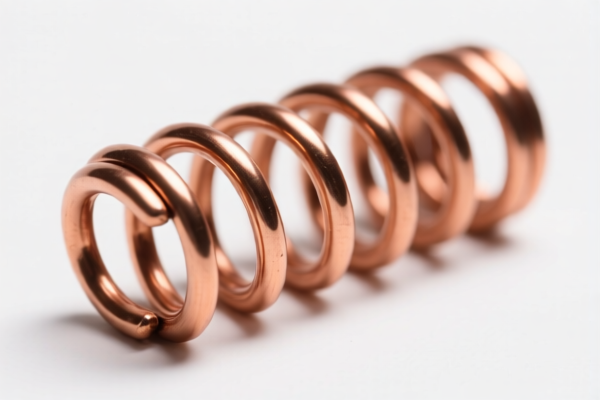
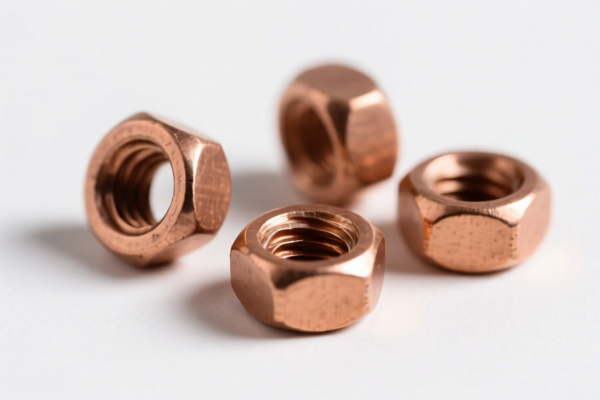
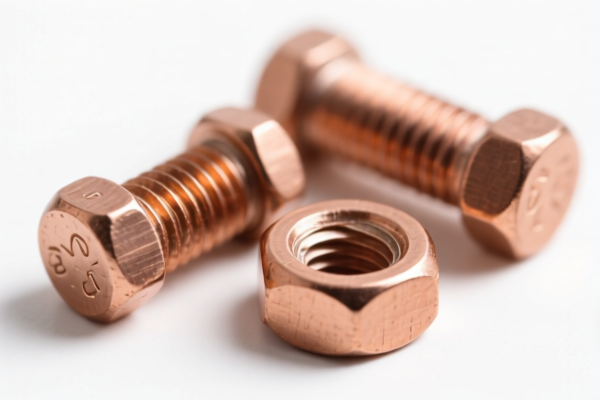
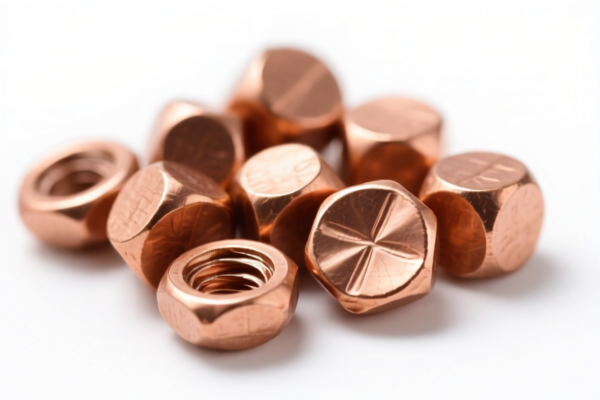
AI分析
🛠️ Copper Nuts & Bolts (Fasteners) – The "High-Tariff Trap" Guide
🌐 HS Code Classification & Clearance Strategy | 2026 Tariff Shock Alert | Expert Customs Compliance
📌 I. Product Definition: Are You Selling "Copper" or "Steel"?
Copper nuts and bolts are critical fasteners used in electrical grounding, marine applications, and specialized plumbing where conductivity or corrosion resistance is key. However, in international trade (especially US-China trade), misclassification is the #1 cause of massive tariff shocks.
⚠️ Critical Distinction:
Copper Fasteners (Chapters 74/83): Subject to 88% effective duty due to Section 301 + IEEPA + 232 overlaps.
Steel/Iron Fasteners (Chapter 73): Subject to 85% effective duty.
Other Metal Fasteners (Chapter 83): Subject to 37.6%* effective duty (the "sweet spot" if applicable).
🚨 Key Warning:
If you declare "Copper Nuts" but the海关 (Customs) detects steel content or misinterprets the material, you face audit risks, back-tariffs, and cargo holds.
The difference between 37.6% and 88% is 50.4% of the CIF value! This is not a typo; it is the cost of incorrect classification.
📦 II. HS Code Classification Matrix (Data-Driven Breakdown)
Based on the provided data, here are the four possible classifications for "Copper Nuts/Bolts" and their corresponding tax liabilities.
| HS Code | Product Description & Logic | Total Tax Rate | Breakdown Details | Risk Level |
|---|---|---|---|---|
7415.33.80.10 |
Copper Nuts: Material is pure copper, form is nut. Matches Chapter 74 (Copper) definition. | 88.0% | Base: 3.0% Sec 301: 25.0% IEEPA (122): 10% Section 232 (Cu/Al/Steel): 50% |
🟥 CRITICAL |
7415.33.80.50 |
Copper Nuts: Identical to above. Fully conforms to Chapter 74 interpretation. | 88.0% | Base: 3.0% Sec 301: 25.0% IEEPA (122): 10% Section 232 (Cu/Al/Steel): 50% |
🟥 CRITICAL |
8309.90.00.85 |
Copper Nuts: Classified as "Other metal accessories" (Seals, caps, similar metal fittings). | 37.6% | Base: 2.6% Sec 301: 25.0% IEEPA (122): 10% Section 232: 0% (Excluded) |
🟢 OPTIMAL |
8309.90.00.80 |
Copper Nuts: Classified as "Other metal fastening/sealing accessories". | 37.6% | Base: 2.6% Sec 301: 25.0% IEEPA (122): 10% Section 232: 0% (Excluded) |
🟢 OPTIMAL |
7318.15.20.10 |
Steel Nuts/Bolts: Material is Iron/Steel, form is threaded. Note: Misdeclared as Copper? | 85.0% | Base: 0.0% Sec 301: 25.0% IEEPA (122): 10% Section 232 (Cu/Al/Steel): 50% |
🟠 HIGH RISK |
🔍 Analysis of the Tax Delta:
Chapter 74 (Copper Direct): Triggers the 50% Section 232 tariff on "Steel, Aluminum, and Copper Products." Result: 88% Total.
Chapter 83 (General Metal Fasteners): Often interpreted as accessories rather than primary copper articles. Result: No 232 Tariff. Total: 37.6%.
Chapter 73 (Steel): Even if misdeclared as steel, it still hits the 50% 232 Tariff because Section 232 covers Steel as well. Result: 85% Total.*
💰 III. Detailed Tariff Breakdown & Legal Basis
🎯 Scenario A: The "Expensive" Path (HS 7415.33.80.10 / .50)
- Product: Pure Copper Nuts/Bolts declared under Chapter 74.
- Total Duty: 88%
- Formula:
Base Duty (3%) + Sec 301 (25%) + IEEPA 122 (10%) + Section 232 (50%) = 88% - Legal Citation:
- Section 232 (19 U.S.C. 1862): Targets national security imports of Steel, Aluminum, and Copper.
- IEEPA (50 U.S.C. 1701): Additional 10% for Chinese goods.
- Section 301: 25% punitive tariff.
🎯 Scenario B: The "Strategic" Path (HS 8309.90.00.85 / .80)
- Product: Copper Fasteners classified as "Other Metal Accessories/Fasteners" (Chapter 83).
- Total Duty: 37.6%
- Formula:
Base Duty (2.6%) + Sec 301 (25%) + IEEPA 122 (10%) = 37.6% - Why is this cheaper?
- NO Section 232 Tariff (0%). Chapter 83 items are often excluded from the "Copper Products" definition in Section 232 rules, or classified differently.
- Savings: You save 50.4% on every dollar of CIF value.
🎯 Scenario C: The "Wrong Material" Path (HS 7318.15.20.10)
- Product: Steel Nuts/Bolts (or misdeclared Copper).
- Total Duty: 85%
- Formula:
Base Duty (0%) + Sec 301 (25%) + IEEPA 122 (10%) + Section 232 (50%) = 85% - Risk: If you ship Copper but declare Steel, and Customs inspects and finds Copper, you will be penalized for fraud and reassessed at 88%. If you ship Steel and declare Steel, you pay 85%.
🛠️ IV. Customs Clearance & Cost Optimization Strategy
✅ 1. Material Verification is Non-Negotiable
- Action: Conduct XRF (X-Ray Fluorescence) testing on samples before shipment.
- Goal: Prove whether the item is >90% Copper (Chapter 74) or an alloy/mixed metal that might fall under Chapter 83.
- Why: If your "copper nuts" are actually brass (Cu-Zn) or bronze, they may still fall under 7415, but if they are coated steel, they are 7318. Accuracy prevents the 88% bill.
✅ 2. Classification Strategy: Fight for HS 8309
- Argument: Argue that the item is a "Fastening Accessory" rather than a primary "Copper Article."
- Evidence: Provide technical datasheets showing the nut is a standard metric/imperial fastener, not a custom cast copper component.
- Benefit: Moving from
7415to8309saves 50.4%. - Pre-Commitment: Apply for a Binding Tariff Information (BTI) or US Advance Ruling to lock in the 37.6% rate before shipping high-volume cargo.
✅ 3. Documentation Must Match
- Commercial Invoice Description:
- ❌ Bad: "Copper Nut"
- ✅ Good: "Metal Fastener, Brass/Copper Alloy, Hex Nut, Standard Thread, HS 8309.90.00.85"
- Packing List: Ensure no steel packaging or inserts are mixed in, which could trigger a 232 audit on the entire container.
✅ 4. Avoid the "Steel" Trap
- If you are shipping Steel Nuts (e.g., stainless steel with copper plating), be aware they likely fall under 7318.
- Tax: 85%.
- Strategy: There is no easy way to avoid the 232 tariff on steel fasteners under current US law. Focus on cost reduction via supply chain efficiency elsewhere.
🌍 V. Global Market Comparison (2026 Context)
| Market | Recommended HS Code | Est. Duty Rate | Key Requirement |
|---|---|---|---|
| 🇺🇸 USA | 8309.90.00.85 |
37.6% | Must prove exclusion from 232 Copper rules. Aggressive classification. |
| 🇨🇳 China | 7318.15 |
~5-10% | Standard import duty. No Section 232. |
| 🇪🇺 EU | 7318.15 / 7415 |
0-2.7% | Generally low duties. No Section 301/232 equivalents. |
| 🇬🇧 UK | 7318.15 |
~0-5% | Post-Brexit tariffs are competitive. |
💡 Insight: The US is the only major market penalizing copper/steel fasteners with ~50% additional security tariffs. For EU/Asia exports, HS classification is straightforward and cheap.
📌 VI. Common Pitfalls & Bloodied Lessons
❌ Pitfall 1: Assuming "Copper" automatically means Chapter 74.
👉 Result: You pay 88%. Customs allows Chapter 83 for "accessories," saving you money.
✅ Fix: Classify as "Metal Fastener Accessory" (HS 8309) if technically defensible.
❌ Pitfall 2: Ignoring the "122 Clause" (IEEPA 10%).
👉 Result: Even if you negotiate base duties down, the 10% IEEPA stays.
✅ Fix: Factor this into all Landed Cost Calculations. It applies to all Chinese-origin goods regardless of HS Code.
❌ Pitfall 3: Mixing Steel and Copper in one shipment.
👉 Result: Customs may audit the entire container and apply the highest risk rate (232) to all items if not clearly segregated.
✅ Fix: Ship Steel and Copper fasteners in separate containers or clearly demarcated packages with different HS Codes on the same invoice.
🎯 VII. Conclusion: Action Plan for Importers
- Test Your Material: Is it truly Copper? If yes, aim for HS 8309 to avoid the 50% 232 tariff.
- Calculate Landed Cost:
- If HS 7415: Add 88% to CIF.
- If HS 8309: Add 37.6% to CIF.
- Savings: 50.4% per unit.
- Request Advance Ruling: Submit specs to US CBP to get written confirmation of HS 8309 eligibility.
- Document Precision: Use terms like "Metal Fastening Accessory" rather than just "Copper Part" in ambiguous cases.
📣 Immediate Action Required:
🔍 Audit your current HS Codes for Copper Fasteners.
📉 Switch from 7415 to 8309 if possible to save $50,000 per $100,000 shipment.
📞 Consult a Customs Broker specializing in Section 232 exemptions.
✨ Precision Classification is Profit Preservation.
💼 Don't let a 4-digit HS Code cost you your margin.
用户评价
关于 HS 编码归类
协调制度(HS)是由世界海关组织(WCO)制定的国际贸易商品分类标准。全球 200 多个国家采用 HS 系统作为海关关税、贸易统计和进出口监管的基础。
每个 HS 编码遵循以下层级结构:
- 章(2 位)——商品大类(例如:第 84 章:机器和机械设备)
- 品目(4 位)——章内的更具体分类
- 子目(6 位)——国际通用细分,所有 WCO 成员国统一使用
- 本国细分(8-10 位)——各国自行扩展的细分编码,如美国 HTSUS 10 位编码
正确的 HS 编码归类对于顺利通关、准确缴纳关税和遵守贸易法规至关重要。错误归类可能导致海关延误、多缴关税或罚款。
从CN进口到US时,适用的关税税率可能包括:
- 最惠国(MFN)税率——适用于 WTO 成员国的标准关税税率
- 普通税率——适用于无贸易协定国家
- 贸易救济关税——附加关税,如 301 条款(反倾销)、232 条款(国家安全)或反补贴税
本页内容仅供参考。如需正式归类,请咨询当地海关或持牌报关代理。