Cord for Socks
CN → US| HS编码 | 关税税率 | 原产国 | 目的国 | 文档 |
|---|---|---|---|---|
| 5605009000 | 48.2% | CN | US | 官方文档 |
| 6115966010 | 36.3% | CN | US | 官方文档 |
| 6115940000 | 28.8% | CN | US | 官方文档 |
商品图片
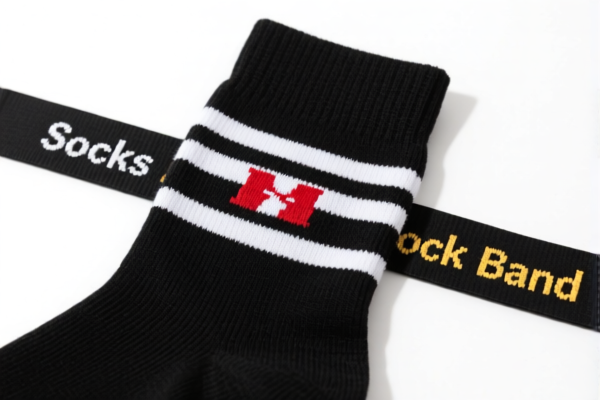
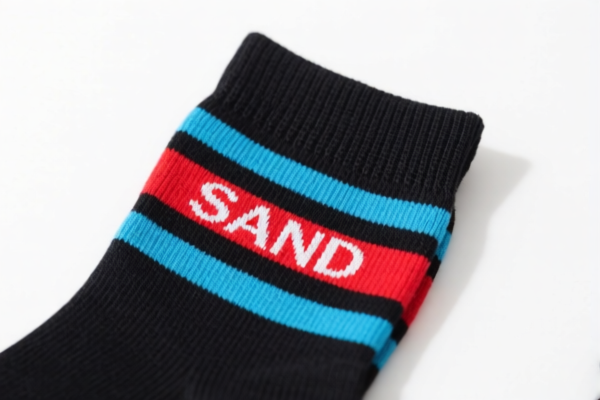
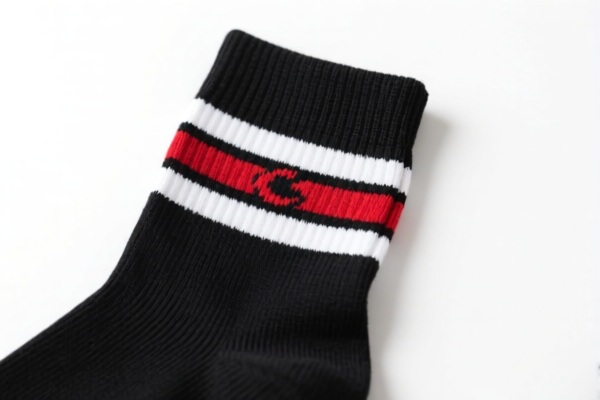
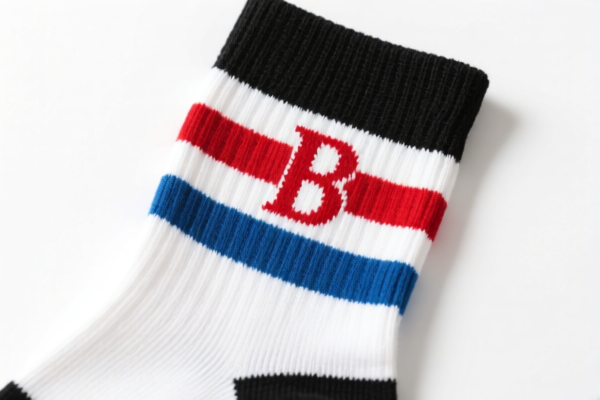
AI分析
🧦 Cord for Socks (Textile Cords/Togglers)
🌐 HS Code Reference & Customs Clearance Guide | 2026 Latest Tariff Analysis | Professional Classification Strategy 📌 Part I: Product Definition & Classification — Do You Really Know What "Cord for Socks" Is?
"Cord for Socks" (often referred to as toggles, drawstrings, aglets, or elastic cords used in sock manufacturing) is a specialized textile component. In international trade, its classification depends heavily on its material composition and physical form:
- Metalized/Synthetic Yarn Cords: If the cord is made of metallic yarn, coated fibers, or complex braided textiles designed specifically for finishing garments, it may fall under "Metalized Yarn" or specific "Other Textile Yarns."
- Finished Socks (with integrated cord): If the product being imported is actually the sock itself (which includes the elastic cord as an integral functional part), it must be classified under the heading for Socks, not the cord itself.
⚠️ Critical Distinction:
- If importing loose cords/toggles only → Classify under Heading 5605 (Metalized Yarn) or 5607/5609 depending on construction. - If importing socks (even with elastic drawstrings) → Classify under Heading 6115 (Socks). - Common Error: Importing socks but declaring them as "Cords" to avoid higher tariffs on apparel. This is high-risk and leads to penalties.
📦 Part II: HS Code Classification Details (2026 Latest Tariff Authority Cross-Reference)
Based on the provided data, we analyze three potential scenarios. Note that Data Source 1 classifies "Cords for Socks" as a raw material/component, while Data Sources 2 & 3 classify "Socks" as the finished article.
| HS Code | Product Description | Application Scenario | Material/State |
|---|---|---|---|
5605.00.90.00 |
Metalized Yarn / Cord for Socks | Raw material: Braided, metallic-coated, or synthetic cords used to make socks | ✅ Component/Material |
6115.96.60.10 |
Socks (Other Knitted/Crocheted) | Finished product: Socks made of synthetic fibers (e.g., nylon, polyester) with integrated elastic/cords | ✅ Finished Apparel |
6115.94.00.00 |
Socks (Other Knitted/Crocheted) | Finished product: Socks made of other textile materials (e.g., cotton blends, wool blends) | ✅ Finished Apparel |
🔍 Key Insight:
- Scenario A: You are importing bulk cords/toggles to be used in sock manufacturing in your country. → Use5605.00.90.00.
- Scenario B: You are importing finished socks from a factory. Even if the seller calls it "Cord for Socks" colloquially, if it's a wearable item, it must be6115.96.60.10or6115.94.00.00.
- Scenario C: Misclassification. Do not declare finished socks as "Cords" (5605) to save taxes. Customs will inspect and reclassify, leading to back-taxes and fines.
💰 Part III: 2026 Latest Tariff Rate Breakdown (Including Surcharges & Policy Add-ons)
✅ Applicable Country: USA (US)
✅ Origin: China (CN)
✅ Effective Date: Post-November 2025 (Current Trade War Status)
🎯 1. 5605.00.90.00 — Metalized Yarn / Cord for Socks (Component)
| Item | Content |
|---|---|
| Base Duty Rate | 13.2% (ad valorem) |
| Section 301 Surcharge | +25.0% (From USITC Footnote 9903.88.01) |
| 122 Provision Surcharge | +10.0% (Specific provision for certain textile components/cords) |
| Total Effective Tax Rate | 48.2% |
| Tax Calculation | CIF Value × 48.2% |
| De Minimis Eligibility | ❌ Not Eligible (Textile components often excluded or subject to strict scrutiny) |
| Legal Basis Path | USITC:5605.00.90.00 → SECTION301:9903.88.01 → PROVISION122 |
📌 Explanation:
- This classification applies if you are importing only the cords/toggles.
- The 48.2% rate is extremely high due to the combination of base tariff (13.2%), Section 301 (25%), and the specific 122 Clause (10%).
- Strategy: This is a high-cost raw material. Consider sourcing cords from Vietnam/Mexico if possible to avoid China-origin surcharges.
🎯 2. 6115.96.60.10 — Socks (Synthetic Fiber, Other)
| Item | Content |
|---|---|
| Base Duty Rate | 18.8% (ad valorem) |
| Section 301 Surcharge | +7.5% (Standard apparel surcharge for certain categories) |
| 122 Provision Surcharge | +10.0% (Applied to textile apparel items) |
| Total Effective Tax Rate | 36.3% |
| Tax Calculation | CIF Value × 36.3% |
| De Minimis Eligibility | ❌ Not Eligible (Apparel is strictly scrutinized under de minimis) |
| Legal Basis Path | USITC:6115.96.60.10 → SECTION301 → PROVISION122 |
📌 Explanation:
- Applies to finished socks made of synthetic fibers (e.g., polyester, nylon).
- 36.3% is lower than the component rate (5605), but still high.
- Strategy: Ensure the description clearly states "Socks" not "Cords." Misdeclaration is a major audit risk.
🎯 3. 6115.94.00.00 — Socks (Other Textile Material)
| Item | Content |
|---|---|
| Base Duty Rate | 11.3% (ad valorem) |
| Section 301 Surcharge | +7.5% (Standard apparel surcharge) |
| 122 Provision Surcharge | +10.0% (Applied to textile apparel items) |
| Total Effective Tax Rate | 28.8% |
| Tax Calculation | CIF Value × 28.8% |
| De Minimis Eligibility | ❌ Not Eligible |
| Legal Basis Path | USITC:6115.94.00.00 → SECTION301 → PROVISION122 |
📌 Explanation:
- Applies to finished socks made of materials other than synthetic fibers (e.g., cotton, wool, blends).
- 28.8% is the lowest rate among the three, but only if the socks are not primarily synthetic.
- Strategy: If your socks are cotton-blend, this is the most cost-effective classification. Ensure material content % is accurately declared.
🛠️ Part IV: Customs Clearance Operational Advice (Practical Pitfall Avoidance)
✅ 1. Documentation Checklist (Non-negotiable)
| Document | Required? | Description |
|---|---|---|
| ✅ Commercial Invoice | ✔️ | Must clearly state "Socks" or "Cords" — no vague terms like "Textile Accessories." |
| ✅ Packing List | ✔️ | Detail items: If socks, list quantity per pair. If cords, list weight/meters. |
| ✅ Product Description | ✔️ | For Socks: "Knitted Cotton Socks, Size M, with Elastic Cuff." For Cords: "Metalized Synthetic Cord, 2mm diameter, for textile use." |
| ✅ Material Content Declaration | ✔️ | Crucial for distinguishing 6115.96 (Synthetic) vs 6115.94 (Other). |
| ✅ Fiber Content Label | ✔️ | US Customs requires clear labeling on the product itself. |
| ✅ Certificate of Origin | ✔️ | To verify China origin and apply correct Section 301/122 rates. |
✅ 2. Classification Strategy (Key Rules)
🔥 “Finished Goods Win, Components Lose, Material Matters!”
| Scenario | Correct HS Code | Why? |
|---|---|---|
| Importing Finished Socks | 6115.96.60.10 or 6115.94.00.00 |
The sock is the essential character. The cord is just a part. |
| Importing Bulk Cords/Toggles | 5605.00.90.00 |
Only the raw material is being imported. |
| Mixed Shipment (Socks + Extra Cords) | Split Classification | Declare socks under 6115 and extra cords under 5605. Do not lump them. |
| Socks with No Elastic/Cord | 6115.96.60.10 or 6115.94.00.00 |
Classification remains the same; the cord is optional. |
📌 Critical Warning:
- Do NOT declare finished socks as "Cords" (5605) to avoid the 36.3%/28.8% apparel tax.
- Customs officers will inspect. If they find socks, they will reclassify to6115, apply the correct (or higher) duty, plus penalties for misdeclaration.
- The 48.2% on cords is punitive for raw materials. The 28.8%-36.3% on socks is standard for apparel.
✅ 3. Special Cases & Handling
| Situation | Recommendation |
|---|---|
| OEM Custom Socks | Provide design specs showing the cord is integrated. Must use 6115. |
| Sample Shipment | Even samples are subject to duty. Use same HS Code. No de minimis exemption for textiles. |
| Cord Only (No Socks) | Ensure the invoice says "Cords for Socks" not "Socks." Provide sample images. |
| Mixed Material Socks | Use the principal material rule. If >50% synthetic → 6115.96. If >50% cotton → 6115.94. |
🌍 Part V: Global Market Comparison (2026 Latest)
| Country/Region | Recommended HS Code | Estimated Duty (China Origin) | Notes |
|---|---|---|---|
| 🇺🇸 USA | 5605.00.90.00 (Cord) |
48.2% | Highest rate. Section 301 + 122 Clause. |
| 🇺🇸 USA | 6115.96.60.10 (Sock Synth) |
36.3% | Standard apparel rate. |
| 🇺🇸 USA | 6115.94.00.00 (Sock Other) |
28.8% | Lowest rate, but strict material proof. |
| 🇨🇳 China | 6115.96.60.10 |
~15% | No Section 301/122. |
| 🇪🇺 EU | 6115.96.60.10 |
~12% | No anti-dumping on socks generally. |
📌 Conclusion:
- USA is the most expensive market for textile components and apparel due to Section 301 + 122 Clause.
- Raw Material (Cord) Tax > Finished Sock Tax in some cases due to punitive clauses on specific textile inputs.
- Strategy: If you are a manufacturer, consider substantial transformation in a third country (e.g., Vietnam) to change origin and reduce US tariffs.
📌 Part VI: Common Mistakes & Pitfall Guide (Lessons Learned)
❌ Mistake 1: Declaring socks as "Textile Cords" to avoid higher apparel duties.
👉 Consequence: Customs reclassification → Back-taxes (up to 48.2% vs 28.8%) + Penalties + Delay.
❌ Mistake 2: Not specifying material content for socks.
👉 Consequence: Customs uses default "Other Textile" → May misclassify between 28.8% and 36.3%.
❌ Mistake 3: Ignoring the 122 Clause.
👉 Consequence: Many importers forget the 10% 122 surcharge, leading to underpayment and interest charges.
❌ Mistake 4: Using "De Minimis" ($800) for textile shipments.
👉 Consequence: Textiles are excluded from de minimis in many cases or heavily scrutinized. Expect full duty payment.
✅ Correct Action:
“Knitted Socks, 80% Cotton, 20% Polyester, with Elastic Cuff, Size M, 12 Pairs/Carton, Made in China.”
🎯 Part VII: Conclusion — Professional Classification Saves Money!
🎯 Remember:
🔹 “Cords are 48%, Socks are 29-36%. Don’t mix them!”
🔹 “Material content dictates the sock rate. Synthetic is 36%, Cotton is 29%.”
🔹 “122 Clause adds 10% to everything. Plan for it!”
📌 Pro Tip:
If your supply chain allows, consider sourcing cords from non-China origins to reduce the 48.2% component tax, or sourcing finished socks from Vietnam/Mexico to avoid US Section 301 and 122 surcharges entirely.
📣 Immediate Action:
📞 Consult a licensed customs broker for Advance Ruling if your product is borderline.
📸 Take clear photos of the product label and packaging.
📄 Prepare accurate Fiber Content Declarations.
✨ Professional Clearance Starts with Accurate Classification!
💼 Every percentage point saved is pure profit!
用户评价
关于 HS 编码归类
协调制度(HS)是由世界海关组织(WCO)制定的国际贸易商品分类标准。全球 200 多个国家采用 HS 系统作为海关关税、贸易统计和进出口监管的基础。
每个 HS 编码遵循以下层级结构:
- 章(2 位)——商品大类(例如:第 84 章:机器和机械设备)
- 品目(4 位)——章内的更具体分类
- 子目(6 位)——国际通用细分,所有 WCO 成员国统一使用
- 本国细分(8-10 位)——各国自行扩展的细分编码,如美国 HTSUS 10 位编码
正确的 HS 编码归类对于顺利通关、准确缴纳关税和遵守贸易法规至关重要。错误归类可能导致海关延误、多缴关税或罚款。
从CN进口到US时,适用的关税税率可能包括:
- 最惠国(MFN)税率——适用于 WTO 成员国的标准关税税率
- 普通税率——适用于无贸易协定国家
- 贸易救济关税——附加关税,如 301 条款(反倾销)、232 条款(国家安全)或反补贴税
本页内容仅供参考。如需正式归类,请咨询当地海关或持牌报关代理。