Cork Flooring Material
CN → US| HS编码 | 关税税率 | 原产国 | 目的国 | 文档 |
|---|---|---|---|---|
| 6808000000 | 35.0% | CN | US | 官方文档 |
| 4504104000 | 35.0% | CN | US | 官方文档 |
| 4504103000 | 35.0% | CN | US | 官方文档 |
| 4504105000 | 35.0% | CN | US | 官方文档 |
| 6808000000 | 35.0% | CN | US | 官方文档 |
商品图片
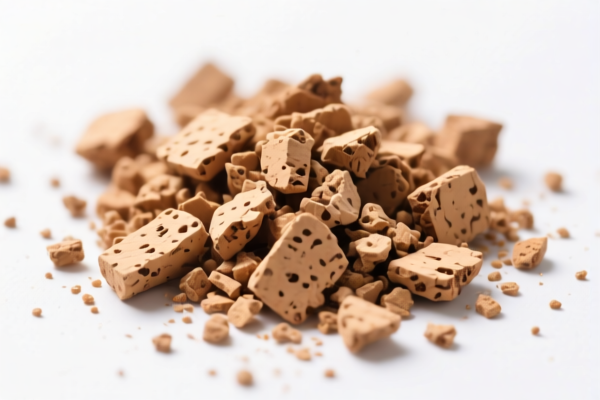
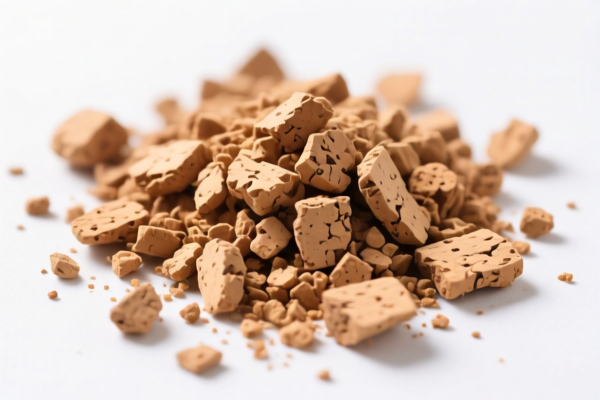
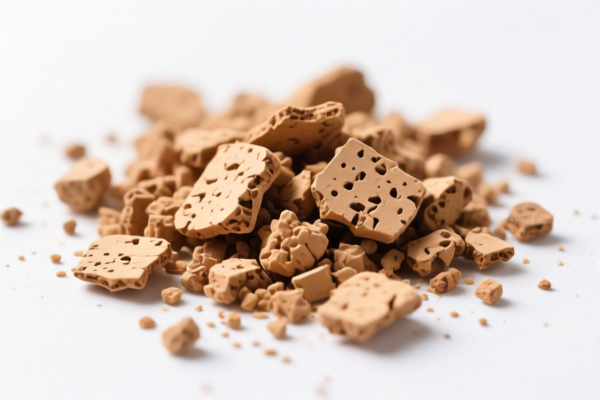
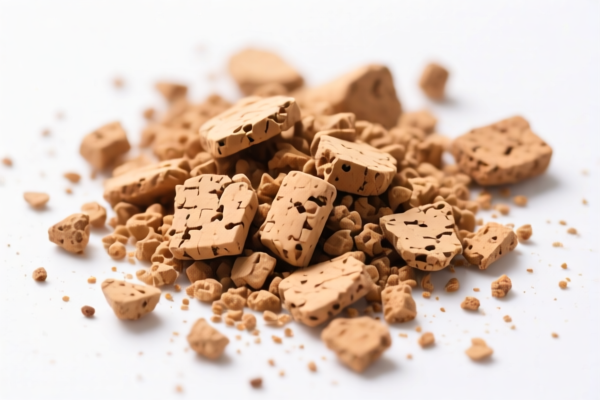
AI分析
🍷 Cork Flooring Material (Building Insulation & Construction Products)
🌐 HS Code Reference & Customs Clearance Guide | 2026 Latest Tariff Analysis | Professional Level Clearance Strategy
📌 I. Product Definition & Classification: Do You Really Understand "Cork Flooring"?
Cork flooring, a sustainable and eco-friendly building material, is derived from the bark of the cork oak tree. In international trade, it is strictly classified based on its form factor and usage purpose, specifically falling under categories of building materials or insulation materials.
Key Distinction Logic: 1. Raw/Processed Cork Blocks/Planks (45xx Series): If the cork is processed into plates, sheets, strips, or blocks specifically for construction (e.g., wall tiles, underlayment, specific architectural finishes), it often falls under Chapter 45. 2. Composite/Insulation Cork (6808.00): If the cork is agglomerated (glued/pressed) with binders to form boards, slabs, or shapes primarily for thermal/acoustic insulation or general building construction, it falls under Heading 6808.
⚠️ Critical Classification Point:
- If the product is agglomerated cork boards used for insulation or general building lining → 6808.00.00.00
- If the product is natural cork sheets/planks used for wallpaper backing or specific building panels → 4504.10.xxxx
- Note: All listed HS Codes below are subject to high US tariffs.
📦 II. HS Code Classification Details (2026 Latest Tariff Authority Cross-Reference)
| HS Code | Product Description | Application Scenario | Material/Form Nature |
|---|---|---|---|
6808.00.00.00 |
Cork building construction materials or insulation materials, in the form of plates/products, made of vegetable fibers/wood | Agglomerated cork boards, cork slabs for flooring underlayment, wall insulation | ✅ Plant fiber/wood-based agglomerated |
4504.10.40.00 |
Cork material, shape fits building attributes, such as paper-supported or reinforced wallpaper | Cork backing for wallpaper, thin cork sheets for interior decoration | ✅ Natural cork processed sheets |
4504.10.30.00 |
Cork material, usage for building construction, covering tiles, plates, blocks, etc. | Natural cork tiles, cork planks for direct flooring (non-agglomerated) | ✅ Natural cork structural components |
4504.10.50.00 |
Cork material, form as plates, sheets, strips, belonging to insulation materials or other categories | Cork strips for sealing, thin cork insulation boards | ✅ Natural cork flexible forms |
6808.00.00.00 |
Cork insulation material, form as plates, block-shaped products, made of wood/plant fiber waste | Recycled cork agglomerates, cork dust pressed into building boards | ✅ Wood/plant fiber waste based |
🔍 Key Reminder:
- Whether it is natural cork planks or agglomerated cork boards, as long as they are intended for building construction or insulation, they are highly susceptible to Section 301 and IEEPA tariffs. - Misdeclaring "insulation boards" as "paper products" or vice versa to avoid tax will result in severe penalties. The physical form (rigid board vs. flexible sheet) determines the exact sub-heading.
💰 III. 2026 Latest Tariff Rate Details (Including Surcharges, Policy Add-ons)
✅ Applicable Country: United States (US)
✅ Origin: China (CN)
✅ Effective Time: Ongoing (High Tariff Regime)
All HS Codes listed in the data share the same total tax burden of 35.0%. Here is the detailed breakdown:
🎯 1. 6808.00.00.00 & 4504.10.xxxx Series —— Cork Building/Insulation Materials
| Item | Content |
|---|---|
| Base Tariff Rate | 0.0% (ad valorem) |
| Section 301 Surcharge | +25.0% (USITC Duty Exclusion List Note 9903.88.01) |
| IEEPA Section 122 Tariff | +10.0% (Targeting Chinese products, effective from Nov 10, 2025) |
| Total Tariff Rate | 35.0% |
| Tax Calculation | CIF Value × 35% |
| De Minimis Exemption Available? | ❌ No (deny_de_minimis) |
| Legal Basis Path | IEEPA:122 → USITC:9903.88.01 → HS:6808.00.00.00 / 4504.10.xxxx |
📌 Explanation:
- "Section 301 Surcharge 25%": Imposed under the U.S. Trade Act of 1974, Section 301, targeting goods from China due to intellectual property and market access concerns. - "IEEPA 10%": Imposed under the International Emergency Economic Powers Act, specifically adding a 10% surcharge on certain Chinese imports (often referred to as the "122 Clause Tariff" in trade compliance systems). - Combined Rate of 35%: This is a significant cost factor. Unlike electronics which may face 45-75%, cork faces a solid 35%. There is no de minimis exemption for these specific codes when originating from China, meaning even small packages are fully taxed.
🛠️ IV. Customs Clearance Practical Advice (Battle-Tested Pitfall Avoidance Guide)
✅ 1. Required Documentation Checklist (None are optional)
| Document | Mandatory | Explanation |
|---|---|---|
| ✅ Product Spec Sheet | ✔️ | Must specify: Material (100% natural vs. agglomerated), Dimensions, Density, Fire Rating (ASTM E84). |
| ✅ Composition Declaration | ✔️ | Clearly state if binders/glues are used (affects classification between 45xx and 6808). |
| ✅ Product Photos | ✔️ | Show cross-section to prove "agglomerated" vs "solid" nature. Label must be visible. |
| ✅ Commercial Invoice | ✔️ | Use precise description: "Cork Flooring Underlayment - Agglomerated" or "Natural Cork Planks". Avoid vague terms like "Building Material". |
| ✅ Certificate of Origin (CO) | ✔️ | Essential for proving China origin to apply correct tariffs. |
| ✅ MSDS (if applicable) | ✔️ | If chemical binders are used in agglomerated cork, MSDS may be required for safety compliance. |
✅ 2. Declaration Techniques (Key Mnemonics)
🔥 “Form Determines Code, Origin Determines Tax!”
| Scenario | Correct Declaration | Incorrect Practice |
|---|---|---|
| Agglomerated Cork Boards (glued cork granules) | 6808.00.00.00 - "Cork Insulation Boards" |
Declaring as "Wood Board" (6808) vs "Cork" (4504) affects classification but not the 35% rate. Be precise to avoid inspection delays. |
| Natural Cork Planks/Sheets | 4504.10.30.00 or 4504.10.40.00 |
Declaring as "Paper" or "Textile" → High risk of seizure + back taxes. |
| Cork + Rubber Composite | Still likely 6808 or 4016 |
If rubber content is dominant, it might shift to 4016, but still subject to 35%+ for China origin. Do not assume rubber bypasses cork tariffs. |
| Small Samples | Declare accurately | ❌ Do not use de minimis (Section 321) to hide value if the HS code is flagged. The data explicitly states deny_de_minimis. |
✅ 3. Special Situation Handling
| Situation | Handling Advice |
|---|---|
| Private Label/OEM | Provide brand authorization and original design specs. Ensure the supplier's invoice matches the shipper's details. |
| Mixed Containers | If shipping cork flooring with non-China origin goods (e.g., from Vietnam), separate bills of lading are recommended. Do not mix origin in one line item to avoid complex origin scrutiny. |
| Fire-Rated Cork | If marketed as "Fireproof Cork Insulation", ensure you have UL or FM approval documents ready. Customs may inspect for safety compliance. |
| Renovation vs. New Construction | The HS code remains the same. However, if it's "used" cork, different rules apply. Assume new for these codes. |
🌍 V. Global Market Comparison for Cork Flooring (2026 Latest)
| Country/Region | Recommended HS Code | Tariff (China Origin) | Certification Requirements | Notes |
|---|---|---|---|---|
| 🇺🇸 USA | 6808.00.00.00 / 4504.10.xxxx |
35% (25% Sec 301 + 10% IEEPA) | ASTM E84 (Fire), CARB P2 (Formaldehyde if composite) | High Barrier. 35% is significant. |
| 🇨🇳 China | 6808.00.00.00 |
0% - 5% (Import Duty) | CCC (if applicable), GB Standards | Domestic production is huge. |
| 🇪🇺 EU | 4504.10 / 6808.10 |
0% - 2% (Most Favored Nation) | CE Marking, REACH, FSC (Sustainability) | No anti-dumping duties on cork generally. |
| 🇨🇦 Canada | 6808.00.00 |
0% - 5% | FSC, CSA (Safety) | CUSMA benefits may apply if sourced from Mexico/US. |
| 🇦🇺 Australia | 6808.00.00 |
5% | Australian Building Codes Board (ABCB) compliance | Stable market, lower tariffs than US. |
📌 Conclusion:
- The US market is the most expensive for Chinese cork flooring due to the 35% total tariff burden. - EU and Canada offer much better tariff environments (0-5%), but have strict sustainability (FSC) and formaldehyde (CARB/REACH) regulations. - Supply Chain Strategy: Many manufacturers are shifting agglomeration processes to Vietnam or Portugal to bypass the China-specific IEEPA/301 surcharges. Consider Transshipment Legality: Simple transshipment (without substantial transformation) is illegal. Substantial transformation (e.g., cutting, pressing, gluing) in a third country may be required to change the Country of Origin.
📌 VI. Common Errors & Pitfall Guide (Lessons from Blood & Tears)
❌ Error 1: Declaring "Agglomerated Cork" as "Wood Particles" (4414)
👉 Consequence: HS Code mismatch. Customs will reclassify to 6808, assess 35% tax, and may impose penalties for misdeclaration.
👉 Reality: Cork is a distinct material from wood, even if agglomerated.
❌ Error 2: Trying to use De Minimis (Section 321) for < $800 shipments
👉 Consequence: The data explicitly states deny_de_minimis for these HS codes. The package will be held, taxed 35%, and possibly destroyed or returned.
👉 Reality: For B2B shipments, this is irrelevant. For B2C, this is a critical blockage point.
❌ Error 3: Ignoring the "122 Clause" (IEEPA 10%)
👉 Consequence: Only paying the 25% Section 301 tax.
👉 Reality: The 10% IEEPA surcharge is separate and additive. Total is 35%, not 25%.
❌ Error 4: Vague Description "Cork Material"
👉 Consequence: CBP issues an Information Request (IR), delaying clearance by weeks.
👉 Reality: Use precise terms: "Agglomerated Cork Insulation Board, 10mm thick, used for flooring underlayment."
✅ Correct Practice:
"CORK FLOORING UNDERLAYMENT, AGGLOMERATED CORK RUBBER COMPOSITE, 10MM X 1000MM X 1000MM, FOR RESIDENTIAL INSTALLATION, MODEL ABC-10"
🎯 VII. Conclusion: Professional Declaration, Save Time, Reduce Costs!
🎯 Remember the Mantra:
🔹 "Cork is Cork, 35% Tax, No De Minimis!"
🔹 "Agglomerated is 6808, Natural is 4504, Both Pay 35%!"
🔹 "Check the 122 Clause, Don't Let the 10% Slip by!"
📌 Tips:
- If your cork flooring is sourced from Portugal, Spain, or Vietnam, you may avoid the 35% US tariff (tariffs range 0-5%).
- For US domestic sales, ensure you have FSC Certification to meet green building standards (LEED), which adds value beyond just tariff avoidance.
- Advance Ruling: Highly recommended for large volume imports to get a binding determination from CBP on whether your specific composite cork falls under 6808 or 4504 and confirm the tariff application.
📣 Immediate Action:
📞 Contact your customs broker + Provide cross-section photos + Verify Country of Origin
🚀 Ensure your cork flooring lands smoothly, clears quickly, and protects your margin!
✨ Professional Customs Clearance Starts with Accurate Classification!
💼 Every 35% counts. Every declaration matters.
用户评价
关于 HS 编码归类
协调制度(HS)是由世界海关组织(WCO)制定的国际贸易商品分类标准。全球 200 多个国家采用 HS 系统作为海关关税、贸易统计和进出口监管的基础。
每个 HS 编码遵循以下层级结构:
- 章(2 位)——商品大类(例如:第 84 章:机器和机械设备)
- 品目(4 位)——章内的更具体分类
- 子目(6 位)——国际通用细分,所有 WCO 成员国统一使用
- 本国细分(8-10 位)——各国自行扩展的细分编码,如美国 HTSUS 10 位编码
正确的 HS 编码归类对于顺利通关、准确缴纳关税和遵守贸易法规至关重要。错误归类可能导致海关延误、多缴关税或罚款。
从CN进口到US时,适用的关税税率可能包括:
- 最惠国(MFN)税率——适用于 WTO 成员国的标准关税税率
- 普通税率——适用于无贸易协定国家
- 贸易救济关税——附加关税,如 301 条款(反倾销)、232 条款(国家安全)或反补贴税
本页内容仅供参考。如需正式归类,请咨询当地海关或持牌报关代理。