Cotton Fabric Roll
CN → US| HS编码 | 关税税率 | 原产国 | 目的国 | 文档 |
|---|---|---|---|---|
| 5209110050 | 41.5% | CN | US | 官方文档 |
| 5209210050 | 42.7% | CN | US | 官方文档 |
| 5211110050 | 42.7% | CN | US | 官方文档 |
| 5211202150 | 43.4% | CN | US | 官方文档 |
| 5208114020 | 44.0% | CN | US | 官方文档 |
商品图片
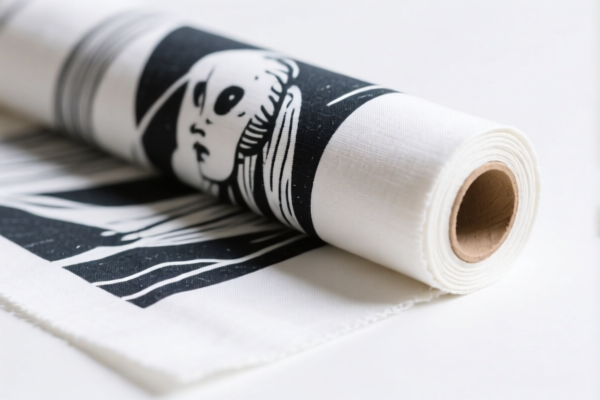

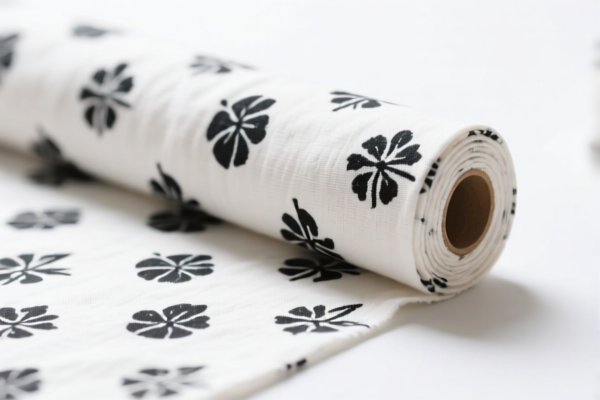
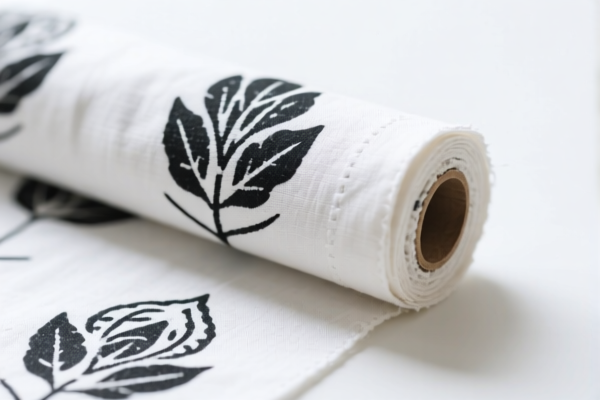
AI分析
🧶 Cotton Fabric Rolls (Cotton Fabric Roll)
🌐 HS Code Reference & Customs Clearance Guide | 2026 Latest Tariff Analysis | Professional Clearance Strategy
📌 I. Product Definition & Classification: Do You Really Understand "Cotton Fabric"?
Cotton fabric rolls are essential raw materials in the textile and apparel industry. In international trade, they are classified based on fiber content, weave density, and physical form (rolled vs. cut). Misclassification can lead to severe penalties, especially when dealing with complex tariff structures like the "Section 301" and "Section 122" add-on tariffs.
Key Distinctions in Classification:
* Pure Cotton vs. Blends: Is it 100% cotton or a cotton blend? This drastically changes the HS Code prefix (e.g., 5208 vs. 5211).
* Weight & Weave: The specific weight per square meter (gsm) determines the sub-heading.
* Form: "Rolled" implies uncut continuous fabric, which must be declared as such to avoid misclassification as finished goods.
⚠️ Critical Compliance Point:
- If the fabric is 100% Cotton, it generally falls under Chapter 5208, 5209, or 5210.
- If the fabric contains other fibers mixed with cotton (but cotton is the primary component), it may fall under 5211.
- Do not confuse "Cotton Fabric" with "Knitted Fabric" (Chapter 60) or "Non-woven" (Chapter 56). These are strictly Woven goods.
📦 II. HS Code Classification Details (Based on Provided Data)
The following HS Codes and Tax Rates are derived strictly from the provided dataset. Note that all listed items are subject to significant additional tariffs.
| HS Code | Product Description | Classification Logic | Total Tax Rate |
|---|---|---|---|
5209.11.00.50 |
Cotton Fabric Roll, Material: 100% Cotton, Form: Roll. Fits woven cotton fabric characteristics. | Pure cotton, specific weight class | 41.5% |
5209.21.00.50 |
Cotton Fabric Roll, Material: Cotton, Form: Rolled Fabric. Category: Woven cotton fabric. | Pure cotton, different weight/density class | 42.7% |
5211.11.00.50 |
Cotton Fabric Roll, Material: Cotton Blend, Form: Roll. Fits cotton blended fabric classification. | Cotton blended with other fibers | 42.7% |
5211.20.21.50 |
Cotton Fabric Roll, Material: Cotton (Blended context), Form: Rolled. Basic attribute of cotton blended fabric. | Specific blended cotton sub-category | 43.4% |
5208.11.40.20 |
Cotton Fabric Roll, Material: Cotton, Form: Fabric Roll. Fits woven fabric category characteristics. | Another pure cotton variant | 44.0% |
🔍 Key Takeaway:
- All items in the dataset are Woven Cotton Fabrics (Chapter 52). - The tax rates range from 41.5% to 44.0%. - High Risk Alert: These rates include substantial Additional Tariffs (see Section III).
💰 III. 2026 Latest Tariff Rate Breakdown (Detailed Analysis)
✅ Applicable Context: Based on the "Tax Detail" provided in the data, these rates reflect a combination of Base Duties and US-Specific Additional Tariffs (likely US Section 301 and Section 122 implications, as indicated by "122 Clause").
🎯 1. 5209.11.00.50 – Pure Cotton Fabric Roll (Weighed 200g/m² or similar)
| Item | Content |
|---|---|
| Base Duty | 6.5% |
| Additional Duty (Section 301/304) | +25.0% |
| 122 Clause Duty | +10.0% |
| Total Effective Tax Rate | 41.5% |
| Tax Calculation | CIF Value × 41.5% |
| De Minimis Exemption | ❌ Not Eligible |
📌 Explanation:
- The 6.5% is the standard Most Favored Nation (MFN) base duty for pure cotton woven fabric. - The +25.0% is the standard US Section 301 tariff on Chinese textiles. - The +10.0% "122 Clause" likely refers to specific enforcement actions or countervailing duties related to forced labor or specific trade agreements. - Total: 41.5%. This is a very high tariff barrier.
🎯 2. 5209.21.00.50 – Pure Cotton Fabric Roll (Different Weight/Weave)
| Item | Content |
|---|---|
| Base Duty | 7.7% |
| Additional Duty (Section 301/304) | +25.0% |
| 122 Clause Duty | +10.0% |
| Total Effective Tax Rate | 42.7% |
| Tax Calculation | CIF Value × 42.7% |
| De Minimis Exemption | ❌ Not Eligible |
📌 Note:
- Higher base duty (7.7%) due to specific fabric weight or weave structure in this sub-category. - Same additional tariffs apply.
🎯 3. 5211.11.00.50 & 5211.20.21.50 – Cotton Blended Fabrics
| Item | Content |
|---|---|
| Base Duty | 7.7% (for .11) / 8.4% (for .21) |
| Additional Duty | +25.0% |
| 122 Clause Duty | +10.0% |
| Total Effective Tax Rate | 42.7% / 43.4% |
| Tax Calculation | CIF Value × Total Rate |
📌 Warning:
- Blended fabrics do not escape the additional tariffs. - The classification logic shifts from "Pure Cotton" to "Cotton Blend," but the tax burden remains critically high.
🎯 4. 5208.11.40.20 – Another Pure Cotton Variant
| Item | Content |
|---|---|
| Base Duty | 9.0% |
| Additional Duty | +25.0% |
| 122 Clause Duty | +10.0% |
| Total Effective Tax Rate | 44.0% |
| Tax Calculation | CIF Value × 44.0% |
📌 Observation:
- This code has the highest base duty (9.0%), leading to the highest total rate (44.0%). - Likely due to finer weave or higher value-added processing in this specific sub-category.
🛠️ IV. Customs Clearance Practical Advice (Practical Pitfall Avoidance Guide)
✅ 1. Preparation Checklist (Mandatory)
| Material | Required | Explanation |
|---|---|---|
| ✅ Product Specification Sheet | ✔️ | Must detail: Fiber content (%), Weight (gsm), Width, Weave Type (Plain, Twill, Satin). |
| ✅ Fabric Roll Photo | ✔️ | Show the roll, label, and texture. Prove it is "Woven" and not "Knitted." |
| ✅ Commercial Invoice | ✔️ | Clearly state "Cotton Woven Fabric, For Garment/Apparel Use." Avoid vague terms like "Textile." |
| ✅ Packing List | ✔️ | Specify weight per roll, number of rolls, total net/gross weight. |
| ✅ Certificate of Origin | ✔️ | If claiming any potential (though unlikely for these rates) preference, though 41-44% suggests US origin from China with full penalties. |
✅ 2. Declaration Tips (Key Mantra)
🔥 "Declare Woven, Specify Weight, Be Transparent, Avoid Audits!"
| Scenario | Correct Declaration | Incorrect Practice |
|---|---|---|
| 100% Cotton | Use codes starting with 5208, 5209 | Using 5211 (Blend) codes → Misclassification Penalty |
| Cotton Blend | Use codes starting with 5211 | Using 5208/5209 codes → Misclassification Penalty |
| Fabric Form | Declare as "Rolled Woven Fabric" | Declaring as "Cut Fabric" or "Garment Parts" → Wrong Chapter |
| HS Code Precision | Provide 10-digit HS Code | Providing only 6-digit HS Code → Risk of Re-classification |
✅ 3. Special Handling
| Situation | Handling Advice |
|---|---|
| High Tariff Cost | Pre-Calculate Landed Cost: Include the 41.5%-44.0% tax in your pricing model. Consider if the margin can absorb this. |
| Anti-Dumping/Countervailing | Verify if the specific "122 Clause" triggers any anti-dumping duties beyond the stated 10%. Consult with a customs broker. |
| Transshipment | ⚠️ Do Not attempt to reroute through third countries to hide origin. US customs has strict rules on transshipment and will trace origin. Penalties are severe. |
| Sample Shipments | ❌ No De Minimis: Even small samples are subject to these high tariffs. Do not use "Section 321" (De Minimis) exemption for commercial samples of this nature. |
🌍 V. Global Market Comparison (2026 Context)
| Country/Region | Recommended HS Code | Base Duty | Additional Tariffs | Total Impact | Notes |
|---|---|---|---|---|---|
| 🇺🇸 USA | 5208.11.40.20 etc. |
6.5% - 9.0% | +25% +10% | 41.5% - 44.0% | Highest Barrier. Strict enforcement. |
| 🇨🇳 China | 5208.11.40.20 etc. |
5.0% - 8.0% | 0% | ~5-8% | Lower import duty, but focus on export compliance. |
| 🇪🇺 EU | 5208.11.40.20 etc. |
4.0% - 12% | 0% | ~4-12% | No Section 301 equivalent. Much cheaper entry. |
| 🇬🇧 UK | 5208.11.40.20 etc. |
4.0% - 12% | 0% | ~4-12% | Post-Brexit, aligns with EU largely. |
📌 Conclusion:
- US Market is the most expensive due to the combination of base tariffs and geopolitical additional taxes. - EU/UK offer significantly lower duty burdens for the same product. - Strategic Recommendation: If exporting to the US, ensure your profit margins can withstand a ~42-44% tax hit. Consider sourcing from non-US-sanctioned countries if possible, or adjust pricing strategy.
📌 VI. Common Errors & Pitfall Guide (Blood & Tears Lessons)
❌ Error 1: Declaring "Cotton Fabric" as "Apparel Accessories"
👉 Consequence: HS Code misclassification. Penalties + Back Taxes.
👉 Fix: Always use Chapter 52 for raw woven fabric.
❌ Error 2: Ignoring "Cotton Blend" vs. "Pure Cotton"
👉 Consequence: Wrong HS Code prefix (5208 vs 5211). Base duty difference (7.7% vs 9.0%).
👉 Fix: Accurately test fiber content. If >50% cotton, use 5211. If 100%, use 5208/5209.
❌ Error 3: Assuming "Low Value" Shipment Exemption
👉 Consequence: Attempting to ship under $800 (De Minimis) to avoid tax.
👉 Fix: Do not do this. Textiles are heavily scrutinized. The "122 Clause" and Section 301 apply regardless of value.
❌ Error 4: Inconsistent Weight Declaration
👉 Consequence: Customs audits the weight/gsm mismatch.
👉 Fix: Ensure the gsm on the invoice matches the technical specification sheet.
✅ Correct Practice:
"100% Cotton Woven Fabric, Plain Weave, 150gsm, 150cm Width, In Rolls, For Denim Garment Manufacturing, HS Code: 5209.11.00.50"
🎯 VII. Conclusion: Professional Declaration, Cost Control, Efficiency!
🎯 Remember the Mantra:
🔹 "Cotton Woven, Chapter 52. Pure vs. Blend, Check the Prefix. Base + 25% + 10% = 40%+ Tax. Plan Ahead!"
🔹 "HS Code Determines Life. 2% Difference in Base Duty = Thousands in Savings. Accuracy is Profit."
📌 Pro Tip:
If your cotton fabric is originating from Vietnam, Bangladesh, India, or Turkey, and not China, you may avoid the 25% Section 301 tariff. However, the 122 Clause may still apply depending on specific US trade policy updates. Always verify the Country of Origin.
📣 Immediate Action:
📞 Contact a Licensed Customs Broker
📄 Provide Fabric Test Report (Fiber Content)
🚀 Apply for Advance Ruling (if possible) to lock in the correct HS Code and tax liability.
✨ Professional Clearance Starts with Accurate Classification!
💼 Every Penny of Cost Must Be Precisely Calculated!
用户评价
关于 HS 编码归类
协调制度(HS)是由世界海关组织(WCO)制定的国际贸易商品分类标准。全球 200 多个国家采用 HS 系统作为海关关税、贸易统计和进出口监管的基础。
每个 HS 编码遵循以下层级结构:
- 章(2 位)——商品大类(例如:第 84 章:机器和机械设备)
- 品目(4 位)——章内的更具体分类
- 子目(6 位)——国际通用细分,所有 WCO 成员国统一使用
- 本国细分(8-10 位)——各国自行扩展的细分编码,如美国 HTSUS 10 位编码
正确的 HS 编码归类对于顺利通关、准确缴纳关税和遵守贸易法规至关重要。错误归类可能导致海关延误、多缴关税或罚款。
从CN进口到US时,适用的关税税率可能包括:
- 最惠国(MFN)税率——适用于 WTO 成员国的标准关税税率
- 普通税率——适用于无贸易协定国家
- 贸易救济关税——附加关税,如 301 条款(反倾销)、232 条款(国家安全)或反补贴税
本页内容仅供参考。如需正式归类,请咨询当地海关或持牌报关代理。