Cotton Paper Roll for Labels
CN → US| HS编码 | 关税税率 | 原产国 | 目的国 | 文档 |
|---|---|---|---|---|
| 3919905040 | 40.8% | CN | US | 官方文档 |
| 3919102055 | 40.8% | CN | US | 官方文档 |
| 4821904000 | 35.0% | CN | US | 官方文档 |
| 4811412100 | 35.0% | CN | US | 官方文档 |
| 4811492100 | 35.0% | CN | US | 官方文档 |
| 4821902000 | 35.0% | CN | US | 官方文档 |
商品图片
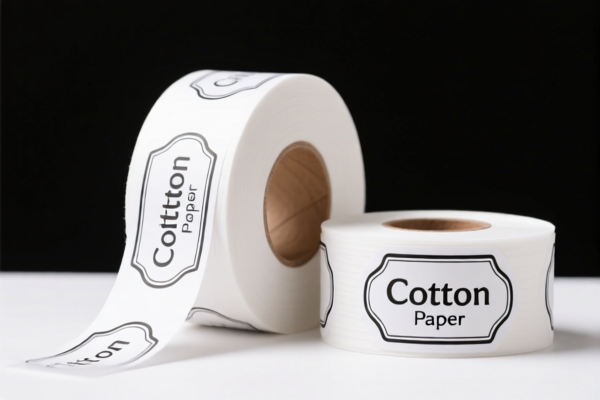
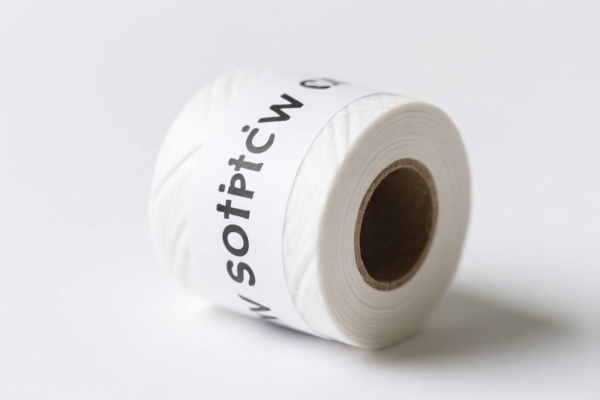
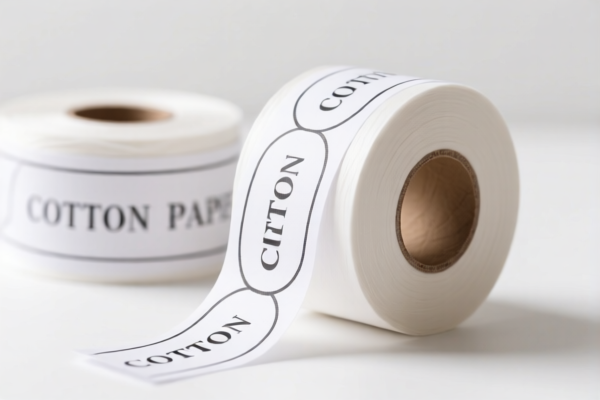
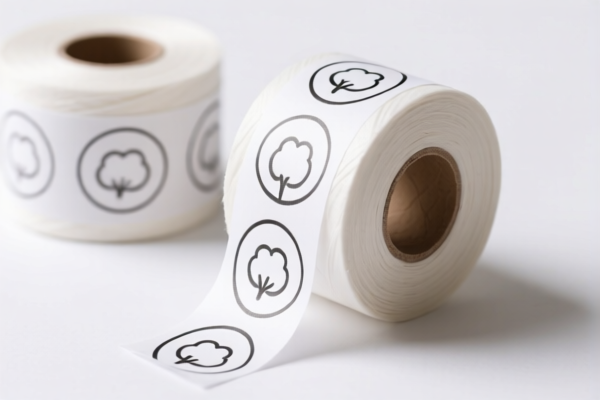
AI分析
🏷️ Cotton Paper Roll for Labels (Sticker Rolls)
🌐 HS Code Reference & Clearance Guide | 2026 Latest Tariff Analysis | Professional Entry Strategy
📌 I. Product Definition & Classification: Do You Really Understand "Label Paper Rolls"?
Cotton Paper Rolls for Labels are widely used in logistics, retail, manufacturing, and consumer goods. In international trade, their classification depends heavily on material composition (pure paper vs. plastic-coated/composite) and form (rolls, self-adhesive nature).
Key Distinction: * Plastic/Composite Base: If the backing is plastic (e.g., BOPP, PET) or a composite material, it falls under Chapter 39 (Plastics). * Paper Base with Coating: If the primary material is paper, even if coated with plastic or adhesive, it may fall under Chapter 48 (Paper & Paperboard), specifically sections dealing with coated or self-adhesive paper. * Pure Paper Labels: Simple paper labels without complex backing structures fall under Chapter 48 as "other paper labels."
⚠️ Critical Classification Point:
- Material Dominance: Is it >50% plastic by weight? → 3919
- Paper Core: Is it primarily paper with adhesive? → 4821 or 4811
- Form: All entries in the data are "rolls," confirming the "strip/form" characteristic.
📦 II. HS Code Classification Details (2026 Latest Tariff Authoritative Comparison)
| HS Code | Product Description | Material/Form | Total Tax Rate | Tax Breakdown Details |
|---|---|---|---|---|
3919.90.50.40 |
Self-adhesive plates, sheets, film, foil, tape, strip, and other flat shapes, of plastics | Plastic/Composite Material; Flat/Strip form; Adhesive backing | 40.8% | Base: 5.8% Additional: 25.0% Section 122: 10% |
3919.10.20.55 |
Self-adhesive plates, sheets, film, foil, tape, strip, and other flat shapes, of plastics (in rolls) | Plastic or Plastic-Coated Paper; Roll form; Label use | 40.8% | Base: 5.8% Additional: 25.0% Section 122: 10% |
4821.90.40.00 |
Other paper labels | Paper Material; Label form; Other category | 35.0% | Base: 0.0% Additional: 25.0% Section 122: 10% |
4811.41.21.00 |
Self-adhesive paper & paperboard | Paper Material; Roll form; Self-adhesive properties | 35.0% | Base: 0.0% Additional: 25.0% Section 122: 10% |
4811.49.21.00 |
Other self-adhesive paper & paperboard | Paper Material; Roll form; Glued/Self-adhesive features | 35.0% | Base: 0.0% Additional: 25.0% Section 122: 10% |
4821.90.20.00 |
Other paper labels (other than those of 4821.10) | Paper Material; Roll form; Self-adhesive inferred | 35.0% | Base: 0.0% Additional: 25.0% Section 122: 10% |
🔍 Key Insight:
- Plastic-based labels (3919) carry a higher base tariff (5.8%) compared to paper-based labels (0% base).
- However, all categories are subject to a +25% Additional Tariff and +10% Section 122 Tariff (likely referring to specific US trade measures like Section 301 or similar punitive tariffs).
- Total Tax Difference: Plastic-based (40.8%) vs. Paper-based (35.0%) = 5.8% differential.
💰 III. 2026 Latest Tariff Rate Detailed Explanation
✅ Applicable Region: United States (US)
✅ Origin: China (CN) (Implied by Section 122 and high additional tariffs)
✅ Effective Date: Current 2026 Tariff Structure
🎯 1. Plastic-Based Label Rolls (3919.90.50.40 / 3919.10.20.55)
| Item | Details |
|---|---|
| Base Tariff | 5.8% (ad valorem) |
| Additional Tariff (Section 301/307 etc.) | +25.0% |
| Section 122 Tariff | +10.0% |
| Total Effective Rate | 40.8% |
| Tax Calculation | CIF Value × 40.8% |
| De Minimis Exemption | ❌ Not Eligible (High risk of seizure under current de minimis reforms) |
| Legal Basis | USHTS 3919 → Footnotes/Chapter Notes → Section 122 Regulations |
📌 Explanation:
- 5.8% Base: Standard Most Favored Nation (MFN) rate for self-adhesive plastic products.
- 25% Additional: Standard Section 301 tariff on Chinese plastic goods.
- 10% Section 122: Specific retaliatory or national security-related tariff (e.g., tied to trade enforcement actions).
- Total 40.8%: This is a significant cost driver. Importers must budget carefully.
🎯 2. Paper-Based Label Rolls (4821.90.40.00 / 4811.41.21.00 / 4811.49.21.00 / 4821.90.20.00)
| Item | Details |
|---|---|
| Base Tariff | 0.0% |
| Additional Tariff (Section 301/307 etc.) | +25.0% |
| Section 122 Tariff | +10.0% |
| Total Effective Rate | 35.0% |
| Tax Calculation | CIF Value × 35.0% |
| De Minimis Exemption | ❌ Not Eligible |
| Legal Basis | USHTS 4821/4811 → Footnotes/Chapter Notes → Section 122 Regulations |
📌 Explanation:
- 0% Base: Paper products often enjoy lower base duties.
- 25% Additional + 10% Section 122: Despite the 0% base, the additional tariffs push the total to 35%.
- Total 35.0%: Still high, but 5.8% cheaper than plastic alternatives.
- Strategic Advantage: Switching from plastic-backed to paper-backed labels can reduce total duty by ~14% relative to the plastic base (5.8% vs 0%).
🛠️ IV. Clearance Operational Advice (Practical Pitfall Avoidance Guide)
✅ 1. Documentation Checklist (Non-negotiable)
| Document | Mandatory? | Description |
|---|---|---|
| ✅ Product Specification Sheet | ✔️ | Must detail: Material (Paper/Plastic/Composite), Adhesive Type, Width, Diameter, Roll Length. |
| ✅ Material Composition Report | ✔️ | Critical for distinguishing between 3919 (Plastic) and 4821 (Paper). Must state % of plastic vs. paper. |
| ✅ Product Photos | ✔️ | Clear images of the roll, core, label surface, and adhesive backing. |
| ✅ Commercial Invoice | ✔️ | Must accurately describe goods as "Cotton Paper Roll Labels" or "Self-Adhesive Label Rolls." Avoid vague terms like "Stickers." |
| ✅ Packing List | ✔️ | Dimensions and weight per roll/carton. |
| ✅ Country of Origin Certificate | ✔️ | To verify Chinese origin and apply correct additional tariffs. |
✅ 2. Declaration Tips (Key Mnemonics)
🔥 "Material First, Adhesion Second, Form Third, Code Follows!"
| Scenario | Correct Declaration | Common Error | Consequence |
|---|---|---|---|
| Plastic Backing | "Self-adhesive plastic label rolls, BOPP material" | Misdeclare as "Paper Labels" | Customs audit → Delay + Penalty |
| Paper Backing | "Self-adhesive paper label rolls, kraft paper base" | Misdeclare as "Plastic Labels" | Overpayment of duties (40.8% vs 35%) |
| Composite | "Composite label, plastic-coated paper" | Vague description "Label Roll" | Uncertain classification → Highest possible rate |
| Roll Form | Specify "In Rolls" | Declare as "Sheets" | Wrong HS Code (e.g., 4821.90 vs 4821.10) |
✅ 3. Special Case Handling
| Situation | Recommendation |
|---|---|
| Hybrid Materials | If plastic coating is <50% by weight, argue for 4811/4821 classification to save 5.8% base duty. Provide lab tests. |
| Custom Printed Labels | Ensure invoice specifies "Custom Printed," as generic "Labels" might attract different scrutiny. |
| Small Shipments (De Minimis) | ⚠️ Caution: Under 2026 rules, many de minimis exemptions are being restricted for Chinese origin goods. Assume no exemption and plan for full duty payment. |
| Section 122 Targeting | Verify if your specific product type is listed in the latest Section 122 enforcement list. |
🌍 V. Global Market Clearance Comparison (2026 Latest)
| Country/Region | Recommended HS Code | Est. Tariff | Certification | Notes |
|---|---|---|---|---|
| 🇺🇸 USA | 4821.90.40.00 or 3919.90.50.40 |
35.0% (Paper) 40.8% (Plastic) |
No specific pre-clearance certs, but accurate description vital. | Highest duty burden. Section 122 + 301 tariffs apply. |
| 🇨🇳 China (Import) | 4821.90.40.00 |
~6-10% | No major barriers. | Lower duty if imported into China for domestic use. |
| 🇪🇺 EU | 4821.10 or 3919.90 |
0-3% | CE (if applicable), REACH | No Section 301 equivalent; lower duty overall. |
| 🇬🇧 UK | 4821.10 or 3919.90 |
0-5% | UKCA (if applicable) | Post-Brexit tariffs may differ from EU. |
| 🇨🇦 Canada | 4821.10 or 3919.90 |
5-10% | None | CUSMA agreement may offer benefits if non-US origin. |
📌 Conclusion:
- USA is the most challenging market due to layered additional tariffs.
- Paper-based labels (4821) are more cost-effective than plastic-based (3919) in the US.
- Accurate material declaration is the #1 factor in duty optimization.
📌 VI. Common Errors & Pitfall Guide (Blood & Tears Lessons)
❌ Mistake 1: Declaring "Plastic Labels" as "Paper Labels"
👉 Consequence: Customs audit → Penalty + Backdated Duties + Possible fraud charges.
❌ Mistake 2: Ignoring the "Section 122" 10% tariff
👉 Consequence: Underpayment → Cargo held at port → Demurrage fees → Supplier bears cost.
❌ Mistake 3: Vague description "Label Roll"
👉 Consequence: Customs assigns "Residual" highest duty rate → Unexpected high costs.
❌ Mistake 4: Assuming De Minimis applies
👉 Consequence: Package seized → Return or Destruction → Total loss.
✅ Correct Approach:
"Self-Adhesive Paper Label Rolls, 100mm x 100m, Kraft Paper Base, Acrylic Adhesive, Printed, Made in China"
🎯 VII. Conclusion: Professional Declaration, Cost Savings, Risk Reduction
🎯 Remember the Mnemonic:
🔹 "Plastic pays 5.8% base, Paper starts at 0. Base is low, but add-ons hit hard!"
🔹 "Paper saves 5.8% vs Plastic, but both pay 35-40% total. Declare material accurately!"
🔹 "HS Code determines fate, Duty difference is huge, One wrong word costs thousands!"
📌 Pro Tip:
If your label rolls are paper-based with plastic coating, negotiate with your supplier to ensure the paper base is dominant to qualify for 4811/4821 (35% total) instead of 3919 (40.8% total). Every percentage point counts!
Consider applying for an Advance Ruling from US Customs if shipping large volumes to lock in your HS Code classification.
📣 Immediate Action:
📞 Contact your freight forwarder + Provide Material Composition Report + Verify Section 122 applicability
🚀 Ensure your Commercial Invoice matches the HS Code exactly.
💡 Save 5.8% by choosing the right paper-based classification!
✨ Professional Clearance Starts with Precise Classification!
💼 Your every cent of cost deserves to be calculated accurately!
用户评价
关于 HS 编码归类
协调制度(HS)是由世界海关组织(WCO)制定的国际贸易商品分类标准。全球 200 多个国家采用 HS 系统作为海关关税、贸易统计和进出口监管的基础。
每个 HS 编码遵循以下层级结构:
- 章(2 位)——商品大类(例如:第 84 章:机器和机械设备)
- 品目(4 位)——章内的更具体分类
- 子目(6 位)——国际通用细分,所有 WCO 成员国统一使用
- 本国细分(8-10 位)——各国自行扩展的细分编码,如美国 HTSUS 10 位编码
正确的 HS 编码归类对于顺利通关、准确缴纳关税和遵守贸易法规至关重要。错误归类可能导致海关延误、多缴关税或罚款。
从CN进口到US时,适用的关税税率可能包括:
- 最惠国(MFN)税率——适用于 WTO 成员国的标准关税税率
- 普通税率——适用于无贸易协定国家
- 贸易救济关税——附加关税,如 301 条款(反倾销)、232 条款(国家安全)或反补贴税
本页内容仅供参考。如需正式归类,请咨询当地海关或持牌报关代理。