Cotton Rope Woven Products
CN → US| HS编码 | 关税税率 | 原产国 | 目的国 | 文档 |
|---|---|---|---|---|
| 5210114020 | 25.9% | CN | US | 官方文档 |
| 5208112020 | 42.0% | CN | US | 官方文档 |
| 5209210050 | 42.7% | CN | US | 官方文档 |
| 5208114020 | 44.0% | CN | US | 官方文档 |
| 5209110050 | 41.5% | CN | US | 官方文档 |
商品图片
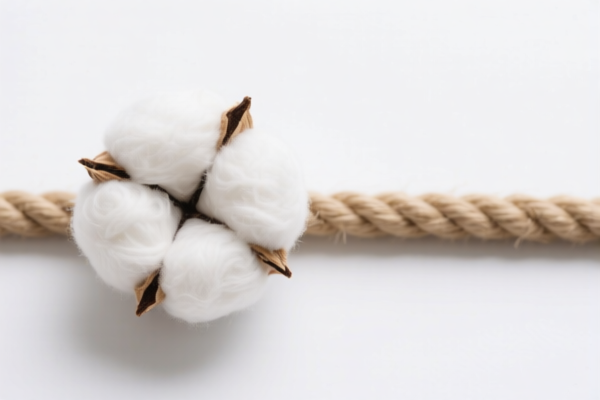
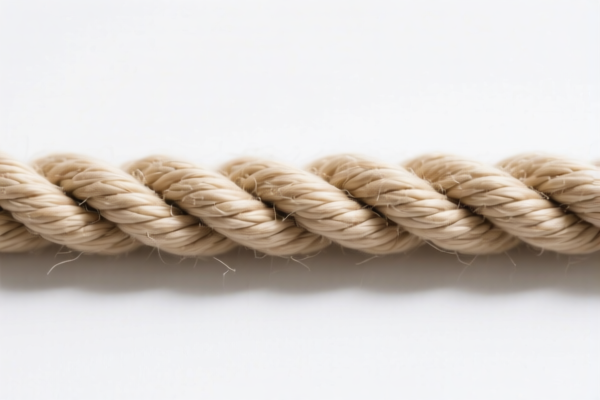
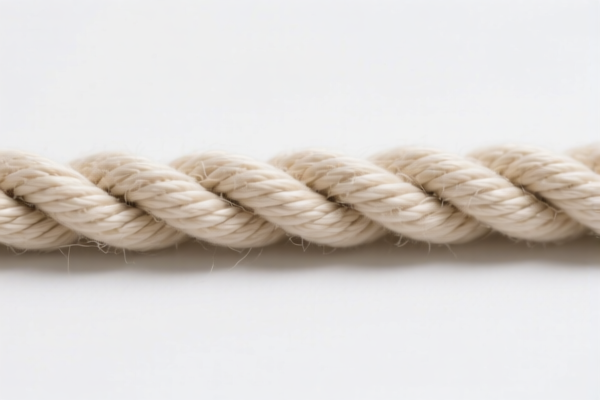
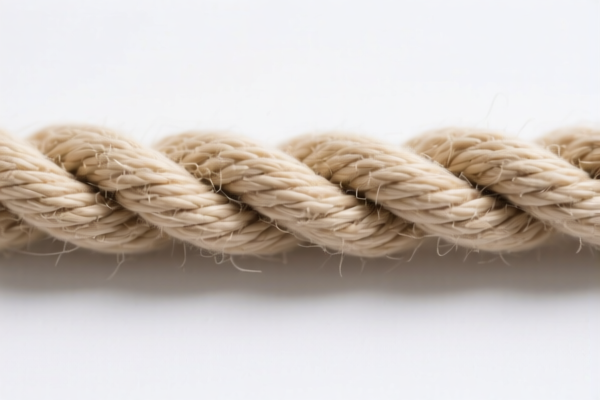
AI分析
🧵 Cotton Rope Woven Products
🌐 HS Code Reference & Customs Clearance Guide | 2026 Latest Tariff Analysis | Professional Entry Strategy
📌 I. Product Definition & Classification: Do You Really Understand "Cotton Rope Woven Products"?
"Cotton Rope Woven Products" is a broad description often used in trade, but in customs classification, the devil is in the details. The term implies two key components: 1. Material: 100% Cotton (implied by "Cotton"). 2. Form: Woven fabric or rope-like structures made from cotton yarns.
In the Harmonized System (HS), these goods generally fall under Chapter 52: Cotton. However, the specific HS code depends heavily on: * Weight: Weight per square meter (for fabrics) or linear density (for ropes/yarns). * Construction: Plain weave, twill, satin, or knitted? * Processing: Bleached, dyed, printed, or raised (brushed/plushed)?
⚠️ Key Distinction:
- If it is a loose rope or twisted cord: It may fall under Chapter 56 (or even 52 if it’s yarn).
- If it is a flat woven fabric made from cotton rope-like yarns: It falls under Chapter 52, Section XI.
- Crucial Note: The provided data below focuses on Woven Cotton Fabrics (Chapters 5208, 5209, 5210), as "woven products" typically implies fabric in this context. If the product is strictly "rope" (twisted, not woven into fabric), it might fall under a different chapter, but based on the provided JSON data, we are analyzing Woven Cotton Textiles.
📦 II. HS Code Classification Details (2026 Latest Tariff Authority Cross-Reference)
Based on the provided dataset, here are the potential HS Codes, their summaries, and tax implications.
| HS Code | Product Description (From Data) | Applicability Scenario | Material/Format Match |
|---|---|---|---|
5210.11.40.20 |
Cotton fabric < 200g/m², plain weave, bleached/dyed. | Lightweight cotton fabric; missing specific yarn count/weight data, but no conflict. | ✅ Matches: Cotton + Woven |
5208.11.20.20 |
Cotton fabric < 200g/m², plain weave, bleached/dyed. | "Cotton Fabric" fully matches "Pure Cotton" and "Woven". | ✅ Full Match: Pure Cotton + Woven |
5209.21.00.50 |
Cotton fabric > 200g/m², twill/weave, raised surface. | Potential "raised/plushed" cotton fabric; lacks weight/processing details, but no material conflict. | ⚠️ Partial: Needs weight/process verification |
5208.11.40.20 |
Cotton fabric < 200g/m², plain weave, printed. | Similar to 5208.11.20.20 but possibly printed; lacks density/weave type details, no conflict. |
✅ Basic Match: Cotton + Woven |
5209.11.00.50 |
Cotton fabric > 200g/m², plain weave, bleached/dyed. | Heavier cotton fabric; lacks specific weight/organization/use, no conflict. | ⚠️ Partial: Needs weight verification |
🔍 Critical Reminder:
- The JSON data notes that for 5210.11.40.20, 5209.21.00.50, 5208.11.40.20, and 5209.11.00.50, specific details like yarn count (tex/denier), weight per square meter (gsm), weave structure, or post-processing (bleaching/printing/raising) are missing.
- Do not assume the cheapest or first code is correct. You must verify the weight and processing to avoid misclassification penalties.
💰 III. 2026 Latest Tariff Rate Breakdown (Including Surtaxes & Policy Add-ons)
✅ Applicable Country: United States (US)
✅ Origin: China (CN)
✅ Effective Date: From November 10, 2025 (including subsequent imports)
🎯 1. 5210.11.40.20 —— Lightweight Cotton Fabric (< 200g/m²)
| Item | Content |
|---|---|
| Base Tariff | 8.4% |
| Section 301 Surtax | +7.5% |
| Section 122 Tariff | +10% |
| Total Tax Rate | 25.9% |
| Tax Calculation | CIF Value × 25.9% |
| De Minimis Exemption | ❌ Not Eligible (Deny de minimis) |
| Legal Basis Path | Base Tariff → Section 301 → Section 122 |
📌 Explanation:
- Base 8.4%: Standard MFN rate for cotton fabrics < 200g/m².
- Section 301 (+7.5%): Part of the US-China trade war tariffs.
- Section 122 (+10%): Additional duty under Section 232/122 related to national security or specific trade remedies (often applied to textiles/apparel in certain contexts).
- Total 25.9%: A significant cost adder. Must be factored into landed cost.
🎯 2. 5208.11.20.20 —— Cotton Fabric < 200g/m², Plain Weave, Bleached/Dyed
| Item | Content |
|---|---|
| Base Tariff | 7.0% |
| Section 301 Surtax | +25.0% |
| Section 122 Tariff | +10% |
| Total Tax Rate | 42.0% |
| Tax Calculation | CIF Value × 42.0% |
| De Minimis Exemption | ❌ Not Eligible |
| Legal Basis Path | Section 301: 25% → Section 122: 10% → Base: 7% |
📌 Note:
- This code has a higher Section 301 surtax (25%) compared to5210.11.40.20(7.5%).
- Total 42.0% is very high. Misclassifying a lighter fabric (which might fall under 5210 with lower 301 tax) as this heavier/weaver code could save money, but only if the product truly matches the technical specifications.
🎯 3. 5209.21.00.50 —— Cotton Fabric > 200g/m², Twill/Weave, Raised
| Item | Content |
|---|---|
| Base Tariff | 7.7% |
| Section 301 Surtax | +25.0% |
| Section 122 Tariff | +10% |
| Total Tax Rate | 42.7% |
| Tax Calculation | CIF Value × 42.7% |
| De Minimis Exemption | ❌ Not Eligible |
| Legal Basis Path | Section 301: 25% → Section 122: 10% → Base: 7.7% |
📌 Note:
- Applies to heavier, raised fabrics (e.g., flannel, brushed cotton).
- Highest total tax (42.7%) in this dataset.
- Ensure the fabric is indeed > 200g/m² and has a raised surface. If it’s smooth and light, this code is wrong.
🎯 4. 5208.11.40.20 —— Cotton Fabric < 200g/m², Plain Weave, Printed
| Item | Content |
|---|---|
| Base Tariff | 9.0% |
| Section 301 Surtax | +25.0% |
| Section 122 Tariff | +10% |
| Total Tax Rate | 44.0% |
| Tax Calculation | CIF Value × 44.0% |
| De Minimis Exemption | ❌ Not Eligible |
| Legal Basis Path | Section 301: 25% → Section 122: 10% → Base: 9.0% |
📌 Note:
- Highest base tariff (9.0%) among the low-weight codes.
- Total 44.0% is the most expensive option if misapplied.
- Only use if the fabric is printed (< 200g/m²). If it’s not printed, this code is incorrect.
🎯 5. 5209.11.00.50 —— Cotton Fabric > 200g/m², Plain Weave, Bleached/Dyed
| Item | Content |
|---|---|
| Base Tariff | 6.5% |
| Section 301 Surtax | +25.0% |
| Section 122 Tariff | +10% |
| Total Tax Rate | 41.5% |
| Tax Calculation | CIF Value × 41.5% |
| De Minimis Exemption | ❌ Not Eligible |
| Legal Basis Path | Section 301: 25% → Section 122: 10% → Base: 6.5% |
📌 Note:
- Lowest base tariff (6.5%) but high surtaxes.
- Total 41.5%.
- Applies to heavier plain weave cotton. If your product is lighter (< 200g/m²), this code is wrong.
🛠️ IV. Customs Clearance Practical Advice (实战避坑指南)
✅ 1. Required Documentation Checklist (Non-negotiable)
| Document | Mandatory? | Description |
|---|---|---|
| ✅ Product Specification Sheet | ✔️ | Must include: Weight (gsm), Yarn Count (Ne/Ne), Weave Type (Plain/Twill/Satin), Finish (Bleached/Dyed/Printed/Raised). |
| ✅ Fabric Sample/Photo | ✔️ | Clear image showing weave structure and surface finish. |
| ✅ Commercial Invoice | ✔️ | Must clearly state "Cotton Woven Fabric" and include technical specs. |
| ✅ Packing List | ✔️ | Detail rolls/pieces, weight, dimensions. |
| ✅ Certificate of Origin (CO) | ✔️ | For origin verification (China). |
| ✅ Test Report (Optional but Recommended) | ✔️ | Lab test confirming 100% cotton content and weight. |
✅ 2. Declaration Tips (Key Mnemonics)
🔥 “Weight First, Finish Second, Weave Third, Code Clear!”
| Scenario | Correct Declaration Approach | Wrong Practice |
|---|---|---|
| Light Fabric (< 200g/m²) | Use 5208 or 5210 codes. Check if bleached/dyed vs printed. | Declare as heavy fabric → Higher tax (42-44%). |
| Heavy Fabric (> 200g/m²) | Use 5209 codes. Check weave (plain vs twill) and finish. | Declare as light fabric → Audit risk + penalty. |
| Raised/Brushed Fabric | Must use 5209.21.00.50 (if > 200g/m²). | Declare as plain weave → 41.5% vs 42.7% (minor diff, but accuracy is key). |
| Mixed Materials | If not 100% cotton, these codes are invalid. | Declare 80% cotton as 100% cotton → Fraud/Seizure. |
✅ 3. Special Case Handling
| Situation | Handling Advice |
|---|---|
| Uncertain Weight | Perform a lab test for GSM (grams per square meter) before declaration. Do not guess. |
| Uncertain Finish | If unsure if it’s "bleached" vs "dyed", consult your supplier’s technical sheet. Both may fall under similar codes, but specific sub-headings matter. |
| "Rope" vs "Fabric" | If the product is twisted rope (not woven fabric), these codes may be incorrect. Check Chapter 56 (Twine, Cordage, Rope). However, if it’s a woven cloth made of rope-like yarns, these codes apply. |
| Section 122 Impact | The 10% Section 122 tariff is a constant across all these codes. No optimization possible here. Focus on minimizing Section 301 (25% vs 7.5%) and Base Tariff. |
🌍 V. Global Market Comparison (2026 Latest)
| Country/Region | Recommended HS Code Range | Tariff (China Origin) | Key Certifications | Notes |
|---|---|---|---|---|
| 🇺🇸 USA | 5208, 5209, 5210 |
25.9% – 44.0% | None specific | High tariffs due to 301 & 122. Cost-sensitive. |
| 🇨🇳 China | 5208, 5209, 5210 |
6.5% – 9.0% | None | No surtaxes. Low cost. |
| 🇪🇺 EU | 5208, 5209, 5210 |
0% – 8% | REACH, CE (if applicable) | No Section 301/122. Competitive. |
| 🇬🇧 UK | 5208, 5209, 5210 |
0% – 8% | UKCA | Post-Brexit, tariffs similar to EU. |
| 🇦🇺 Australia | 5208, 5209, 5210 |
5% | ACMA | Free Trade Agreement (ChAFTA) may apply. |
📌 Conclusion:
- USA is the most expensive market due to aggressive surtaxes.
- EU/UK/AU/China are significantly cheaper.
- Strategy: If targeting the US, consider supply chain diversification (e.g., Vietnam, Bangladesh) to avoid Section 301 & 122 tariffs.
📌 VI. Common Errors & Pitfalls (Blood & Tears Lessons)
❌ Error 1: Guessing the weight (GSM)
👉 Consequence: If you declare < 200g/m² but it’s > 200g/m², you pay less tax initially but face penalties + back taxes upon inspection.
Fix: Lab test every batch.
❌ Error 2: Ignoring Section 122
👉 Consequence: Assuming only Section 301 applies.
Fix: Remember the 10% flat add-on for all these codes from China.
❌ Error 3: Misidentifying weave type
👉 Consequence: Plain weave vs. Twill has different codes.
Fix: Use microscopy or weave analysis charts.
❌ Error 4: Assuming "Cotton Rope" = Rope Code
👉 Consequence: If it’s woven fabric, Chapter 56 codes are wrong.
Fix: Clarify if it’s a rope (twisted) or fabric (woven). The data provided is for fabric.
🎯 VII. Conclusion: Precise Classification, Cost Optimization
🎯 Remember the Mnemonic:
🔹 "Weight Defines Chapter, Finish Defines Sub-Code, 301 & 122 Add 35-40%."
🔹 "Test GSM, Test Weave, Avoid Penalties, Keep Profits."
📌 Pro Tip:
If your cotton rope/fabric is originating from Vietnam, Bangladesh, or India, you can avoid the 25% Section 301 and 10% Section 122 tariffs.
Total tax could drop from ~42% to ~7-10%.
Recommendation: Apply for Advance Ruling from US CBP if you are unsure about the classification. It provides legal certainty.
📣 Immediate Action:
📞 Contact your freight forwarder + Provide GSM/Weave/Finish Specs + Apply for Pre-classification
🚀 Clear your customs efficiently, reduce costs, and boost your margin!
✨ Professional Clearance Starts with Accurate Classification!
💼 Every percentage point in tax is your profit margin.
用户评价
关于 HS 编码归类
协调制度(HS)是由世界海关组织(WCO)制定的国际贸易商品分类标准。全球 200 多个国家采用 HS 系统作为海关关税、贸易统计和进出口监管的基础。
每个 HS 编码遵循以下层级结构:
- 章(2 位)——商品大类(例如:第 84 章:机器和机械设备)
- 品目(4 位)——章内的更具体分类
- 子目(6 位)——国际通用细分,所有 WCO 成员国统一使用
- 本国细分(8-10 位)——各国自行扩展的细分编码,如美国 HTSUS 10 位编码
正确的 HS 编码归类对于顺利通关、准确缴纳关税和遵守贸易法规至关重要。错误归类可能导致海关延误、多缴关税或罚款。
从CN进口到US时,适用的关税税率可能包括:
- 最惠国(MFN)税率——适用于 WTO 成员国的标准关税税率
- 普通税率——适用于无贸易协定国家
- 贸易救济关税——附加关税,如 301 条款(反倾销)、232 条款(国家安全)或反补贴税
本页内容仅供参考。如需正式归类,请咨询当地海关或持牌报关代理。