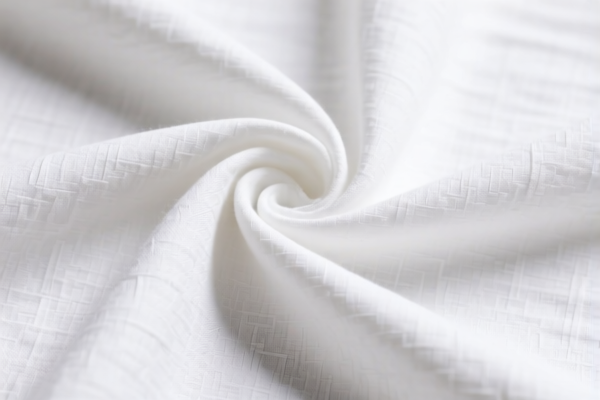
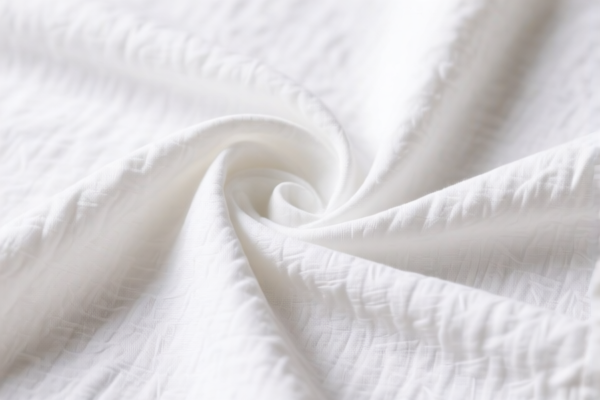
Cotton Satin for Curtains
CN → US| HS编码 | 关税税率 | 原产国 | 目的国 | 文档 |
|---|---|---|---|---|
| 5407840040 | 49.9% | CN | US | 官方文档 |
| 5407810040 | 49.9% | CN | US | 官方文档 |
| 5806310000 | 43.8% | CN | US | 官方文档 |
| 6307905010 | 17.5% | CN | US | 官方文档 |
| 6307904010 | 17.5% | CN | US | 官方文档 |
| 5806101000 | 42.8% | CN | US | 官方文档 |
商品图片


AI分析
🏠 Curtains & Accessories: Cotton Satin & Ties (2026 HS Code Guide)
🌐 HS Code Reference & Clearance Guide | 2026 Latest Tariff Analysis | Professional Customs Strategy
📌 I. Product Definition & Classification: Do You Truly Understand "Cotton Satin"?
Cotton satin and related curtain accessories are critical components in home textiles. In international trade, they are often confused due to similar material compositions (cotton) but different structural forms (woven fabric vs. narrow fabric/tape). Accurate classification depends on the weave structure, form factor, and specific application.
⚠️ Key Distinction Points: - Woven Satin Fabric (Broad Goods): If the item is a continuous piece of fabric with a satin weave, intended for cutting into curtains → It belongs to Chapter 52/54 (Textile Fabrics). - Narrow Woven Fabrics (Tapes/Ties): If the item is a narrow strip, already shaped as a tie or cord, specifically for holding curtains → It belongs to Chapter 58 (Special Woven Fabrics) or Chapter 63 (Made-up Articles). - Cotton Content: All items listed below are specified as Cotton or Cotton Blends.
📦 II. HS Code Classification Details (2026 Latest Tariff Authority Comparison)
| HS Code | Product Description | Applicable Scenario | Tax Rate |
|---|---|---|---|
5407.84.00.40 |
Cotton Satin for Curtains: Material is cotton blend, form is satin weave, purpose is woven fabric. | Broad fabric rolls for manufacturing curtains. | 49.9% |
5407.81.00.40 |
Cotton Satin for Curtains: Material is 100% cotton, weave is satin, form is cloth. | Pure cotton satin fabric rolls. | 49.9% |
5806.31.00.00 |
Cotton Curtain Ties: Material is cotton, form is tape/ribbon, classified as narrow woven fabric. | Narrow tapes used for tying curtains. | 43.8% |
6307.90.50.10 |
Cotton Curtain Ties: Material is cotton, form is shoe-lace-like/belt-like, meets cotton requirements. | Finished tie accessories resembling cords. | 17.5% |
6307.90.40.10 |
Cotton Curtain Ties: Material is cotton, form is tape/ribbon, meets cotton & cordage requirements. | Specific cotton cord/ribbon accessories. | 17.5% |
5806.10.10.00 |
Cotton Curtain Ties: Material is cotton, form is tape/ribbon, falls under narrow woven fabrics. | High-quality narrow woven tapes. | 42.8% |
🔍 Critical Reminder: - Fabric vs. Accessory: If you are shipping rolls of satin fabric, use
5407codes. If you are shipping finished ties/cords, use5806or6307codes. - Material Composition:5407.81is for 100% Cotton, while5407.84is for Cotton Blends. Misdeclaring blend as pure cotton can lead to penalties.
💰 III. 2026 Latest Tariff Rate Breakdown (Including Additional Taxes & Policy Surcharges)
✅ Applicable Country: USA (US)
✅ Origin: China (CN)
✅ Effective Time: 2025 November 10 onwards (including subsequent imports)
🎯 1. 5407.84.00.40 & 5407.81.00.40 —— Cotton Satin Fabric (Broad Goods)
| Item | Content |
|---|---|
| Base Tariff | 14.9% (Standard MFN Rate) |
| Section 301 Additional Tariff | +25.0% (From USITC Footnote 9903.88.01) |
| Section 122 Tariff | +10.0% (Specific 122 Clause Tariff) |
| Total Tax Rate | 49.9% |
| Tax Calculation | CIF Value × 49.9% |
| De Minimis Eligibility | ❌ Not Eligible (deny_de_minimis) |
| Legal Basis Path | IEEPA:9903.01.25 → IEEPA:9903.01.24 → USITC:5407.81/84 → FOOTNOTE:9903.88.01 |
📌 Explanation: - These high rates apply because textile fabrics from China face significant trade barriers. - The 10% Section 122 Tariff is an additional layer on top of the standard 301 tariffs. - Total 49.9% is extremely high. Importers must calculate if the value-add justifies the cost.
🎯 2. 5806.31.00.00 & 5806.10.10.00 —— Cotton Curtain Ties (Narrow Woven Fabrics)
| Item | Content |
|---|---|
| Base Tariff | 8.8% (5806.31) / 7.8% (5806.10) |
| Section 301 Additional Tariff | +25.0% |
| Section 122 Tariff | +10.0% |
| Total Tax Rate | 43.8% (5806.31) / 42.8% (5806.10) |
| Tax Calculation | CIF Value × ~43% |
| De Minimis Eligibility | ❌ Not Eligible |
📌 Note: - Narrow woven fabrics are taxed slightly lower than broad satin fabrics due to different base rates. - However, the 25% + 10% surcharges remain the same, keeping the total burden very high.
🎯 3. 6307.90.50.10 & 6307.90.40.10 —— Cotton Curtain Ties (Made-up Articles/Cordage)
| Item | Content |
|---|---|
| Base Tariff | 0.0% (Ad Valorem) |
| Section 301 Additional Tariff | +7.5% |
| Section 122 Tariff | +10.0% |
| Total Tax Rate | 17.5% |
| Tax Calculation | CIF Value × 17.5% |
| De Minimis Eligibility | ❌ Not Eligible |
📌 Key Advantage: - Lowest Tax Rate! If your product can be legally classified as a "made-up article" or specific cordage under Chapter 63 rather than a "narrow woven fabric" under Chapter 58, you save ~26% in taxes. - This classification requires the item to be considered a finished accessory rather than a raw textile material.
🛠️ IV. Customs Clearance Practical Advice (Real-World Pitfall Guide)
✅ 1. Documentation Checklist (Non-negotiable)
| Document | Required | Description |
|---|---|---|
| ✅ Product Specification Sheet | ✔️ | Must detail: Material (Cotton %), Weave Type (Satin/Narrow), Form (Roll/Cut Tie). |
| ✅ Product Photos (Clear) | ✔️ | Show texture (satin sheen), width (for narrow fabrics), and any labels. |
| ✅ Commercial Invoice | ✔️ | Must explicitly state "Cotton Satin Fabric" or "Cotton Curtain Ties". Avoid vague terms like "Textile Parts". |
| ✅ Packing List | ✔️ | Clearly separate fabric rolls from tie accessories to avoid mixed classification issues. |
| ✅ Certificate of Origin (CO) | ✔️ | For origin proof (China). No preferential treatment for China-US trade currently. |
| ✅ Third-Party Test Report | ✔️ | Fiber composition test (e.g., SGS report) proving cotton content. |
✅ 2. Declaration Tips (Crucial Mnemonics)
🔥 "Fabric = 5407, Ties = 5806/6307. Base Rate Low? Add 25+10! High Tax? Classify as Made-up if Possible!"
| Scenario | Correct Declaration | Wrong Practice |
|---|---|---|
| Rolls of Satin Fabric | 5407.81.00.40 or 5407.84.00.40 |
Declare as "Curtain Tie" → Customs Rejection |
| Finished Cotton Ties | 6307.90.50.10 (Target) |
Declare as "Narrow Woven Fabric" → Extra 25% Tax |
| Cotton Blend Satin | 5407.84.00.40 |
Declare as 100% Cotton → Penalty for Misdeclaration |
| Mixed Shipment (Fabric + Ties) | Split HS Codes in Invoice | Merge into one code → Complex Audit Risk |
✅ 3. Special Case Handling
| Situation | Handling Advice |
|---|---|
| Cotton vs. Blend | If the fabric is 50% Cotton/50% Polyester, it must go to 5407.84 (Blends), not 5407.81. Incorrect classification leads to severe fines. |
| Narrow Fabric vs. Tape | If the tie is pre-sewn or has knots, argue for 6307 (Made-up). If it’s just a narrow woven strip, it’s 5806. The 6307 rate (17.5%) is much better. |
| Section 122 Impact | Remember that all these goods suffer the 10% Section 122 Tariff. This is not optional. Factor this into your pricing. |
| De Minimis Loophole | ❌ Do not attempt to use de minimis (Section 321) for these goods. The data explicitly states deny_de_minimis. They must be formally entered. |
🌍 V. Global Market Clearance Comparison (2026 Latest)
| Country/Region | Recommended HS Code | Estimated Duty (China Origin) | Certification Requirements | Notes |
|---|---|---|---|---|
| 🇺🇸 USA | 6307.90.50.10 (Best) |
17.5% | N/A | Highest barriers for fabrics (49.9%). Aim for 6307 for ties. |
| 🇨🇳 China | 5407.81.00.00 |
5-10% | CCC (if applicable) | Low import duty, but watch for domestic environmental regulations. |
| 🇪🇺 EU | 5407.81.00.90 |
0-8% | CE (if chemical content) | Generally lower tariffs, but strict REACH compliance for dyes. |
| 🇬🇧 UK | 5407.81.00.90 |
0-8% | UKCA | Post-Brexit rules align closely with EU. |
| 🇦🇺 Australia | 5407.81.00.00 |
5% | N/A | No major surcharges compared to US. |
📌 Conclusion: - USA is the most expensive market due to Section 301 (+25%) and Section 122 (+10%). - Strategic Advice: For curtain ties, strive to classify under
6307.90.50.10to achieve the 17.5% rate instead of the ~43% for narrow woven fabrics. This requires demonstrating the item is a "made-up article" rather than a raw textile strip.
📌 VI. Common Errors & Pitfall Guide (Lessons Learned)
❌ Error 1: Declaring "Cotton Satin Fabric" as "Cotton Curtain Ties" to avoid high taxes.
👉 Consequence: Customs will inspect and reclassify to 5407, charging 49.9% + fines.
❌ Error 2: Not separating "Cotton Blend" from "100% Cotton".
👉 Consequence: Using 5407.81 for a blend leads to misdeclaration penalties and potential seizure.
❌ Error 3: Assuming small shipments of ties qualify for de minimis. 👉 Consequence: Explicitly denied. Goods will be held, incurring storage fees and forced formal entry.
✅ Correct Action:
"Cotton Satin Fabric, 100% Cotton, Woven, for Curtains" → HS 5407.81.00.40
"Cotton Curtain Ties, Made-up Article, for Window Drape" → HS 6307.90.50.10
🎯 VII. Conclusion: Professional Declaration Saves Money!
🎯 Remember the Mnemonic:
🔹 "Fabric High, Ties Low. Mix Blend, Pay More. Section 122 is Always On!"
🔹 "HS Code is Destiny. 17.5% vs 49.9% – Declare Correctly!"
📌 Pro Tip:
If you are importing curtain ties, consult a customs broker to see if your product fits the definition of
6307.90.50.10(Made-up article) rather than5806(Narrow fabric). The 26% tax savings is worth the effort.For fabric, budget for 49.9% total duty. No loopholes.
📣 Immediate Action:
📞 Contact a licensed Customs Broker
📤 Provide Product Samples + Fiber Analysis Reports
🚀 Secure Your Supply Chain with Accurate HS Codes
✨ Professional Clearance Starts with Precise Classification!
💼 Every Percent of Tax Saved is Pure Profit!
用户评价
关于 HS 编码归类
协调制度(HS)是由世界海关组织(WCO)制定的国际贸易商品分类标准。全球 200 多个国家采用 HS 系统作为海关关税、贸易统计和进出口监管的基础。
每个 HS 编码遵循以下层级结构:
- 章(2 位)——商品大类(例如:第 84 章:机器和机械设备)
- 品目(4 位)——章内的更具体分类
- 子目(6 位)——国际通用细分,所有 WCO 成员国统一使用
- 本国细分(8-10 位)——各国自行扩展的细分编码,如美国 HTSUS 10 位编码
正确的 HS 编码归类对于顺利通关、准确缴纳关税和遵守贸易法规至关重要。错误归类可能导致海关延误、多缴关税或罚款。
从CN进口到US时,适用的关税税率可能包括:
- 最惠国(MFN)税率——适用于 WTO 成员国的标准关税税率
- 普通税率——适用于无贸易协定国家
- 贸易救济关税——附加关税,如 301 条款(反倾销)、232 条款(国家安全)或反补贴税
本页内容仅供参考。如需正式归类,请咨询当地海关或持牌报关代理。