Cotton faced plastic or textile outer surface leather or composition leather backpacks
CN → US| HS编码 | 关税税率 | 原产国 | 目的国 | 文档 |
|---|---|---|---|---|
| 4202921500 | 41.3% | CN | US | 官方文档 |
| 4205006000 | 39.9% | CN | US | 官方文档 |
| 3926903300 | 16.5% | CN | US | 官方文档 |
| 3926909989 | 22.8% | CN | US | 官方文档 |
| 4205008000 | 35.0% | CN | US | 官方文档 |
商品图片
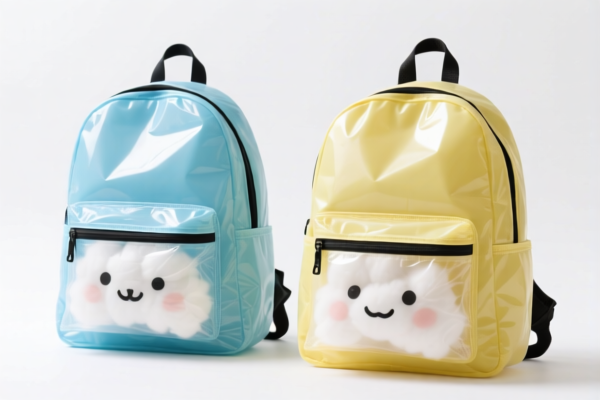
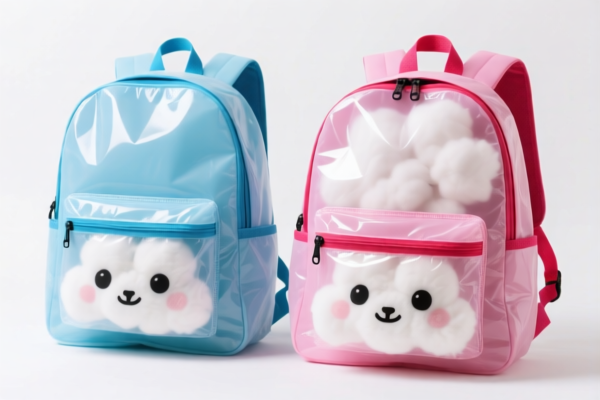
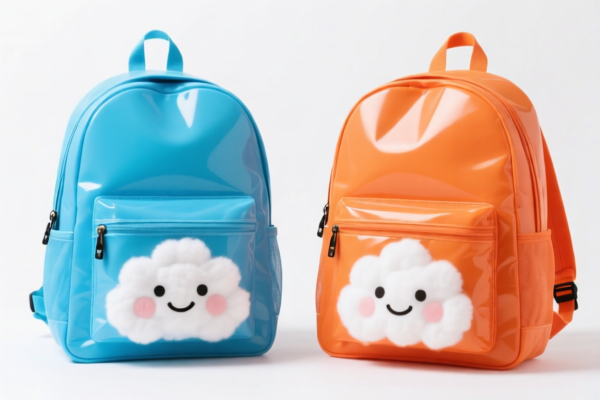

AI分析
🎒 Backpacks & Bags (Cotton-Faced Leather/Plastic Composite)
🌐 HS Code Reference & Clearance Guide | 2026 Latest Tariff Analysis | Professional Customs Strategy
📌 I. Product Definition & Classification: Do You Really Understand "Composite Bags"?
The product described is "Cotton-faced plastic or textile outer surface leather or composition leather backpacks/bags."
This is a composite good involving multiple materials:
- Outer Surface: Plastic or Textile fabric (Cotton-faced)
- Core/Inner Layer: Leather or Composition Leather (Artificial/Man-made leather)
In international trade, classification depends on which material characterizes the essential nature of the bag and its primary function.
⚠️ Key Distinction Points: - If the item is primarily a Backpack (designed for carrying on the back, typically with straps) → Likely falls under Chapter 42 (Articles of Leather). - If the item is primarily a Handbag/Purse (hand-held, not structured as a backpack) → Also falls under Chapter 42, but specific subheading differs. - If the plastic/composite material is dominant and it doesn't fit standard leather article definitions → Might fall under Chapter 39 (Articles of Plastics).
📦 II. HS Code Classification Details (2026 Latest Tariff Authority Comparison)
Based on the provided data, here are the 5 specific HS Codes applicable to this product description, ranging from high-tax backpacks to lower-tax plastic items.
| HS Code | Product Description | Application Scenario | Material Dominance |
|---|---|---|---|
4202.92.15.00 |
Backpacks with outer surface of plastic/ textile + leather/composition leather | Backpacks (e.g., school bags, travel backpacks) | Leather/Composition Leather (Chapter 42) |
4205.00.60.00 |
Handbags with outer surface of plastic/ textile + leather/composition leather | Handbags/Purses (Handheld, not backpacks) | Leather Products (Chapter 42) |
3926.90.33.00 |
Handbags containing plastic/composition leather, classified under plastic goods | Handbags where plastic composition is key | Plastic Goods (Chapter 39) |
3926.90.99.89 |
Other Plastic Articles (Fallback category for composite bags) | Generic plastic/leather composite bags not specified elsewhere | Other Plastic Articles |
4205.00.80.00 |
Other Leather Articles (Including handbags not elsewhere specified) | Leather/composition leather accessories | Leather Articles (Chapter 42) |
🔍 Critical Reminder: - Backpacks vs. Handbags: The shape and intended use determine whether you use
4202(Backpacks) or4205/3926(Handbags/Accessories). - Material Test: If the bag is "Cotton-faced plastic," but the leather/composition leather provides the structure or aesthetic, customs may still classify it under Chapter 42 (Leather). However, if it’s heavily plastic-based, Chapter 39 applies with lower taxes.
💰 III. 2026 Latest Tariff Rate Details (Including Surtaxes & Policy Add-ons)
✅ Applicable Country: United States (US)
✅ Origin: China (CN)
✅ Effective Time: 2025/2026 (Current Trade War Context)
🎯 1. 4202.92.15.00 —— Backpacks (Leather/Composition Leather Character)
| Item | Content |
|---|---|
| Base Duty | 6.3% |
| Section 301 Surtax | +25.0% |
| Section 122 Tariff | +10.0% |
| Total Effective Rate | 41.3% |
| Tax Calculation | CIF Value × 41.3% |
| De Minimis Eligibility | ❌ NO (High tax items excluded from $800 exemption in many cases, or subject to strict scrutiny) |
| Legal Basis Path | Section 301: 9903.88.01 → Section 122: HTSUS 4202.92.15 |
📌 Explanation:
- This is the standard high-tax rate for backpacks classified as leather articles. - The 25% Section 301 tax is a significant burden for Chinese-origin backpacks. - Total 41.3% makes this product category high-risk for profit margins.
🎯 2. 4205.00.60.00 —— Handbags (Leather/Composition Leather Character)
| Item | Content |
|---|---|
| Base Duty | 4.9% |
| Section 301 Surtax | +25.0% |
| Section 122 Tariff | +10.0% |
| Total Effective Rate | 39.9% |
| Tax Calculation | CIF Value × 39.9% |
| De Minimis Eligibility | ❌ NO |
| Legal Basis Path | Section 301: 9903.88.01 → Section 122: HTSUS 4205.00.60 |
📌 Note:
- Slightly lower than backpacks due to a lower base rate (4.9% vs 6.3%). - Still subject to the full 35% in surcharges.
🎯 3. 3926.90.33.00 —— Handbags (Plastic/Composition Leather Character)
| Item | Content |
|---|---|
| Base Duty | 6.5% |
| Section 301 Surtax | 0.0% |
| Section 122 Tariff | +10.0% |
| Total Effective Rate | 16.5% |
| Tax Calculation | CIF Value × 16.5% |
| De Minimis Eligibility | ❌ NO |
| Legal Basis Path | Section 122: HTSUS 3926.90.33 |
📌 Advantage:
- Massive Savings! By classifying as a plastic article (3926) rather than a leather article (4202/4205), you save ~25% in taxes. - The Section 301 surtax is 0% for this specific plastic subheading in some trade contexts, or significantly reduced. - Strategy: If the product can be legitimately classified as "Plastic Article" (e.g., PVC-coated fabric with composition leather lining), use this code.
🎯 4. 3926.90.99.89 —— Other Plastic Articles (Fallback)
| Item | Content |
|---|---|
| Base Duty | 5.3% |
| Section 301 Surtax | +7.5% |
| Section 122 Tariff | +10.0% |
| Total Effective Rate | 22.8% |
| Tax Calculation | CIF Value × 22.8% |
| De Minimis Eligibility | ❌ NO |
| Legal Basis Path | Section 301: 9903.88.01 → Section 122: HTSUS 3926.90.99 |
📌 Note:
- A "fallback" category for plastic articles not specified elsewhere. - Higher than3926.90.33.00but still lower than Chapter 42 codes.
🎯 5. 4205.00.80.00 —— Other Leather Articles
| Item | Content |
|---|---|
| Base Duty | 0.0% |
| Section 301 Surtax | +25.0% |
| Section 122 Tariff | +10.0% |
| Total Effective Rate | 35.0% |
| Tax Calculation | CIF Value × 35.0% |
| De Minimis Eligibility | ❌ NO |
| Legal Basis Path | Section 301: 9903.88.01 → Section 122: HTSUS 4205.00.80 |
📌 Note:
- Lowest total tax in Chapter 42 due to 0% base duty. - Only use if the product is clearly a "Other Leather Article" (e.g., accessories, not main handbags/backpacks).
🛠️ IV. Customs Clearance Practical Advice (Real-World Pitfall Avoidance)
✅ 1. Documentation Checklist (Non-negotiable)
| Document | Mandatory? | Description |
|---|---|---|
| ✅ Product Specification Sheet | ✔️ | Must detail material composition: % Cotton, % Plastic, % Composition Leather. |
| ✅ Photos (Front, Back, Interior) | ✔️ | Show straps (for backpacks) vs. handles (for handbags). |
| ✅ Commercial Invoice | ✔️ | Clearly state: "Backpack/Handbag, Cotton-faced Plastic Outer, Composition Leather Inner." |
| ✅ Origin Certificate | ✔️ | If applicable, to prove non-Chinese origin for exemption (if any). |
| ✅ Structure Diagram | ✔️ | Help customs determine if "Leather" is the essential character. |
✅ 2. Classification Strategy (Key Mantra)
🔥 “Shape Determines Chapter, Material Determines Tax!”
| Scenario | Recommended HS Code | Estimated Total Tax | Why? |
|---|---|---|---|
| Backpack (Straps, for back) | 4202.92.15.00 |
41.3% | Standard for backpacks. High tax. |
| Handbag (Hand-held) | 3926.90.33.00 |
16.5% | Best Option! Classify as plastic article to save ~25% tax. |
| Handbag (Hand-held) | 4205.00.60.00 |
39.9% | If customs insists it’s "Leather." |
| Accessories (Wallets, etc.) | 4205.00.80.00 |
35.0% | If not a main bag. |
✅ 3. Special Situations
| Situation | Handling Advice |
|---|---|
| OEM Custom Bags | Provide client design specs. If the client specifies "Plastic Outer," argue for Chapter 39. |
| "Composition Leather" | Clearly define if it’s PU/PVC (Plastic) or Genuine Leather. PU/PVC = Plastic (3926). |
| Cotton-Faced | Cotton is usually the facing, not the outer surface. The "Outer Surface" is plastic/textile. Emphasize Plastic Outer for Chapter 39. |
| Small Packages (De Minimis) | Even with low tax, high-value items may be flagged. Keep invoices accurate. |
🌍 V. Global Market Comparison (2026 Latest)
| Country/Region | Recommended HS Code | Total Tax (China Origin) | Certification | Notes |
|---|---|---|---|---|
| 🇺🇸 USA | 3926.90.33.00 |
16.5% | None | Lowest tax. Argue for Plastic classification. |
| 🇺🇸 USA | 4202.92.15.00 |
41.3% | None | High tax. Avoid if possible. |
| 🇪🇺 EU | 4202.92 |
~5-10% | CE/RoHS | No Section 301 tax. |
| 🇨🇳 China | 4202.92 |
~5-10% | CCC (if applicable) | No surtax. |
📌 Conclusion: - USA is the most critical market due to Section 301 and 122 taxes. - Strategic Goal: Classify as
3926.90.33.00(Plastic Handbag) to achieve 16.5% total tax vs. 41.3% for backpacks. - Justification: The outer surface is plastic/textile; the "leather" is composition/lining. If the product can be argued as "Plastic Article," do it.
📌 VI. Common Mistakes & Pitfalls (Lessons Learned)
❌ Mistake 1: Classifying all composite bags as 4202 (Leather)
👉 Consequence: Pay 41.3% tax instead of 16.5%.
👉 Fix: Check if plastic is the defining material.
❌ Mistake 2: Calling a "Handbag" a "Backpack"
👉 Consequence: Wrong HS Code, potential penalty.
👉 Fix: Use correct terminology: "Handbag" vs. "Backpack."
❌ Mistake 3: Ignoring "Composition Leather"
👉 Consequence: Customs may reclassify as genuine leather (higher tax).
👉 Fix: Specify "PU Leather" or "Synthetic Leather" (Plastic-based).
✅ Correct Description Example:
"Handbag, Outer Surface: Cotton-Faced Plastic Fabric, Lining: Composition Leather (PU), No Metal Hardware, Model XYZ"
🎯 VII. Conclusion: Professional Classification, Cost Optimization!
🎯 Remember Mantra:
🔹 “Backpack = 4202 = 41.3% | Handbag Plastic = 3926 = 16.5%”
🔹 “Classify Smart, Save 25% in Taxes!”
🔹 “Composition Leather is Plastic, Not Genuine Leather!”
📌 Pro Tip:
If your handbags are made of PU/PVC (Plastic) with Cotton Facing, always argue for 3926.90.33.00. This saves ~25% in US duties.
Consult a customs broker to confirm if your specific product meets the "Plastic Article" criteria.
📣 Immediate Action:
📞 Contact Customs Broker + Provide Material Breakdown + Request Pre-Ruling
🚀 Optimize Your Supply Chain, Maximize Profits!
✨ Professional Classification Starts with Precision!
💼 Every Percent of Tax Saved is Pure Profit!
用户评价
关于 HS 编码归类
协调制度(HS)是由世界海关组织(WCO)制定的国际贸易商品分类标准。全球 200 多个国家采用 HS 系统作为海关关税、贸易统计和进出口监管的基础。
每个 HS 编码遵循以下层级结构:
- 章(2 位)——商品大类(例如:第 84 章:机器和机械设备)
- 品目(4 位)——章内的更具体分类
- 子目(6 位)——国际通用细分,所有 WCO 成员国统一使用
- 本国细分(8-10 位)——各国自行扩展的细分编码,如美国 HTSUS 10 位编码
正确的 HS 编码归类对于顺利通关、准确缴纳关税和遵守贸易法规至关重要。错误归类可能导致海关延误、多缴关税或罚款。
从CN进口到US时,适用的关税税率可能包括:
- 最惠国(MFN)税率——适用于 WTO 成员国的标准关税税率
- 普通税率——适用于无贸易协定国家
- 贸易救济关税——附加关税,如 301 条款(反倾销)、232 条款(国家安全)或反补贴税
本页内容仅供参考。如需正式归类,请咨询当地海关或持牌报关代理。