Crab Shell Powder
CN → US| HS编码 | 关税税率 | 原产国 | 目的国 | 文档 |
|---|---|---|---|---|
| 2309909500 | 36.4% | CN | US | 官方文档 |
| 2309901050 | 35.0% | CN | US | 官方文档 |
| 3824999397 | 40.0% | CN | US | 官方文档 |
| 3824993990 | 35.0% | CN | US | 官方文档 |
商品图片
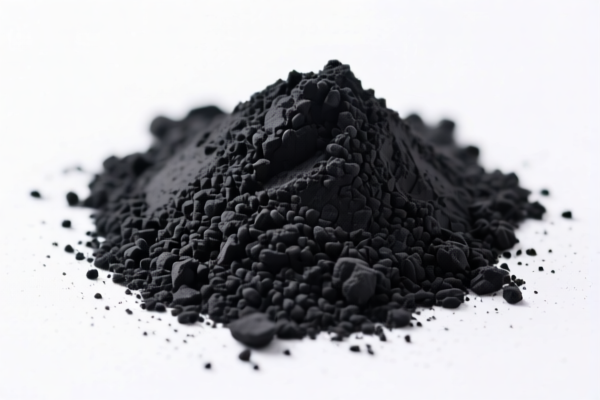
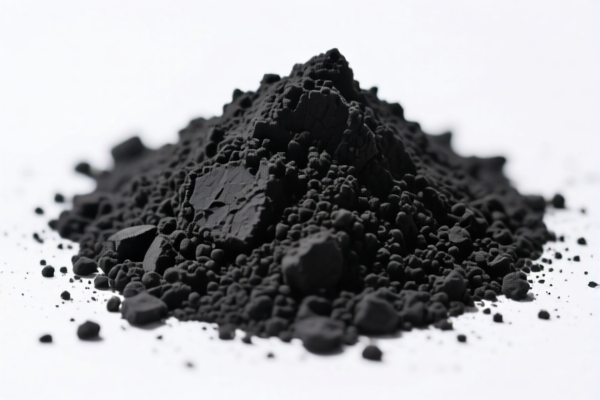
AI分析
🦀 Crab Shell Powder (Crab Shell Flour)
🌐 HS Code Reference & Customs Clearance Guide | 2026 Latest Tariff Analysis | Professional Classification Strategy
📌 1. Product Definition & Classification: What Exactly Is "Crab Shell Powder"?
Crab Shell Powder is a by-product of the seafood processing industry, primarily composed of chitin and calcium carbonate. In international trade, it serves two main functions: Animal Feed Additives or Chemical/Industrial Raw Materials. The classification depends heavily on its intended use, processing level, and chemical composition.
⚠️ Key Distinction Point:
- If intended for animal consumption (fish, poultry, pet food) → Classified under Chapter 23 (Feed Preparations).
- If intended for chemical extraction, filtration, or industrial mixing → Classified under Chapter 38 (Chemical Products).
📦 2. HS Code Classification Details (2026 Latest Tariff Authority Comparison)
| HS Code | Product Description | Application Scenario | Classification Logic |
|---|---|---|---|
2309.90.95.00 |
Other preparations for animal feeding | Aquaculture feed, poultry feed, pet food additives | ✅ Feed Additive: Primary raw material for animal nutrition |
2309.90.10.50 |
Animal feed preparations, other | Animal extract ingredients, specialized feed supplements | ✅ Feed Extract: Fits "Other" category in feed preparations |
3824.99.93.97 |
Chemical products & preparations, other | Natural product processing powder, refined chitin/calcium mixes | ✅ Chemical/Natural: Natural product mixture/formulation |
3824.99.39.90 |
Chemical industry mixtures | Organic/inorganic hybrid components, industrial binders/filters | ✅ Chemical Mix: Inorganic/organic hybrid chemical preparation |
🔍 Key Reminder:
- Feed Use: If the powder is marketed directly as a feed ingredient, Chapters 23 (2309) are preferred.
- Industrial Use: If it is a refined chemical intermediate or mixed with other chemicals for non-feed purposes, Chapter 38 (3824) applies.
- Misclassification Risk: Declaring industrial-grade powder as feed (or vice versa) without proper documentation can lead to delays or penalties.
💰 3. 2026 Latest Tariff Rate Details (Including Additional Taxes & Policy Surcharges)
✅ Applicable Country: United States (US)
✅ Origin: China (CN)
✅ Effective Date: November 10, 2025 onwards (for subsequent imports)
🎯 1. 2309.90.95.00 —— Feed Preparations (Primary Raw Material)
| Item | Content |
|---|---|
| Base Tariff | 1.4% |
| Section 301 Additional Tariff | +25.0% |
| Section 122 Tariff | +10.0% |
| Total Tariff Rate | 36.4% |
| Tax Calculation | CIF Value × 36.4% |
| De Minimis Exemption? | ❌ No (High duty rates usually exclude de minimis benefits) |
| Legal Basis Path | Base: 1.4% → 301: 25% → 122: 10% → Total: 36.4% |
📌 Explanation:
- This is the most common classification for direct feed ingredients.
- The 25% Section 301 tariff is the primary cost driver.
- The 10% Section 122 tariff may apply depending on specific trade enforcement policies for agricultural/animal products.
- Total Burden: High. Importers must budget for nearly 1/3 of the product value in duties alone.
🎯 2. 2309.90.10.50 —— Feed Preparations (Animal Extracts/Other)
| Item | Content |
|---|---|
| Base Tariff | 0.0% |
| Section 301 Additional Tariff | +25.0% |
| Section 122 Tariff | +10.0% |
| Total Tariff Rate | 35.0% |
| Tax Calculation | CIF Value × 35.0% |
| De Minimis Exemption? | ❌ No |
| Legal Basis Path | Base: 0.0% → 301: 25% → 122: 10% → Total: 35.0% |
📌 Note:
- Slightly lower than2309.90.95.00due to a 0% base rate.
- Suitable if the powder is considered an "animal extract" rather than a general feed prep.
- Savings: 1.4% vs. the previous code. Small but significant at scale.
🎯 3. 3824.99.93.97 —— Chemical Products (Natural Product Mixtures)
| Item | Content |
|---|---|
| Base Tariff | 5.0% |
| Section 301 Additional Tariff | +25.0% |
| Section 122 Tariff | +10.0% |
| Total Tariff Rate | 40.0% |
| Tax Calculation | CIF Value × 40.0% |
| De Minimis Exemption? | ❌ No |
| Legal Basis Path | Base: 5.0% → 301: 25% → 122: 10% → Total: 40.0% |
📌 Explanation:
- This code applies if the product is viewed as a refined natural chemical product (e.g., high-purity chitin powder for industrial use).
- Highest Base Rate: 5% base makes this the most expensive option at 40%.
- Use Case: Only for industrial/pharmaceutical-grade chitin, not general feed.
🎯 4. 3824.99.39.90 —— Chemical Mixtures (Organic/Inorganic)
| Item | Content |
|---|---|
| Base Tariff | 0.0% |
| Section 301 Additional Tariff | +25.0% |
| Section 122 Tariff | +10.0% |
| Total Tariff Rate | 35.0% |
| Tax Calculation | CIF Value × 35.0% |
| De Minimis Exemption? | ❌ No |
| Legal Basis Path | Base: 0.0% → 301: 25% → 122: 10% → Total: 35.0% |
📌 Note:
- Similar total rate to2309.90.10.50.
- Applicable if the powder is a mixture of organic (chitin) and inorganic (calcium carbonate) components used in non-feed chemical applications.
- Caution: Must prove non-feed use to avoid misclassification penalties.
🛠️ 4. Customs Clearance Practical Advice (Battle-Tested Pitfall Guide)
✅ 1. Required Documentation Checklist (All Mandatory)
| Document | Must Provide | Description |
|---|---|---|
| ✅ Product Specification Sheet | ✔️ | Include particle size, chitin content %, moisture content, intended use |
| ✅ MSDS / SDS (Safety Data Sheet) | ✔️ | Critical for Chapter 38 codes to prove chemical nature |
| ✅ Commercial Invoice | ✔️ | Must clearly state: "Crab Shell Powder for [Feed/Industrial] Use" |
| ✅ Certificate of Origin (CO) | ✔️ | To verify China origin and apply correct Section 301/122 rates |
| ✅ Packing List | ✔️ | Net weight, gross weight, packaging type |
| ✅ Use Declaration Letter | ✔️ | Signed statement: "This product is intended for [Animal Feed / Industrial Chemical Application] only" |
✅ 2. Classification Tips (Key Mnemonics)
🔥 “Feed First, Chemical Second; Use Determines Code!”
| Scenario | Correct HS Code | Wrong Code | Consequence |
|---|---|---|---|
| Sold as Fish Feed Ingredient | 2309.90.95.00 or 2309.90.10.50 |
3824.xxxx |
Risk of audit, but correct if documented as feed |
| Sold as Industrial Filtration Aid | 3824.99.39.90 or 3824.99.93.97 |
2309.xxxx |
Misclassification if used in feed |
| Mixed Use (Ambiguous) | Choose based on Primary Intent | Random Choice | Customs may downgrade to highest tax or request clarification |
| High-Purity Chitin Extract | 3824.99.93.97 |
2309.90.10.50 |
Higher base tariff (5% vs 0%) |
✅ 3. Special Cases & Handling
| Situation | Handling Advice |
|---|---|
| OEM Custom Powder | Provide client contract specifying end-use. Avoid generic terms like "Biological Powder." |
| Mixed Packaging (Feed + Industrial Samples) | Separate Shipments. Do not mix feed and industrial declarations in one HS Code. |
| High Chitin Content (>50%) | Consider Chapter 38 if refined. If crude, Chapter 23 is safer for feed. |
| Re-export from Third Country | If processed in Vietnam/Malaysia, check rules of origin. May avoid Section 301 if sufficient transformation occurs. |
🌍 5. Global Market Comparison (2026 Latest)
| Country/Region | Recommended HS Code | Tariff Rate (China Origin) | Key Certifications | Notes |
|---|---|---|---|---|
| 🇺🇸 USA | 2309.90.10.50 (Feed) |
35.0% (Base 0% + 35% Add) | FDA Registration, GMP | 40% if classified as Chemical |
| 🇨🇳 China | 2309.90.95.00 |
5% - 10% | None specific | Domestic trade is cheaper |
| 🇪🇺 EU | 2309.90.90 |
0% - 5% | EU Feed Additive Approval | Strict on heavy metals/microbials |
| 🇦🇺 Australia | 2309.90.90 |
5% | Biosecurity Import Permit | High biosecurity scrutiny |
| 🇯🇵 Japan | 2309.90.90 |
3.5% - 5% | FFW (Feed Additive) Registration | Purity standards are strict |
📌 Conclusion:
- USA imposes the highest total tariff (35-40%) due to Section 301 and Section 122.
- EU/Japan/Australia are more open but require strict regulatory approval (Biosecurity/Feed Additive lists).
- China remains the largest producer; export costs are driven by duty + logistics.
📌 6. Common Mistakes & Pitfall Guide (Lessons Learned)
❌ Mistake 1: Declaring industrial chitin powder as "Feed" to avoid higher chemical tariffs
👉 Consequence: Customs audit → Fine for misdeclaration + possible seizure.
❌ Mistake 2: Using vague description "Organic Powder"
👉 Consequence: Customs assigns highest duty code by default → 40%+ tax.
❌ Mistake 3: Ignoring Section 122 Tariff
👉 Consequence: Underpayment of 10% → Back taxes + Interest.
❌ Mistake 4: Mixing Feed and Industrial samples in one shipment
👉 Consequence: Entire shipment held for inspection → Delays + Storage Fees.
✅ Correct Practice:
"Crab Shell Powder (Chitin Source), 80 mesh, for Aquaculture Feed Use, Model CS-80, MSDS Attached"
🎯 7. Conclusion: Precise Classification Saves Costs!
🎯 Remember the Golden Rule:
🔹 "Feed = Chapter 23, Chemical = Chapter 38"
🔹 "35% is the Sweet Spot (Feed), 40% is the Trap (Chemical)"
🔹 "Document the Use, Avoid the Penalty!"
📌 Pro Tip:
If your product is re-exported from Vietnam, Malaysia, or Thailand with substantial transformation (e.g., extraction to pure chitin), you may qualify for IEEPA/301 Exemption.
✅ Recommendation: Apply for a Pre-Ruling (Advance Ruling) from US CBP before shipping to confirm the exact HS Code and duty rate.
📣 Take Action Now:
📞 Contact a Licensed Customs Broker + Provide Product Specs & MSDS + Apply for Pre-Ruling
🚀 Ensure Smooth Clearance, Minimize Duties, Maximize Profit!
✨ Professional Clearance Starts with Accurate Classification!
💼 Every Cent Counts in International Trade!
用户评价
关于 HS 编码归类
协调制度(HS)是由世界海关组织(WCO)制定的国际贸易商品分类标准。全球 200 多个国家采用 HS 系统作为海关关税、贸易统计和进出口监管的基础。
每个 HS 编码遵循以下层级结构:
- 章(2 位)——商品大类(例如:第 84 章:机器和机械设备)
- 品目(4 位)——章内的更具体分类
- 子目(6 位)——国际通用细分,所有 WCO 成员国统一使用
- 本国细分(8-10 位)——各国自行扩展的细分编码,如美国 HTSUS 10 位编码
正确的 HS 编码归类对于顺利通关、准确缴纳关税和遵守贸易法规至关重要。错误归类可能导致海关延误、多缴关税或罚款。
从CN进口到US时,适用的关税税率可能包括:
- 最惠国(MFN)税率——适用于 WTO 成员国的标准关税税率
- 普通税率——适用于无贸易协定国家
- 贸易救济关税——附加关税,如 301 条款(反倾销)、232 条款(国家安全)或反补贴税
本页内容仅供参考。如需正式归类,请咨询当地海关或持牌报关代理。