Curling Comb
CN → US| HS编码 | 关税税率 | 原产国 | 目的国 | 文档 |
|---|---|---|---|---|
| 3924900500 | 20.6% | CN | US | 官方文档 |
| 6704190000 | 17.5% | CN | US | 官方文档 |
| 9615906000 | 21.0% | CN | US | 官方文档 |
| 3924905650 | 20.9% | CN | US | 官方文档 |
| 6704900000 | 17.5% | CN | US | 官方文档 |
商品图片
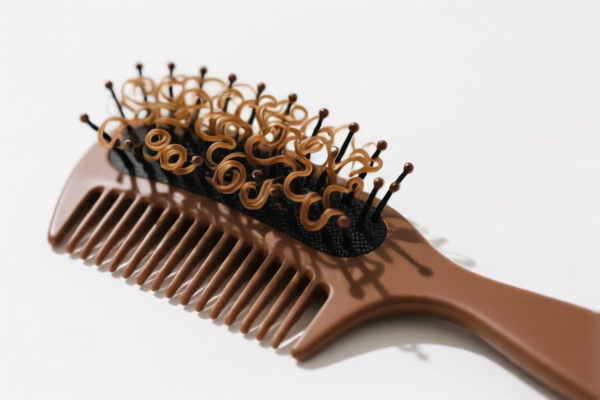
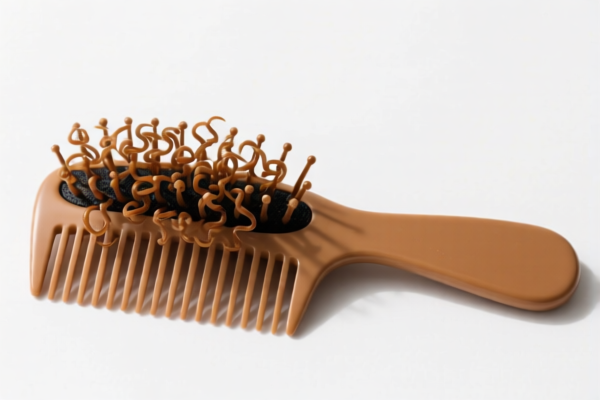
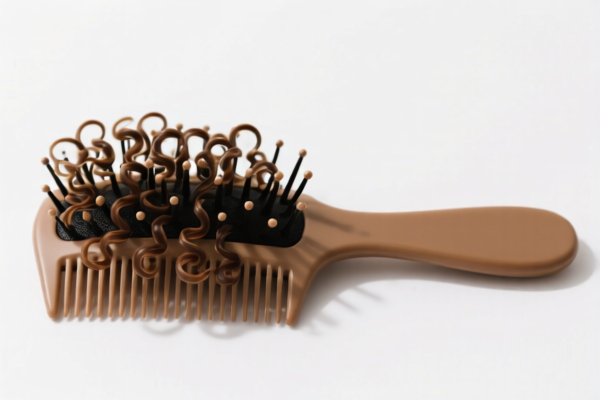

AI分析
💇♀️ Curling Comb (Plastic Hair Curling Comb)
🌐 HS Code Reference & Customs Clearance Guide | 2026 Latest Tariff Analysis | Strategic Entry Strategies 📌 Part I: Product Definition & Classification: Do You Really Understand the "Curling Comb"?
The Plastic Curling Comb is a personal care tool used primarily for styling hair, creating curls, or detangling. In international trade, its classification is tricky because it sits at the intersection of plastic household articles, hair accessories, and toiletry articles.
The core distinction lies in its primary function: * Toilet Article (Hair Styling Tool): If the item is designed explicitly as a comb for hair grooming/styling, it falls under Chapter 96 (Articles of Hairdressing). * Plastic Household/Toiletry Article: If classified as a general plastic household item or toiletry accessory without specific "comb" classification precedence, it may fall under Chapter 39 (Plastics). * Hair Accessories (Extensions/Wigs): Rarely applies to standard combs, but if marketed as an accessory for hairpieces, it might fall under Chapter 67.
⚠️ Key Classification Distinction: - If the product is a standard comb used for hair -> 9615 (Other hairdressing articles) is the most specific and often preferred heading. - If deemed a general plastic toiletry item (e.g., part of a kit, or not primarily a "comb" structure) -> 3924 (Plastic tableware/kitchenware/toiletry articles). - If deemed an accessory for hairpieces -> 6704 (Wigs, false eyebrows, etc.).
📦 Part II: HS Code Classification Details (2026 Latest Tariff Reference)
Based on the provided data, here are the four potential HS Codes for a Plastic Curling Comb, along with their specific tariff details.
Note: All taxes below include Base Tariff, Section 301/Added Tariff (7.5%), and Section 122 Tariff (10%).
| HS Code | Summary Description | Total Tax Rate | Tax Breakdown (Base + Added + Sec 122) |
|---|---|---|---|
| 3924.90.05.00 | Plastic household/beauty item; plastic material. | 20.6% | Base: 3.1% + Added: 7.5% + Sec 122: 10% |
| 6704.19.00.00 | Hair accessories (similar items); synthetic material. | 17.5% | Base: 0.0% + Added: 7.5% + Sec 122: 10% |
| 9615.90.60.00 | Hair styling tool (Comb); plastic material. | 21.0% | Base: 11.0% + Added: 0.0% + Sec 122: 10% |
| 3924.90.56.50 | Plastic toiletry/hygienic article; household item. | 20.9% | Base: 3.4% + Added: 7.5% + Sec 122: 10% |
| 6704.90.00.00 | Other hairpiece accessories; plastic material. | 17.5% | Base: 0.0% + Added: 7.5% + Sec 122: 10% |
💰 Part III: Tariff Rate Analysis (Detailed Breakdown)
✅ Applicable Market: US Imports from China (CN)
✅ Product: Plastic Curling Comb
✅ Components: Base Tariff + Section 301/Added Tariff (7.5%) + Section 122 Tariff (10%)
🎯 1. Option A: Classified as Plastic Household/Toiletry Item
HS Codes: 3924.90.05.00 & 3924.90.56.50
These codes classify the comb as a general plastic article rather than a specific hairdressing tool.
| Item | 3924.90.05.00 |
3924.90.56.50 |
|---|---|---|
| Base Tariff | 3.1% | 3.4% |
| Added Tariff | 7.5% | 7.5% |
| Sec 122 Tariff | 10% | 10% |
| Total Rate | 20.6% | 20.9% |
| Analysis | Low base rate. The majority of the cost comes from the Section 122 (10%) and Added (7.5%) tariffs. |
🎯 2. Option B: Classified as Hair Accessories (Chapter 67)
HS Codes: 6704.19.00.00 & 6704.90.00.00
These codes treat the comb as an accessory for wigs, hairpieces, or similar items. This offers the lowest total tax burden.
| Item | 6704.19.00.00 |
6704.90.00.00 |
|---|---|---|
| Base Tariff | 0.0% | 0.0% |
| Added Tariff | 7.5% | 7.5% |
| Sec 122 Tariff | 10% | 10% |
| Total Rate | 17.5% | 17.5% |
| Analysis | Best Tax Rate. Since the base is 0%, you only pay the added duties. However, customs may challenge this classification for a standard hair comb, arguing it is not an "accessory for hairpieces." |
🎯 3. Option C: Classified as Hairdressing Tool (Chapter 96)
HS Code: 9615.90.60.00
This is the most accurate classification for a "Comb" (a hairdressing article).
| Item | 9615.90.60.00 |
|---|---|
| Base Tariff | 11.0% |
| Added Tariff | 0.0% |
| Sec 122 Tariff | 10% |
| Total Rate | 21.0% |
| Analysis | Highest Total Tax. Although the Added Tariff is 0%, the high Base Tariff (11%) pushes the total to 21.0%. This is the safest "correct" classification but most expensive. |
🔍 Key Takeaway: - Cheapest: Chapter 67 (17.5%) – Risk: Customs may reject if not clearly an accessory. - Middle: Chapter 39 (20.6%-20.9%) – Moderate risk, treated as plastic household item. - Most Accurate but Expensive: Chapter 96 (21.0%) – Low risk, but highest cost.
🛠️ Part IV: Customs Clearance Recommendations (Practical Tips)
✅ 1. Documentation Checklist
| Document | Requirement | Purpose |
|---|---|---|
| Product Description | "Plastic Hair Curling Comb" | Must be specific. Avoid vague terms like "Plastic Tool." |
| Material Composition | 100% Plastic (e.g., PP, PE) | Determines Chapter 39 vs. others. |
| Function Statement | "Used for styling hair" | Supports Chapter 96 (Hairdressing) or 39 (Toiletry). |
| Photos | Clear images of the comb | Proves it is a comb, not a wig accessory (6704). |
| Invoice | CIF Value | Used for tax calculation. |
✅ 2. Strategic Classification Advice
🟢 Strategy 1: Optimize for Cost (Aggressive)
- Target HS Code:
6704.19.00.00or6704.90.00.00(17.5%) - How: Market the comb as an "Accessory for Hair Extension Kits" or "Accessory for Wig Styling."
- Risk: High. CBP may reclassify as
9615or3924, leading to back taxes and penalties. - Recommendation: Only use if the comb is sold bundled with wigs/extensions in a way that clearly positions it as an accessory.
🟡 Strategy 2: Balanced Approach (Recommended)
- Target HS Code:
3924.90.05.00or3924.90.56.50(20.6%-20.9%) - How: Classify as a "Plastic Toiletry/Beautifying Article."
- Why: Lower base tariff than Chapter 96. Customs often accepts plastic beauty tools under Chapter 39 if they are not exclusively "combs" in the traditional sense (e.g., if it has rollers or special shapes).
- Recommendation: Strong balance of cost and compliance.
🔴 Strategy 3: Maximum Compliance (Conservative)
- Target HS Code:
9615.90.60.00(21.0%) - How: Declare explicitly as "Hairdressing Comb."
- Why: This is the most legally accurate description for a comb.
- Recommendation: Use if you have high volume and want to avoid any audit risk. The 0.1-0.5% difference vs. Chapter 39 is minimal compared to audit costs.
✅ 3. Common Mistakes & Pitfalls
❌ Mistake 1: Classifying as 6704 without bundling.
👉 Result: CBP may classify as 9615 (21%) and charge back taxes + penalties.
❌ Mistake 2: Ignoring Section 122 Tariff. 👉 Result: All items in the data include 10% Sec 122 Tariff. Failure to include this in your landed cost calculation will destroy margins.
❌ Mistake 3: Confusing "Base Tariff" with "Total Tariff." 👉 Result: A 0% base tariff (6704) sounds good, but adding 7.5% (Added) + 10% (Sec 122) = 17.5%. Don't get fooled by low base rates.
📌 Part V: Final Verdict & Action Plan
🏆 Best Choice for Most Importers:
3924.90.05.00 or 3924.90.56.50 (Total: ~20.6-20.9%)
- Reason: It avoids the high base tariff of Chapter 96 (11%) while being more defensible than Chapter 67 (which is for hairpieces, not combs).
- Savings vs. Chapter 96: ~0.1-0.4% less tax.
- Savings vs. Chapter 67: Slightly higher, but much lower risk of classification dispute.
⚡ Quick Tips for Lower Duties:
- Check for Exclusions: Verify if the product qualifies for any Section 301 exclusions (though unlikely for plastic combs in 2026).
- Supply Chain Diversification: If possible, source from countries not subject to Section 122 or Added Tariffs (e.g., Vietnam, Thailand) – though this requires significant supply chain changes.
- Pre-Ruling: If importing large volumes, file a Customs Ruling with CBP to lock in the classification. This provides legal certainty and protects against retroactive audits.
🎯 Conclusion: Precision in Classification Saves Money
🔹 "Don't just look at the Base Rate! Add Added Tariffs (7.5%) and Section 122 (10%). Total Landed Cost is Key." 🔹 "Chapter 96 is safest but most expensive. Chapter 67 is cheapest but risky. Chapter 39 is the sweet spot." 🔹 "Always declare accurately. Misclassification can lead to 20%+ penalties, far exceeding the small tariff difference."
✨ Professional Clearance Starts with Accurate Classification! 💼 Every Percentage Point Counts in Your Profit Margin!
用户评价
关于 HS 编码归类
协调制度(HS)是由世界海关组织(WCO)制定的国际贸易商品分类标准。全球 200 多个国家采用 HS 系统作为海关关税、贸易统计和进出口监管的基础。
每个 HS 编码遵循以下层级结构:
- 章(2 位)——商品大类(例如:第 84 章:机器和机械设备)
- 品目(4 位)——章内的更具体分类
- 子目(6 位)——国际通用细分,所有 WCO 成员国统一使用
- 本国细分(8-10 位)——各国自行扩展的细分编码,如美国 HTSUS 10 位编码
正确的 HS 编码归类对于顺利通关、准确缴纳关税和遵守贸易法规至关重要。错误归类可能导致海关延误、多缴关税或罚款。
从CN进口到US时,适用的关税税率可能包括:
- 最惠国(MFN)税率——适用于 WTO 成员国的标准关税税率
- 普通税率——适用于无贸易协定国家
- 贸易救济关税——附加关税,如 301 条款(反倾销)、232 条款(国家安全)或反补贴税
本页内容仅供参考。如需正式归类,请咨询当地海关或持牌报关代理。