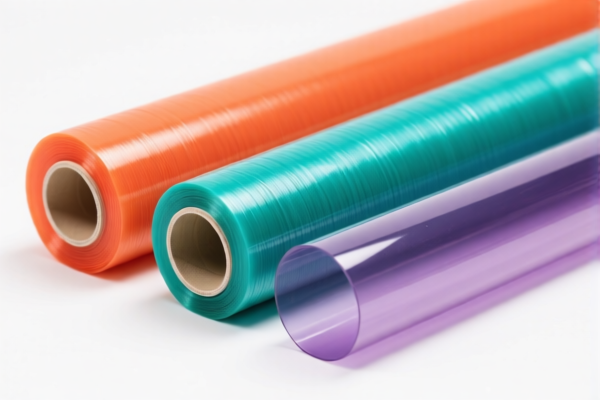
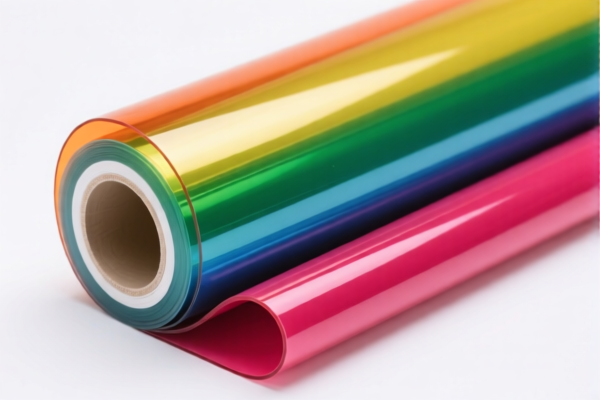
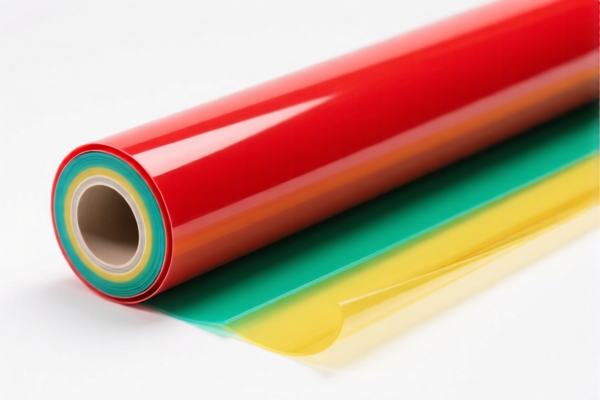
Customizable Thickness Colored Film
CN → US| HS编码 | 关税税率 | 原产国 | 目的国 | 文档 |
|---|---|---|---|---|
| 3921904090 | 39.2% | CN | US | 官方文档 |
| 3921905050 | 39.8% | CN | US | 官方文档 |
| 3920591000 | 41.0% | CN | US | 官方文档 |
| 3920992000 | 39.2% | CN | US | 官方文档 |
| 3921904090 | 39.2% | CN | US | 官方文档 |
商品图片

AI分析
🎨 Customizable Thickness Colored Film (Plastic & Acrylic-based)
🌐 HS Code Reference & Customs Clearance Guide | 2026 Latest Tariff Analysis | Professional Entry Strategy
📌 1. Product Definition & Classification: What exactly is "Colored Film"?
Customizable Thickness Colored Film refers to flat, flexible sheets made of plastics or acrylic polymers, typically used for printing, packaging, signage, or decorative purposes. The key characteristics determining its classification are: 1. Material Composition: Is it general plastic or specific acrylic/polymers? 2. Physical Form: Is it strictly a film (thin, flexible)? 3. Processing: Is it printed or unprinted? (Note: Customs often classifies based on the base material if the printing is considered a finishing process not altering the fundamental nature of the plastic film).
⚠️ Key Distinction:
- If the material is general plastic (e.g., PE, PP, PVC, PET, PS) → It falls under Chapter 39, Heading 3921 or 3920.
- If the material is acrylic or related polymers (e.g., PMMA, Polystyrene) → It may fall under Heading 3920.
- Thickness itself does not change the HS Code, but it confirms the "film" classification versus "plate/sheet" if thick enough.
📦 2. HS Code Classification Details (2026 Latest Tariff Alignment)
Based on the provided data, the product is classified into four specific HS Codes depending on the exact polymer type.
| HS Code | Product Description | Material Specifics | Applicable Scenario |
|---|---|---|---|
3921.90.40.90 |
Color printing film, plastic | General Plastic | Generic colored plastic films for printing/packaging |
3921.90.50.50 |
Color printing film, plastic | General Plastic | Alternative sub-heading for similar general plastic films |
3920.59.10.00 |
Color printing film, plastic | Acrylic or related polymers | Films made specifically from Acrylic (PMMA), Polystyrene, or similar |
3920.99.20.00 |
Color printing film, plastic | Other Plastics | Films made from "Other" plastics not covered in 3921.90 or specific acrylic headings |
🔍 Critical Note:
- 3921.90: Covers "Other plates, sheets, film, bulletproof etc., of plastics". Sub-headings 40 and 50 distinguish between different types of "other" plastics.
- 3920: Covers "Other plates, sheets, film... of plastics". Sub-heading 59 is for "Other, of acrylic polymers".
- 3920.99: Covers "Other" plastics not elsewhere specified.
💰 3. 2026 Latest Tariff Rate Breakdown (Including Surtaxes & Policy Add-ons)
✅ Applicable Country: United States (US)
✅ Origin: China (CN)
✅ Effective Date: Post-November 2025 (Current Trade Environment)
🎯 1. 3921.90.40.90 & 3921.90.50.50 —— General Plastic Colored Films
These two codes cover the majority of standard plastic films. They share similar tariff structures in the provided data.
| Item | Content |
|---|---|
| Base Tariff | 4.2% (3921.90.40.90) / 4.8% (3921.90.50.50) |
| Section 301 Surtax (25%) | +25.0% (Applied to most Chinese plastic imports) |
| Section 122 Tariff (10%) | +10.0% (Specific policy surcharge for certain Chinese imports) |
| Total Effective Rate | 39.2% (3921.90.40.90) / 39.8% (3921.90.50.50) |
| Calculation Basis | CIF Value × Total Rate |
| De Minimis Exemption | ❌ Not Eligible (High tariff rates typically exclude small package exemptions) |
| Legal Reference Path | HTSUS:3921.90 → 301_Lookup → Section_122_Policy |
📌 Explanation:
- The 25% Section 301 tariff is the standard penalty for many Chinese plastic goods under U.S. trade actions.
- The 10% Section 122 tariff is an additional layer for specific Chinese imports, significantly increasing the cost.
- Total Cost Impact: Nearly 40% of the product value is tax. This is a high-cost category.
🎯 2. 3920.59.10.00 —— Acrylic-Based Colored Films
Films made from acrylic or related polymers often face slightly higher base tariffs due to different material classifications.
| Item | Content |
|---|---|
| Base Tariff | 6.0% |
| Section 301 Surtax (25%) | +25.0% |
| Section 122 Tariff (10%) | +10.0% |
| Total Effective Rate | 41.0% |
| Calculation Basis | CIF Value × 41.0% |
| De Minimis Exemption | ❌ Not Eligible |
| Legal Reference Path | HTSUS:3920.59 → 301_Lookup → Section_122_Policy |
📌 Note:
- Even though it's a "specialty" polymer (acrylic), it is still subject to the full 35% in surtaxes (25% + 10%).
- The base rate (6.0%) is higher than general plastics (4.2–4.8%), making this the most expensive option.
🎯 3. 3920.99.20.00 —— Other Plastic Films
This code captures plastics that don't fit the "other" (3921.90) or "acrylic" (3920.59) specific buckets.
| Item | Content |
|---|---|
| Base Tariff | 4.2% |
| Section 301 Surtax (25%) | +25.0% |
| Section 122 Tariff (10%) | +10.0% |
| Total Effective Rate | 39.2% |
| Calculation Basis | CIF Value × 39.2% |
| De Minimis Exemption | ❌ Not Eligible |
| Legal Reference Path | HTSUS:3920.99 → 301_Lookup → Section_122_Policy |
📌 Note:
- This rate mirrors the3921.90.40.90code.
- Use this code only if the material is clearly defined as "other plastic" and does not fit the specific definitions of 3921.90 or 3920.59.
🛠️ 4. Customs Clearance Practical Advice (Pitfall Avoidance Guide)
✅ 1. Required Documentation Checklist (Must-Have)
| Document | Required | Purpose |
|---|---|---|
| ✅ Material Declaration | ✔️ | Must specify exact polymer type (e.g., "Polyethylene," "Polystyrene," "Acrylic"). Vague terms like "Plastic" may lead to misclassification. |
| ✅ Product Specifications | ✔️ | Include thickness (mm/mils), width, color, and whether it is printed or unprinted. |
| ✅ Technical Data Sheet (TDS) | ✔️ | Proves chemical composition (Acrylic vs. Other Plastic). |
| ✅ Commercial Invoice | ✔️ | Clearly state "Customizable Thickness Colored Film" and correct HS Code. |
| ✅ Packing List | ✔️ | Detail net/gross weight and packaging type. |
| ✅ Origin Certificate | ✔️ | Required to apply any potential FTAs (though limited for US-China trade). |
✅ 2. Declaration Tips (Key Mnemonics)
🔥 "Material First, Surtax Second, Code Precision Saves Money!"
| Scenario | Correct Declaration | Wrong Practice |
|---|---|---|
| Generic Plastic Film | 3921.90.40.90 or 3921.90.50.50 |
Misdeclaring as 3920 to guess lower tax → Penalty! |
| Acrylic Film | 3920.59.10.00 |
Declaring as "Plastic" → Underpayment & Audit Risk |
| Printed vs. Unprinted | Specify "Printed" if applicable | Omitting printing status → Potential Re-classification |
| Thickness | Specify exact mm/mils | Vague "Thin Film" → Customs May Estimate Wrong Code |
📌 Critical Reminder:
- Section 301 (25%) and Section 122 (10%) are non-negotiable for Chinese-origin plastic films entering the US.
- No duty-free exemptions or de minimis ($800) thresholds apply due to the high tariff burden and trade policies.
✅ 3. Special Circumstances Handling
| Situation | Handling Advice |
|---|---|
| Multi-material Packaging | If film is part of a larger packaged good, ensure the film is not the "principal character" if trying to classify differently. |
| Re-imports | If exporting and re-importing, ensure no duty drawbacks are lost due to incorrect HS coding. |
| Changes in Material | If switching from Acrylic to General Plastic, update HS Code from 3920.59 to 3921.90 to save 1.8% base tax. |
| Customs Audit Risk | High rates mean higher scrutiny. Keep supplier declarations and lab test reports on hand to prove material composition. |
🌍 5. Global Market Comparison (2026 Latest)
| Country/Region | Recommended HS Code | Total Tariff (China Origin) | Certification Requirements | Notes |
|---|---|---|---|---|
| 🇺🇸 USA | 3921.90.40.90 etc. |
39.2% – 41.0% | FCC/CTA (if electronic components involved) | Highest tariff burden. No exemptions. |
| 🇨🇳 China | 3921.90.40.90 etc. |
5% – 8% | None typically | Low duty for import into China. |
| 🇪🇺 EU | 3920.59.10 etc. |
6.5% | REACH (Chemical Registration) | No 25% surtax, but REACH compliance is critical. |
| 🇬🇧 UK | 3920.59.10 etc. |
6.5% | UKCA (if applicable) | Post-Brexit rules may vary; check UK Tariff. |
| 🇯🇵 Japan | 3920.59.10 etc. |
6% – 8% | PSE (if electrical) | Low tariff, no Section 301/122 equivalent. |
📌 Conclusion:
- USA is the most expensive market for these goods due to Section 301 + 122 tariffs.
- EU and Japan offer much lower tariff burdens but have stricter chemical/environmental regulations (REACH, RoHS).
- Strategy: Consider third-country sourcing (e.g., Vietnam, Thailand) for US market to avoid Section 301/122, but ensure substantial transformation occurs.
📌 6. Common Errors & Pitfalls (Blood & Tears Lessons)
❌ Error 1: Declaring "Acrylic Film" as "General Plastic" to get lower base rate
👉 Consequence: Customs lab test identifies acrylic → Back taxes + Penalties + Audit.
❌ Error 2: Assuming "Small Shipment" qualifies for De Minimis
👉 Consequence: Section 301/122 tariffs block de minimis exemption → Full tax + Delays.
❌ Error 3: Ignoring "Section 122" surcharge
👉 Consequence: Under-declaring by 10% → Seizure or Heavy Fines.
❌ Error 4: Vague Material Description ("Plastic Film")
👉 Consequence: Customs selects worst-case HS Code (highest tax) → Unexpected Costs.
✅ Correct Approach:
"Colored Acrylic Polymer Film, Thickness 0.5mm, for Printing, HS Code: 3920.59.10.00, Origin: China"
🎯 7. Conclusion: Professional Declaration, Cost Control
🎯 Remember the Mnemonic:
🔹 "Material Dictates Code, Section 301 & 122 Add 35%, Total Cost ~40%, No Exemptions Apply!"
🔹 "HS Code Accuracy Prevents Audits, Clear Material Specs Save Days, Tariff Planning Saves Dollars!"
📌 Pro Tip:
If you are sourcing from China and selling to the USA, consider:
1. Supplier Diversification: Shift production to Vietnam, Thailand, or Mexico to potentially avoid Section 301/122 tariffs (check rules of origin).
2. Pre-Ruling: Apply for a Binding Tariff Information (BTI) or Advance Ruling from US Customs to confirm the exact HS Code and tariff liability.
3. Cost-Benefit Analysis: With ~40% total tax, ensure your pricing model absorbs this cost or adjust margins accordingly.
📣 Take Action Now:
📞 Consult a licensed customs broker
📄 Provide Technical Data Sheets for material verification
🚀 Optimize your supply chain to mitigate tariff risks!
✨ Precise Classification is the Key to Smooth Customs Clearance!
💼 Every percentage point of tariff matters in your bottom line!
用户评价
关于 HS 编码归类
协调制度(HS)是由世界海关组织(WCO)制定的国际贸易商品分类标准。全球 200 多个国家采用 HS 系统作为海关关税、贸易统计和进出口监管的基础。
每个 HS 编码遵循以下层级结构:
- 章(2 位)——商品大类(例如:第 84 章:机器和机械设备)
- 品目(4 位)——章内的更具体分类
- 子目(6 位)——国际通用细分,所有 WCO 成员国统一使用
- 本国细分(8-10 位)——各国自行扩展的细分编码,如美国 HTSUS 10 位编码
正确的 HS 编码归类对于顺利通关、准确缴纳关税和遵守贸易法规至关重要。错误归类可能导致海关延误、多缴关税或罚款。
从CN进口到US时,适用的关税税率可能包括:
- 最惠国(MFN)税率——适用于 WTO 成员国的标准关税税率
- 普通税率——适用于无贸易协定国家
- 贸易救济关税——附加关税,如 301 条款(反倾销)、232 条款(国家安全)或反补贴税
本页内容仅供参考。如需正式归类,请咨询当地海关或持牌报关代理。