Customized Textile Outer Layer Beverage Bags
CN → US| HS编码 | 关税税率 | 原产国 | 目的国 | 文档 |
|---|---|---|---|---|
| 6307909891 | 24.5% | CN | US | 官方文档 |
| 4202920809 | 42.0% | CN | US | 官方文档 |
| 6305900000 | 23.7% | CN | US | 官方文档 |
| 6305390000 | 25.9% | CN | US | 官方文档 |
| 4202920807 | 42.0% | CN | US | 官方文档 |
商品图片
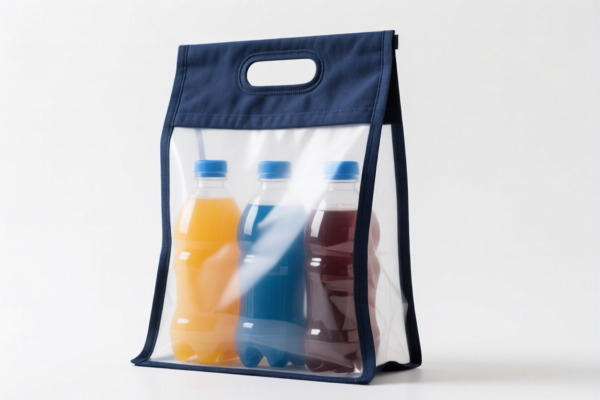
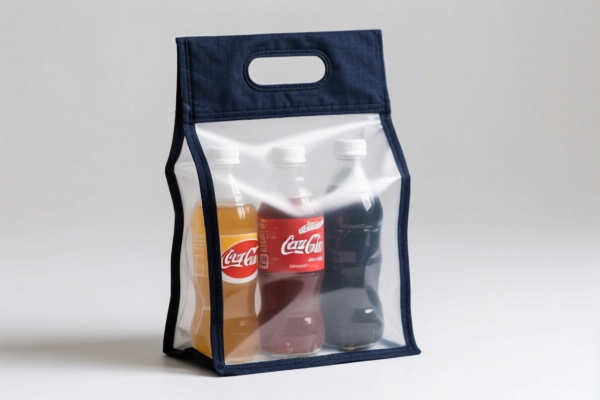
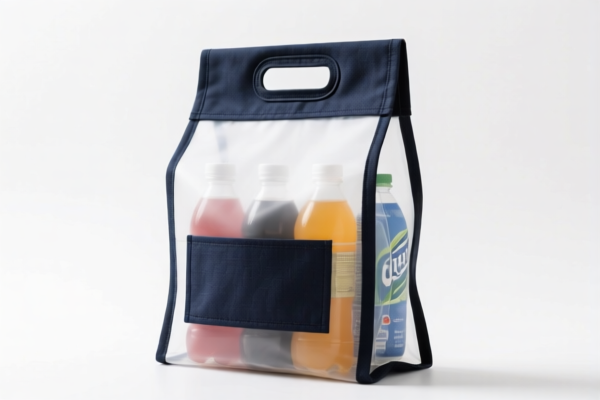
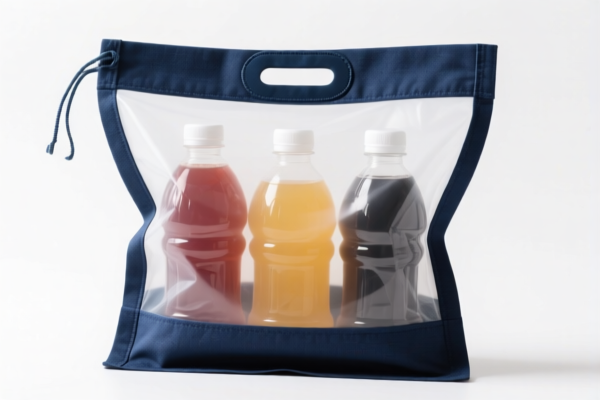
AI分析
🎒 Customized Textile Outer Layer Beverage Bags
🌐 HS Code Reference & Customs Clearance Guide | 2024-2026 Latest Tariff Analysis | Professional Entry Strategy
📌 1. Product Definition & Classification: What Are "Textile Outer Layer Beverage Bags"?
These are foldable bags primarily used for holding and transporting beverages. The key defining feature is the outer layer made of textile materials (fabric, woven/non-woven). They are considered finished goods or containers depending on their specific material composition and intended use (general packaging vs. food/drink insulation).
⚠️ Critical Classification Logic:
- If it is a general-purpose textile bag for packaging goods → Likely falls under Chapter 63 (Other made-up textile articles).
- If it is specifically designed as a food/drink container (even if insulated) with textile exterior → Likely falls under Chapter 42 (Articles of leather; saddlery and harness).
- Why multiple codes? Because "Textile" is broad. Is it natural fiber, synthetic, or artificial? Is it just a "bag" (6305/6307) or a "container for food/drink" (4202)? This distinction drives the tariff difference.
📦 2. HS Code Classification Details (Authoritative Mapping)
Based on the provided data, here are the 5 possible HS Code classifications for this product, ranging from general textile articles to specific beverage containers.
| HS Code | Product Description (from Data) | Classification Logic | Total Tax Rate |
|---|---|---|---|
6307.90.98.91 |
Foldable textile outer beverage bag; classified as a finished product, material is textile, fits "Other made-up textile articles." | General textile article not specified elsewhere. Broadest "Other" category. | 24.5% |
4202.92.08.09 |
Foldable textile outer beverage bag; textile outer layer, used for beverage bags, fits "Food or beverage bags made of textile materials." | Specific classification for beverage/food containers with textile exterior. Higher scrutiny. | 42.0% |
6305.90.00.00 |
Foldable textile outer beverage bag; material is other textile materials, used as bags for packaging goods. | General packaging bag made of unspecified textile. | 23.7% |
6305.39.00.00 |
Foldable textile outer beverage bag; material is artificial textile material, used for packaging, fits bag classification. | Specific to Artificial Textiles (e.g., polyester/nylon non-woven) used for packaging. | 25.9% |
4202.92.08.07 |
Foldable textile outer beverage bag; material is man-made fibers, used for beverage bags, fits classification requirements. | Specific to Man-Made Fiber beverage containers. High-risk for anti-dumping/surcharges. | 42.0% |
🔍 Key Insight:
- The highest tax (42.0%) applies if classified under Chapter 42 (4202.92.08.09or4202.92.08.07), which treats the item specifically as a beverage/food container.
- The lowest tax (~23-25%) applies if classified under Chapter 63 (6307or6305), which treats it as a general textile article or packaging bag.
- Risk: US Customs (CBP) may challenge a Chapter 63 declaration if the bag’s primary function is clearly for beverages, pushing it to Chapter 42.
💰 3. 2024-2026 Latest Tariff Rate Breakdown (Including Surcharges)
✅ Applicable Country: United States (US)
✅ Origin: China (CN)
✅ Effective Time: Ongoing (Section 301, Section 232, IEEPA)
🎯 A. Low-Tariff Scenarios (Chapter 63 - General Textile Articles)
1. 6307.90.98.91 — Other Made-Up Textile Articles
| Item | Detail |
|---|---|
| Base Duty | 7.0% |
| Section 301 Surcharge | 7.5% |
| Section 232 (122) Surcharge | 10.0% |
| Total Rate | 24.5% |
| De Minimis Exemption | ❌ No (Denied for China-origin textile articles subject to Section 301/232) |
| Legal Basis | USITC:6307.90.98.91 → FOOTNOTE:301 → FOOTNOTE:232 |
2. 6305.90.00.00 — Other Packaging Bags (Textile)
| Item | Detail |
|---|---|
| Base Duty | 6.2% |
| Section 301 Surcharge | 7.5% |
| Section 232 (122) Surcharge | 10.0% |
| Total Rate | 23.7% |
| De Minimis Exemption | ❌ No |
| Legal Basis | USITC:6305.90.00.00 → FOOTNOTE:301 → FOOTNOTE:232 |
3. 6305.39.00.00 — Packaging Bags of Artificial Textile
| Item | Detail |
|---|---|
| Base Duty | 8.4% |
| Section 301 Surcharge | 7.5% |
| Section 232 (122) Surcharge | 10.0% |
| Total Rate | 25.9% |
| De Minimis Exemption | ❌ No |
| Legal Basis | USITC:6305.39.00.00 → FOOTNOTE:301 → FOOTNOTE:232 |
🎯 B. High-Tariff Scenarios (Chapter 42 - Beverage/Food Containers)
4. 4202.92.08.09 — Beverage Bags (Textile Outer)
| Item | Detail |
|---|---|
| Base Duty | 7.0% |
| Section 301 Surcharge | 25.0% (Higher rate for Chapter 42) |
| Section 232 (122) Surcharge | 10.0% |
| Total Rate | 42.0% |
| De Minimis Exemption | ❌ No |
| Legal Basis | USITC:4202.92.08.09 → FOOTNOTE:301 → FOOTNOTE:232 |
5. 4202.92.08.07 — Beverage Bags (Man-Made Fiber)
| Item | Detail |
|---|---|
| Base Duty | 7.0% |
| Section 301 Surcharge | 25.0% |
| Section 232 (122) Surcharge | 10.0% |
| Total Rate | 42.0% |
| De Minimis Exemption | ❌ No |
| Legal Basis | USITC:4202.92.08.07 → FOOTNOTE:301 → FOOTNOTE:232 |
📌 Critical Warning:
- The Section 301 surcharge jumps from 7.5% to 25% for Chapter 42 classifications (4202).
- This is a 16.5% tax increase purely due to classification as a "beverage container" vs. "textile article."
- Section 232 (122) tariff of 10% applies to all listed codes for China-origin textile-related goods.
🛠️ 4. Customs Clearance Practical Advice (Avoiding Pitfalls)
✅ 1. Documentation Checklist (Non-Negotiable)
| Document | Required? | Notes |
|---|---|---|
| ✅ Product Spec Sheet | ✔️ | Must specify: "Foldable," "Textile Outer Layer," "Use for Beverages." |
| ✅ Material Composition | ✔️ | Is the outer layer Natural Fiber (Cotton/Linen) or Synthetic (Polyester/Nylon)? This determines Chapter 63 vs. 42 nuances. |
| ✅ Functional Description | ✔️ | Clearly state if it is insulated or just a fabric cover. Insulation often pushes towards Chapter 42. |
| ✅ Commercial Invoice | ✔️ | Must match the HS Code chosen. If you declare 6307 but invoice says "Beverage Carrier," CBP will reclassify to 4202. |
| ✅ Photos | ✔️ | Show the bag holding a can/bottle. Show the textile texture. |
✅ 2. Declaration Strategy & Risk Management
🔥 "Define by Material, Not Just Use!"
If the bag is primarily a textile bag (e.g., a reusable shopping bag adapted for drinks), argue for Chapter 63 (6307/6305).
If it is designed specifically as a drink sleeve/case (insulated, shaped for cans), it will likely be caught as Chapter 42 (4202).
| Scenario | Recommended HS Code | Risk Level | Why? |
|---|---|---|---|
| Simple Fabric Tote for holding 6-pack | 6305.90.00.00 or 6307.90.98.91 |
✅ Low | It’s a general textile bag. Use is secondary. |
| Insulated Beverage Sleeve | 4202.92.08.09 |
❌ High Cost | Functional definition as "food/drink container" triggers higher 301 rate. |
| Artificial Fiber (Non-woven) Bag | 6305.39.00.00 |
✅ Medium | Specific material code helps, but if used for drinks, CBP may still argue Chapter 42. |
✅ 3. Special Handling Tips
| Situation | Action |
|---|---|
| Customs Audit | Provide engineering drawings showing the textile outer layer is the primary structural element, not just a liner. |
| Labeling | Avoid using terms like "Cooler," "Insulated," or "Drink Carrier" prominently on the packaging if you intend to declare under Chapter 63. Use "Reusable Textile Bag" or "Market Tote." |
| Material Proof | Provide a fiber analysis report to prove if the textile is "Artificial" (6305.39) or "Other" (6305.90/6307.90). |
🌍 5. Global Market Comparison (2024-2026)
| Country/Region | Preferred HS Code | Est. Duty (China Origin) | Certification | Notes |
|---|---|---|---|---|
| 🇺🇸 USA | 6307.90.98.91 or 4202.92.08.09 |
24.5% – 42.0% | None (Textile) | High risk of reclassification. Always budget for 42% if beverage-specific. |
| 🇨🇳 China | 6307.90.98.91 or 4202.92.08.09 |
7% – 10% | None | Low duty, but high volume. |
| 🇪🇺 EU | 6305.33.00 or 4202.92 |
0% – 4% | None | Generally low duty, but strict labeling rules (recyclability). |
| 🇬🇧 UK | 6305.33.00 or 4202.92 |
4% – 6% | None | Post-Brexit rules apply. |
📌 Conclusion:
The US market is the most challenging due to the Section 301 + Section 232 combination.
- Chapter 63: ~24% Tax.
- Chapter 42: ~42% Tax.
- Strategy: If the product is not strictly a beverage cooler, push for Chapter 63 classification to save 16-18% in taxes.
📌 6. Common Mistakes & Pitfalls (Lessons Learned)
❌ Mistake 1: Declaring 6307 (General Textile) for a product clearly labeled "Insulated Beverage Bag."
👉 Consequence: CBP reclassifies to 4202 → Backpay of 17.5% difference + penalties.
❌ Mistake 2: Ignoring the Section 232 (122) 10% surcharge.
👉 Consequence: Many importers only budget for Section 301. For textile articles, both apply → Total tax is much higher than expected.
❌ Mistake 3: Using "De Minimis" (Section 321) for shipments under $800.
👉 Consequence: Deny_de_minimis applies to China-origin textile articles under Section 301/232. Every shipment will be taxed.
❌ Mistake 4: Confusing "Artificial Textile" (6305.39) with "Other Textile" (6305.90).
👉 Consequence: Misclassification leads to incorrect duty rates (8.4% base vs 6.2% base). While small, it causes entry errors.
✅ Correct Approach:
"Custom Foldable Textile Bag, Outer Layer 100% Polyester Woven, General Use Packaging, No Insulation, Model XYZ, Origin China"
🎯 7. Conclusion: Professional Declaration, Cost Optimization
🎯 Key Takeaway:
🔹 "Chapter 63 saves 16% vs. Chapter 42."
🔹 "Textile Outer = Chapter 63. Beverage Container = Chapter 42."
🔹 "Section 301 + Section 232 = 30-42% Total Tax."
🔹 "No De Minimis for China Textiles."
📌 Pro Tip:
If you are shipping high volumes, consider applying for an HTS Exclusion (if still available) or a Binding Ruling from US CBP to confirm your Chapter 63 classification. This provides legal certainty against the 42% tariff.
📣 Immediate Action:
📞 Consult a Customs Broker + Provide Material Specs + Avoid "Beverage" in Name if possible.
🚀 Classify Wisely. Clear Customs Smoothly. Protect Your Margins!
✨ Professional Customs Clearance Starts with Precise Classification!
💼 Every Percent of Duty is Profit Lost or Saved!
用户评价
关于 HS 编码归类
协调制度(HS)是由世界海关组织(WCO)制定的国际贸易商品分类标准。全球 200 多个国家采用 HS 系统作为海关关税、贸易统计和进出口监管的基础。
每个 HS 编码遵循以下层级结构:
- 章(2 位)——商品大类(例如:第 84 章:机器和机械设备)
- 品目(4 位)——章内的更具体分类
- 子目(6 位)——国际通用细分,所有 WCO 成员国统一使用
- 本国细分(8-10 位)——各国自行扩展的细分编码,如美国 HTSUS 10 位编码
正确的 HS 编码归类对于顺利通关、准确缴纳关税和遵守贸易法规至关重要。错误归类可能导致海关延误、多缴关税或罚款。
从CN进口到US时,适用的关税税率可能包括:
- 最惠国(MFN)税率——适用于 WTO 成员国的标准关税税率
- 普通税率——适用于无贸易协定国家
- 贸易救济关税——附加关税,如 301 条款(反倾销)、232 条款(国家安全)或反补贴税
本页内容仅供参考。如需正式归类,请咨询当地海关或持牌报关代理。