Customized Textile Plastic Sheet
CN → US| HS编码 | 关税税率 | 原产国 | 目的国 | 文档 |
|---|---|---|---|---|
| 4814900200 | 17.5% | CN | US | 官方文档 |
| 3926400010 | 15.3% | CN | US | 官方文档 |
| 3926909989 | 22.8% | CN | US | 官方文档 |
| 3926905900 | 37.4% | CN | US | 官方文档 |
| 3926905700 | 41.5% | CN | US | 官方文档 |
商品图片
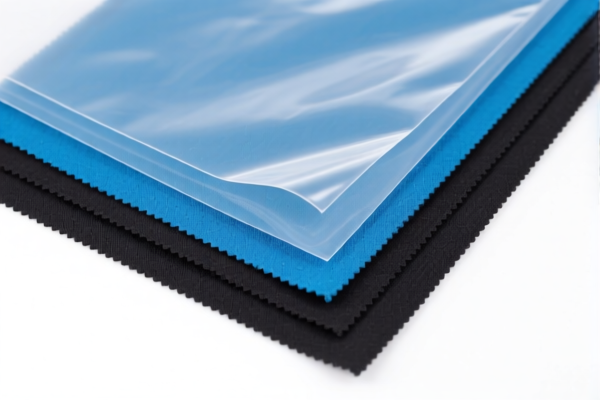
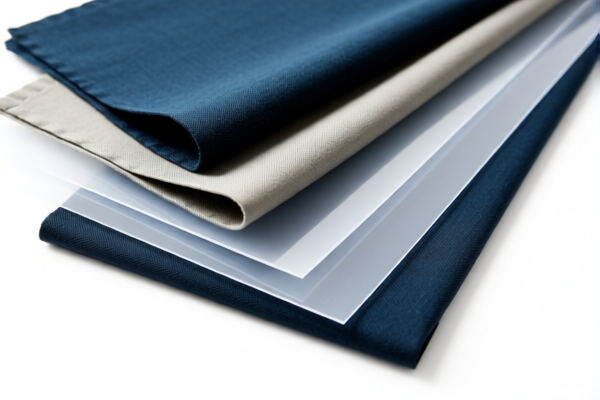
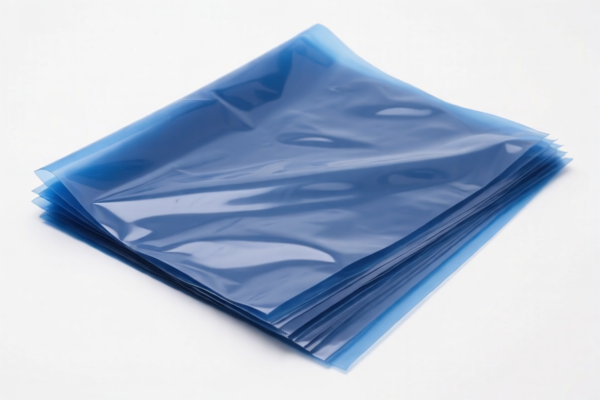
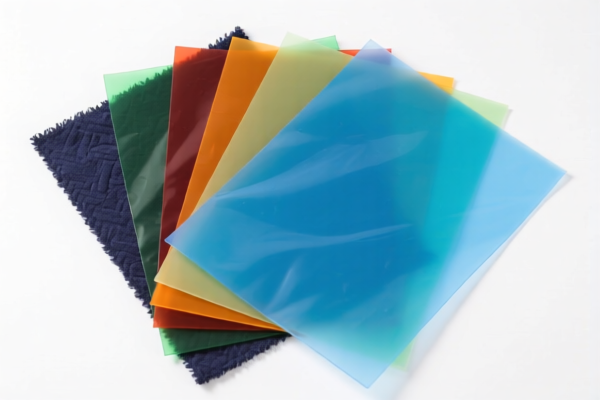
AI分析
🧱 Textile Plastic Sheet (Customized Decorative Laminates)
🌐 HS Code Reference & Customs Clearance Guide | 2026 Latest Tariff Analysis | Professional Transit Strategy
📌 I. Product Definition & Classification: What Exactly is a "Textile Plastic Sheet"?
"Customized Textile Plastic Sheet" is a composite decorative material, typically consisting of a plastic base (often PVC, PET, or PP) laminated with or infused with textile fibers to create texture, opacity, or aesthetic patterns. In international trade, its classification hinges critically on material composition, physical form, and primary function.
It is generally categorized into two main scenarios: 1. Paper-Like/Transparent Sheets: If the plastic sheet is thin, transparent/translucent, and used for window covers or wall coverings, it may be classified under Chapter 48 (Paper) if the paper/plastic ratio favors paper, or strictly under Chapter 39 (Plastics) if plastic is the essential character. 2. Other Plastic Articles: If the material is thicker, opaque, heavy, or clearly functions as a rigid or semi-rigid decorative panel (e.g., for walls, furniture), it falls under Chapter 39 (Plastics and Articles Thereof).
⚠️ Key Distinction Point:
- Function: Is it primarily a "covering" (window/wall) or a general "plastic article"?
- Material: Is the textile fiber integral to the plastic structure, or is it a surface layer?
- Weight/Thickness: Heavy/textured sheets often fall under specific "other" plastic subheadings.
📦 II. HS Code Classification Details (2026 Latest Tariff Authority对照)
Based on the provided data, there are 5 potential HS Codes depending on the specific physical attributes and intended use of the customized sheet.
| HS Code | Product Description | Applicable Scenario | Key Characteristics |
|---|---|---|---|
4814.90.02.00 |
Interior decorative textile plastic sheet, matching material/form, complying with paper-based window transparent sheet category and wall covering use | Transparent/Translucent wall/window coverings | Paper/Plastic Composite; Low Tax |
3926.40.00.10 |
Interior decorative textile plastic sheet, matching plastic material and sheet form, complying with plastic product classification logic | Standard decorative plastic sheets (non-heavy) | Plastic Essential Character; Medium Tax |
3926.90.99.89 |
Interior decorative textile plastic sheet, matching plastic material and sheet form, complying with "other" plastic articles category | General decorative plastic articles (generic) | Plastic Essential Character; High Tax (US Add-ons) |
3926.90.59.00 |
Heavy textile plastic sheet, matching plastic material, sheet form, and textile fiber attributes, complying with "other" category | Heavy-duty, textured, or high-density decorative panels | Heavy/Dense Plastic; Very High Tax |
3926.90.57.00 |
Heavy textile plastic sheet, matching plastic material and sheet form, complying with intermediate/semi-finished product characteristics | Semi-finished heavy plastic components | Intermediate/Heavy Plastic; Highest Tax |
🔍 Critical Analysis:
-4814.90.02.00offers the lowest tax burden (17.5%) but requires the product to be classified as a "paper-based" or "transparent window sheet" substitute. If your product is opaque and heavy, this code may be rejected by customs. -3926.40.00.10is the standard choice for typical decorative plastic sheets with 15.3% tax. It assumes plastic is the essential character but excludes heavy/specialized uses. -3926.90.xxxxxxcodes apply to heavy, textured, or semi-finished sheets. These carry significantly higher tariffs due to the "122 Clauses" and "Section 301" additions, totaling 22.8% to 41.5%.
💰 III. 2026 Latest Tariff Rate Details (Including Additional Taxes & Policy Surcharges)
✅ Applicable Country: USA (US)
✅ Origin: China (CN)
✅ Effective Time: Post-2025 (Including subsequent imports)
🎯 1. 4814.90.02.00 —— Interior Decorative Paper-Based/Transparent Sheets
| Item | Content |
|---|---|
| Basic Tariff | 0% (ad valorem) |
| Section 301 Additional Tariff | +7.5% (China-specific) |
| 122 Clauses Tariff | +10% (Targeting specific Chinese goods) |
| Total Effective Rate | 17.5% |
| Calculation | CIF Value × 17.5% |
| De Minimis Exemption? | ❌ No (High risk of scrutiny for composite materials) |
| Legal Basis | HTSUS 4814.90.02 → 301 Footnote → 122 Clauses |
📌 Explanation:
- This is the most favorable rate if the product can be legitimately classified as a paper-based window covering or transparent sheet. - Risk: Customs may reclassify as plastic if the plastic content is >50% or if the product is opaque.
🎯 2. 3926.40.00.10 —— Standard Interior Decorative Plastic Sheets
| Item | Content |
|---|---|
| Basic Tariff | 5.3% |
| Section 301 Additional Tariff | 0% (Exempt or low impact for this specific subheading) |
| 122 Clauses Tariff | +10% |
| Total Effective Rate | 15.3% |
| Calculation | CIF Value × 15.3% |
| De Minimis Exemption? | ❌ No |
| Legal Basis | HTSUS 3926.40.00.10 → 122 Clauses |
📌 Explanation:
- This code benefits from 0% Section 301 tariffs, making it highly competitive despite the 5.3% base rate. - Ideal for standard opaque, non-heavy decorative sheets where plastic is the essential character.
🎯 3. 3926.90.99.89 —— Other Plastic Articles (General Decorative)
| Item | Content |
|---|---|
| Basic Tariff | 5.3% |
| Section 301 Additional Tariff | +7.5% |
| 122 Clauses Tariff | +10% |
| Total Effective Rate | 22.8% |
| Calculation | CIF Value × 22.8% |
| De Minimis Exemption? | ❌ No |
| Legal Basis | HTSUS 3926.90.99.89 → 301 Footnote → 122 Clauses |
📌 Explanation:
- This is a "catch-all" for plastic articles. It incurs both 301 and 122 tariffs. - Use only if the product does not fit3926.40(e.g., specific textured finishes not covered elsewhere).
🎯 4. 3926.90.59.00 —— Heavy Textile Plastic Sheets (Textile Attribute Included)
| Item | Content |
|---|---|
| Basic Tariff | 2.4% |
| Section 301 Additional Tariff | +25.0% (Significant Hike) |
| 122 Clauses Tariff | +10% |
| Total Effective Rate | 37.4% |
| Calculation | CIF Value × 37.4% |
| De Minimis Exemption? | ❌ No |
| Legal Basis | HTSUS 3926.90.59.00 → 301 Footnote (High Impact) → 122 Clauses |
📌 Explanation:
- The 25% Section 301 tariff is the driver here. This code is for heavy, dense, or textile-infused plastic sheets. - High Cost: Consider if the product truly needs this classification; if it can be classified as3926.40, save 22.1%.
🎯 5. 3926.90.57.00 —— Heavy Textile Plastic Sheets (Semi-Finished)
| Item | Content |
|---|---|
| Basic Tariff | 6.5% |
| Section 301 Additional Tariff | +25.0% |
| 122 Clauses Tariff | +10% |
| Total Effective Rate | 41.5% |
| Calculation | CIF Value × 41.5% |
| De Minimis Exemption? | ❌ No |
| Legal Basis | HTSUS 3926.90.57.00 → 301 Footnote → 122 Clauses |
📌 Explanation:
- The highest tax rate (41.5%). Applies to semi-finished heavy plastic components. - Avoid if possible: Only use if the product is strictly a raw intermediate good. For finished decorative sheets, argue for3926.40or4814.
🛠️ IV. Customs Clearance Practical Advice (Real-World Pitfall Guide)
✅ 1. Documentation Checklist (Non-Negotiable)
| Document | Required | Description |
|---|---|---|
| ✅ Product Specification Sheet | ✔️ | Must detail: Material composition (e.g., 60% PVC, 40% Polyester), thickness, weight/m², and finish. |
| ✅ Technical Data Sheet (TDS) | ✔️ | To prove "Essential Character" (Plastic vs. Paper/Textile). |
| ✅ Product Photos | ✔️ | Clear images showing texture, opacity, and flexibility. |
| ✅ Bill of Lading / Commercial Invoice | ✔️ | Must match HS Code description exactly. Avoid generic terms like "Plastic Film." |
| ✅ Origin Certificate | ✔️ | To determine applicability of Section 301 and 122 Clauses. |
✅ 2. Declaration Strategy (Key Rules)
🔥 "Material Dictates Code, Function Defines Rate!"
| Scenario | Correct HS Code | Incorrect Action | Consequence |
|---|---|---|---|
| Thin, Transparent, Window Cover | 4814.90.02.00 |
Declare as Plastic (3926) |
Underpaid Tax → Penalty + Back Duties |
| Opaque, Standard Decorative Sheet | 3926.40.00.10 |
Declare as "Other Plastic" (3926.90) |
Overpaid Tax (Loss of Profit) |
| Heavy, Textured, Wall Panel | 3926.90.59.00 or .57 |
Declare as Standard Plastic (3926.40) |
Misclassification → Seizure + Fine |
| Semi-Finished Heavy Sheet | 3926.90.57.00 |
Declare as Finished Good | Discrepancy → Delay in Release |
📌 Critical Tip:
- If your product is opaque but not "heavy" or "textile-infused" in a structural sense, push for3926.40.00.10(15.3%) over3926.90.99.89(22.8%). - If your product is thin and transparent, argue for4814.90.02.00(17.5%) as it has 0% base tariff.
✅ 3. Special Handling
| Situation | Recommendation |
|---|---|
| Composite Material (Plastic + Paper + Textile) | Provide a Material Composition Breakdown. If plastic > 50% by weight/value, Chapter 39 applies. If paper is essential, Chapter 48 may apply. |
| Custom Colors/Patterns | Does not change HS Code. Must be declared as "Decorative Finish." |
| Rolls vs. Sheets | "Sheets" (cut to size) vs. "Rolls" (continuous) may affect classification under 3926. Ensure description matches physical form. |
| High Volume Shipments | Consider Advance Ruling (US CBP) to lock in the HS Code and avoid post-clearance audits. |
🌍 V. Global Market Comparison (2026 Update)
| Region | Recommended HS Code | Est. Tariff (China Origin) | Key Certifications |
|---|---|---|---|
| 🇺🇸 USA | 3926.40.00.10 |
15.3% (Best Balance) | None required for customs, but ASTM standards recommended |
| 🇪🇺 EU | 3926.90.99 |
~5-10% | REACH, RoHS (Plasticizers limit) |
| 🇨🇳 China | 3926.40.00 |
~5-10% | CCC (if applicable) |
| 🇯🇵 Japan | 3926.90.99 |
~5% | JIS Standards |
📌 Conclusion:
- The USA is the most complex market due to Section 301 and 122 Clauses. - Optimization Strategy: Aim for3926.40.00.10(15.3%) for standard opaque sheets. Aim for4814.90.02.00(17.5%) if transparent/window-use. Avoid3926.90.5xcodes unless necessary, as they carry 37-41% tariffs.
📌 VI. Common Mistakes & Pitfall Guide (Lessons Learned)
❌ Mistake 1: Declaring a heavy, opaque sheet as 3926.40 to save tax.
👉 Consequence: Customs will inspect, determine it's "heavy/textile-infused," and reclassify to 3926.90.59 (37.4%). Result: Back taxes + penalties.
❌ Mistake 2: Declaring an opaque plastic sheet as 4814 (Paper) because it looks like wallpaper.
👉 Consequence: Customs will reject it as "Plastic Essential Character." Result: Retrospective tax + delay.
❌ Mistake 3: Ignoring Section 301 in the declaration.
👉 Consequence: Even if the base rate is 0%, failing to account for 301/122 clauses leads to incorrect duty payment.
✅ Correct Approach:
"Decorative Interior Panel, PVC-Based, Opaque, Textured Surface, 2mm Thickness, Used for Wall Covering, Model: XYZ"
🎯 VII. Conclusion: Precise Classification Saves Millions!
🎯 Remember the Mantra:
🔹 "Transparent → Paper (4814); Standard Opaque → 3926.40; Heavy/Textile → 3926.90 (Expensive!)"
🔹 "15.3% is the Sweet Spot for Standard Plastic; 41.5% is the Trap for Heavy Sheets!"
📌 Pro Tip:
If your product is originally manufactured in Vietnam, Malaysia, or Thailand, you may qualify for IEEPA Exemptions or lower Section 301 rates.
👉 Recommendation: Obtain a CBP Advance Ruling before shipping large volumes to ensure HS Code accuracy and tariff optimization.
📣 Immediate Action:
📞 Consult a Customs Broker + Provide Material Spec Sheet + Apply for Pre-Ruling
🚀 Ensure Smooth Customs Clearance, Optimize Costs, Maximize Profits!
✨ Professional Clearance Starts with Accurate Classification!
💼 Every Cent of Tariff is Worth Calculating!
用户评价
关于 HS 编码归类
协调制度(HS)是由世界海关组织(WCO)制定的国际贸易商品分类标准。全球 200 多个国家采用 HS 系统作为海关关税、贸易统计和进出口监管的基础。
每个 HS 编码遵循以下层级结构:
- 章(2 位)——商品大类(例如:第 84 章:机器和机械设备)
- 品目(4 位)——章内的更具体分类
- 子目(6 位)——国际通用细分,所有 WCO 成员国统一使用
- 本国细分(8-10 位)——各国自行扩展的细分编码,如美国 HTSUS 10 位编码
正确的 HS 编码归类对于顺利通关、准确缴纳关税和遵守贸易法规至关重要。错误归类可能导致海关延误、多缴关税或罚款。
从CN进口到US时,适用的关税税率可能包括:
- 最惠国(MFN)税率——适用于 WTO 成员国的标准关税税率
- 普通税率——适用于无贸易协定国家
- 贸易救济关税——附加关税,如 301 条款(反倾销)、232 条款(国家安全)或反补贴税
本页内容仅供参考。如需正式归类,请咨询当地海关或持牌报关代理。