Cutting Board Set
CN → US| HS编码 | 关税税率 | 原产国 | 目的国 | 文档 |
|---|---|---|---|---|
| 4419110000 | 13.2% | CN | US | 官方文档 |
| 3924104000 | 13.4% | CN | US | 官方文档 |
| 6912004810 | 19.8% | CN | US | 官方文档 |
| 3924102000 | 24.0% | CN | US | 官方文档 |
| 4419909100 | 20.7% | CN | US | 官方文档 |
商品图片
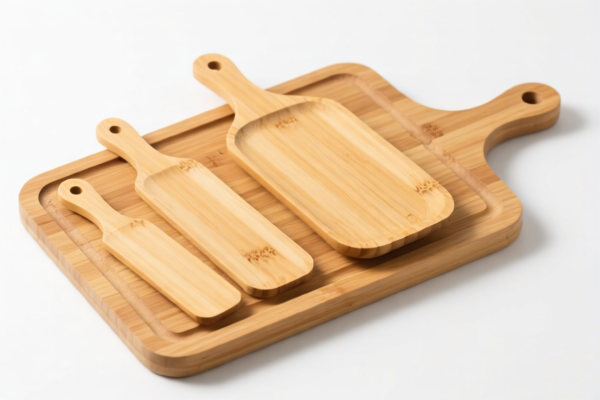
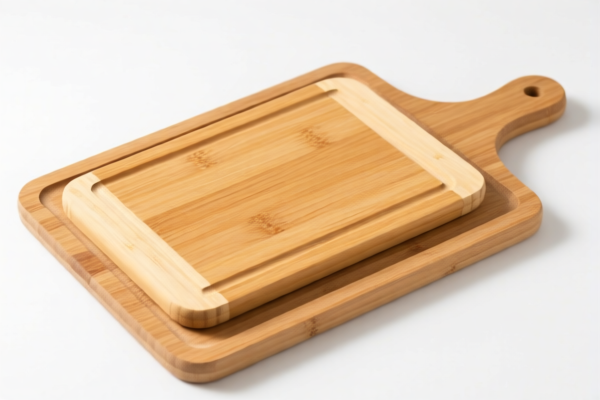
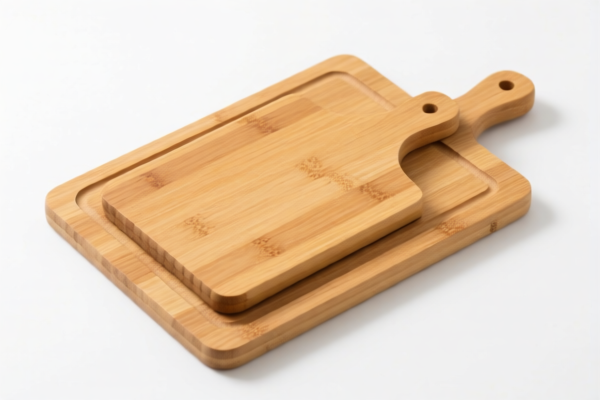
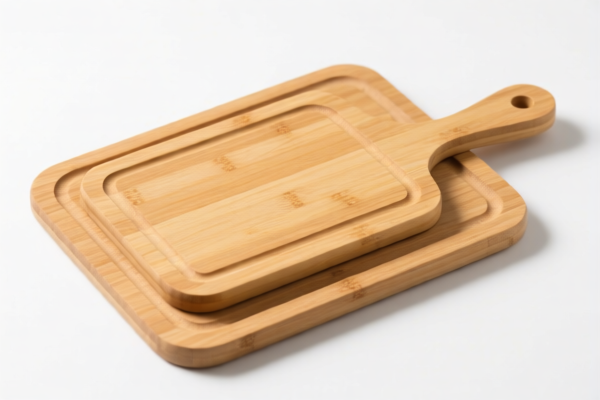
AI分析
🍽️ Cutting Board Set (厨房切菜板套装)
🌐 HS Code Reference & Customs Clearance Guide | 2026 Latest Tariff Analysis | Professional Strategy for US Imports
📌 Part I: Product Definition & Classification: What Defines a "Cutting Board"?
A Cutting Board Set is an essential kitchen utensil used for food preparation. In international trade, the classification depends entirely on the material composition. The海关 (Customs) strictly differentiates between natural materials (wood/bamboo), synthetic materials (plastic), and inorganic materials (ceramic/stone).
⚠️ Key Distinction Point:
- Wood/Bamboo: Natural origin → Chapter 44.
- Plastic: Synthetic polymer → Chapter 39.
- Ceramic/Stone: Inorganic non-metallic → Chapter 69.
- Mixed Materials: If a set contains different materials, each item may need separate classification, or the "essential character" determines the group.
📦 Part II: HS Code Classification Details (2026 Latest Tariff Authority)
Based on the provided data, here are the specific HS Codes for Cutting Boards, sorted by material inference and tax impact.
| HS Code | Inferred Material | Usage Scenario | Total Tax Rate | Tax Detail Breakdown |
|---|---|---|---|---|
4419.11.00.00 |
Bamboo | Kitchen Utensils | 13.2% | Base: 3.2% + 122 Clause: 10% |
3924.10.40.00 |
Plastic | Kitchen Utensils | 13.4% | Base: 3.4% + 122 Clause: 10% |
6912.00.48.10 |
Ceramic / Stone / Mixed | Kitchen Utensils | 19.8% | Base: 9.8% + 122 Clause: 10% |
3924.10.20.00 |
Plastic / Wood (Mixed) | Kitchen Utensils | 24.0% | Base: 6.5% + Sec 301: 7.5% + 122 Clause: 10% |
4419.90.91.00 |
Wood (Other) | Kitchen Utensils | 20.7% | Base: 3.2% + Sec 301: 7.5% + 122 Clause: 10% |
🔍 Important Note:
- All listed rates include the "122 Clause" (Section 122) tariffs, which typically apply to Chinese goods to prevent circumvention of Section 301 tariffs.
- Plastic (3924.10.40.00) offers one of the lowest total rates (13.4%) among plastic-based boards.
- Bamboo (4419.11.00.00) is highly competitive with a total rate of 13.2%, significantly lower than traditional hardwood.
💰 Part III: 2026 Tariff Rate Detailed Explanation
✅ Applicable Country: United States (US)
✅ Origin: China (CN) (Implied by Section 122 & 301 context)
✅ Effective Time: Current regulations apply.
🎯 1. 4419.11.00.00 – Bamboo Kitchenware (Lowest Cost Option)
| Item | Content |
|---|---|
| Base Tariff | 3.2% |
| Section 122 Tariff | +10.0% (Anti-circumvention) |
| Section 301 Tariff | $0.0\%$ |
| Total Rate | 13.2% |
| Calculation | CIF Value × 13.2% |
| Legal Basis | HTSUS 4419.11.00.00 → Footnote 122 |
📌 Explanation:
- Bamboo is classified under "Table or Kitchen Ware of Bamboo."
- Crucially, unlike other wooden items, bamboo cutting boards do not currently incur the 7.5% Section 301 tariff in this specific code sub-category, making it the most tax-efficient choice for wood-like products.
🎯 2. 3924.10.40.00 – Plastic Kitchenware
| Item | Content |
|---|---|
| Base Tariff | 3.4% |
| Section 122 Tariff | +10.0% |
| Section 301 Tariff | $0.0\%$ |
| Total Rate | 13.4% |
| Calculation | CIF Value × 13.4% |
| Legal Basis | HTSUS 3924.10.40.00 → Footnote 122 |
📌 Explanation:
- Plastic cutting boards are generally exempt from Section 301 tariffs in this specific subheading.
- The rate is nearly identical to bamboo, offering a stable option for durable, hygienic kitchenware.
🎯 3. 4419.90.91.00 – Other Wooden Kitchenware (Hardwood)
| Item | Content |
|---|---|
| Base Tariff | 3.2% |
| Section 301 Tariff | +7.5% |
| Section 122 Tariff | +10.0% |
| Total Rate | 20.7% |
| Calculation | CIF Value × 20.7% |
| Legal Basis | HTSUS 4419.90.91.00 → Footnote 122 |
📌 Explanation:
- Avoid this code if possible for standard cutting boards if bamboo or plastic is an alternative.
- Unlike bamboo, other woods (4419.90.91.00) are subject to the 7.5% Section 301 tariff, raising the total cost significantly.
🎯 4. 3924.10.20.00 – Mixed Material Plastic/Wood
| Item | Content |
|---|---|
| Base Tariff | 6.5% |
| Section 301 Tariff | +7.5% |
| Section 122 Tariff | +10.0% |
| Total Rate | 24.0% |
| Calculation | CIF Value × 24.0% |
| Legal Basis | HTSUS 3924.10.20.00 |
📌 Explanation:
- This code often applies to composite boards or specific plastic variants with higher base duties.
- Highest total tax among the listed options. Not recommended for cost optimization.
🎯 5. 6912.00.48.10 – Ceramic/Stone Kitchenware
| Item | Content |
|---|---|
| Base Tariff | 9.8% |
| Section 122 Tariff | +10.0% |
| Total Rate | 19.8% |
| Calculation | CIF Value × 19.8% |
| Legal Basis | HTSUS 6912.00.48.10 |
📌 Explanation:
- Ceramic boards have a higher base tariff (9.8%) compared to bamboo/plastic.
- While no Section 301 is listed in the summary, the total rate is still higher than bamboo and plastic options.
🛠️ Part IV: Customs Clearance Practical Advice
✅ 1. Documentation Checklist (Must-Haves)
| Document | Requirement | Explanation |
|---|---|---|
| Commercial Invoice | ✔️ Must-Have | Clearly state "Cutting Board Set" and specify material (e.g., "100% Bamboo," "PP Plastic"). |
| Packing List | ✔️ Must-Have | Detail contents. If a set contains mixed materials (e.g., bamboo board + plastic handles), declare each component's value separately if possible. |
| Product Material Certificate | ✔️ Recommended | Prove bamboo vs. hardwood vs. plastic. Critical for distinguishing between 4419.11 and 4419.90. |
| Photos of Product | ✔️ Strongly Recommended | Show labels, texture, and branding. Customs may inspect to verify material claims. |
| FDA Compliance (if applicable) | ✔️ Conditionally | If the board is made of food-grade materials, ensure compliance with 21 CFR Part 177 for food contact surfaces. |
✅ 2. Declaration Strategy (Pro Tips)
🔥 "Material is King, Label is Queen!"
| Scenario | Correct Declaration | Risk of Incorrect Declaration |
|---|---|---|
| 100% Bamboo Board | HS 4419.11.00.00 Desc: "Bamboo Cutting Board" |
Mislabel as "Wooden" → 4419.90 → Pay extra 7.5% |
| 100% Plastic Board | HS 3924.10.40.00 Desc: "Plastic Cutting Board" |
Mislabel as "Wooden" → Higher duty + Scrutiny |
| Mixed Set (Bamboo + Plastic) | Separate line items or determine "Essential Character" | Combined as "Wooden" → Could trigger 3924.10.20 or 4419.90 → Higher Tax |
| Ceramic Board | HS 6912.00.48.10 Desc: "Ceramic Cutting Board" |
Mislabel as "Stone" or "Other" → Potential duty mismatch |
💡 Pro Tip:
If your product is a set containing multiple boards of different materials (e.g., one bamboo, one plastic), declare them separately on the invoice to potentially optimize duties, or ensure the "Essential Character" of the set aligns with the lowest-tax dominant material if allowed. However, separate declaration is safer to avoid ambiguity.
✅ 3. Special Considerations for Section 122
🚨 Alert:
Section 122 tariffs are applied to prevent transshipment or minor transformation in third countries (like Vietnam or Malaysia) to evade Section 301 tariffs.
- Ensure your Country of Origin is correctly declared.
- If assembled in China but with foreign components, verify the "Substantial Transformation" rule.
- Keep records of manufacturing processes to prove origin if audited.
🌍 Part V: Summary & Recommendation
| Material | HS Code | Total Tax | Recommendation |
|---|---|---|---|
| 🎋 Bamboo | 4419.11.00.00 |
13.2% | ✅ Best Choice: Lowest tax, natural appeal, high demand. |
| 🥗 Plastic | 3924.10.40.00 |
13.4% | ✅ Excellent Choice: Hygienic, durable, nearly same tax as bamboo. |
| 🪵 Hardwood | 4419.90.91.00 |
20.7% | ⚠️ High Cost: Subject to Section 301. Use only for premium branding. |
| 🧱 Ceramic | 6912.00.48.10 |
19.8% | ⚠️ Moderate Cost: Higher base duty. Niche market. |
| 🧩 Mixed/Other | 3924.10.20.00 |
24.0% | ❌ Avoid: Highest tax burden. |
📌 Final Verdict:
For maximum profit margin and competitive pricing, prioritize Bamboo (4419.11.00.00) or Plastic (3924.10.40.00) cutting boards.
Avoid generic "Wooden" classifications unless you are certain of the material, as misclassification can lead to retroactive duties.
📌 Part VI: Common Mistakes & Pitfalls
❌ Mistake 1: Declaring a Bamboo board as "Wooden Cutting Board" (4419.90).
👉 Consequence: You pay an additional 7.5% in Section 301 tariffs unnecessarily.
❌ Mistake 2: Combining a Bamboo board and a Plastic board in one set without clear separation.
👉 Consequence: Customs may classify the entire set under the "higher duty" or "ambiguous" code (3924.10.20.00 or 4419.90), leading to higher overall tax.
❌ Mistake 3: Ignoring Section 122 requirements.
👉 Consequence: Goods may be held at customs for origin verification, causing delays and demurrage charges.
✅ Correct Action:
Use precise descriptions:
"Bamboo Cutting Board, Kitchen Utensil, 100% Natural Bamboo, Food Grade"
"Plastic Cutting Board, PP Material, Dishwasher Safe, Food Contact Grade"
🎯 Part VII: Conclusion
🎯 Remember the Mantra:
"Bamboo 13.2, Plastic 13.4, Wood 20.7, Don't Guess, Don't Pay More!"
📌 Action Item:
- Confirm the exact material composition with your supplier.
- Use
4419.11.00.00for Bamboo or3924.10.40.00for Plastic.- Ensure your invoice clearly states the material to avoid customs audits.
✨ Professional Clearance Starts with Accurate Classification!
💼 Every Percent Counts in Your Profit Margin!
用户评价
关于 HS 编码归类
协调制度(HS)是由世界海关组织(WCO)制定的国际贸易商品分类标准。全球 200 多个国家采用 HS 系统作为海关关税、贸易统计和进出口监管的基础。
每个 HS 编码遵循以下层级结构:
- 章(2 位)——商品大类(例如:第 84 章:机器和机械设备)
- 品目(4 位)——章内的更具体分类
- 子目(6 位)——国际通用细分,所有 WCO 成员国统一使用
- 本国细分(8-10 位)——各国自行扩展的细分编码,如美国 HTSUS 10 位编码
正确的 HS 编码归类对于顺利通关、准确缴纳关税和遵守贸易法规至关重要。错误归类可能导致海关延误、多缴关税或罚款。
从CN进口到US时,适用的关税税率可能包括:
- 最惠国(MFN)税率——适用于 WTO 成员国的标准关税税率
- 普通税率——适用于无贸易协定国家
- 贸易救济关税——附加关税,如 301 条款(反倾销)、232 条款(国家安全)或反补贴税
本页内容仅供参考。如需正式归类,请咨询当地海关或持牌报关代理。