DIY Yarn
CN → US| HS编码 | 关税税率 | 原产国 | 目的国 | 文档 |
|---|---|---|---|---|
| 5308909000 | 17.5% | CN | US | 官方文档 |
| 5509996000 | 48.2% | CN | US | 官方文档 |
| 5107106000 | 41.0% | CN | US | 官方文档 |
商品图片
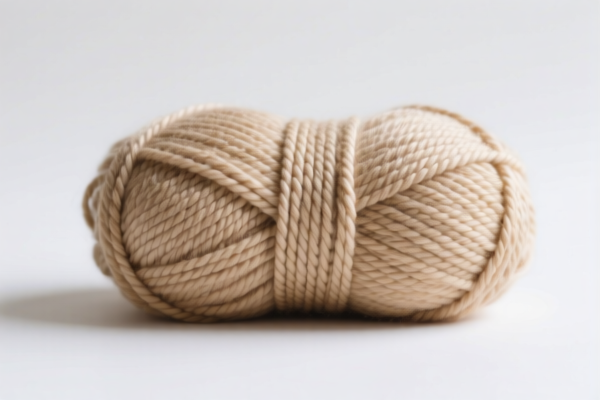
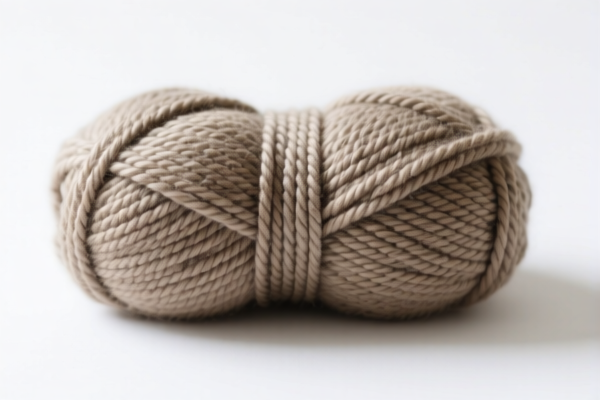
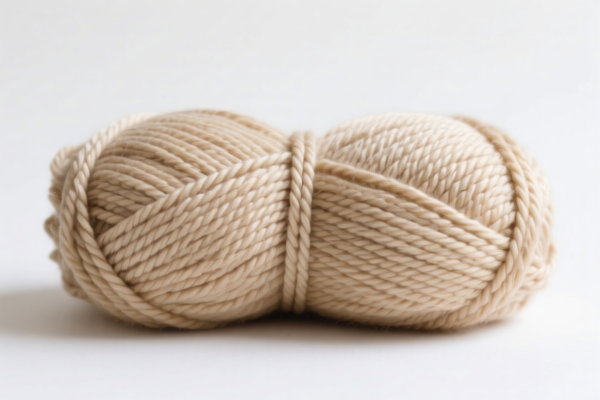

AI分析
🧶 DIY Yarn (Hand-knitting Yarn)
🌐 HS Code Reference & Customs Clearance Guide | 2026 Latest Tariff Full Analysis | Professional Clearance Strategy
📌 One, Product Definition and Classification: Do You Really Understand "DIY Yarn"?
DIY yarn, often referred to in trade as "hand-knitting yarn," is a raw material used for knitting, crocheting, and weaving. In international trade, its classification depends entirely on its material composition and physical form. It is generally categorized under Chapter 50–55 (Vegetable/Animal fibers or Man-made fibers) or Chapter 53 (Other textile materials).
Key Distinction Points: * Material Composition: Is it Wool (Animal), Cotton/Linen (Plant), or Synthetic (Man-made)? * Form: Is it in retail packages for direct sale (Chapter 56) or in intermediate forms (non-retail) (Chapter 50–55)? * Processing: Is it a standard yarn or a specific type like paper yarn or blended fiber?
⚠️ Critical Note: - If the yarn is Wool/Wool-like, it often falls under Chapter 51. - If the yarn is Synthetic/Acrylic, it often falls under Chapter 55. - If the yarn is made from Other Plant Fibers or Paper, it falls under Chapter 53. - Retail packaging vs. Bulk/Intermediate form is the deciding factor between Chapter 56 and Chapters 50–55. The HS codes provided below assume non-retail packaging/intermediate form based on the summaries.
📦 Two, HS Code Classification Details (2026 Latest Tariff Authority Comparison)
Based on the provided data, here are the three potential HS Code classifications for DIY Yarn, depending on the specific material and characteristics:
| HS Code | Product Description | Application Scenario | Key Characteristic |
|---|---|---|---|
5308.90.90.00 |
Woven fabrics of other vegetable textile fibers or paper yarn; Other woven fabrics | Yarn made from plant fibers, bamboo, hemp, or paper | Other plant fibers/paper yarn; Bottom-class category for non-specified fibers |
5509.99.60.00 |
Man-made fiber staple filament yarn (other than sewing thread) | Synthetic yarn (e.g., Acrylic, Polyester) for knitting | Man-made fiber; Intermediate form; Non-retail packaging |
5107.10.60.00 |
Woven fabrics of wool or fine animal hair, containing >=85% wool by weight, combed | Wool yarn or wool-blend yarn, combed | Wool/Fine animal fiber; Combed yarn; Fits fine animal fiber characteristics |
🔍 Key Reminder: -
5308.90.90.00: Use this if the yarn is made from non-standard plant fibers (e.g., bamboo, hemp, paper) that don't fit other specific vegetable fiber codes. -5509.99.60.00: Use this for Synthetic/Acrylic yarns in intermediate forms. -5107.10.60.00: Use this for Wool yarns that are combed and meet the weight percentage requirement.
💰 Three, 2026 Latest Tariff Rate Details (Including Additional Taxes, Policy Add-ons)
✅ Applicable Country: United States (US) ✅ Origin: China (CN) ✅ Effective Date: 2025/2026 (Post-November 10, 2025 imports)
🎯 1. 5308.90.90.00 —— Other Plant Fiber Yarn / Paper Yarn
| Item | Content |
|---|---|
| Basic Tariff | 0.0% (ad valorem) |
| USITC Additional Tariff (Section 301) | +7.5% |
| IEEPA Additional Tariff (122 Clause) | +10.0% |
| Total Tariff Rate | 17.5% |
| Tax Calculation | CIF Value × 17.5% |
| De Minimis Eligibility | ❌ No (High tariff rate exceeds threshold) |
| Legal Basis Path | USITC:5308.90.90.00 → FOOTNOTE:301 → IEEPA:122 |
📌 Explanation: - This is the lowest tariff among the three options. - 0% Base makes it attractive, but the 17.5% total still applies due to trade restrictions. - Suitable for bamboo yarn, hemp yarn, or paper yarn.
🎯 2. 5509.99.60.00 —— Other Man-Made Fiber Yarn
| Item | Content |
|---|---|
| Basic Tariff | 13.2% (ad valorem) |
| USITC Additional Tariff (Section 301) | +25.0% |
| IEEPA Additional Tariff (122 Clause) | +10.0% |
| Total Tariff Rate | 48.2% |
| Tax Calculation | CIF Value × 48.2% |
| De Minimis Eligibility | ❌ No |
| Legal Basis Path | USITC:5509.99.60.00 → FOOTNOTE:301 → IEEPA:122 |
📌 Explanation: - This is the highest tariff among the three. - 13.2% Base + 25% 301 Tariff + 10% IEEPA = 48.2%. - Suitable for Acrylic, Polyester, or Nylon yarns. - High cost implication: Significant impact on profit margins.
🎯 3. 5107.10.60.00 —— Combed Wool Yarn
| Item | Content |
|---|---|
| Basic Tariff | 6.0% (ad valorem) |
| USITC Additional Tariff (Section 301) | +25.0% |
| IEEPA Additional Tariff (122 Clause) | +10.0% |
| Total Tariff Rate | 41.0% |
| Tax Calculation | CIF Value × 41.0% |
| De Minimis Eligibility | ❌ No |
| Legal Basis Path | USITC:5107.10.60.00 → FOOTNOTE:301 → IEEPA:122 |
📌 Explanation: - Middle tariff range. - 6% Base + 25% 301 Tariff + 10% IEEPA = 41.0%. - Suitable for Wool or Fine Animal Fiber yarns that are combed. - Lower base rate than synthetic, but high additional tariffs still apply.
🛠️ Four, Customs Clearance Practical Suggestions (Real-World Pitfall Avoidance Guide)
✅ 1. Preparation Material Checklist (Non-negotiable)
| Material | Required | Explanation |
|---|---|---|
| ✅ Product Specification Sheet | ✔️ | Must include: Fiber composition (e.g., "100% Acrylic," "50% Wool"), Yarn count, Weight per ball |
| ✅ Fiber Composition Test Report | ✔️ | Crucial: Third-party lab report proving fiber content (e.g., ISO/ASTM standards). Misclassification leads to penalties. |
| ✅ Product Photos (Including Label) | ✔️ | Clear images showing yarn texture, packaging, and any fiber content labels. |
| ✅ Commercial Invoice | ✔️ | Must explicitly state: "Hand-knitting Yarn," Fiber Content, HS Code, CIF Value. |
| ✅ Packing List | ✔️ | Details net/gross weight, number of packages. Ensure no retail-end packaging if claiming intermediate form. |
| ✅ Certificate of Origin (CO) | ✔️ | For potential origin-based exemptions or verification. |
🔥 Key Tip:
- Fiber Content is King: Customs will inspect the yarn. If you declare "Wool" but it’s "Acrylic," you face fines for misclassification.
- Retail vs. Non-Retail: If sold in individual small balls for home use, it might be classified under Chapter 56 (higher base tariff but potentially different additional tariffs). However, the provided HS codes assume non-retail/intermediate form. Ensure packaging reflects bulk/industrial supply if using these codes.
✅ 2. Declaration Tips (Key Mantra)
🔥 “Material First, Form Second, Label Clear, Tax Accurate!”
| Scenario | Correct Declaration | Incorrect Practice |
|---|---|---|
| Acrylic/Polyester Yarn | 5509.99.60.00 + "Man-Made Fiber Yarn" |
Misdeclare as Wool → 5107.10.60.00 → Audit/Fine |
| Wool/Blend Yarn (Combed) | 5107.10.60.00 + "Combed Wool Yarn" |
Misdeclare as Synthetic → 5509.99.60.00 → Higher Tax |
| Bamboo/Paper Yarn | 5308.90.90.00 + "Other Plant Fiber Yarn" |
Misdeclare as Cotton → Wrong Chapter → Delay/Seizure |
| Retail Packaged Yarn | Check Chapter 56 Codes | Use intermediate form codes → Misclassification |
✅ 3. Special Case Handling
| Situation | Handling Advice |
|---|---|
| Blended Yarn (e.g., Wool/Acrylic) | Classify based on predominant fiber by weight. If equal, use GIR 3(b). Provide precise blend ratio. |
| Dyed vs. Undyed | Ensure the HS code matches the processing stage. Some codes specify "dyed" or "painted." |
| Yarn with Additives (e.g., Glitter, Metallic) | If fibers are altered significantly, it may not be "yarn" anymore. Consult with customs broker. |
| Small Package (De Minimis) | Even if under $800, high tariff codes (41-48%) may trigger scrutiny. Do not rely on de minimis for high-risk goods. |
🌍 Five, Global Market Clearance Comparison (2026 Latest)
| Country/Region | Recommended HS Code | Tariff (China Origin) | Certification Requirements | Notes |
|---|---|---|---|---|
| 🇺🇸 USA | See Table Above | 17.5% - 48.2% | N/A (Textile-specific) | High tariffs due to Section 301 & IEEPA. |
| 🇨🇳 China | 5509.99.60.00 (Synthetic) |
~13.2% + Potential Rebates | CCC (if applicable) | Base tariffs may differ from US. |
| 🇪🇺 EU | 5509.99.60.00 (Synthetic) |
~6.5% (MFN) | REACH, OEKO-TEX | No Section 301 equivalent. |
| 🇬🇧 UK | 5509.99.60.00 (Synthetic) |
~6.5% (MFN) | UKCA (if applicable) | Post-Brexit tariffs may vary. |
| 🇦🇺 Australia | 5509.99.60.00 (Synthetic) |
~5% | ACCC Labeling | Lower base tariffs. |
📌 Conclusion: - USA is the most challenging market for DIY Yarn due to cumulative high tariffs (Base + 301 + IEEPA). - Tariff varies significantly by material: Wool (41.0%) and Synthetic (48.2%) are heavily taxed, while Other Plant Fibers (17.5%) are relatively lower. - Strategic Advice: For US exports, consider supply chain diversification (e.g., producing in Vietnam or India if possible) to avoid China-origin tariffs, or focus on higher-value finished goods where tariffs are a smaller percentage of the final price.
📌 Six, Common Errors & Pitfall Guide (Blood and Tears Lessons)
❌ Error 1: Declaring "Yarn" without specifying Fiber Composition
👉 Consequence: Customs will classify it under the highest default tariff or demand additional testing → Delay/Fines.
❌ Error 2: Misclassifying Synthetic Yarn as Wool to save on base tariff
👉 Consequence: Lab tests will reveal Acrylic → Penalty for Fraud + Back Taxes + 48.2% vs 41.0% difference.
❌ Error 3: Ignoring the 122 Clause (IEEPA) 10% Tax
👉 Consequence: Underestimating total landed cost → Profit Margin Squeeze.
❌ Error 4: Packaging as Retail but declaring as Intermediate
👉 Consequence: Customs may reclassify to Chapter 56 (different HS code) → Discrepancy & Audit.
✅ Correct Practice:
"Hand-Knitting Yarn, 100% Acrylic, Dyed, Cone Packed, Net Weight 100g/ball, HS Code: 5509.99.60.00, Origin: China"
🎯 Seven, Conclusion: Professional Declaration, Save Time, Save Money!
🎯 Remember the Mantra:
🔹 "Material Dictates Code, Form Dictates Chapter, Taxes Add Up Fast, Declare Accurate!"
🔹 "17.5% for Plant, 41% for Wool, 48.2% for Synth, Choose Wisely!"
📌 Pro Tip:
If your DIY Yarn is dyed with non-toxic, OEKO-TEX certified dyes, highlight this in your declaration to appeal for faster clearance in some markets.
For US exports, pre-arrival filing and accurate fiber content certificates are non-negotiable.
📣 Immediate Action:
📞 Contact a licensed customs broker + Provide Fiber Test Report + Apply for HS Code Pre-Ruling if unsure.
🚀 Ensure your DIY Yarn clears customs smoothly, efficiently, and profitably!
✨ Professional Clearance Starts with Accurate Classification!
💼 Every Penny of Tariff is a Cost You Can Manage with Knowledge!
用户评价
关于 HS 编码归类
协调制度(HS)是由世界海关组织(WCO)制定的国际贸易商品分类标准。全球 200 多个国家采用 HS 系统作为海关关税、贸易统计和进出口监管的基础。
每个 HS 编码遵循以下层级结构:
- 章(2 位)——商品大类(例如:第 84 章:机器和机械设备)
- 品目(4 位)——章内的更具体分类
- 子目(6 位)——国际通用细分,所有 WCO 成员国统一使用
- 本国细分(8-10 位)——各国自行扩展的细分编码,如美国 HTSUS 10 位编码
正确的 HS 编码归类对于顺利通关、准确缴纳关税和遵守贸易法规至关重要。错误归类可能导致海关延误、多缴关税或罚款。
从CN进口到US时,适用的关税税率可能包括:
- 最惠国(MFN)税率——适用于 WTO 成员国的标准关税税率
- 普通税率——适用于无贸易协定国家
- 贸易救济关税——附加关税,如 301 条款(反倾销)、232 条款(国家安全)或反补贴税
本页内容仅供参考。如需正式归类,请咨询当地海关或持牌报关代理。