Decorative Bowl
CN → US| HS编码 | 关税税率 | 原产国 | 目的国 | 文档 |
|---|---|---|---|---|
| 6911103550 | 43.5% | CN | US | 官方文档 |
| 6912003950 | 14.5% | CN | US | 官方文档 |
| 6912003550 | 19.8% | CN | US | 官方文档 |
| 6911108010 | 38.3% | CN | US | 官方文档 |
| 6909195095 | 39.0% | CN | US | 官方文档 |
商品图片
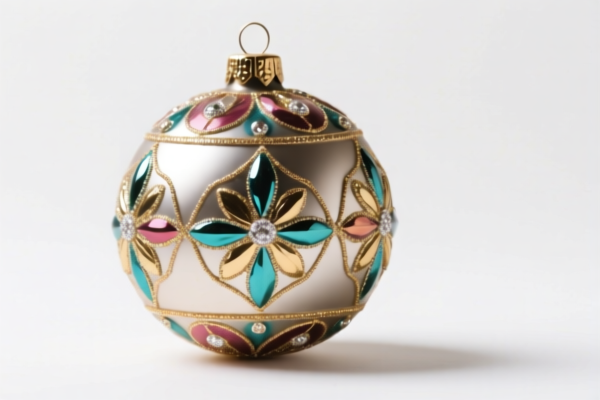
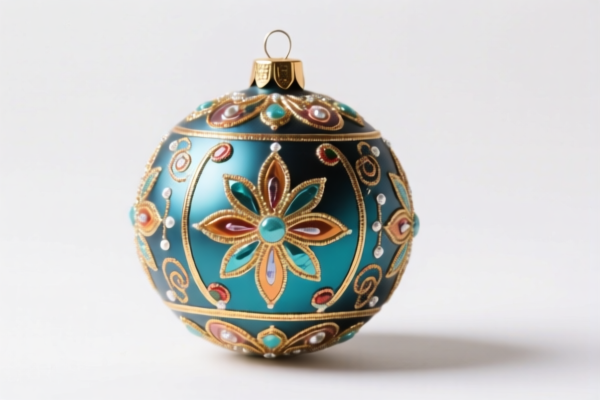


AI分析
🥣 Decorative Bowl (Ceramic Tableware & Kitchenware)
🌐 HS Code Reference & Customs Clearance Guide | 2026 Latest Tariff Analysis | Professional Clearance Strategy
📌 1. Product Definition & Classification: Do You Truly Understand "Decorative Bowls"?
In international trade, "Ceramic Bowls" are not a single entity. They are classified based on material composition, intended use (tableware vs. laboratory), and technical specifications. Misclassification can lead to severe tax discrepancies, ranging from 14.5% to 43.5%.
Key Distinctions: * Tableware/Kitchenware (HS 6911/6912): Intended for food contact and daily household use. * Laboratory/Technical Ware (HS 6909): Designed for chemical resistance and technical precision. * Material Nuance: "Porcelain" (6911) vs. "Other Ceramics" (6912).
⚠️ Critical Warning:
- If the bowl is for laboratory use, it falls under 6909, incurring massive additional tariffs (up to 25% Section 301).
- If it is for kitchen use, you must distinguish between Porcelain (6911) and Other Ceramics (6912).
- "Decorative" only does not automatically lower the tariff; the primary use determines the HS Code.
📦 2. HS Code Classification Details (2026 Latest Tariff Authority)
| HS Code | Product Description | Scenario / Use Case | Material / Type |
|--------|--------------------------|-------------------------|
| 6911.10.35.50 | Ceramic Bowls, Tableware & Kitchenware | Standard home dining, high-quality porcelain tableware. | Porcelain (High-fired, white, translucent quality) |
| 6912.00.39.50 | Other Ceramic Tableware (Catch-all) | General ceramic tableware, non-porcelain ceramics. | Other Ceramics (Non-porcelain, stoneware, earthenware) |
| 6912.00.35.50 | Non-Porcelain Ceramic Tableware | Specifically categorized as non-porcelain kitchenware. | Non-Porcelain Ceramics |
| 6911.10.80.10 | Ceramic Bowls, Food Contact | Bowls specifically designated for food service/contact. | Porcelain |
| 6909.19.50.95| Ceramic Vessels, Laboratory Use | Chemical-resistant ware, crucibles, lab bowls. | Technical/Laboratory Ceramic |
🔍 Key Clarification:
- 6911 is strictly for Porcelain. If your bowl is made of stoneware or earthenware, it cannot be classified here, even if it looks like porcelain.
- 6912 is the "catch-all" for non-porcelain ceramics. Sub-classification (.35vs.39) depends on specific national sub-heading rules.
- 6909 is NOT for kitchen use. Importing kitchen bowls as "laboratory ware" is considered fraud and will trigger audits.
💰 3. 2026 Latest Tariff Rate Breakdown (Including Surtaxes)
✅ Applicable Country: USA
✅ Origin: China (CN)
✅ Effective Date: From November 10, 2025 (including subsequent imports)
🎯 1. 6911.10.35.50 — Porcelain Tableware (High Risk)
| Item | Content |
|---|---|
| Base Tariff | 26.0% |
| Section 301 Surtax | +7.5% (Additional US Tariffs) |
| Section 122 Tariff | +10% (Specific Trade Measure) |
| Total Tax Rate | 43.5% |
| Tax Calculation | CIF Value × 43.5% |
| De Minimis Exemption? | ❌ No (High value threshold not applicable for standard de minimis) |
| Legal Basis Path | USITC:6911.10.35.50 → Section 301: +7.5% → Section 122: +10% |
📌 Explanation:
- This is the highest tax bracket for kitchen ceramics.
- "Porcelain" attracts the highest base duty (26%) due to higher perceived value and competition.
- Total burden: 43.5%. Profit margins must account for this immediately.
🎯 2. 6912.00.39.50 — Other Ceramics (Best Rate for Kitchenware)
| Item | Content |
|---|---|
| Base Tariff | 4.5% |
| Section 301 Surtax | 0.0% (Exempt from Additional US Tariffs) |
| Section 122 Tariff | +10% |
| Total Tax Rate | 14.5% |
| Tax Calculation | CIF Value × 14.5% |
| De Minimis Exemption? | ⚠️ Check Specifics (Often eligible if under threshold, but confirm with broker) |
| Legal Basis Path | USITC:6912.00.39.50 → Section 122: +10% |
📌 Strategy:
- If your bowl is not strict "Porcelain" (e.g., it's stoneware, earthenware, or opaque ceramic), classify under 6912.
- Savings: 29% lower than Porcelain classification (43.5% vs 14.5%).
- Note: Do not mislabel stoneware as porcelain to get a lower rate; customs will inspect material density and translucency.
🎯 3. 6912.00.35.50 — Non-Porcelain Ceramics
| Item | Content |
|---|---|
| Base Tariff | 9.8% |
| Section 301 Surtax | 0.0% |
| Section 122 Tariff | +10% |
| Total Tax Rate | 19.8% |
| Tax Calculation | CIF Value × 19.8% |
| Legal Basis Path | USITC:6912.00.35.50 → Section 122: +10% |
📌 Note:
- This code is for "Other Ceramics" but falls into a slightly higher base tier than.39.50.
- Use only if.39.50is not applicable due to specific sub-heading definitions in your country's tariff schedule.
🎯 4. 6911.10.80.10 — Porcelain for Food Contact
| Item | Content |
|---|---|
| Base Tariff | 20.8% |
| Section 301 Surtax | +7.5% |
| Section 122 Tariff | +10% |
| Total Tax Rate | 38.3% |
| Tax Calculation | CIF Value × 38.3% |
| Legal Basis Path | USITC:6911.10.80.10 → Section 301: +7.5% → Section 122: +10% |
📌 Note:
- Still considered "Porcelain," so it bears the Section 301 surtax.
- Slightly lower base tariff than.35.50, but total tax is still very high (38.3%).
- Only use if explicitly required by sub-heading rules for "Food Contact" specific items.
🎯 5. 6909.19.50.95 — Laboratory/Ceramic Technical Ware
| Item | Content |
|---|---|
| Base Tariff | 4.0% |
| Section 301 Surtax | +25.0% (High Additional Tariff) |
| Section 122 Tariff | +10% |
| Total Tax Rate | 39.0% |
| Tax Calculation | CIF Value × 39.0% |
| Legal Basis Path | USITC:6909.19.50.95 → Section 301: +25.0% → Section 122: +10% |
🚨 CRITICAL WARNING:
- Although the base tariff is low (4%), the Section 301 surtax is 25%.
- Do NOT use this code for kitchen bowls. Customs will reject it if the product is clearly for dining (e.g., decorated with food patterns, sold in tableware sets).
- Penalty for misclassification can include back taxes + fines + seizure.
🛠️ 4. Customs Clearance Practical Advice
✅ 1. Preparation Checklist
| Document | Required? | Purpose |
|---|---|---|
| ✅ Product Specification Sheet | ✔️ | Must state: Material (Porcelain/Stoneware), Use (Tableware/Lab), Dimensions. |
| ✅ Material Test Report | ✔️ | To prove if it is "Porcelain" (translucent, high-fired) or "Other Ceramic". |
| ✅ Product Photos | ✔️ | Show shape, glaze, and any markings (e.g., "Dishwasher Safe", "Lead-Free"). |
| ✅ Commercial Invoice | ✔️ | Description must match HS Code exactly (e.g., "Porcelain Tableware Bowl"). |
| ✅ Declaration of Intended Use | ✔️ | Explicitly state: "For Household Kitchen Use" or "For Laboratory Use". |
✅ 2. Clearance Tips (Golden Rules)
🔥 "Porcelain is Expensive, Other Ceramic is Cheap, Lab is Fraud!"
| Scenario | Correct HS Code | Tax Rate | Risk Level |
|---|---|---|---|
| White, translucent, high-quality bowl | 6911.10.35.50 |
43.5% | Low (Standard) |
| Opaque, stoneware, or earthenware bowl | 6912.00.39.50 |
14.5% | Low (Recommended for cost-saving if accurate) |
| Bowl for chemical lab use | 6909.19.50.95 |
39.0% | High (Must have proof of lab use) |
| Misclassified Kitchen Bowl as Lab Ware | N/A | Penalty + Seizure | Extreme |
✅ 3. Special Cases
| Case | Advice |
|---|---|
| Mixed Containers | If a container has both Porcelain and Stoneware bowls, separate them. Do not average the tax. |
| "Decorative" Only? | If the bowl is not for food (e.g., solid wood base, glued glass, or purely ornamental), it may fall under HS 6913 (Ornaments). Check if it meets "Tableware" definition. |
| Lead-Free Certification | Required for US imports. Ensure your ceramic glaze meets FDA standards or Prop 65 limits. |
🌍 5. Global Market Comparison (2026)
| Country | Recommended HS Code | Base Tax | Additional Tax | Total Est. |
|---|---|---|---|---|
| 🇺🇸 USA | 6911.10.35.50 (Porcelain) |
26.0% | +17.5% (301+122) | 43.5% |
| 🇺🇸 USA | 6912.00.39.50 (Other) |
4.5% | +10.0% (122) | 14.5% |
| 🇪🇺 EU | 6911 / 6912 | 6.5% | 0% | 6.5% |
| 🇨🇳 China | 6911 / 6912 | 0% | 0% | 0% |
📌 Conclusion:
- USA is the most expensive market for ceramic tableware due to Section 301 and Section 122 tariffs.
- Classifying as "Other Ceramic" (6912) instead of "Porcelain" (6911) can save you 29% in taxes, but you must ensure the material is genuinely non-porcelain.
- Never declare kitchen bowls as "Laboratory Ware" (6909) unless they are technically lab equipment.
📌 6. Common Mistakes & Pitfalls
❌ Mistake 1: Calling a Stoneware Bowl "Porcelain" to avoid inspection?
👉 Result: Customs will perform a physical inspection. If it fails the "translucency" test, they will reclassify it anyway, but you face delays and penalties.
❌ Mistake 2: Using 6909 (Lab Ware) for Kitchen Bowls to avoid Section 301?
👉 Result: High Risk of Audit. Customs has data on your product type. If you ship "Decorative Kitchen Bowls" under "Lab Crucibles," your shipment will be seized.
❌ Mistake 3: Ignoring Section 122 Tariff.
👉 Result: Even for 6912 codes, the 10% Section 122 tariff applies. Total tax is 14.5%, not 4.5%. Budget accordingly.
✅ Correct Practice:
"Porcelain Dining Bowl, 8-inch, White, Dishwasher Safe, Model ABC"
HS Code:6911.10.35.50| Tax: 43.5%"Stoneware Salad Bowl, Earthy Tone, Non-Porous, Model XYZ"
HS Code:6912.00.39.50| Tax: 14.5%
🎯 7. Conclusion: Professional Clearance for Maximum Profit
🎯 Key Takeaway:
🔹 Porcelain = 43.5% Tax
🔹 Other Ceramic = 14.5% Tax
🔹 Lab Ware (for Kitchen) = FRAUD
📌 Action Plan:
1. Test Your Material: Is it truly porcelain? If unsure, lean towards 6912 to save 29%, but be prepared for customs verification.
2. Verify Use: Clearly label as "Tableware" or "Kitchenware."
3. Calculate Landed Cost: Include Section 122 (10%) in your pricing model for all ceramic imports to the US.
📣 Immediate Action:
📞 Consult a licensed customs broker.
📦 Provide material test reports.
🚀 Choose the correct HS Code to avoid 43.5% shocks or seizures.
✨ Precision Classification Saves Money!
💼 Your Profit Margin Depends on Your HS Code!
用户评价
关于 HS 编码归类
协调制度(HS)是由世界海关组织(WCO)制定的国际贸易商品分类标准。全球 200 多个国家采用 HS 系统作为海关关税、贸易统计和进出口监管的基础。
每个 HS 编码遵循以下层级结构:
- 章(2 位)——商品大类(例如:第 84 章:机器和机械设备)
- 品目(4 位)——章内的更具体分类
- 子目(6 位)——国际通用细分,所有 WCO 成员国统一使用
- 本国细分(8-10 位)——各国自行扩展的细分编码,如美国 HTSUS 10 位编码
正确的 HS 编码归类对于顺利通关、准确缴纳关税和遵守贸易法规至关重要。错误归类可能导致海关延误、多缴关税或罚款。
从CN进口到US时,适用的关税税率可能包括:
- 最惠国(MFN)税率——适用于 WTO 成员国的标准关税税率
- 普通税率——适用于无贸易协定国家
- 贸易救济关税——附加关税,如 301 条款(反倾销)、232 条款(国家安全)或反补贴税
本页内容仅供参考。如需正式归类,请咨询当地海关或持牌报关代理。