Decorative Plate
CN → US| HS编码 | 关税税率 | 原产国 | 目的国 | 文档 |
|---|---|---|---|---|
| 6913105000 | 17.5% | CN | US | 官方文档 |
| 8306290000 | 10.0% | CN | US | 官方文档 |
| 7018105000 | 35.0% | CN | US | 官方文档 |
| 6913905000 | 23.5% | CN | US | 官方文档 |
| 8306210000 | 22.0% | CN | US | 官方文档 |
商品图片
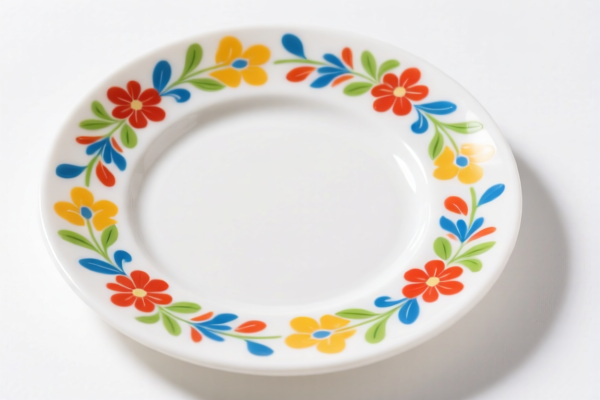
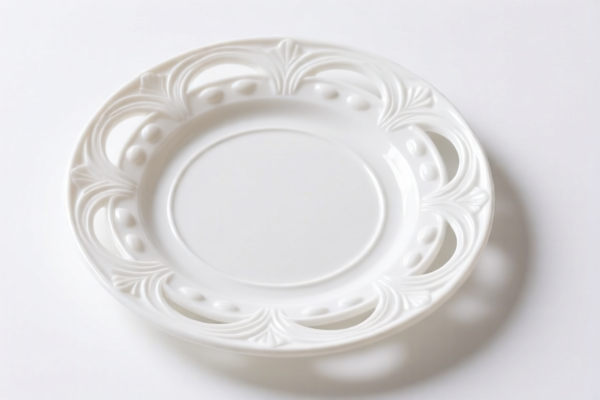

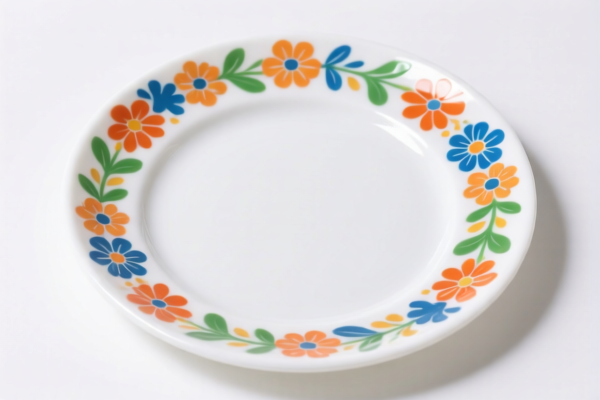
AI分析
🍽️ Decorative Plates: The Ultimate HS Code & Customs Clearance Guide (2026)
🌐 HS Code Reference & Customs Strategy | 2026 Tariff Analysis | Professional Clearance Tactics
📌 1. Product Definition: What is a "Decorative Plate"?
A Decorative Plate is an item primarily designed for aesthetic display rather than culinary use. Unlike tableware (which must be durable, dishwasher-safe, and food-grade), decorative plates are often made from materials that may not withstand high heat or harsh cleaning, or they feature intricate artistic designs intended for wall hanging or shelf display.
Key Distinction for Customs: * Tableware (Ceramic/Metal): Used for eating/serving → Food-grade standards. * Decorative Items (Ceramic/Metal/Glass): Used for display → Artistic/Durability standards.
⚠️ Critical Compliance Note:
- If the plate is explicitly marketed as "For Display Only" or lacks food-safe certification, it cannot be classified as tableware.
- Customs officers often scrutinize "decorative plates" to ensure they are not misclassified to avoid higher tariffs on functional ceramics or metals.
📦 2. HS Code Classification Breakdown (Based on Provided Data)
Based on the material composition and intended use, here are the five most likely HS Codes for "Decorative Plates" from China to the US, along with their precise tax implications.
| HS Code | Material/Type | Product Description | Total Tax Rate |
|---|---|---|---|
| 6913.10.50.00 | Ceramic | Decorative Ceramic Statues & Other Decorative Articles Specifically includes other decorative ceramic items not specified elsewhere. |
17.5% |
| 8306.29.00.00 | Base Metal | Other Ornaments / Disc-shaped Articles Inferred as base metal decorative discs/plates. |
10.0% |
| 7018.10.50.00 | Glass | Glass Smallwares / Decorative Glass Articles Inferred as glass-based decorative items. |
35.0% |
| 6913.90.50.00 | Ceramic | Other Decorative Ceramic Articles Explicitly inferred as ceramic decorative plates. |
23.5% |
| 8306.21.00.00 | Base Metal | Decorative Parts or Ornaments (Base Metal) No material conflict; fits metallic decorative plates. |
22.0% |
🔍 Analysis Highlight:
- Cheapest Option:8306.29.00.00(Base Metal) at 10.0%.
- Most Expensive Option:7018.10.50.00(Glass) at 35.0%.
- Ceramic Dilemma: There are two ceramic codes.6913.10.50.00(17.5%) is cheaper than6913.90.50.00(23.5%). You must justify why the plate fits "Other decorative ceramic articles" (6913.10) vs. "Other" (6913.90).
💰 3. 2026 Tariff Structure Detailed Breakdown
✅ Applicable Country: United States (US)
✅ Origin: China (CN)
✅ Effective Date: Current trade policies (Section 301 & IEEPA)
🎯 1. Ceramic Plates (6913.10.50.00 & 6913.90.50.00)
Ceramics attract a significant tax burden due to the combination of standard duties and punitive tariffs.
| Component | 6913.10.50.00 (Statues/Other Decor) |
6913.90.50.00 (Other Decorative Plates) |
|---|---|---|
| Base Duty | 0.0% | 6.0% |
| Section 301 (25%) | 7.5% | 7.5% |
| IEEPA (122 Clause) | 10.0% | 10.0% |
| Total Effective Rate | 17.5% | 23.5% |
| Legal Basis | IEEPA:9903.01.25 + USITC Footnote | IEEPA:9903.01.25 + USITC Footnote |
📌 Interpretation:
- Why the difference?6913.10may qualify for a lower base duty (0%) if classified under "statues or other ornamental ceramic articles," whereas6913.90carries a standard base duty of 6% for "other" ceramics.
- Strategy: If your plate can be argued as an "ornamental article" similar to statues, aim for6913.10.50.00to save 6% on the base duty.
🎯 2. Base Metal Plates (8306.29.00.00 & 8306.21.00.00)
Metallic decorative plates generally face lower base duties but still incur the punitive IEEPA tariff.
| Component | 8306.29.00.00 (Other Ornaments) |
8306.21.00.00 (Decorative Parts) |
|---|---|---|
| Base Duty | 0.0% | 4.5% |
| Section 301 (25%) | 0.0% | 7.5% |
| IEEPA (122 Clause) | 10.0% | 10.0% |
| Total Effective Rate | 10.0% | 22.0% |
| Legal Basis | IEEPA:9901.25 + USITC Footnote | IEEPA:9903.01.25 + USITC Footnote |
📌 Interpretation:
- Best Case:8306.29.00.00is the most tax-efficient option (10% total). It assumes the item is a general "ornament" rather than a specific "decorative part."
- Caution:8306.21.00.00includes a 7.5% Section 301 tax, doubling its cost compared to8306.29.
🎯 3. Glass Plates (7018.10.50.00)
Glass decorative items are heavily taxed.
| Component | 7018.10.50.00 (Glass Smallwares) |
|---|---|
| Base Duty | 0.0% |
| Section 301 (25%) | 25.0% |
| IEEPA (122 Clause) | 10.0% |
| Total Effective Rate | 35.0% |
| Legal Basis | IEEPA:9903.01.25 + USITC Footnote |
📌 Interpretation:
- High Risk: The 25% Section 301 tax makes glass decorative items the most expensive to import.
- Strategy: Consider substituting glass plates with ceramic or metal alternatives if the design allows, to save 15-25% in duties.
🛠️ 4. Customs Clearance Practical Advice (Pitfall Avoidance Guide)
✅ 1. Documentation Checklist (Mandatory)
| Document | Requirement | Why It Matters |
|---|---|---|
| Product Specification Sheet | Must state: "For Decorative Use Only - Not For Food Service" | Prevents reclassification as tableware (which may have different HTS codes and FDA requirements). |
| Material Certificate | Explicitly state material: Ceramic, Base Metal, or Glass | Customs must verify material to apply the correct HS Code. Mislabeling leads to penalties. |
| Product Photos | High-res images showing no food-safe markings (e.g., no "Dishwasher Safe" logo) | Proof of decorative intent. If it looks like tableware, customs may assess higher tableware duties or FDA compliance. |
| Commercial Invoice | Description: "Decorative Ceramic Plate (Non-Functional)" | Clear description aids CBP in quick release. |
| Country of Origin Label | "Made in China" clearly marked | Required for Section 301/IEEPA tax application. |
✅ 2. Classification Strategy (The "Right" Code)
🔥 Golden Rule: "Material Dictates Code, Intent Dictates Duty!"
| Scenario | Recommended HS Code | Reason |
|---|---|---|
| Porcelain Plate with Gold Rim (Wall-Hangable) | 6913.10.50.00 |
Classified as ornamental ceramic. Lower base duty (0%). |
| Metallic Plate (Brass/Copper) with Engraving | 8306.29.00.00 |
Classified as "other ornament." Lowest total duty (10%). |
| Fused Glass Art Plate | 7018.10.50.00 |
Glass smallwares. High duty (35%) – Avoid if possible. |
| Ceramic Plate Labeled "For Kitchen Use" | RECLASSIFY! | Likely 6911.xxxx (Tableware). Check if tableware codes have better/worse rates. Do not declare as decorative if it's functional. |
✅ 3. Special Cases & Handling
| Situation | Action Plan |
|---|---|
| Mixed Material Plates (e.g., Ceramic center, Metal rim) | Declare based on essential character. If ceramic dominates, use 6913.xx. If metal rim is structural, might be 8306.xx. Provide assembly diagram. |
| Gift Sets with Plates | If plates are the main value, classify the whole set by the plates. If accessories (boxes, stands) are minor, they follow the plate's code. |
| Samples for Display | If value is < $800, check De Minimis rules. However, Ceramic/Metal/Glass from China often EXCLUDED from de minimis under Section 301. Verify current CBP enforcement. |
🌍 5. Global Market Comparison (2026 Outlook)
| Market | Recommended HS Code | Est. Duty (China Origin) | Key Certification |
|---|---|---|---|
| 🇺🇸 USA | 6913.10.50.00 (Ceramic) |
17.5% | None (but prove non-food) |
| 🇺🇸 USA | 8306.29.00.00 (Metal) |
10.0% | None |
| 🇪🇺 EU | 6913.90.90 (Ceramic) |
~0-5% (varies) | CE Marking (if applicable) |
| 🇬🇧 UK | 6913.90.90 (Ceramic) |
~0-5% (varies) | UKCA Marking |
| 🇨🇦 Canada | 6913.90.90 (Ceramic) |
0% (CUSMA eligible if local) | Standard labeling |
📌 Conclusion:
- USA is the most tax-sensitive market for decorative plates due to Section 301 and IEEPA tariffs.
- Metal (8306.29) is the most cost-effective import option to the US.
- Glass (7018) should be avoided unless the margin can absorb the 35% duty.
📌 6. Common Mistakes & How to Avoid Them
❌ Mistake 1: Declaring a "Decorative Plate" as "Tableware" (6911.10)
👉 Risk: FDA scrutiny for food safety compliance + potential misclassification penalty.
👉 Fix: Explicitly label items "DECORATIVE - NOT FOR FOOD USE".
❌ Mistake 2: Using 7018 for Glass Plates without justification
👉 Risk: 35% duty vs. potential lower duty if misclassified as "Glassware for non-decorative use" (unlikely, but worth checking).
👉 Fix: Ensure product images show artistic/non-functional features.
❌ Mistake 3: Ignoring the "Section 301" component
👉 Risk: Underpaying duties, leading to back-taxes + interest.
👉 Fix: Always calculate Base Duty + 25% (if applicable) + 10% IEEPA.
🎯 7. Final Verdict: Smart Sourcing Strategy
🎯 Key Takeaway:
🔹 Choose Metal (
8306.29.00.00) for lowest duty (10%).
🔹 Choose Ceramic (6913.10.50.00) for artistic appeal (17.5%).
🔹 Avoid Glass (7018.10.50.00) unless necessary (35%).
📢 Action Step:
- Confirm Material: Decide between Ceramic, Metal, or Glass.
- Label Correctly: "Decorative Plate - Non-Functional."
- Submit Pre-Advice: If unsure, file a Binding Ruling Request with CBP before shipping.
✨ Pro Tip:
"A few pennies on the invoice description can save you thousands in duties. Be precise, be artistic, be compliant!"
💼 Your Decorative Plates, Cleared Efficiently, Profitably, and Legally.
用户评价
关于 HS 编码归类
协调制度(HS)是由世界海关组织(WCO)制定的国际贸易商品分类标准。全球 200 多个国家采用 HS 系统作为海关关税、贸易统计和进出口监管的基础。
每个 HS 编码遵循以下层级结构:
- 章(2 位)——商品大类(例如:第 84 章:机器和机械设备)
- 品目(4 位)——章内的更具体分类
- 子目(6 位)——国际通用细分,所有 WCO 成员国统一使用
- 本国细分(8-10 位)——各国自行扩展的细分编码,如美国 HTSUS 10 位编码
正确的 HS 编码归类对于顺利通关、准确缴纳关税和遵守贸易法规至关重要。错误归类可能导致海关延误、多缴关税或罚款。
从CN进口到US时,适用的关税税率可能包括:
- 最惠国(MFN)税率——适用于 WTO 成员国的标准关税税率
- 普通税率——适用于无贸易协定国家
- 贸易救济关税——附加关税,如 301 条款(反倾销)、232 条款(国家安全)或反补贴税
本页内容仅供参考。如需正式归类,请咨询当地海关或持牌报关代理。