Decorative leather
CN → US| HS编码 | 关税税率 | 原产国 | 目的国 | 文档 |
|---|---|---|---|---|
| 4114207000 | 36.6% | CN | US | 官方文档 |
| 4114100000 | 38.2% | CN | US | 官方文档 |
| 4107115000 | 12.8% | CN | US | 官方文档 |
| 4107125000 | 12.8% | CN | US | 官方文档 |
| 9401991010 | 17.5% | CN | US | 官方文档 |
商品图片
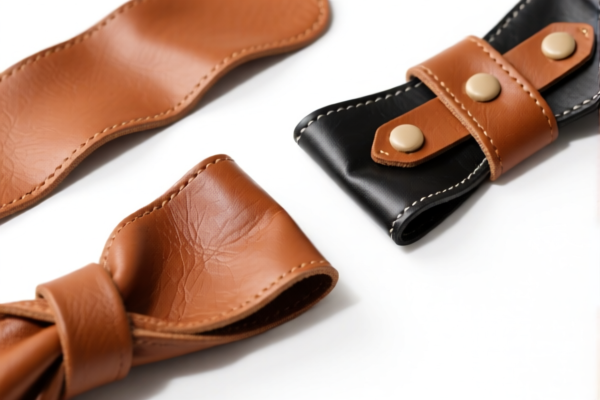
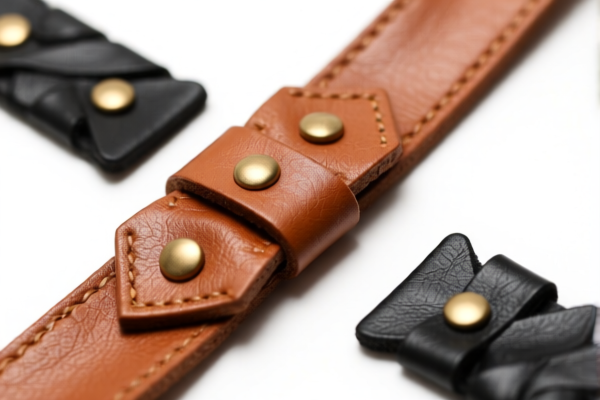
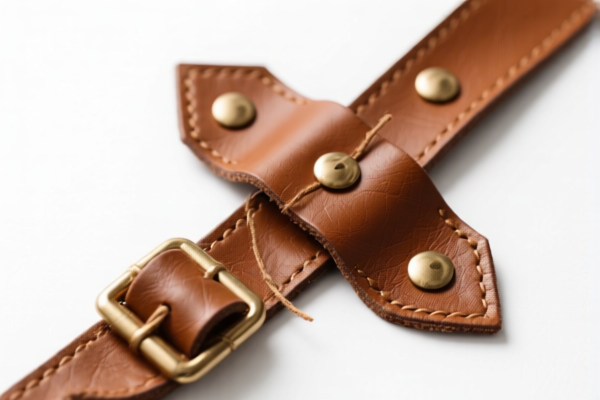
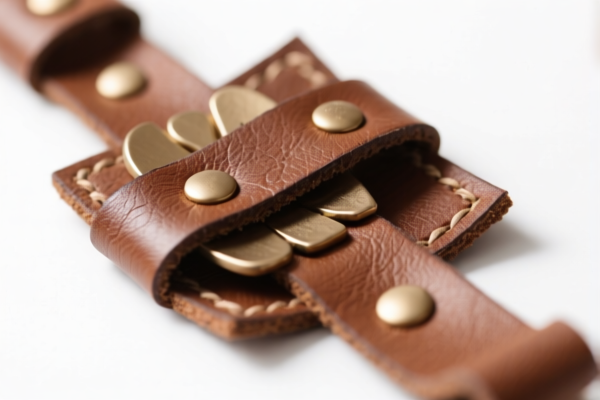
AI分析
🧵🎨 Decorative Leather: Global Trade Classification & Duty Strategy Guide (2026 Update)
🌐 HS Code Reference & Clearance Guide | 2026 Tax Regime Breakdown | Professional Customs Strategy
📌 I. What is "Decorative Leather"? Are You Sure?
Decorative Leather is not a single uniform product. In international trade, it is a collective term for animal leather processed and finished specifically for interior design, upholstery, automotive interiors, and architectural embellishment.
Its classification depends heavily on: 1. The Processing Method: Is it Lacquered/Varnished (漆皮)? Is it Suede/Nubuck (麂皮)? Or is it standard Chrome-tanned Cattle Leather? 2. The Final Form: Is it a raw Hide/Skin (raw material)? A Finished Panel? Or a Semi-finished Part for furniture? 3. The Specific Use: Is it strictly for furniture?
⚠️ Critical Distinction: * If the leather has a thick surface coating (Lacquer/Varnish) → Classify under 4114 (Lacquered Leather). * If the leather is split/napped (Suede) → Classify under 4114.10. * If it is standard chrome-tanned cattle hide for upholstery → Classify under 4107. * If it is a part of a chair (e.g., a pre-cut cushion cover) → Classify under 9401 (Furniture Parts).
Wrong classification leads to massive tax spikes (up to 38.2%) or customs seizures!
📦 II. Detailed HS Code Classification (2026 Latest Tariff Schedule)
Based on the provided commodity data, here are the precise classifications for Decorative Leather:
| HS Code | Product Description | Applicable Scenario | Surface/Status |
|---|---|---|---|
4114.20.70.00 |
Lacquered/Surfaced Leather (Other) | Animal leather with a heavy coating (varnish/paint), used for high-end decor. | Lacquered (漆皮) |
4114.10.00.00 |
Suede/Nubuck Leather | Animal leather with a napped surface, used for soft decorative applications. | Suede (麂皮) |
4107.11.50.00 |
Chrome-Tanned Cattle Leather (Raw Material) | Standard chrome-tanned leather, semi-processed, intended for upholstery. | Chrome-Tanned |
4107.12.50.00 |
Other Chrome-Tanned Cattle Leather | Finished leather panels, fully prepared for interior decoration use. | Finished |
9401.99.10.10 |
Parts of Seats (Leather Components) | Leather already cut/formatted as parts for chairs/sofas (semi-finished). | Semi-finished Part |
🔍 Key Insight: * Codes
4107.xx: Represent the leather material itself. * Code4114.xx: Represents special treated leather (Lacquer/Suede), often commanding higher duties due to added processing. * Code9401.99: Represents furniture parts. If you import leather that is already cut to fit a specific chair model, this code may apply, but the tax structure differs significantly.
💰 III. 2026 Tariff Rate Breakdown (USA Context)
✅ Applicable Country: United States (US)
✅ Origin: China (CN)
✅ Effective Date: 2025/2026 Regime (Based on provided data)
🎯 1. 4114.20.70.00 — Lacquered/Other Surfed Leather (High Tax)
- Base Duty: 1.6%
- Section 301 (Additional): 25.0%
- Section 122 (Trade Action): 10.0%
- 🚨 Total Tax Rate: 36.6%
- Calculation: CIF Value × 36.6%
- Legal Basis:
301(25%) +122(10%) + Base Tariff. - Analysis: This is a highly taxed category. The "Lacquered" nature triggers the Section 301 penalty, plus the 122条款 (Section 122) penalty, making it the most expensive category for decorative leather.
🎯 2. 4114.10.00.00 — Suede/Nubuck Leather (Highest Tax)
- Base Duty: 3.2%
- Section 301 (Additional): 25.0%
- Section 122 (Trade Action): 10.0%
- 🚨 Total Tax Rate: 38.2%
- Calculation: CIF Value × 38.2%
- Legal Basis:
301(25%) +122(10%) + Base Tariff. - Analysis: The "Suede" category carries the highest burden. Even with a slightly higher base rate (3.2%), the combination of 301 and 122 clauses results in the maximum tax impact (38.2%).
🎯 3. 4107.11.50.00 & 4107.12.50.00 — Standard Chrome-Tanned Leather (Moderate Tax)
- Base Duty: 2.8%
- Section 301 (Additional): 0.0% (Exempt)
- Section 122 (Trade Action): 10.0%
- 💡 Total Tax Rate: 12.8%
- Calculation: CIF Value × 12.8%
- Legal Basis: Only
122applies (10%) + Base Tariff (2.8%). - Analysis: The "Sweet Spot". These codes avoid the 25% Section 301 penalty but still carry the 122% (10%) penalty. This is the most cost-effective way to import standard decorative leather if the product is not lacquered or suede.
🎯 4. 9401.99.10.10 — Furniture Parts (Semi-finished)
- Base Duty: 0.0%
- Section 301 (Additional): 7.5%
- Section 122 (Trade Action): 10.0%
- 🚨 Total Tax Rate: 17.5%
- Calculation: CIF Value × 17.5%
- Legal Basis:
301(7.5%) +122(10%). - Analysis: While the base duty is 0%, the Section 301 rate (7.5%) is lower than the full 25% for raw leather, but still significant. This applies ONLY if the leather is a finished part (e.g., pre-cut cushion) for furniture, not just raw hide.
🛠️ IV. Customs Clearance Practical Tips (Avoiding Pitfalls)
✅ 1. Preparation Checklist (Do Not Skip)
| Document | Required? | Why? |
|---|---|---|
| Detailed Product Specs | ✅ Yes | Must specify "Lacquered," "Suede," or "Chrome-Tanned." Vague terms like "Leather" cause audits. |
| Surface Finish Photos | ✅ Yes | Proof of coating (Lacquer/Suede) vs. standard grain. |
| Usage Declaration | ✅ Yes | Explicitly state "For Interior Decoration" vs. "Raw Material." |
| Cutting Pattern Diagram | ⚠️ Conditional | If using HS Code 9401.99, prove it is a "Part" and not "Material." |
| Certificate of Origin | ✅ Yes | Essential for applying Section 122 exemptions or verifying origin. |
✅ 2. Classification Strategy (The Golden Rules)
🔥 Rule #1: "If it's Lacquered or Suede, expect ~38% Tax." If your product is standard leather, do not classify it under 4114. Push for 4107 to save 25% in duties.
🔥 Rule #2: "Parts vs. Material." * Raw Material (Rolls, hides, skins) → Go to 4107 or 4114. * Finished Part (Cut seat covers, pre-shaped armrests) → Consider 9401. * Warning: If you import rolls of leather and cut them yourself in the US, you MUST use 4107/4114. Do not declare as 9401 unless it's already a finished part upon entry.
🔥 Rule #3: "122 Clause is Mandatory." For Chinese origin leather, the 10% Section 122 tax is almost always active regardless of HS Code. Plan for this in your margin calculations.
✅ 3. Special Cases & Solutions
| Scenario | Solution |
|---|---|
| Product is "Faux Leather" | This is NOT animal leather. Check HS Codes under 4205 or 3926. You might qualify for 0% tax. |
| Lacquered Leather with Low Coating | If the coating is negligible, argue for 4107 classification to avoid the 25% penalty. Requires expert technical evidence. |
| Mixed Shipment (Leather + Wood) | Do not mix. Declare leather under 41xx/4114 and wood under its own code to avoid "Whole Product" reclassification errors. |
🌍 V. Global Market Comparison (2026)
| Market | Recommended HS Code | Total Tax (China Origin) | Key Risk |
|---|---|---|---|
| 🇺🇸 USA | 4107.11.50.00 |
12.8% (Best) / 38.2% (Worst) | Section 301 & 122 Penalties |
| 🇨🇳 China | 4107.11.50.00 |
~2.8% | No 301/122 penalties |
| 🇪🇺 EU | 4107.11.50.00 |
~2.8% | High CE standards, no 301 |
| 🇯🇵 Japan | 4107.11.50.00 |
~2.0% | Strict quality inspection |
📌 Conclusion: The USA is the only market imposing the heavy 25% Section 301 tax on "Lacquered" and "Suede" leather. If possible, source standard leather (
4107) to avoid the 25% spike.
📌 VI. Common Errors & "Blood-Soaked" Lessons
❌ Mistake 1: Calling all "Decorative Leather" "Standard Cattle Hide". 👉 Result: Customs audits the product as "Lacquered Leather" (4114), charging 38.2% retroactively + fines. ✅ Fix: Be hyper-specific about surface finish in the invoice.
❌ Mistake 2: Importing pre-cut seat covers as "Raw Leather" (4107). 👉 Result: If the form is too complex, they might classify as "Furniture Parts" (9401) or reject the entry. ✅ Fix: If it's a part, use 9401. If it's a roll, use 4107. Do not mix.
❌ Mistake 3: Ignoring the "122 Clause". 👉 Result: Budgeting for 1.6% tax, but getting hit with 36.6%. ✅ Fix: Always budget for the 10% Section 122 surcharge on Chinese leather.
🎯 VII. Final Verdict: Strategic Sourcing & Declaring
🎯 The Winning Formula:
"Avoid Lacquer & Suede. Stick to Chrome-Tanned. Declare Parts Correctly."
- Best Tax Scenario: Import Chrome-Tanned Cattle Leather (
4107.11.50.00/4107.12.50.00).- Total Duty: 12.8% (Only Base + 122).
- Worst Tax Scenario: Import Lacquered or Suede Leather.
- Total Duty: 36.6% - 38.2% (Base + 301 + 122).
📌 Pro Tip: If your product is Faux Leather (Synthetic), immediately check Chapter 39 or 4205. Synthetic leather often faces 0% or very low tariffs compared to the 38.2% on animal leather!
📣 Immediate Action Plan: 1. Review Product Specs: Is it truly Lacquered or Suede? 2. Check Origin: If not from China, 122/301 might not apply. 3. Contact Broker: Ask for a Binding Ruling on your specific leather type to lock in the 12.8% rate.
✨ Professional Customs, Precision Starts with Classification!
💼 Don't let a 25% tax difference eat your profit margin!
用户评价
关于 HS 编码归类
协调制度(HS)是由世界海关组织(WCO)制定的国际贸易商品分类标准。全球 200 多个国家采用 HS 系统作为海关关税、贸易统计和进出口监管的基础。
每个 HS 编码遵循以下层级结构:
- 章(2 位)——商品大类(例如:第 84 章:机器和机械设备)
- 品目(4 位)——章内的更具体分类
- 子目(6 位)——国际通用细分,所有 WCO 成员国统一使用
- 本国细分(8-10 位)——各国自行扩展的细分编码,如美国 HTSUS 10 位编码
正确的 HS 编码归类对于顺利通关、准确缴纳关税和遵守贸易法规至关重要。错误归类可能导致海关延误、多缴关税或罚款。
从CN进口到US时,适用的关税税率可能包括:
- 最惠国(MFN)税率——适用于 WTO 成员国的标准关税税率
- 普通税率——适用于无贸易协定国家
- 贸易救济关税——附加关税,如 301 条款(反倾销)、232 条款(国家安全)或反补贴税
本页内容仅供参考。如需正式归类,请咨询当地海关或持牌报关代理。