Dehydration Pad
CN → US| HS编码 | 关税税率 | 原产国 | 目的国 | 文档 |
|---|---|---|---|---|
| 4421919880 | 38.3% | CN | US | 官方文档 |
| 6304910170 | 23.3% | CN | US | 官方文档 |
| 6304996040 | 20.7% | CN | US | 官方文档 |
| 4421919880 | 38.3% | CN | US | 官方文档 |
| 6304910170 | 23.3% | CN | US | 官方文档 |
商品图片
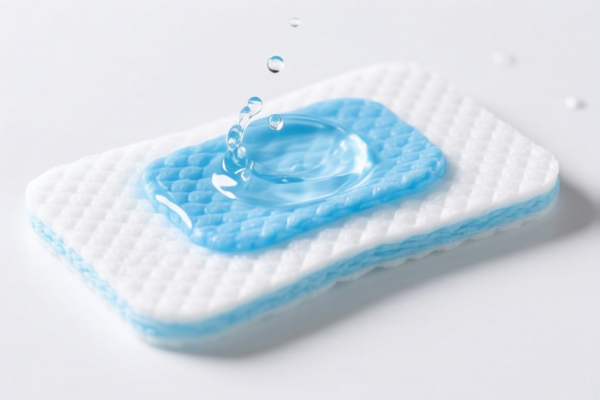


AI分析
🛌 Dehydration Pad (Moisture-Wicking Mattress Pad)
🌐 HS Code Reference & Customs Clearance Guide | 2026 Latest Tariff Analysis | Professional Entry Strategy
📌 I. Product Definition & Classification: What is a "Dehydration Pad"?
A Dehydration Pad (often referred to in trade as a moisture-wicking mattress pad, hospital underpad, or absorbent bed liner) is a textile or wooden product designed to manage moisture, protect bedding, or provide comfort. Its classification depends entirely on its primary material:
1. Wooden-Based Pads:
If the pad is made of wood chips, compressed wood fiber, or rigid wooden slats with minimal textile attachment (primarily used for structural support or specific medical/industrial moisture absorption via wood properties), it falls under Chapter 44 (Wood and Articles of Wood).
2. Textile-Based Pads:
If the pad is made of woven, knitted, or non-woven fabrics (e.g., cotton, polyester, bamboo fiber) designed to absorb or wick away moisture, it falls under Chapter 63 (Other Made-Up Textile Articles).
⚠️ Key Distinction Point:
- If the product’s essential character is derived from wood (rigid, structural, or wood-fiber based) → HS 4421.91.98.80
- If the product’s essential character is derived from fabric (soft, flexible, absorbent) → HS 6304.91.01.70 (Knitted) or HS 6304.99.60.40 (Non-Knitted)
📦 II. HS Code Classification Details (2026 Latest Tariff Authority Comparison)
| HS Code | Product Description | Material Basis | Application Scenario |
|---|---|---|---|
4421.91.98.80 |
Other wood articles, not specified elsewhere (Wood-based dehydration pad) | Wood/Wood Fiber | Rigid wooden moisture-absorbing mats, compressed wood chip pads for medical/industrial use |
6304.91.01.70 |
Other made-up furnishing articles, knitted or crocheted | Knitted/Crocheted Fabric | Soft, fabric-based moisture-wicking pads, knitted hospital underpads, bamboo fiber sleep pads |
6304.99.60.40 |
Other made-up furnishing articles, not knitted or crocheted | Non-Woven/Woven Fabric | Standard non-knitted textile pads, non-woven absorbent liners, composite fabric bedding protectors |
🔍 Critical Reminder:
- Wooden Pads: Must not be primarily covered by other headings. If heavily coated with resin or plastic beyond structural necessity, re-evaluate.
- Textile Pads: Must be classified by knitting method (Knitted vs. Non-Knitted). Confusion here leads to incorrect tax liability.
- "Dehydration" is a functional term, not a material term. Customs looks at composition, not just function.
💰 III. 2026 Latest Tariff Rate Breakdown (Including Additional Taxes & Policy Surcharges)
✅ Applicable Country: United States (US)
✅ Country of Origin: China (CN)
✅ Effective Date: From November 10, 2025 (and subsequent imports)
🎯 1. 4421.91.98.80 —— Wood-Based Dehydration Pad
| Item | Content |
|---|---|
| Base Tariff Rate | 3.3% (Ad Valorem) |
| Section 301 Surcharge | +25.0% |
| 122 Clause Tariff | +10.0% |
| Total Tax Rate | 38.3% |
| Tax Calculation | CIF Value × 38.3% |
| De Minimis Eligibility | ❌ Not Eligible (Due to high tariff rate >25%) |
| Legal Basis Path | USITC:4421.91.98.80 → Section 301: Footnote 9903.88.01 → 122 Clause: IEEPA:9903.01.25 |
📌 Explanation:
- 3.3% Base: Standard Most-Favored-Nation (MFN) rate for wood articles.
- 25% Section 301: Additional tariff on Chinese wood products under Trade Act Section 301.
- 10% 122 Clause: Additional tariff under Section 122 of the Trade Act (or specific executive order provisions often referred to as 122/IEEPA 10% for certain Chinese goods).
- Total 38.3%: High cost. Must be factored into pricing.
🎯 2. 6304.91.01.70 —— Knitted/Crocheted Textile Dehydration Pad
| Item | Content |
|---|---|
| Base Tariff Rate | 5.8% (Ad Valorem) |
| Section 301 Surcharge | +7.5% |
| 122 Clause Tariff | +10.0% |
| Total Tax Rate | 23.3% |
| Tax Calculation | CIF Value × 23.3% |
| De Minimis Eligibility | ❌ Not Eligible (Tariff >25% threshold often triggers stricter scrutiny; however, total is 23.3%, but Section 301 status matters. For CN origin, Section 301 applies, making it subject to high duties and potential de minimis restrictions depending on specific trade enforcement.) |
| Legal Basis Path | USITC:6304.91.01.70 → Section 301: Footnote 9903.88.01 → 122 Clause: IEEPA:9903.01.25 |
📌 Note:
- 5.8% Base: Standard MFN rate for knitted furnishing articles.
- 7.5% Section 301: Lower surcharge for textiles compared to wood/tech.
- 10% 122 Clause: Additional tariff applicable.
- Total 23.3%: Moderate cost. More competitive than wood-based pads.
🎯 3. 6304.99.60.40 —— Non-Knitted/Woven Textile Dehydration Pad
| Item | Content |
|---|---|
| Base Tariff Rate | 3.2% (Ad Valorem) |
| Section 301 Surcharge | +7.5% |
| 122 Clause Tariff | +10.0% |
| Total Tax Rate | 20.7% |
| Tax Calculation | CIF Value × 20.7% |
| De Minimis Eligibility | ❌ Not Eligible (Subject to Section 301 and 122 clause restrictions for Chinese origin) |
| Legal Basis Path | USITC:6304.99.60.40 → Section 301: Footnote 9903.88.01 → 122 Clause: IEEPA:9903.01.25 |
📌 Explanation:
- 3.2% Base: Lowest base rate among the three, applicable to non-knitted textile articles.
- 7.5% Section 301: Same as knitted textiles.
- 10% 122 Clause: Same additional tariff.
- Total 20.7%: Most cost-effective option for textile-based dehydration pads.
🛠️ IV. Customs Clearance Practical Advice (Battle-Tested Pitfall Avoidance)
✅ 1. Required Documentation Checklist (Non-Negotiable)
| Document | Mandatory? | Description |
|---|---|---|
| ✅ Product Specification Sheet | ✔️ | Must clearly state material composition (e.g., "100% Bamboo Fiber Knitted" vs. "Compressed Wood Fiber") |
| ✅ Material Composition Declaration | ✔️ | Detailed breakdown of layers (e.g., Top: Cotton, Middle: ABSORBENT PULP, Bottom: PE Film) |
| ✅ Product Photos (Labeled) | ✔️ | Clear images showing texture, structure, and any brand/label |
| ✅ Commercial Invoice | ✔️ | Describe as "Textile Bed Underpad" or "Wooden Moisture Mat" — DO NOT use vague terms like "Dehydration Pad" alone |
| ✅ Packing List | ✔️ | Confirm net weight, gross weight, and dimensions |
| ✅ Origin Certificate (if applicable) | ✔️ | If shipped from non-CN country, claim preferential rates |
✅ 2. Declaration Tips (Key Mantras)
🔥 "Material Defines HS, Knitting Defines Subheading, Name Must Match Function!"
| Scenario | Correct Declaration | Incorrect Action |
|---|---|---|
| Knitted Fabric Pad | 6304.91.01.70 – "Knitted Moisture-Wicking Bed Pad" |
Declaring as "Wood Pad" → 38.3% |
| Non-Knitted Fabric Pad | 6304.99.60.40 – "Non-Knitted Absorbent Bed Liner" |
Declaring as "Knitted" → Higher base rate |
| Wooden Pad | 4421.91.98.80 – "Wood Fiber Dehydration Mat" |
Declaring as "Textile" → Severe misclassification penalty |
| Composite (Wood + Fabric) | Analyze Essential Character – If fabric covers >50% area, lean towards 6304 |
Relying solely on marketing name "Dehydration Pad" |
✅ 3. Special Cases Handling
| Situation | Handling Advice |
|---|---|
| OEM Custom Textile Pad | Provide fabric swatch test report (knitting type) to prove 6304.91 vs 6304.99 |
| Pad with Plastic Coating | If plastic coating is structural (>50% weight/area), may shift to Chapter 39. Check with broker. |
| Medical vs. Household Use | Customs generally classifies by material, not use. "Hospital Underpad" still follows textile/wood HS codes unless it’s a specific medical device. |
| Samples vs. Bulk | Ensure commercial invoices for bulk reflect actual value. Samples under $2500 may qualify for different handling, but tariff rates remain applicable if CN origin. |
🌍 V. Global Market Comparison (2026 Latest)
| Country/Region | Recommended HS Code | Tariff Rate (CN Origin) | Certification Required | Notes |
|---|---|---|---|---|
| 🇺🇸 USA | 6304.99.60.40 (Textile) |
20.7% | CPC (Children's) if for kids; General for adults | Wood pad: 38.3% |
| 🇪🇺 EU | 6304.99 (Textile) |
~5-12% (Varies) | OEKO-TEX, REACH | No Section 301/122 |
| 🇨🇳 China | 6304.99 (Textile) |
~5-10% | N/A | Low duty, easy clearance |
| 🇬🇧 UK | 6304.99 (Textile) |
~5-12% | UKCA Mark (if applicable) | Post-Brexit rules apply |
📌 Conclusion:
- USA Tariffs are High: The 122 Clause (10%) and Section 301 make US imports expensive.
- Textile > Wood:6304.99.60.40(20.7%) is significantly cheaper than4421.91.98.80(38.3%).
- Optimization: If possible, design product as non-knitted textile (6304.99) for lowest US tariff among text options.
📌 VI. Common Mistakes & Pitfall Guide (Lessons Learned)
❌ Mistake 1: Using "Dehydration Pad" as the sole description
👉 Consequence: Customs may reject or inspect extensively → Delay + Storage Fees
❌ Mistake 2: Confusing Knitted (6304.91) with Non-Knitted (6304.99)
👉 Consequence: Incorrect Base Rate (5.8% vs 3.2%) → Underpayment Penalty
❌ Mistake 3: Declaring Wooden Pad as Textile to avoid 38.3%
👉 Consequence: Fraud/Smuggling Charges, Seizure, and Blacklisting
❌ Mistake 4: Ignoring the 122 Clause (10%)
👉 Consequence: Short-paid duties → Bill + Interest from CBP
✅ Correct Practice:
"Non-Woven Bamboo Fiber Bed Underpad, Absorbent, 34x36 inches, Model XYZ, Made in China"
🎯 VII. Conclusion: Precise Classification Saves Money!
🎯 Remember the Mantra:
🔹 "Wood = 38.3% | Knit = 23.3% | Non-Knit = 20.7%"
🔹 "Material First, Function Second, Name Precise, Tariff Minimized!"
📌 Pro Tip:
If your supply chain allows, consider sourcing from Vietnam, Thailand, or Mexico to potentially access lower or zero Section 301 tariffs (subject to free trade agreements and origin rules).
Always apply for a Pre-Ruling (CBP Ruling Letter) before bulk shipment to lock in the HS Code and avoid surprises.
📣 Immediate Action:
📞 Contact your Customs Broker with Material Test Reports
📝 Request HS Code Pre-Ruling from CBP
🚀 Clearance Smooth, Costs Low, Profit High!
✨ Professional Clearance Starts with Accurate Classification!
💼 Every Percentage Point Matters in Global Trade!
用户评价
关于 HS 编码归类
协调制度(HS)是由世界海关组织(WCO)制定的国际贸易商品分类标准。全球 200 多个国家采用 HS 系统作为海关关税、贸易统计和进出口监管的基础。
每个 HS 编码遵循以下层级结构:
- 章(2 位)——商品大类(例如:第 84 章:机器和机械设备)
- 品目(4 位)——章内的更具体分类
- 子目(6 位)——国际通用细分,所有 WCO 成员国统一使用
- 本国细分(8-10 位)——各国自行扩展的细分编码,如美国 HTSUS 10 位编码
正确的 HS 编码归类对于顺利通关、准确缴纳关税和遵守贸易法规至关重要。错误归类可能导致海关延误、多缴关税或罚款。
从CN进口到US时,适用的关税税率可能包括:
- 最惠国(MFN)税率——适用于 WTO 成员国的标准关税税率
- 普通税率——适用于无贸易协定国家
- 贸易救济关税——附加关税,如 301 条款(反倾销)、232 条款(国家安全)或反补贴税
本页内容仅供参考。如需正式归类,请咨询当地海关或持牌报关代理。