Diesel powered trucks
CN → US| HS编码 | 关税税率 | 原产国 | 目的国 | 文档 |
|---|---|---|---|---|
| 8702106100 | 37.0% | CN | US | 官方文档 |
| 8704210100 | 60.0% | CN | US | 官方文档 |
| 8704230100 | 60.0% | CN | US | 官方文档 |
| 8704230100 | 60.0% | CN | US | 官方文档 |
| 8704230100 | 60.0% | CN | US | 官方文档 |
商品图片
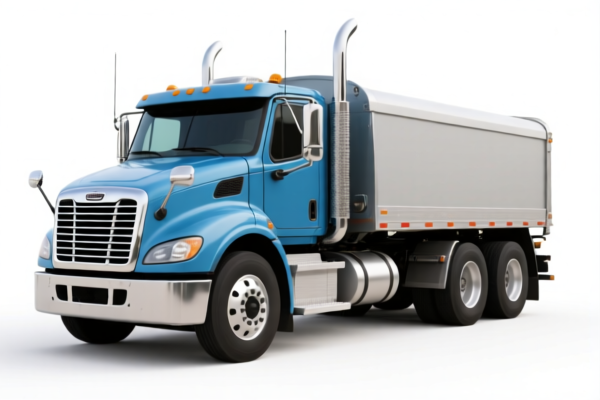
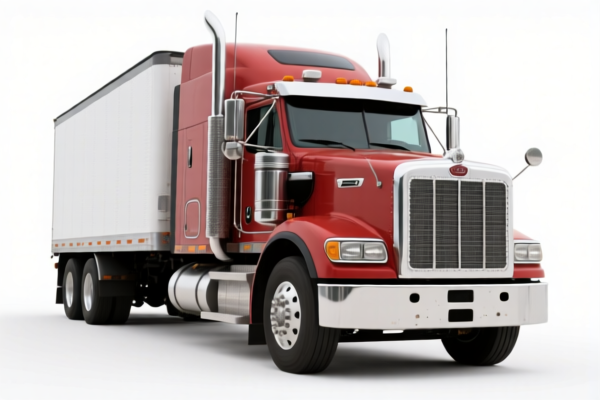
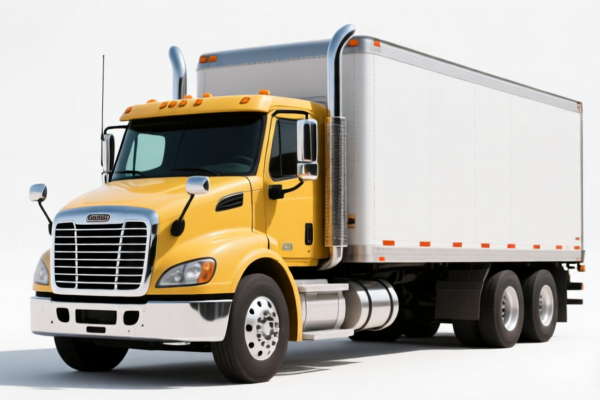
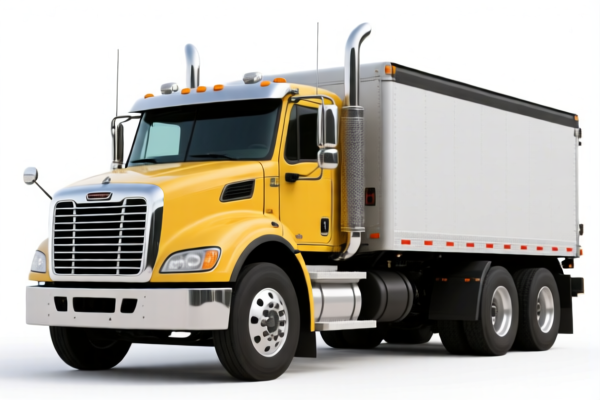
AI分析
🚛 Diesel Powered Trucks (Diesel Trucks)
🌐 HS Code Reference & Customs Clearance Guide | 2026 Latest Tariff Analysis | Strategic Compliance for Heavy-Duty Imports
📌 I. Product Definition & Classification: Understanding "Diesel Trucks"
Diesel-powered trucks are the backbone of global logistics, defined by their use of Compression Ignition Internal Combustion Engines (CIDI). In international trade classification, they are primarily divided based on their design purpose: passenger transport vs. goods transport.
Key Distinction: * Passenger Transport Vehicles: Designed primarily for carrying persons (e.g., buses, minivans, some light trucks with passenger configurations). These often fall under heading 8702. * Goods Transport Vehicles: Designed primarily for carrying goods (e.g., rigid trucks, semi-trailers, dump trucks, tankers). These fall under heading 8704.
⚠️ Critical Classification Point:
- If the vehicle is designed primarily for transporting goods → HS 8704.
- If the vehicle is designed primarily for transporting persons → HS 8702.
- Both must be powered by a compression-ignition internal combustion piston engine (diesel).
📦 II. HS Code Classification Details (2026 Authoritative Reference)
| HS Code | Product Description | Applicable Scenario | Primary Purpose |
|---|---|---|---|
8702.10.61.00 |
Diesel trucks, compression-ignition internal combustion engine-driven transport vehicles | Passenger-oriented diesel trucks (e.g., diesel buses, passenger vans) | 🚐 Passenger Transport |
8704.21.01.00 |
Diesel trucks, compression-ignition internal combustion engine-driven goods transport vehicles | Light/Medium diesel trucks (GVW ≤ 5 tons) | 🚚 Goods Transport |
8704.23.01.00 |
Diesel trucks, fully compliant with compression-ignition internal combustion engine & goods transport vehicle definition | Heavy/Medium diesel trucks (GVW > 5 tons) | 🚛 Goods Transport |
8704.23.01.00 |
Diesel trucks, meeting compression-ignition internal combustion engine & goods transport vehicle usage & power requirements | Specific heavy-duty applications, dump trucks, tankers | 🚛 Goods Transport |
🔍 Important Note:
- All entries below relate to goods transport trucks (8704 series) unless specified as passenger (8702). - The 8704.23.01.00 code appears multiple times in the data because it covers various specific configurations (e.g., different weight classes or specialized goods transport roles) that all meet the core definition of diesel goods vehicles.
💰 III. 2026 Latest Tariff Rate Breakdown (Including Additional Duties & Policy Surcharges)
✅ Applicable Country: United States (US)
✅ Origin: China (CN)
✅ Effective Date: Current trade policy (Section 301 & 122 Tariffs Apply)
🎯 1. 8702.10.61.00 —— Diesel Passenger Transport Vehicles
| Item | Content |
|---|---|
| Base Tariff | 2.0% |
| Section 301 Additional Tariff | 25.0% |
| Section 122 Tariff | 10.0% |
| Total Effective Rate | 37.0% |
| Tax Calculation | CIF Value × 37% |
| De Minimis Exemption | ❌ Not Eligible (Commercial vehicle, high value) |
| Legal Basis Path | Section 301:8702.10.61.00 → Section 122 → Base Rate |
📌 Explanation:
- This is for passenger-focused diesel trucks (e.g., large diesel buses).
- While the base rate is low (2%), the additional duties push the total to 37%.
- Note: This is significantly lower than the 60% rate for goods trucks, but still substantial.
🎯 2. 8704.21.01.00 & 8704.23.01.00 —— Diesel Goods Transport Vehicles
⚠️ Both HS Codes carry the identical tariff structure in the provided data.
| Item | Content |
|---|---|
| Base Tariff | 25.0% |
| Section 301 Additional Tariff | 25.0% |
| Section 122 Tariff | 10.0% |
| Total Effective Rate | 60.0% |
| Tax Calculation | CIF Value × 60% |
| De Minimis Exemption | ❌ Not Eligible |
| Legal Basis Path | Section 301:8704.xxxx.xxxx → Section 122 → Base Rate |
📌 Explanation:
- Why is it 60%?
- Base Tariff (25%): Higher base rate for commercial goods vehicles compared to passenger vehicles.
- Section 301 (25%): Trump tariffs on Chinese-origin goods.
- Section 122 (10%): National security tariffs on steel/aluminum imports (often applied to vehicle bodies/chassis).
- Combined Effect: The 60% total duty makes importing diesel trucks from China to the US extremely costly.
🛠️ IV. Customs Clearance Practical Advice (Avoid Pitfalls)
✅ 1. Essential Documentation Checklist
| Document | Required? | Purpose |
|---|---|---|
| ✅ Commercial Invoice | ✔️ | Must specify "Diesel-Powered Truck" and exact model. |
| ✅ Packing List | ✔️ | Detail weight, dimensions, and any accessories. |
| ✅ Bill of Lading (B/L) | ✔️ | Proof of shipment. |
| ✅ Vehicle Specification Sheet | ✔️ | Confirm engine type (CIDI/Diesel), GVW (Gross Vehicle Weight), and purpose (Passenger vs. Goods). |
| ✅ EPA & DOT Compliance Certificates | ✔️ | CRITICAL: Environmental (EPA) and Safety (DOT) certifications are mandatory for vehicles. |
| ✅ Section 301 Exclusion Proof | ❌ (If applicable) | If your truck was previously granted an exclusion, provide the exclusion letter. |
✅ 2. Classification Strategy & Risk Management
| Scenario | Correct HS Code | Risk of Misclassification |
|---|---|---|
| Passenger Diesel Van | 8702.10.61.00 |
Misclassifying as goods truck → +23% higher tax |
| Light Diesel Truck (<5T) | 8704.21.01.00 |
Misclassifying as passenger → Penalty + Back Taxes |
| Heavy Diesel Truck (>5T) | 8704.23.01.00 |
Misclassifying as lighter truck → Penalty + Back Taxes |
| Electric Diesel-Hybrid | Depends on Primary Power | If diesel is primary → Use Diesel codes. If electric primary → Likely 8703 or 8711. |
🔥 "Golden Rule" for Trucks:
"Purpose defines Code. Passenger = 8702 (37%). Goods = 8704 (60%). Don't mix them!"
✅ 3. Special Considerations for Section 122 & 301 Tariffs
- Section 122 (10%): This tariff is often triggered by the steel/aluminum content in the truck body. Ensure your supplier provides a Material Composition Statement to prove if the truck qualifies for any potential exemptions (though rare for complete vehicles).
- Section 301 (25%): This is a blanket tariff on Chinese goods. Check if your specific truck model has a current exclusion under the USTR Section 301 process. If excluded, the total rate could drop from 60% to 25% (Base + Section 122).
🌍 V. Global Market Comparison (2026 Outlook)
| Country/Region | Recommended HS Code | Total Tariff Rate (China Origin) | Key Certification | Remarks |
|---|---|---|---|---|
| 🇺🇸 USA | 8704.23.01.00 |
60.0% | EPA + DOT | Highest barrier due to 301 + 122 tariffs. |
| 🇨🇳 China | 8704.23.01.00 |
0% - 5% | CCC + China VI | Domestic production is encouraged. |
| 🇪🇺 EU | 8704.21.00 / 8704.23.00 |
14% | Euro 6 | No Section 301/122 equivalent, but anti-subsidy duties may apply. |
| 🇲🇽 Mexico | 8704.23.01.00 |
0% (Under USMCA) | NOM | If assembled in Mexico for US export. |
📌 Strategic Insight:
- The US market is currently the most expensive for importing diesel trucks from China due to the 60% combined tariff.
- Alternative: Consider importing CKD (Completely Knocked Down) kits to countries with FTAs (like Mexico) for assembly, but be aware of Rules of Origin requirements.
📌 VI. Common Mistakes & Pitfalls (Lessons Learned)
❌ Mistake 1: Misclassifying a Goods Truck as a Passenger Vehicle to save tax.
👉 Consequence: CBP audit → Seizure of goods, heavy fines, and loss of import privileges.
❌ Mistake 2: Ignoring EPA/DOT Compliance.
👉 Consequence: Goods held at customs indefinitely until certificates are produced. Never ship vehicles without EPA/DOT docs.
❌ Mistake 3: Assuming "Diesel" means a single HS code.
👉 Consequence: Confusion between 8704.21 (Light) and 8704.23 (Heavy). Weight class matters!
✅ Correct Approach:
"Verify Purpose (Passenger/Goods) → Check Weight (Tons) → Confirm Engine Type (Diesel) → Calculate Total Tariff (Base + 301 + 122)."
🎯 VII. Conclusion: Strategic Sourcing for Diesel Trucks
🎯 Key Takeaway:
Importing diesel trucks from China to the US is prohibitively expensive due to the 60% tariff rate on goods vehicles.
- Passenger Trucks: 37% (Still high, but manageable for niche markets).
- Goods Trucks: 60% (Highly discouraged unless no alternative exists).
💡 Pro Tip:
- Explore CKD/SKD (Semi-Knocked Down) imports if you have assembly facilities in a country with FTAs (e.g., Mexico under USMCA).
- Always request Section 301 Exclusion Letters for your specific HS codes from your supplier.
- Pre-arrival Filing: Use ACE (Automated Commercial Environment) to file a Pre-Arrival Review to avoid delays.
📣 Immediate Action:
📞 Consult a Licensed Customs Broker to review your specific truck model's EPA/DOT compliance and tariff eligibility.
🚀 Do not ship until the total landed cost (including 60% duty) is factored into your business plan.
✨ Precision in Classification = Precision in Cost Control!
💼 Every percentage point of duty affects your bottom line. Don't guess. Know.
用户评价
关于 HS 编码归类
协调制度(HS)是由世界海关组织(WCO)制定的国际贸易商品分类标准。全球 200 多个国家采用 HS 系统作为海关关税、贸易统计和进出口监管的基础。
每个 HS 编码遵循以下层级结构:
- 章(2 位)——商品大类(例如:第 84 章:机器和机械设备)
- 品目(4 位)——章内的更具体分类
- 子目(6 位)——国际通用细分,所有 WCO 成员国统一使用
- 本国细分(8-10 位)——各国自行扩展的细分编码,如美国 HTSUS 10 位编码
正确的 HS 编码归类对于顺利通关、准确缴纳关税和遵守贸易法规至关重要。错误归类可能导致海关延误、多缴关税或罚款。
从CN进口到US时,适用的关税税率可能包括:
- 最惠国(MFN)税率——适用于 WTO 成员国的标准关税税率
- 普通税率——适用于无贸易协定国家
- 贸易救济关税——附加关税,如 301 条款(反倾销)、232 条款(国家安全)或反补贴税
本页内容仅供参考。如需正式归类,请咨询当地海关或持牌报关代理。