Dining Chair
CN → US| HS编码 | 关税税率 | 原产国 | 目的国 | 文档 |
|---|---|---|---|---|
| 9401710001 | 35.0% | CN | US | 官方文档 |
| 9401802001 | 35.0% | CN | US | 官方文档 |
| 3926305000 | 22.8% | CN | US | 官方文档 |
| 3926909989 | 22.8% | CN | US | 官方文档 |
| 6307909891 | 24.5% | CN | US | 官方文档 |
商品图片
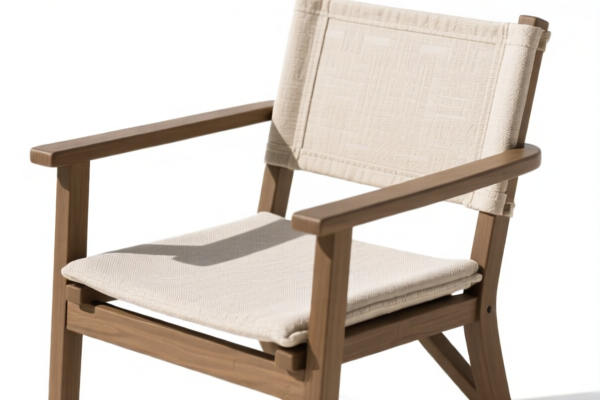
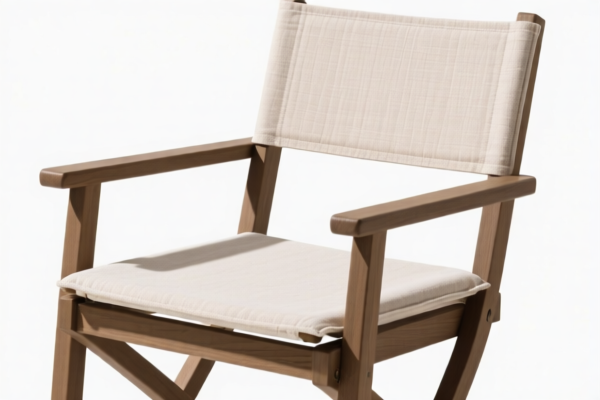
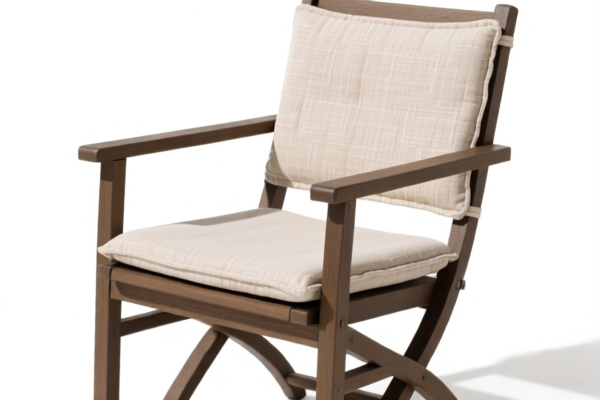
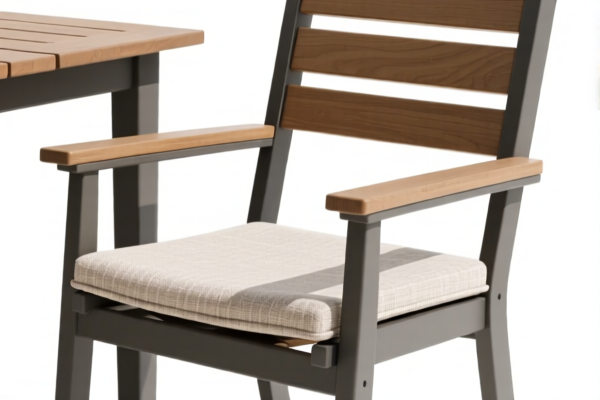
AI分析
🪑 Dining Chair & Baby High Chair Analysis (US Customs Clearance Guide)
🌐 HS Code Reference & Clearance Strategy | 2026 Latest Tariff Rules | Special Focus on US-China Trade Wars
📌 Part 1: Product Definition & Classification: What Exactly is a "Dining Chair"?
In international trade, the term "Dining Chair" is broad and ambiguous. For US Customs purposes, the classification depends heavily on material composition, specific design purpose (e.g., baby vs. adult), and structural integrity.
Key Distinctions: * High-Back Infant/Baby Chairs: Often classified under specific furniture subheadings if they have a specific child-care function. * Metal-Framed Chairs: Classified based on the primary material of the frame (Steel/Aluminum vs. Wood). * Plastic/Composite Chairs: Classified as plastic articles or other manufactured plastic articles. * Cushions/Pads: Often classified separately from the main chair if sold loose or as accessories.
⚠️ Critical Warning:
- If the chair is a complete unit (frame + seat + cushion), it must be classified as Furniture (Chapter 94).
- If it is just a cushion or pad, it falls under Textiles or Plastic Articles (Chapter 63 or 39).
- Misclassification Risk: Classifying a complete high chair as "Plastic Parts" can lead to severe penalties and back-taxes.
📦 Part 2: HS Code Classification Matrix (2026 Latest Data)
Based on the provided data, here are the specific HS Codes for various types of Dining/High Chairs imported from China to the US.
| HS Code | Product Description | Material/Type | Key Feature |
|---|---|---|---|
| 9401.71.00.01 | High Chairs for Infants (Metal Frame) | Metal Frame + Soft Padding | Specifically designed for babies; high-leg design. |
| 9401.80.20.01 | High Chairs for Children (Plastic/Laminated) | Enhanced or Laminated Plastic | Durable, often foldable; targeted at toddler/child use. |
| 3926.30.50.00 | Other Plastic Articles (Plastic Construction) | Plastic | Inferred as plastic dining chairs; generic plastic articles. |
| 3926.90.99.89 | Other Plastic Articles (Consumer Goods) | Plastic | Finished plastic consumer products; general plastic dining items. |
| 6307.90.98.91 | Made-up Textile Articles (Cushions/Pads) | Textile/Fabric | Specifically for chair cushions/pads; not the chair itself. |
🔍 Detailed Analysis:
- 9401 Series (Furniture): This is the most accurate classification for complete chairs. It includes both metal and plastic high chairs.
- 3926 Series (Plastic Articles): Used if the chair is primarily considered a "plastic article" rather than furniture, or if it lacks structural furniture characteristics.
- 6307 Series (Textiles): Do not classify the entire chair here. This is only for cushions/pads sold separately or as accessories.
💰 Part 3: 2026 Tariff Rate Breakdown (High Tariff Alert!)
✅ Applicable Country: United States (US)
✅ Origin: China (CN)
✅ Effective Date: Rates apply to imports starting 2025-2026, subject to ongoing trade policies.
🎯 1. 9401.71.00.01 & 9401.80.20.01 — High Chairs (Furniture Category)
These codes attract the highest tariffs due to their classification as furniture under Section XX.
| Item | Details |
|---|---|
| Base MFN Rate | 0.0% |
| Section 301 Additional Duty | +25.0% |
| 122 Clause Duty (IEEPA) | +10.0% |
| Total Effective Tariff | 35.0% |
| Calculation Basis | CIF Value × 35% |
| De Minimis Exemption | ❌ NOT Eligible (Section 321/301 exclusions generally do not apply to these high-tariff furniture items from China) |
| Legal Basis | USITC:9401.71.00.01 → FOOTNOTE:301 → IEEPA:122 |
📌 Explanation:
- 0% Base: China has MFN status, so the base rate is low.
- +25% (Section 301): Retaliatory tariffs on Chinese goods, including furniture components.
- +10% (122 Clause): Additional tariffs under Executive Orders targeting specific Chinese sectors.
- Total 35%: This is a significant cost burden. Suppliers often use this to price competition.
🎯 2. 3926.30.50.00 & 3926.90.99.89 — Plastic Dining Items (Plastic Articles)
These codes have moderate tariffs but are still subject to all附加 taxes.
| Item | Details |
|---|---|
| Base MFN Rate | 5.3% |
| Section 301 Additional Duty | +7.5% |
| 122 Clause Duty (IEEPA) | +10.0% |
| Total Effective Tariff | 22.8% |
| Calculation Basis | CIF Value × 22.8% |
| De Minimis Exemption | ❌ NOT Eligible (Most plastic articles from China are subject to Section 301) |
| Legal Basis | USITC:3926.30.50.00 → FOOTNOTE:301 → IEEPA:122 |
📌 Explanation:
- Plastic items have a higher base rate (5.3%) but lower Section 301 add-on (7.5%) compared to furniture (25%).
- Total 22.8% is still substantial, but 12.2% cheaper than the high chair furniture classification.
- Strategic Note: Some importers try to classify plastic chairs under 3926 to save taxes, but Customs may reclassify them to 9401 if they are clearly "furniture."
🎯 3. 6307.90.98.91 — Chair Cushions/Pads (Textile/Other Made-up Articles)
Only applies to cushions sold separately or as accessories.
| Item | Details |
|---|---|
| Base MFN Rate | 7.0% |
| Section 301 Additional Duty | +7.5% |
| 122 Clause Duty (IEEPA) | +10.0% |
| Total Effective Tariff | 24.5% |
| Calculation Basis | CIF Value × 24.5% |
| De Minimis Exemption | ❌ NOT Eligible |
| Legal Basis | USITC:6307.90.98.91 → FOOTNOTE:301 → IEEPA:122 |
📌 Explanation:
- If you sell chairs with cushions included, the chair is classified (at 22.8% or 35%), NOT the cushion.
- If you sell cushions separately, they are taxed at 24.5%.
- Warning: Do not ship cushions separately to avoid higher chair tariffs; Customs can consolidate them and apply the higher rate.
🛠️ Part 4: Clearance Practical Advice (Risk Mitigation)
✅ 1. Documentation Checklist (Mandatory)
| Document | Requirement | Reason |
|---|---|---|
| Commercial Invoice | Must specify "High Chair" or "Plastic Chair" clearly | Determines HS Code eligibility |
| Product Photos | Show entire chair, material details (metal/plastic), and cushion | Proves whether it's furniture or plastic article |
| Bill of Materials (BOM) | List materials (e.g., "Steel frame, Plastic seat, Fabric pad") | Helps Customs verify primary material |
| Origin Certificate | Proof of Chinese origin | Triggers 301 and 122 duties |
| FCC/CPSC Certifications | If for children, CPSC (Consumer Product Safety) is critical | High-risk category for infant products |
✅ 2. Classification Strategy (How to Save Money)
| Scenario | Recommended HS Code | Why? |
|---|---|---|
| Complete High Chair (Metal) | 9401.71.00.01 |
Most accurate for metal high chairs. |
| Complete High Chair (Plastic) | 9401.80.20.01 |
Preferred over 3926 if it's clearly a chair. |
| Generic Plastic Chair (No Legs/Foldable?) | 3926.30.50.00 |
Potential Savings: 22.8% vs 35%. Risk: Customs may dispute. |
| Sold as "Chair + Cushion" | Classify as Chair (9401 or 3926) | Cushion is part of the chair; don't split. |
| Sold as "Cushion Only" | 6307.90.98.91 |
Only if the frame is NOT included. |
⚠️ Risk Alert:
- Over-classifying to 3926 (Plastic Articles) for a complete high chair is aggressive. US Customs may reclassify to 9401 (Furniture) and demand the 35% tariff, plus penalties.
- Best Practice: If the chair is primarily plastic, argue for 9401.80.20.01 (Plastic High Chair) which is still 35%, but more defensible than misclassifying. However, if it's a simple plastic stool, 3926 (22.8%) may be defensible.
✅ 3. Special Considerations for Infant Products
| Issue | Action |
|---|---|
| CPSC Compliance | Ensure all infant chairs meet ASTM F2057 (Standard Consumer Safety Specification for Full-Size Baby Cradles, Play Yards, and Other Full-Size Baby Units). |
| Small Parts Warning | Include mandatory warning labels on packaging. |
| Testing Reports | Provide third-party testing reports (BPA-free, lead-free) to avoid detention at US ports. |
🌍 Part 5: Global Market Comparison (2026)
| Market | HS Code Example | Base Tariff | US Additional Tariffs | Total Cost Impact |
|---|---|---|---|---|
| 🇺🇸 USA | 9401.71.00.01 |
0% | +35% (301 + 122) | High (35%) |
| 🇪🇺 EU | 9401.71.00 |
14% | None (Generally) | Medium (14%) |
| 🇨🇳 China | 9401.71.00 |
14% | None | Medium (14%) |
| 🇬🇧 UK | 9401.71.00 |
14% | None | Medium (14%) |
📌 Key Takeaway:
- The US is the most expensive market for Chinese-made dining chairs due to Section 301 and 122 Clause tariffs.
- Consider diversifying supply chains to Vietnam, Mexico, or India to avoid US tariffs (subject to Rules of Origin verification).
📌 Part 6: Common Mistakes & Pitfalls
❌ Mistake 1: Classifying a complete high chair as "Plastic Parts" (3926) to save tax.
👉 Consequence: Customs reclassifies to 9401 (35%), demands back-taxes, and may seize goods.
❌ Mistake 2: Selling chairs and cushions separately to lower the value of the chair.
👉 Consequence: Customs may argue they are "goods put up in sets" and classify together, still triggering the 35% rate on the chair.
❌ Mistake 3: Ignoring CPSC requirements for infant chairs.
👉 Consequence: Immediate detention at US port, fines, and recall orders.
❌ Mistake 4: Assuming De Minimis (Section 321) applies.
👉 Consequence: Most furniture and plastic articles from China do NOT qualify for de minimis entry. Expect full duty payment.
🎯 Part 7: Conclusion & Action Plan
🎯 Final Advice:
1. Verify Material: If it's a complete chair, use 9401 (35%) for safety. If it's a simple plastic stool, consider 3926 (22.8%) with legal counsel.
2. Calculate Landed Cost: Include 35% (for furniture) or 22.8% (for plastic) in your pricing model.
3. Compliance First: Ensure CPSC and ASTM certifications are in place for infant products.
4. Supply Chain Review: If possible, source from non-China countries to avoid the 35% US tariff.
🔥 Pro Tip:
"The difference between 22.8% and 35% is 12.2%. For a $10,000 shipment, that’s $1,220. Ensure your classification is defensible!"
📣 Immediate Action:
📞 Consult a Customs Broker: Confirm HS Code with your broker before shipping.
📄 Prepare CPSC Certs: Have testing reports ready for infant chairs.
📦 Label Clearly: Ensure product descriptions match HS Code definitions.
✨ Accurate Classification Saves Money. Compliance Prevents Delays.
💼 Your Profit Margin Depends on Your HS Code!
用户评价
关于 HS 编码归类
协调制度(HS)是由世界海关组织(WCO)制定的国际贸易商品分类标准。全球 200 多个国家采用 HS 系统作为海关关税、贸易统计和进出口监管的基础。
每个 HS 编码遵循以下层级结构:
- 章(2 位)——商品大类(例如:第 84 章:机器和机械设备)
- 品目(4 位)——章内的更具体分类
- 子目(6 位)——国际通用细分,所有 WCO 成员国统一使用
- 本国细分(8-10 位)——各国自行扩展的细分编码,如美国 HTSUS 10 位编码
正确的 HS 编码归类对于顺利通关、准确缴纳关税和遵守贸易法规至关重要。错误归类可能导致海关延误、多缴关税或罚款。
从CN进口到US时,适用的关税税率可能包括:
- 最惠国(MFN)税率——适用于 WTO 成员国的标准关税税率
- 普通税率——适用于无贸易协定国家
- 贸易救济关税——附加关税,如 301 条款(反倾销)、232 条款(国家安全)或反补贴税
本页内容仅供参考。如需正式归类,请咨询当地海关或持牌报关代理。