Disposable Cleaning Disinfection Plastic Gloves
CN → US| HS编码 | 关税税率 | 原产国 | 目的国 | 文档 |
|---|---|---|---|---|
| 3926204010 | 16.5% | CN | US | 官方文档 |
| 3926201020 | 10.0% | CN | US | 官方文档 |
| 3926204010 | 16.5% | CN | US | 官方文档 |
| 3926201020 | 10.0% | CN | US | 官方文档 |
| 3926204010 | 16.5% | CN | US | 官方文档 |
商品图片
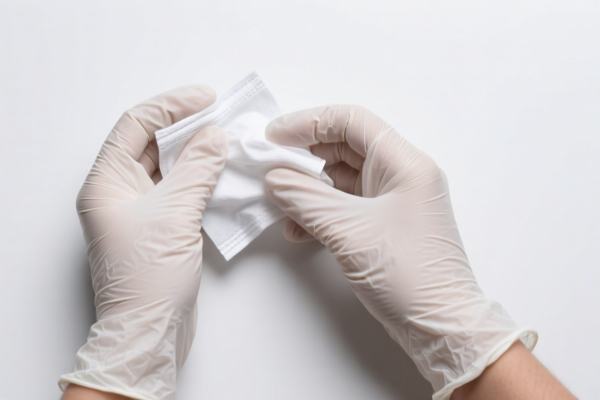
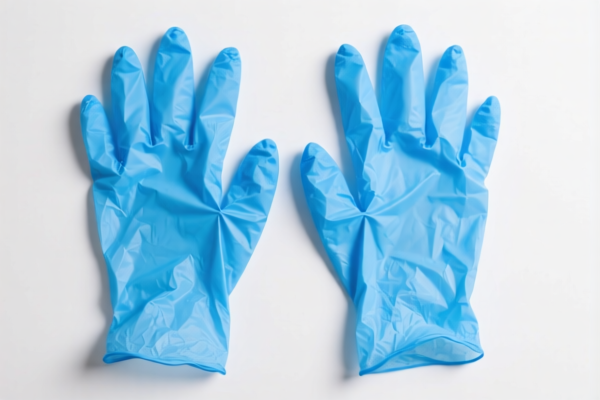
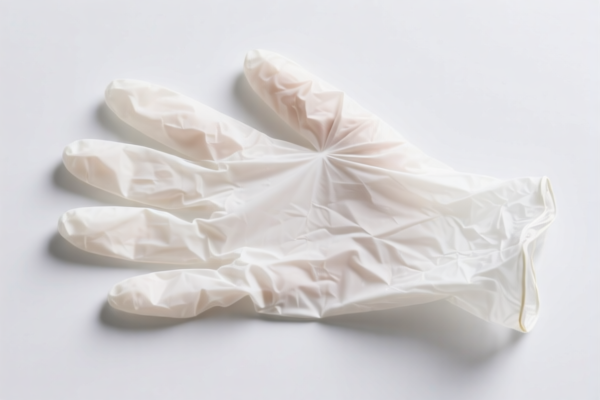
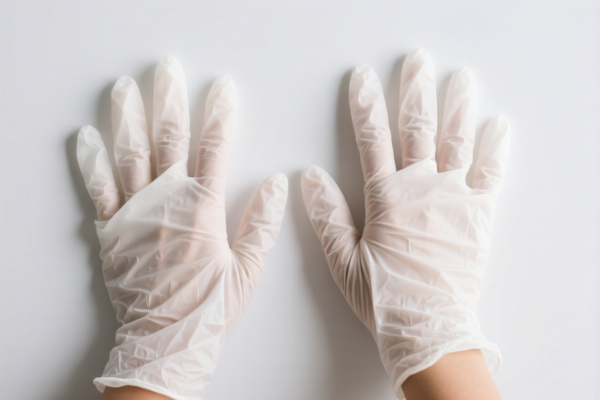
AI分析
🧤 Disposable Cleaning Disinfection Plastic Gloves
🌐 HS Code Reference & Customs Clearance Guide | 2026 Latest Tariff Analysis | Professional Clearance Strategy
📌 I. Product Definition & Classification: Do You Really Understand "Plastic Gloves"?
Disposable plastic gloves are essential personal protective equipment (PPE) and household items used for cleaning, disinfection, food handling, and medical procedures. In international trade, the classification depends heavily on the material composition, physical state, and specific intended use.
Based on the provided data, these products fall under Chapter 39 (Plastics and Articles Thereof), specifically heading 3926 (Other articles of plastics). The distinction lies primarily in whether the gloves are specified as having a base tariff of 0% or 6.5%, which often correlates with subtle differences in manufacturing specifications (e.g., presence of powder, specific plastic polymer types, or packaging details) recognized by customs authorities.
⚠️ Key Distinction Point:
- If the product is described simply as "plastic gloves" without specific material nuances that trigger the higher base tariff → Likely falls under 3926.20.10.20 (0% Base).
- If the product is specified as "household," "powdered," or implies specific chemical resistance properties that align with the 6.5% bracket → Likely falls under 3926.20.40.10 (6.5% Base).
- Critical Rule: All disposable plastic gloves of this type are subject to 10% Section 301/122 tariffs regardless of the base rate.
📦 II. HS Code Classification Details (2026 Latest Tariff Authority Comparison)
| HS Code | Product Description | Applicable Scenario | Base Tariff | Section 301/122 Surcharge |
|---|---|---|---|---|
3926.20.10.20 |
Disposable plastic gloves, basic classification | General-purpose disposable gloves, standard plastic material | 0.0% | +10.0% |
3926.20.40.10 |
Disposable household plastic gloves / Powdered gloves | Household cleaning, specific plastic formulations, or powdered variants | 6.5% | +10.0% |
🔍 Detailed Explanation:
- 3926.20.10.20: This code applies to disposable gloves where the base duty is waived (0%). The summary indicates "material is plastic, form is disposable, use is gloves." This is often the default for standard nitrile, vinyl, or polyethylene gloves if no specific "household" or "powdered" qualifier is emphasized in the customs declaration. - 3926.20.40.10: This code carries a 6.5% base duty. The summaries highlight terms like "household," "powdered," or infer plastic material based on Chapter 39 logic. It captures gloves specifically marketed for cleaning/disinfection tasks where higher duty applies due to specific material classifications or lack of free trade agreement benefits.
💰 III. 2026 Latest Tariff Rate Breakdown (Including Surcharges & Policy Add-ons)
✅ Applicable Country: United States (US)
✅ Country of Origin: China (CN)
✅ Effective Date: Ongoing (Post-2025 updates)
🎯 1. 3926.20.10.20 —— Disposable Plastic Gloves (Base Rate: 0%)
| Item | Details |
|---|---|
| Base Tariff | 0.0% (ad valorem) |
| Section 301/122 Surcharge | +10.0% (Specific 122 Clause Tariff for Chinese Origin) |
| Other Surcharges | 0.0% (No additional anti-dumping or countervailing duties mentioned in source) |
| Total Effective Rate | 10.0% |
| Tax Calculation | CIF Value × 10.0% |
| De Minimis Eligibility | ❌ No (Section 301/122 tariffs generally apply to all shipments from China, including de minimis if not exempted by specific executive orders, but typically high-risk for customs scrutiny) |
| Legal Path | HS:3926.20.10.20 → 122Clause:10% |
📌 Explanation:
- The 10% surcharge is a specific penalty tariff applied to certain plastic goods from China (often referred to as the "122 clause" in internal logs).
- Even though the base tariff is 0%, the total landed cost impact is 10%.
- This is the most favorable classification among the provided options.
🎯 2. 3926.20.40.10 —— Household/Powdered Plastic Gloves (Base Rate: 6.5%)
| Item | Details |
|---|---|
| Base Tariff | 6.5% (ad valorem) |
| Section 301/122 Surcharge | +10.0% (Specific 122 Clause Tariff for Chinese Origin) |
| Other Surcharges | 0.0% |
| Total Effective Rate | 16.5% |
| Tax Calculation | CIF Value × 16.5% |
| De Minimis Eligibility | ❌ No |
| Legal Path | HS:3926.20.40.10 → 122Clause:10% |
📌 Explanation:
- The 6.5% base tariff is added to the 10% surcharge.
- This classification is triggered if the gloves are specified as "household use," "powdered," or if the material description aligns with the higher-duty subheading.
- Total cost is 16.5%, which is significantly higher than the 0% base alternative.
🛠️ IV. Customs Clearance Practical Advice (Battle-Tested Pitfall Avoidance)
✅ 1. Preparation Checklist (Non-Negotiable)
| Document | Required | Purpose |
|---|---|---|
| ✅ Product Specification Sheet | ✔️ | Must detail material (e.g., PE, PVC, Nitrile), thickness, powder/no-powder, and intended use (medical vs. household). |
| ✅ Product Photos | ✔️ | Clear images of packaging showing "Disposable," "Plastic," and any warnings (e.g., "Not for Medical Use" if applicable). |
| ✅ Commercial Invoice | ✔️ | Must explicitly state: "Disposable Plastic Gloves for Cleaning/Disinfection." Avoid vague terms like "PPE" unless medically certified. |
| ✅ Certificate of Origin | ✔️ | To confirm Chinese origin, triggering the 122 Clause if applicable. |
| ✅ Packing List | ✔️ | Detail quantities and weights to avoid discrepancies. |
✅ 2. Declaration Strategy (Key Mnemonics)
🔥 "Specify Material, Clarify Use, Avoid 'Medical' Unless Certified!"
| Scenario | Recommended Declaration | Risk of Misclassification |
|---|---|---|
| General Disposable Gloves | "Disposable Plastic Gloves, PE, Non-Sterile, for Cleaning" | ✅ Low (Fits 3926.20.10.20) |
| Powdered Gloves | "Disposable Plastic Gloves, Powdered, for Household Cleaning" | ⚠️ Medium (May trigger 3926.20.40.10 due to "powdered" descriptor) |
| Sterile Medical Gloves | "Sterile Surgical Gloves, Nitrile" | ❌ High Risk (Wrong Chapter! Should be Chapter 40 or 9013, not 3926. Using 3926 for medical gloves is a major compliance error.) |
| Reinforced/Rubber Gloves | "Rubber Gloves, Household" | ❌ High Risk (Should be Chapter 40. Chapter 39 is for plastic. Using plastic code for rubber gloves leads to reclassification and penalties.) |
💡 Crucial Tip:
- Do NOT use "Plastic" if the material is Natural Rubber or Latex. Latex gloves fall under Chapter 40 (Rubber). Misclassifying latex as plastic is a common error that leads to audits.
- Be precise: If the gloves are Polyethylene (PE), use 3926. If they are PVC, use 3926. If they are Nitrile (synthetic rubber), they may also fall under 3926 if classified as plastic articles, but this is complex and requires expert verification. The provided data assumes a Plastic classification.
✅ 3. Special Cases & Handling
| Situation | Recommendation |
|---|---|
| Mixed Shipment (Plastic + Rubber) | Split Declaration. Do not combine. Rubber gloves (Chapter 40) have different tariffs and surcharges. Mixing them causes customs holds. |
| OEM/Private Label | Provide brand authorization letters. Custom branding does not change the HS code, but vague descriptions ("Gloves") are rejected. |
| "Cleaning" vs. "Medical" | If labeled "Disinfection," ensure they are not sterile. Sterile gloves are medical devices (FDA regulated). Non-sterile "disinfection gloves" are general household/PPE items (Chapter 39). |
🌍 V. Global Market Customs Comparison (2026 Latest)
| Country/Region | Recommended HS Code | Tariff (China Origin) | Certification | Notes |
|---|---|---|---|---|
| 🇺🇸 USA | 3926.20.10.20 |
10.0% (Total) | None (General) | Highest risk of 122 Clause. Verify material is strictly plastic. |
| 🇺🇸 USA | 3926.20.40.10 |
16.5% (Total) | None (General) | Higher base duty. Avoid if 3926.20.10.20 is valid. |
| 🇨🇳 China | 3926.20 |
6.5% - 9.5% (Import Duty) | None | Domestic trade not applicable. |
| 🇪🇺 EU | 3926.20.90 |
0% - 4.5% | CE (if PPE) | No 122 Clause. Lower barriers. |
| 🇬🇧 UK | 3926.20.90 |
0% - 4.5% | UKCA | Post-Brexit rules. |
📌 Conclusion:
- The USA is the most complex market due to the 10% Section 122/301 Surcharge.
- EU/UK offer significantly lower tariff burdens for plastic gloves.
- Always verify material: If the glove is Latex/Latex-free Nitrile, it is NOT Plastic and should not use HS Code 3926. It belongs in Chapter 40 (e.g.,4015.11). Using 3926 for rubber gloves is a critical error.
📌 VI. Common Errors & Pitfall Guide (Lessons Learned)
❌ Error 1: Classifying Latex Nitrile Gloves under 3926.20.10.20
👉 Consequence: Customs reclassifies to Chapter 40 (4015.11), applies different tariffs, and issues penalties for misdeclaration.
✅ Fix: Confirm material. If Rubber/Nitrile → Chapter 40. If PE/PVC → Chapter 39.
❌ Error 2: Using vague description "Gloves" on Invoice
👉 Consequence: Customs detainment for "Insufficient Information."
✅ Fix: Use "Disposable Disposable Plastic Gloves, Non-Sterile, PE Material, for Household Cleaning."
❌ Error 3: Ignoring the 122 Clause Surcharge
👉 Consequence: Underpayment of duties. The 10% surcharge is automatic for Chinese-origin plastic gloves.
✅ Fix: Budget for the full 10% (or 16.5%) landed cost.
❌ Error 4: Confusing "Cleaning" with "Medical Sterile"
👉 Consequence: FDA violation if marketed as medical without clearance.
✅ Fix: Clearly state "Non-Sterile" and "Not for Medical Use" on packaging if intended for cleaning.
🎯 VII. Conclusion: Precision in Classification Saves Money!
🎯 Remember the Mnemonic:
🔹 "Plastic = 3926, Rubber = 4015. Check Material First!"
🔹 "China Origin + Plastic Gloves = 10% Surcharge Minimum!"
🔹 "Avoid 'Medical' unless Sterile & Certified. Stick to 'Household/Cleaning' for 3926."
📌 Pro Tip:
- If your gloves are Nitrile (synthetic rubber), double-check with a customs broker. While some nitrile gloves are classified under 3926 if considered plastic articles, many fall under 4015. Misclassification here is the #1 risk for Chinese glove exports to the US.
- For PE (Polyethylene) or PVC gloves, the 3926.20.10.20 code with 10% total tax is the most likely and efficient path.
📣 Immediate Action:
📞 Verify Material Composition: Is it PE/PVC (Plastic) or Latex/Nitrile (Rubber)?
📝 Draft Precise Declaration: "Disposable Plastic Gloves, [Material], Non-Sterile, for Cleaning."
🚀 Ensure Compliance with 122 Clause: Budget for the 10% surcharge in your cost analysis.
✨ Professional Clearance Starts with Accurate Classification!
💼 Your Profit Margin Depends on Getting the HS Code Right!
用户评价
关于 HS 编码归类
协调制度(HS)是由世界海关组织(WCO)制定的国际贸易商品分类标准。全球 200 多个国家采用 HS 系统作为海关关税、贸易统计和进出口监管的基础。
每个 HS 编码遵循以下层级结构:
- 章(2 位)——商品大类(例如:第 84 章:机器和机械设备)
- 品目(4 位)——章内的更具体分类
- 子目(6 位)——国际通用细分,所有 WCO 成员国统一使用
- 本国细分(8-10 位)——各国自行扩展的细分编码,如美国 HTSUS 10 位编码
正确的 HS 编码归类对于顺利通关、准确缴纳关税和遵守贸易法规至关重要。错误归类可能导致海关延误、多缴关税或罚款。
从CN进口到US时,适用的关税税率可能包括:
- 最惠国(MFN)税率——适用于 WTO 成员国的标准关税税率
- 普通税率——适用于无贸易协定国家
- 贸易救济关税——附加关税,如 301 条款(反倾销)、232 条款(国家安全)或反补贴税
本页内容仅供参考。如需正式归类,请咨询当地海关或持牌报关代理。