Disposable Gloves
CN → US| HS编码 | 关税税率 | 原产国 | 目的国 | 文档 |
|---|---|---|---|---|
| 3926204010 | 16.5% | CN | US | 官方文档 |
| 3926201020 | 10.0% | CN | US | 官方文档 |
| 4015191110 | 38.0% | CN | US | 官方文档 |
| 3926204010 | 16.5% | CN | US | 官方文档 |
| 3926201020 | 10.0% | CN | US | 官方文档 |
商品图片


AI分析
🧤 Disposable Gloves – HS Code & Tariff Guide | 2026 Customs Clearance Strategy | Full Tax Breakdown
🌐 HS Code Reference & Customs Clearance Master Guide | 2026 Updated Tariff Rules | Expert-Level Import Planning
📌 One, Product Definition & Classification: What Are You Really Importing?
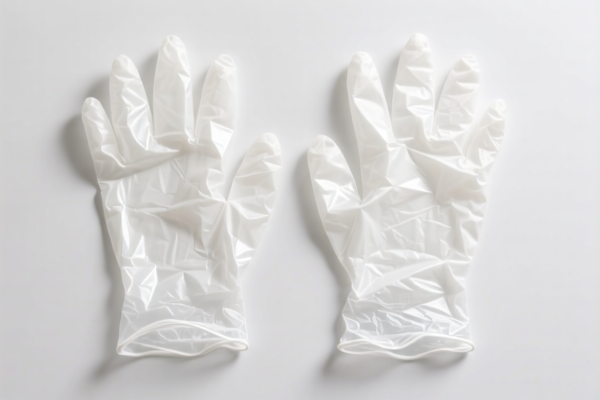
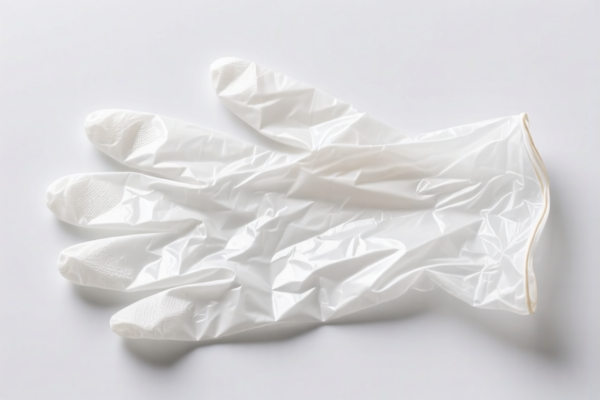
Disposable gloves are single-use protective hand coverings widely used in healthcare, food handling, industrial work, and laboratory settings. Their classification hinges on material composition, intended use, and physical form.
⚠️ Critical Distinction: - Plastic-based gloves (e.g., nitrile, vinyl, latex-free) → fall under 3926.20.10.20 / 3926.20.40.10 - Rubber-based gloves (especially vulcanized rubber) → fall under 4015.19.11.10 - Food-grade or medical-grade designation affects classification but does not change the base HS Code unless material changes.
✅ Key Rule:
- If the glove is made of plastic (non-rubber) and used for general protection → 3926.20.10.20 or 3926.20.40.10
- If the glove is made of sulfur-vulcanized rubber → 4015.19.11.10 (even if used in food/medical settings)
📦 Two, HS Code Classification Details (2026 Updated Tariff Schedule)
| HS Code | Product Description | Use Case | Material Type | Food/Medical Grade? |
|---|---|---|---|---|
3926.20.40.10 |
Disposable gloves, plastic material, intended for general use, including food-grade | Healthcare, food service, lab, industrial | Plastic (e.g., vinyl, nitrile) | ✅ Yes (if labeled) |
3926.20.10.20 |
Disposable gloves, plastic material, standard form and purpose | General protective use | Plastic (e.g., vinyl, nitrile) | ✅ Yes (if labeled) |
4015.19.11.10 |
Disposable gloves, vulcanized rubber, used in medical/industrial settings | Medical, lab, industrial | Sulfur-vulcanized rubber (natural or synthetic) | ✅ Yes (if labeled) |
🔍 Important Notes: - Plastic gloves are not considered rubber gloves — even if they feel rubbery. - "Food-grade" or "medical-grade" does not override material-based classification. - "Disposable" is a functional descriptor — not a classification factor.
💰 Three, 2026 Tariff Breakdown (With Full Tax Clause Explanation)
✅ Applicable Country: United States (US)
✅ Origin: China (CN)
✅ Effective Date: November 10, 2025 (including all subsequent imports)
🎯 1. 3926.20.40.10 — Plastic Disposable Gloves (Food-Grade or General Use)
| Item | Detail |
|---|---|
| Base Duty Rate | 6.5% (ad valorem) |
| Additional Tariff (Section 301) | 0% |
| Section 122 Tariff (IEEPA) | 10% |
| Total Effective Tariff | 16.5% |
| Tax Calculation | CIF Value × 16.5% |
| De Minimis Threshold | ❌ Not applicable (denied under 19 U.S.C. § 137a) |
| Legal Basis Path | IEEPA:9903.01.25 → Section 122: 10% → Base: 3926.20.40.10 → USITC 301: 0% |
📌 Explanation: - 6.5% base duty: Standard rate for plastic gloves under the Harmonized Tariff Schedule (HTS). - 10% Section 122 (IEEPA): Imposed under the International Emergency Economic Powers Act for goods from China. - No 301 (USITC) tariff: Despite China origin, this code is exempt from the 25% Section 301 tariff. - Total: 16.5% — High, but not the worst in the category.
🎯 2. 3926.20.10.20 — Plastic Disposable Gloves (Standard Use)
| Item | Detail |
|---|---|
| Base Duty Rate | 0.0% |
| Additional Tariff (Section 301) | 0% |
| Section 122 Tariff (IEEPA) | 10% |
| Total Effective Tariff | 10.0% |
| Tax Calculation | CIF Value × 10% |
| De Minimis Threshold | ❌ Not applicable |
| Legal Basis Path | IEEPA:9903.01.25 → Section 122: 10% → Base: 3926.20.10.20 → USITC 301: 0% |
📌 Explanation: - 0% base duty: This code has no standard duty. - 10% IEEPA Section 122: Applies to all goods from China, regardless of product type. - No 301 tariff: Unlike many other plastic goods, this code is exempt from the 25% USITC 301 tariff. - Total: 10% — Lowest among plastic gloves.
🎯 3. 4015.19.11.10 — Disposable Gloves, Vulcanized Rubber (Natural or Synthetic)
| Item | Detail |
|---|---|
| Base Duty Rate | 3.0% |
| Additional Tariff (Section 301) | 25.0% |
| Section 122 Tariff (IEEPA) | 10% |
| Total Effective Tariff | 38.0% |
| Tax Calculation | CIF Value × 38% |
| De Minimis Threshold | ❌ Not applicable |
| Legal Basis Path | IEEPA:9903.01.25 → Section 122: 10% → USITC 301: 25% → Base: 4015.19.11.10 |
📌 Explanation: - 3.0% base duty: Standard for rubber gloves. - 25% Section 301 (USITC): Imposed under Section 301 of the Trade Act of 1974 — applies to all rubber gloves from China. - 10% Section 122 (IEEPA): Applies to all Chinese-origin goods. - Total: 38% — Highest tariff in this list — extremely high. - Warning: Even if labeled “medical” or “food-safe”, if made of vulcanized rubber, this tariff applies.
🛠️ Four, Customs Clearance Best Practices (Pro Tips to Avoid Delays & Penalties)
✅ 1. Required Documentation (Must-Have List)
| Document | Required? | Purpose |
|---|---|---|
| ✅ Product Specification Sheet | ✔️ | Material, thickness, size, intended use |
| ✅ Material Test Report | ✔️ | Confirm plastic vs. vulcanized rubber |
| ✅ Product Photos (with label) | ✔️ | Show brand, model, material type |
| ✅ Certificate of Origin (CO) | ✔️ | Prove China origin → triggers IEEPA/Section 122 |
| ✅ Commercial Invoice | ✔️ | Must state "Disposable Gloves, Plastic" or "Vulcanized Rubber" |
| ✅ FDA/CE/ISO Certification (if medical) | ✔️ | Required for medical-grade gloves |
| ✅ Packing List | ✔️ | Show units, packaging, weight |
✅ 2.申报技巧(Key Rules to Remember)
🔥 "Material First, Use Second — If It's Rubber, It's 38%!"
| Scenario | Correct HS Code | Wrong Code | Risk |
|---|---|---|---|
| Plastic gloves (vinyl/nitrile), food-grade | 3926.20.40.10 or 3926.20.10.20 |
4015.19.11.10 |
Pay 38% instead of 10% |
| Vulcanized rubber gloves (even if medical) | 4015.19.11.10 |
3926.20.40.10 |
Pay 10% instead of 38% → Underpaid → penalties |
| Gloves labeled "food-safe" but plastic | 3926.20.40.10 |
4015.19.11.10 |
Pay 16.5% instead of 38% |
| Gloves labeled "latex-free" but made of rubber | 4015.19.11.10 |
3926.20.10.20 |
Pay 10% instead of 38% → Severe penalty |
✅ 3. Special Cases & Workarounds
| Situation | Recommended Action |
|---|---|
| Gloves made in Vietnam, Mexico, or Thailand | Apply for IEEPA exemption — 0% Section 122 tariff |
| Gloves with mixed material (plastic + rubber) | Classify by dominant material — if plastic >50%, use 3926.20 |
| Gloves used in medical devices | Still classify by material — no special exemption |
| Gloves for military/defense use | Apply for special-purpose clearance — may reduce or waive tariffs |
| Gloves with custom branding | Provide design proof — avoid “generic” classification risk |
🌍 Five, Global Market Comparison (2026 Update)
| Country/Region | Recommended HS Code | Base Duty | Additional Taxes | Notes |
|---|---|---|---|---|
| 🇺🇸 United States | 3926.20.40.10 / 3926.20.10.20 / 4015.19.11.10 |
0–6.5% | 10% (IEEPA) + 25% (301 for rubber) | China origin = 38% max |
| 🇨🇳 China | 3926.20.40.10 / 4015.19.11.10 |
5% | 0% | No extra tariffs |
| 🇪🇺 European Union | 3926.20.40.10 / 4015.19.11.10 |
0% (if CE compliant) | 0% | No IEEPA/301 |
| 🇦🇺 Australia | 3926.20.40.10 |
5% | 0% | No extra tariffs |
| 🇯🇵 Japan | 3926.20.40.10 |
0% | 0% | No extra tariffs |
📌 Key Insight: - The U.S. is the only market imposing both 10% IEEPA and 25% 301 tariffs. - China-origin rubber gloves face 38% — the highest in the world. - Plastic gloves from non-China sources (e.g., Vietnam) can be tariff-free.
📌 Six, Common Mistakes & Pitfalls (Learn from Others’ Errors)
❌ Mistake 1: Calling rubber gloves “plastic” in the invoice
👉 Result: Underpaid duties → Penalties + interest
❌ Mistake 2: Using 3926.20.40.10 for vulcanized rubber gloves
👉 Result: Pay 16.5% instead of 38% → Underpayment → audit risk
❌ Mistake 3: Not testing material before shipment
👉 Result: Wrong HS Code → Detention + reclassification
❌ Mistake 4: Assuming “food-grade” means “plastic”
👉 Result: If rubber, still 38% — no exemption
✅ Correct Declaration Example:
"Disposable Gloves, Plastic (Vinyl), 100 pcs/box, Food-Safe, Medical Use, Model XYZ, CE & FDA Certified, Origin: China"
🎯 Seven, Final Verdict: Precision Pays Off
🎯 Remember the Golden Rule:
🔹 "If it's rubber, it's 38%. If it's plastic, it's 10–16.5%. Don't guess — test!"
🔹 "HS Code = Tax Liability. One wrong digit = thousands in penalties."
📌 Pro Tip:
✅ Request an Advance Ruling (Pre-Clearance) from U.S. Customs before shipment — especially for large volumes or mixed materials.
✅ Use a lab test to confirm material (plastic vs. vulcanized rubber) — not just label claims.
📣 Act Now!
📞 Contact a licensed customs broker + provide product photos + request HS Code pre-ruling
🚀 Avoid delays, penalties, and surprise tariffs — ship with confidence!
✨ Smart Importing Starts with Smart Classification!
💼 Your profit margin depends on every percentage point — don’t lose it to a wrong code!
用户评价
关于 HS 编码归类
协调制度(HS)是由世界海关组织(WCO)制定的国际贸易商品分类标准。全球 200 多个国家采用 HS 系统作为海关关税、贸易统计和进出口监管的基础。
每个 HS 编码遵循以下层级结构:
- 章(2 位)——商品大类(例如:第 84 章:机器和机械设备)
- 品目(4 位)——章内的更具体分类
- 子目(6 位)——国际通用细分,所有 WCO 成员国统一使用
- 本国细分(8-10 位)——各国自行扩展的细分编码,如美国 HTSUS 10 位编码
正确的 HS 编码归类对于顺利通关、准确缴纳关税和遵守贸易法规至关重要。错误归类可能导致海关延误、多缴关税或罚款。
从CN进口到US时,适用的关税税率可能包括:
- 最惠国(MFN)税率——适用于 WTO 成员国的标准关税税率
- 普通税率——适用于无贸易协定国家
- 贸易救济关税——附加关税,如 301 条款(反倾销)、232 条款(国家安全)或反补贴税
本页内容仅供参考。如需正式归类,请咨询当地海关或持牌报关代理。