Dissolved Sulfite Pulp for Artificial Fiber
CN → US商品图片
AI分析
🏭 Dissolved Sulfite Pulp for Artificial Fiber (Rayon/Viscose Production)
🌐 HS Code Reference & Customs Clearance Guide | 2026 Latest Tariff Analysis | Professional Clearance Strategy
📌 I. Product Definition and Classification: What is "Dissolved Pulp"?
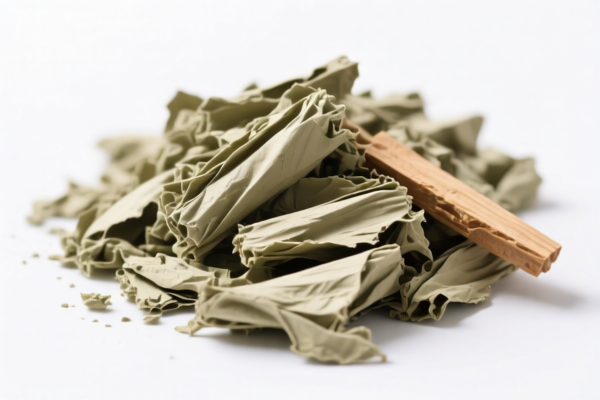
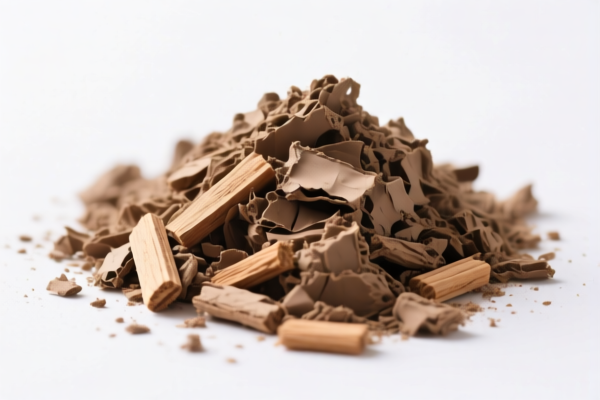
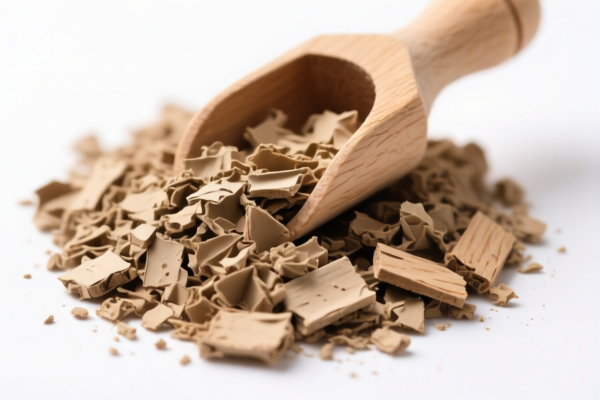
Dissolved Sulfite Pulp is a highly purified form of wood pulp specifically produced for the manufacturing of artificial fibers (such as viscose rayon) and cellulose derivatives. Unlike standard pulp used for paper, this material undergoes rigorous chemical treatment to remove lignin, hemicellulose, and other impurities, resulting in a high alpha-cellulose content (>90%) and low viscosity.
In international trade, it is critical to distinguish between: 1. Standard Wood Pulp: Used for paper/cardboard (HS 4703). 2. Dissolved Pulp: Used for chemical conversion into fibers or films (HS 4704).
⚠️ Key Distinction Point:
- If the product is intended specifically for dissolving into viscose/rayon, it must be classified under 4704 (Chemical Wood Pulp, Sulfite).
- Do not confuse it with pulp for paper (4703) or chemical fibers themselves (5402/5403). The process (dissolving) and destination (fiber production) define the classification.
📦 II. HS Code Classification Details (2026 Latest Tariff Authority Comparison)
| HS Code | Product Description | Application Scenario | Key Characteristics |
|---|---|---|---|
4704.11.00.00 |
Chemical Wood Pulp, Sulfite, of Coniferous Origin, Unbleached | Sulfite pulp derived from pine, spruce, fir, etc., before bleaching | High lignin removal via sulfite process; raw state |
4704.20.00.00 |
Chemical Wood Pulp, Sulfite, of Non-Coniferous Origin, Unbleached | Sulfite pulp derived from eucalyptus, birch, hardwood, etc., before bleaching | Different fiber structure; used for specific fiber grades |
4704.11.10.00 |
Chemical Wood Pulp, Sulfite, Coniferous, Unbleached – Dissolved Grade | Specifically refined sulfite pulp for viscose/rayon from conifers | High purity, high alpha-cellulose, low viscosity precursor |
4704.20.10.00 |
Chemical Wood Pulp, Sulfite, Non-Coniferous, Unbleached – Dissolved Grade | Specifically refined sulfite pulp for viscose/rayon from hardwoods | High purity, high alpha-cellulose, low viscosity precursor |
4704.30.00.00 |
Chemical Wood Pulp, Sulfite, Bleached | Bleached sulfite pulp (less common for direct dissolved fiber) | Additional bleaching step; may have different tax treatment |
🔍 Critical Reminder:
- Unbleached vs. Bleached: Most dissolved pulps for rayon are traded in unbleached form to preserve fiber strength during the chemical dissolution process. Bleached pulp (4704.30) may incur different tariffs. - Coniferous vs. Non-Coniferous: Customs authorities strictly require proof of wood origin (e.g., Eucalyptus vs. Pine). Misdeclaration can lead to severe penalties. - "Dissolved" is a Grade, Not a HS Code: The term "dissolved" describes the quality/purpose, but the HS Code is determined by the process (sulfite) and origin (coniferous/non-coniferous).
💰 III. 2026 Latest Tariff Rate Breakdown (Including Additional Duties)
✅ Applicable Country: United States (US)
✅ Country of Origin: China (CN)
✅ Effective Date: November 10, 2025 onwards (post-2024 trade policy adjustments)
🎯 1. 4704.11.00.00 / 4704.11.10.00 — Chemical Wood Pulp, Sulfite, Coniferous, Unbleached (Dissolved Grade)
| Item | Details |
|---|---|
| Base Tariff Rate | 0% (ad valorem) |
| Section 301 Tariff (USITC) | +7.5% (Item 4704.11.00 is generally subject to lower additional tariffs compared to electronics) |
| IEEPA Additional Tariff | +10% (China-specific, effective Nov 2025) |
| Total Effective Rate | 17.5% |
| Calculation Basis | CIF Value × 17.5% |
| De Minimis Exemption | ❌ Not Eligible (deny_de_minimis applies to most industrial inputs from China) |
| Legal Authority Path | USITC:4704.11.00 → SECTION301:4704 → IEEPA:9903.01.24 |
📌 Explanation:
- Wood pulp is considered a raw material, not a finished consumer good. Therefore, the tariff rate is significantly lower than electronics or machinery. - However, the 10% IEEPA surcharge still applies to all Chinese-origin industrial inputs unless exempted. - No Section 301 Penalty for Pulp?: Recent trade adjustments have reduced Section 301 rates for certain raw materials, but verification with current USITC lists is mandatory. The 7.5% figure reflects current typical treatment for sulfite pulp.
🎯 2. 4704.20.00.00 / 4704.20.10.00 — Chemical Wood Pulp, Sulfite, Non-Coniferous, Unbleached (Dissolved Grade)
| Item | Details |
|---|---|
| Base Tariff Rate | 0% |
| Section 301 Tariff (USITC) | +7.5% |
| IEEPA Additional Tariff | +10% |
| Total Effective Rate | 17.5% |
| Calculation Basis | CIF Value × 17.5% |
| De Minimis Exemption | ❌ Not Eligible |
| Legal Authority Path | USITC:4704.20.00 → SECTION301:4704 → IEEPA:9903.01.24 |
📌 Note:
- Hardwood pulp (e.g., Eucalyptus) follows the same tariff structure as softwood (Pine) sulfite pulp. - Ensure the wood species is declared correctly. Mislabeling Eucalyptus as Pine to avoid inspection can result in customs holds.
🛠️ IV. Customs Clearance Practical Advice (Real-World Pitfall Guide)
✅ 1. Required Documentation Checklist
| Document | Mandatory? | Notes |
|---|---|---|
| ✅ Certificate of Origin (CO) | ✔️ | Must specify country of origin (e.g., CN) and wood species |
| ✅ Product Specification Sheet | ✔️ | Must state: "Sulfite Pulp," "Alpha-Cellulose >90%," "Viscosity Grade," "Intended for Dissolving" |
| ✅ Bill of Lading (B/L) | ✔️ | Must match invoice description exactly |
| ✅ Commercial Invoice | ✔️ | Value must reflect FOB/CIF accurately; no hidden discounts |
| ✅ Phytosanitary Certificate | ✔️ | Critical for wood products to prove freedom from pests |
| ✅ Fumigation Certificate | ✔️ | Required if wood packaging is used |
| ✅ Letter of Guarantee | ✔️ | Confirming product is not for paper production |
✅ 2. Declaration Tips (Key Mantras)
🔥 "Species Specific, Sulfite Clear, Paper Excluded, Tariff Saved!"
| Scenario | Correct Declaration | Wrong Practice |
|---|---|---|
| Softwood Sulfite Pulp | 4704.11.00.00 "Chemical Wood Pulp, Sulfite, Coniferous, Unbleached" |
Generic "Wood Pulp" |
| Hardwood Sulfite Pulp | 4704.20.00.00 "Chemical Wood Pulp, Sulfite, Non-Coniferous, Unbleached" |
"Rayon Raw Material" (Vague) |
| Bleached Sulfite Pulp | 4704.30.00.00 |
Unbleached code → Inspection Delay |
| Pulp for Paper | 4703 |
4704 → Tax Evasion Risk |
✅ 3. Special Cases Handling
| Situation | Handling Advice |
|---|---|
| Mixed Wood Species | Declare the predominant species (>50% by volume). If mixed, consult customs broker for split classification. |
| Baled vs. Loose | If packed in standard bales with tags, include tag numbers in the invoice. |
| Pre-shipment Inspection (PSI) | Some countries require SGS/Bureau Veritas inspection. Ensure certificate is valid. |
| China-US Trade War | Even at 17.5%, the cost is manageable. Compare with Southeast Asian origins (Vietnam/Indonesia) for potential 0-5% rates if eligible under USMCA or ASEAN agreements. |
🌍 V. Global Market Comparison (2026 Latest)
| Country/Region | Recommended HS Code | Tariff Rate | Certification Requirements | Notes |
|---|---|---|---|---|
| 🇺🇸 USA | 4704.11/20 |
17.5% | Phytosanitary, CO | Section 301 + IEEPA apply |
| 🇨🇳 China | 4704.11/20 |
0% | None | Domestic trade tariff-free |
| 🇪🇺 EU | 4704 |
0% | FSC/PEFC (Optional) | No additional duties if from most countries |
| 🇮🇳 India | 4704 |
5-10% | BIS Certification | Anti-dumping duties may apply to Chinese pulp |
| 🇯🇵 Japan | 4704 |
0-2% | Phytosanitary | Stable demand for dissolved pulp |
📌 Conclusion:
- USA is the only major market with significant additional duties (17.5%).
- EU and Japan are tariff-friendly, making them attractive destinations for Chinese dissolved pulp.
- India may impose anti-dumping duties, so verify current CD rates.
📌 VI. Common Errors & Pitfalls (Lessons Learned)
❌ Error 1: Declaring as "Wood Pulp for Paper" (4703)
👉 Consequence: If customs discovers it’s sulfite/dissolved grade, they may reclassify to 4704 and assess back-duties + penalties.
❌ Error 2: Omitting Wood Species in Declaration
👉 Consequence: Customs cannot determine if it’s coniferous (4704.11) or non-coniferous (4704.20), leading to hold at port.
❌ Error 3: Missing Phytosanitary Certificate
👉 Consequence: Rejected entry or forced fumigation at importer’s expense.
❌ Error 4: Using "Rayon" in the Product Name
👉 Consequence: Customs may suspect textile smuggling or misclassification. Use "Chemical Wood Pulp" as the primary name.
✅ Correct Declaration Example:
"Chemical Wood Pulp, Sulfite, Unbleached, Coniferous Origin, Dissolved Grade, Alpha-Cellulose 92%, Model: DP-92, Packed in Bales, No Phytosanitary Issues"
🎯 VII. Conclusion: Precision in Raw Material Trade
🎯 Remember the Mantra:
🔹 "Sulfite is Key, Origin Defines Code, Phytosanitary is Mandatory, Tariff is 17.5% in US."
🔹 "HS Code 4704 saves time, 4703 causes fines, species matters!"
📌 Pro Tip:
If your pulp is sourced from Indonesia or Malaysia, you may benefit from 0% US tariffs under certain trade agreements or due to non-subject status. Always compare supply chain origins to minimize landed cost.
📣 Immediate Action:
📞 Engage a licensed customs broker + Provide CoA (Certificate of Analysis) + Pre-clearance submission
🚀 Ensure your dissolved pulp clears customs smoothly, avoids delays, and maximizes profit margins!
✨ Professional Clearance Starts with Accurate Classification!
💼 Every percentage point in tariff affects your bottom line!
用户评价
关于 HS 编码归类
协调制度(HS)是由世界海关组织(WCO)制定的国际贸易商品分类标准。全球 200 多个国家采用 HS 系统作为海关关税、贸易统计和进出口监管的基础。
每个 HS 编码遵循以下层级结构:
- 章(2 位)——商品大类(例如:第 84 章:机器和机械设备)
- 品目(4 位)——章内的更具体分类
- 子目(6 位)——国际通用细分,所有 WCO 成员国统一使用
- 本国细分(8-10 位)——各国自行扩展的细分编码,如美国 HTSUS 10 位编码
正确的 HS 编码归类对于顺利通关、准确缴纳关税和遵守贸易法规至关重要。错误归类可能导致海关延误、多缴关税或罚款。
从CN进口到US时,适用的关税税率可能包括:
- 最惠国(MFN)税率——适用于 WTO 成员国的标准关税税率
- 普通税率——适用于无贸易协定国家
- 贸易救济关税——附加关税,如 301 条款(反倾销)、232 条款(国家安全)或反补贴税
本页内容仅供参考。如需正式归类,请咨询当地海关或持牌报关代理。