Dog Food Pellets
CN → US| HS编码 | 关税税率 | 原产国 | 目的国 | 文档 |
|---|---|---|---|---|
| 3923210095 | 38.0% | CN | US | 官方文档 |
| 3923290000 | 38.0% | CN | US | 官方文档 |
| 4819400040 | 35.0% | CN | US | 官方文档 |
| 4819300040 | 35.0% | CN | US | 官方文档 |
| 6305330080 | 25.9% | CN | US | 官方文档 |
商品图片
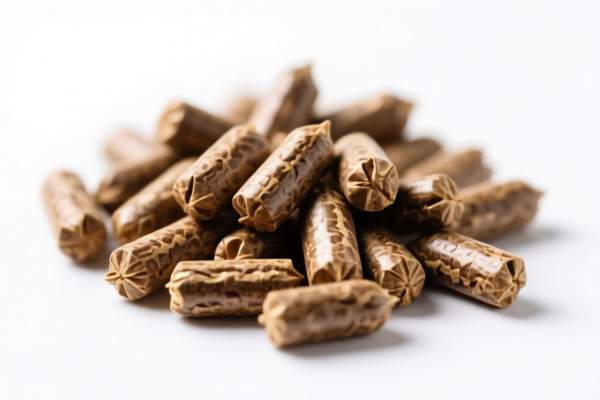
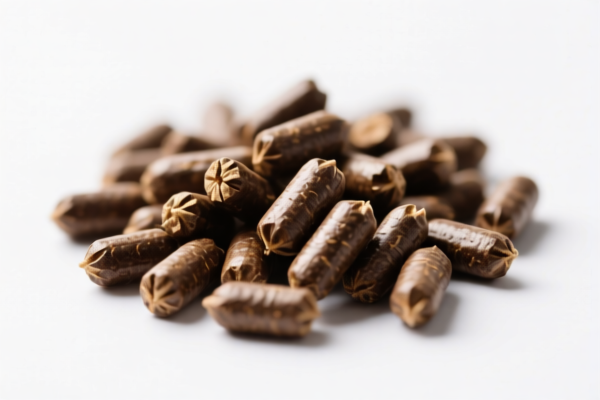
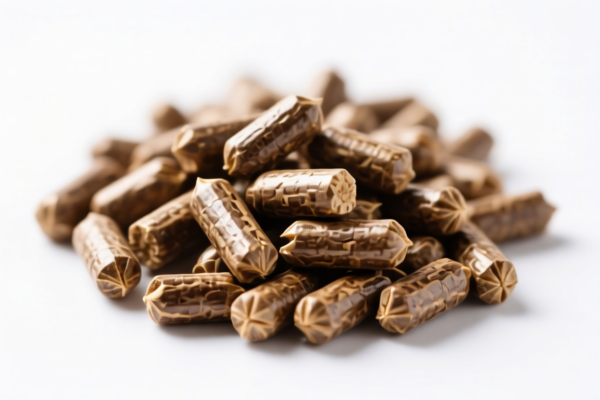
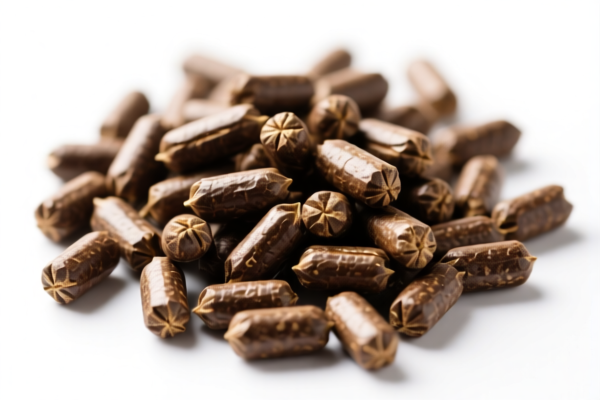
AI分析
🦴 Dog Food Pellets (Pet Food)
🌐 HS Code Reference & Customs Clearance Guide | 2026 Latest Tariff Analysis | Strategic Logistics Strategy
📌 I. Product Definition & Classification: Are You Clear on "Dog Food Bags" vs. "Dog Food"?
Critical Clarification:
The provided data (<DATA>) strictly pertains to the packaging materials (bags) used for dog food, NOT the dog food pellets themselves.
- Dog Food Pellets (The Product): Typically classified under HS 2309.90 (Prepared foodstuffs of animals).
- Dog Food Bags (The Packaging): Classified based on material composition (Plastic, Paper, etc.) under Chapters 39 or 48.
⚠️ Key Distinction for Your Inquiry:
Since the provided <DATA> contains only packaging HS codes, the following analysis explains why specific packaging types are classified into these codes and their associated tax implications. Do not use these HS codes for the food itself.
📦 II. HS Code Classification Details (Based on Packaging Material)
The classification depends entirely on the material of the bag used to pack the dog food.
| HS Code | Material Type | Product Description & Use | Classification Logic |
|---|---|---|---|
| 3923.21.00.95 | Plastic (Ethylene Polymers) | Plastic bags/pouches for cargo packaging. | Made of ethylene polymers (common PE/PP plastic). Used for packaging goods. |
| 3923.29.00.00 | Plastic (Other) | Other plastic sacks/bags for transport/packaging. | Plastic bags that do not fall under specific sub-categories like 3923.21. Used for transport/packaging. |
| 4819.40.00.40 | Paper or Composite Paper | Bags/pouches made of paper or paperboard. | Made of paper/compound paper material. Shape: Bag. Use: Packaging container. |
| 4819.30.00.40 | Paper (Large Format) | Paper/cardboard bags with base width ≥40cm. | Specific paper bags for packaging. Note: Base width criteria may apply. |
| 6305.33.00.80 | Synthetic Fibers / Plastic | Bags of plastics or man-made fibers. | Inferred material: Plastic/Synthetic fiber. Use: Packaging bag. |
🔍 Note:
- 3923.xx: Applies to plastic packaging.
- 4819.xx: Applies to paper packaging.
- 6305.xx: Applies to textile/synthetic packaging bags.
💰 III. 2026 Tariff Rate Breakdown (Including Surtaxes & Policy Add-ons)
✅ Applicable Country: United States (US)
✅ Origin: China (CN) (Implied by "122 Article" and high tariffs)
✅ Effective Time: Current regulations (2025-2026)
🎯 1. Plastic Bags (HS 3923.21.00.95 & 3923.29.00.00)
| Item | Detail |
|---|---|
| Base Tariff | 3.0% |
| Section 301 Surtax | +25.0% |
| Section 122 Tariff | +10.0% |
| Total Tax Rate | 38.0% |
| Tax Calculation | CIF Value × 38% |
| Legal Basis Path | Base: 3923 → 301: 25% → 122: 10% |
📌 Explanation:
- Base (3%): Standard MFN rate for plastic bags.
- Section 301 (25%): US trade action against Chinese manufactured goods.
- Section 122 (10%): Specific national security/trade enforcement tariff.
- Total (38%): High cost for plastic packaging imports from China.
🎯 2. Paper Bags (HS 4819.40.00.40 & 4819.30.00.40)
| Item | Detail |
|---|---|
| Base Tariff | 0.0% |
| Section 301 Surtax | +25.0% |
| Section 122 Tariff | +10.0% |
| Total Tax Rate | 35.0% |
| Tax Calculation | CIF Value × 35% |
| Legal Basis Path | Base: 4819 → 301: 25% → 122: 10% |
📌 Explanation:
- Base (0%): Paper bags often have lower base tariffs.
- Section 301 (25%) & 122 (10%): Still fully applicable, making the total 35%.
🎯 3. Synthetic/Textile Bags (HS 6305.33.00.80)
| Item | Detail |
|---|---|
| Base Tariff | 8.4% |
| Section 301 Surtax | +7.5% |
| Section 122 Tariff | +10.0% |
| Total Tax Rate | 25.9% |
| Tax Calculation | CIF Value × 25.9% |
| Legal Basis Path | Base: 6305 → 301: 7.5% → 122: 10% |
📌 Explanation:
- Base (8.4%): Higher base rate for textile/synthetic bags.
- Section 301 (7.5%): Lower surtax for this specific category compared to plastics/paper.
- Total (25.9%): Lowest tax rate among the options in the dataset.
🛠️ IV. Customs Clearance Practical Advice (Avoiding Pitfalls)
✅ 1. Preparation Checklist (Packaging Imports)
| Document | Required? | Description |
|---|---|---|
| ✅ Product Specifications | ✔️ | Detailed description: Material (PE, PP, Paper, etc.), Size, Weight Capacity. |
| ✅ Commercial Invoice | ✔️ | Clearly state "Plastic Bags for Dog Food Packaging" or similar. Avoid vague terms. |
| ✅ Packing List | ✔️ | List quantity per box, total boxes, and gross/net weight. |
| ✅ Material Certification | ✔️ | Proof of material composition (e.g., MSDS for plastics, FSC for paper if applicable). |
| ✅ Photos of Packaging | ✔️ | Show the bag structure, seams, and any printed warnings/labels. |
✅ 2. Classification Strategy & Tips
🔥 “Material Defines Code, Origin Defines Tax, Description Defines Clarity!”
| Scenario | Recommended HS Code | Why? |
|---|---|---|
| Standard Plastic Bag (PE/PP) | 3923.21.00.95 |
Most common for pet food. High tax (38%). |
| Paper Bag (Kraft/Composite) | 4819.40.00.40 |
Eco-friendly option. Lower tax (35%). |
| Woven Polypropylene Bag | 6305.33.00.80 |
Durable, synthetic. Lowest tax (25.9%). |
⚠️ Critical Warning:
- Do NOT use these HS codes for Dog Food Pellets.
- Dog Food Pellets should be classified under HS 2309.90 (Prepared animal feeding stuffs).
- Using a packaging HS code for the food itself is misdeclaration, leading to fines, seizure, or detention.
✅ 3. Special Case Handling
| Case | Handling Advice |
|---|---|
| Composite Bags (Plastic + Paper) | Classified based on essential character or material value. If plastic >50% by weight/value, likely 3923. |
| Printed Bags | Printing does not change HS code. Ensure ink is non-toxic if for pet food. |
| Custom Size Bags | Still falls under general packaging codes. Ensure dimensions match description. |
🌍 V. Global Market Comparison (Packaging Tariffs)
| Country/Region | Recommended HS (Plastic) | Total Tariff | Remarks |
|---|---|---|---|
| 🇺🇸 USA | 3923.21.00.95 |
38.0% | High due to 301 + 122 tariffs. |
| 🇨🇳 China | 3923.21.00.95 |
~3-5% | Low import tariff for packaging materials. |
| 🇪🇺 EU | 3923.29.00.00 |
~6.5% | Standard EU tariff for plastic bags. |
| 🇯🇵 Japan | 3923.21.00.95 |
~6.0% | Moderate tariff. |
📌 Conclusion:
- USA is the most expensive market for importing packaging from China due to 38% total tariff.
- Paper packaging (35%) is slightly cheaper than standard plastic (38%).
- Synthetic/Textile bags (25.9%) offer the lowest tax burden if durability allows.
📌 VI. Common Errors & Pitfalls (Lessons Learned)
❌ Error 1: Declaring Dog Food Pellets under 3923 (Plastic Bags)
👉 Consequence: Customs rejection, fines, and potential seizure. The product is food, not packaging.
❌ Error 2: Ignoring Section 122 Tariff
👉 Consequence: Unexpected 10% extra tax on top of 301 tariffs. Total cost underestimated.
❌ Error 3: Misidentifying Material
👉 Consequence: If a "paper" bag is actually plastic-coated, it may be classified as plastic (3923), increasing tax from 35% to 38%.
✅ Correct Practice:
Clearly separate Food Product (HS 2309.90) from Packaging Material (HS 3923/4819) in your documentation.
For Packaging: Specify material, type, and quantity.
For Food: Specify composition, weight, and intended use (pet food).
🎯 VII. Conclusion: Professional Packaging Clearance
🎯 Key Takeaway:
🔹 Plastic Bags: 38% Tax (
3923.21.00.95)
🔹 Paper Bags: 35% Tax (4819.40.00.40)
🔹 Synthetic Bags: 25.9% Tax (6305.33.00.80)
🔹 Dog Food Pellets: NOT COVERED in this dataset. Use HS 2309.90 separately.📌 Pro Tip:
If you are importing both dog food and its packaging:
1. Declare Dog Food under HS 2309.90.
2. Declare Bags under HS 3923.21.00.95 (or appropriate code).
3. Do not combine them into one line item unless the packaging is negligible (de minimis rules may apply, but risky).
📣 Immediate Action:
📞 Consult a Customs Broker to confirm the exact material composition of your bags.
🚀 Optimize Packaging Choice: Consider synthetic bags (6305) to save 12.1% tax compared to plastic!
✨ Professional Customs Clearance Starts with Accurate Classification!
💼 Every Percent in Tax Matters to Your Bottom Line!
用户评价
关于 HS 编码归类
协调制度(HS)是由世界海关组织(WCO)制定的国际贸易商品分类标准。全球 200 多个国家采用 HS 系统作为海关关税、贸易统计和进出口监管的基础。
每个 HS 编码遵循以下层级结构:
- 章(2 位)——商品大类(例如:第 84 章:机器和机械设备)
- 品目(4 位)——章内的更具体分类
- 子目(6 位)——国际通用细分,所有 WCO 成员国统一使用
- 本国细分(8-10 位)——各国自行扩展的细分编码,如美国 HTSUS 10 位编码
正确的 HS 编码归类对于顺利通关、准确缴纳关税和遵守贸易法规至关重要。错误归类可能导致海关延误、多缴关税或罚款。
从CN进口到US时,适用的关税税率可能包括:
- 最惠国(MFN)税率——适用于 WTO 成员国的标准关税税率
- 普通税率——适用于无贸易协定国家
- 贸易救济关税——附加关税,如 301 条款(反倾销)、232 条款(国家安全)或反补贴税
本页内容仅供参考。如需正式归类,请咨询当地海关或持牌报关代理。