Door Gap Seal Strip
CN → US| HS编码 | 关税税率 | 原产国 | 目的国 | 文档 |
|---|---|---|---|---|
| 4016935050 | 37.5% | CN | US | 官方文档 |
| 4016996050 | 37.5% | CN | US | 官方文档 |
| 3926904590 | 38.5% | CN | US | 官方文档 |
| 3926909989 | 22.8% | CN | US | 官方文档 |
| 3926904590 | 38.5% | CN | US | 官方文档 |
商品图片
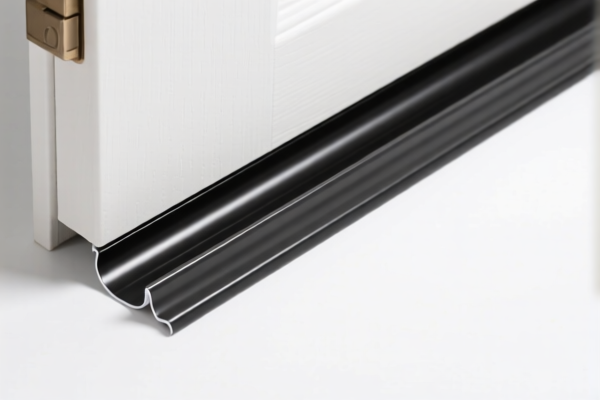
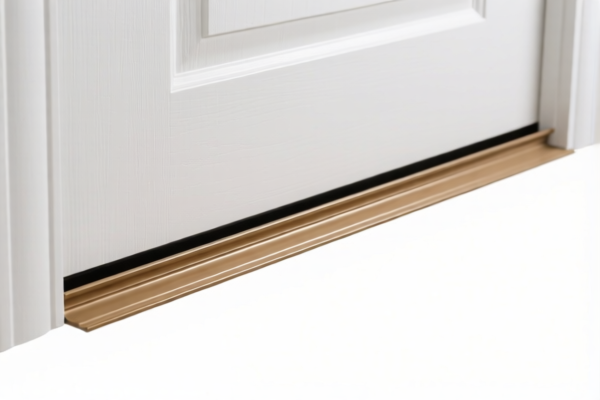
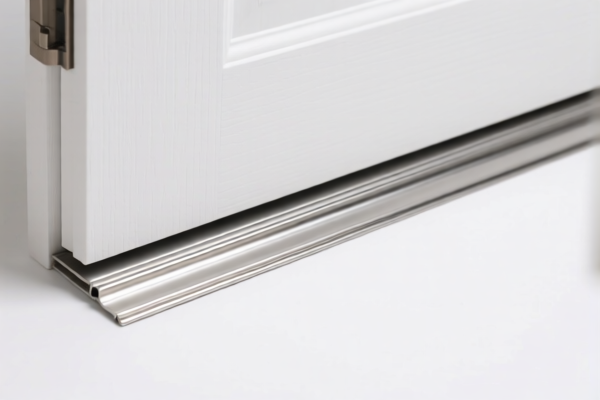
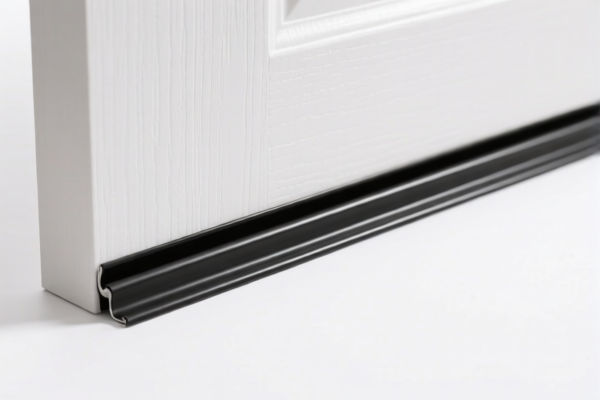
AI分析
🚪 Door Gap Seal Strip (Weatherstripping & Draft Excluders)
🌐 HS Code Reference & Customs Clearance Guide | 2026 Latest Tariff Analysis | Professional Entry Strategy
📌 I. Product Definition & Classification: Do You Truly Understand "Seal Strips"?
Door gap seal strips are essential components for energy efficiency, noise reduction, and dust prevention in residential and commercial buildings. In international trade, these products are primarily categorized based on their material composition (Rubber vs. Plastic/PVC) and specific form.
Rubber Seals: Typically made from EPDM, Silicone, or Natural Rubber. These offer superior durability and elasticity. They fall under Chapter 40 (Rubber and Articles Thereof).
Plastic/PVC Seals: Typically made from PVC, TPE, or other polymers. These are cost-effective and common in standard window/door frames. They fall under Chapter 39 (Plastics and Articles Thereof).
⚠️ Key Distinction Point:
- If the material is clearly Rubber (e.g., EPDM door sweeps, silicone weatherstripping) → Classified under HS 4016 (Rubber articles).
- If the material is Plastic/PVC (e.g., PVC window seals, plastic-backed aluminum strips) → Classified under HS 3926 (Plastic articles) or potentially HS 7610/7318 if combined with metal (though data suggests plastic/rubber focus).
- Note: Misdeclaring PVC seals as Rubber (or vice versa) triggers high scrutiny and potential penalty due to significant tariff differences.
📦 II. HS Code Classification Details (2026 Latest Tariff Authority Comparison)
Based on the provided data, the most relevant classifications for "Door Gap Seal Strip" are below.
| HS Code | Product Description | Material Assumption | Applicable Scenario | Key Classification Logic |
|---|---|---|---|---|
4016.93.50.50 |
Other Vulcanized Rubber Articles: Gaskets, Washers, and Other Seals | Rubber (EPDM/Silicone) | High-end door seals, automotive-grade, or premium weatherstripping | Matches "Gaskets, Washers, and Other Seals" within Rubber articles. |
4016.99.60.50 |
Other Rubber Articles (Not Elsewhere Specified) | Rubber | General-purpose rubber door seals not specifically listed as gaskets | "Non-specific use" rubber articles; logical fit for general rubber strips. |
3926.90.45.90 |
Other Plastic Articles: Gaskets, Washers, and Seals | Plastic (PVC/TPE) | Standard PVC window/door seals, plastic-backed strips | Matches "Other Seals" under Plastic articles; assumes plastic material by common sense. |
3926.90.99.89 |
Other Plastic Articles (Not Elsewhere Specified) | Plastic | Generic plastic seals, composite materials | "Other plastic articles" for seals not specifically listed in other subheadings. |
🔍 Critical Reminder:
-4016.93.50.50is the most precise fit for Rubber seals, explicitly mentioning "Seals".
-3926.90.45.90is the most precise fit for Plastic seals, explicitly mentioning "Seals".
-3926.90.99.89has a significantly lower total tax (22.8%) compared to3926.90.45.90(38.5%). This discrepancy arises from different duty rate footnotes. Verify if your specific plastic seal qualifies for the lower rate by checking the exact composition and origin rules.
💰 III. 2026 Latest Tariff Rate Breakdown (Including Additional Duties & Policy Surcharges)
✅ Applicable Country: United States (US)
✅ Origin: China (CN)
✅ Effective Time: From Nov 10, 2025 (Including subsequent imports)
🎯 1. 4016.93.50.50 & 4016.99.60.50 —— Rubber Seals
| Item | Content |
|---|---|
| Base Rate | 2.5% (Ad Valorem) |
| Section 301 Additional Duty | +25.0% |
| Section 122 Duty | +10.0% |
| Total Tax Rate | 37.5% |
| Tax Calculation | CIF Value × 37.5% |
| De Minimis Exemption | ❌ Not Applicable (deny_de_minimis) |
| Legal Basis Path | USITC:4016.93.50.50 → Section 301 Footnote → Section 122 |
📌 Explanation:
- Base Duty (2.5%): Standard MFN rate for rubber articles.
- Section 301 (25%): Imposed on Chinese rubber products due to trade tensions.
- Section 122 (10%): Domestic security-based tariff.
- Total (37.5%): This is a high-cost classification. Importers must calculate margins carefully.
🎯 2. 3926.90.45.90 —— Plastic Seals (Specific "Seals" Subheading)
| Item | Content |
|---|---|
| Base Rate | 3.5% (Ad Valorem) |
| Section 301 Additional Duty | +25.0% |
| Section 122 Duty | +10.0% |
| Total Tax Rate | 38.5% |
| Tax Calculation | CIF Value × 38.5% |
| De Minimis Exemption | ❌ Not Applicable (deny_de_minimis) |
| Legal Basis Path | USITC:3926.90.45.90 → Section 301 Footnote → Section 122 |
📌 Note:
- Despite having a slightly higher base duty (3.5% vs 2.5%), the total rate (38.5%) is only 1% higher than the rubber equivalent.
- Critical: The summary explicitly states this code is for "Plastic" seals. If your product is PVC, this is the direct match.
🎯 3. 3926.90.99.89 —— Plastic Seals (General "Other" Subheading)
| Item | Content |
|---|---|
| Base Rate | 5.3% (Ad Valorem) |
| Section 301 Additional Duty | +7.5% |
| Section 122 Duty | +10.0% |
| Total Tax Rate | 22.8% |
| Tax Calculation | CIF Value × 22.8% |
| De Minimis Exemption | ❌ Not Applicable (deny_de_minimis) |
| Legal Basis Path | USITC:3926.90.99.89 → Section 301 Footnote (Lower Rate) → Section 122 |
📌 Strategy Alert:
- This is the most cost-effective option (22.8%) among the listed codes.
- Why is it lower? The Section 301 duty is only 7.5% instead of 25%. This suggests this specific subheading may fall under a different trade policy list or exemption scope.
- Risk: Ensure your product strictly fits the "Other plastic articles" definition and does not violate the specific "Seals" definition of3926.90.45.90. If Customs determines it is a "Seal," they may reclassify to3926.90.45.90(38.5%), leading to back taxes. Consult a broker for a Pre-Submission Opinion (PSO) if utilizing this code.
🛠️ IV. Customs Clearance Practical Advice (Battle-Tested Pitfall Avoidance)
✅ 1. Documentation Checklist (Missing Items = Delay)
| Document | Mandatory | Explanation |
|---|---|---|
| ✅ Product Specification Sheet | ✔️ | Must state Material (e.g., "EPDM Rubber" or "PVC Plastic"), Hardness (Shore A), and Dimensions. |
| ✅ Material Safety Data Sheet (MSDS) | ✔️ | Especially if rubber compounds contain specific chemicals. |
| ✅ Product Photos (Clear) | ✔️ | Show cross-section to prove it's a seal strip, not a structural molding. |
| ✅ Commercial Invoice | ✔️ | Must explicitly state: "Door Gap Seal Strip, Made of [Material], for Window/Door Weatherproofing." |
| ✅ Packing List | ✔️ | Detail net/gross weight accurately. |
| ✅ Certificate of Origin | ✔️ | Required to prove CN origin for tariff calculation. |
✅ 2. Declaration Strategy (Key Mnemonics)
🔥 "Material First, Function Second, Code Precision Saves Cash!"
| Scenario | Correct Declaration | Incorrect Practice | Risk |
|---|---|---|---|
| Rubber Strip | Declare as "Vulcanized Rubber Seal Strip" → Use 4016.93.50.50 |
Declaring as "Plastic Seal" | Misclassification penalty + Back taxes. |
| PVC Strip | Declare as "PVC Door Seal Strip" → Use 3926.90.45.90 or 3926.90.99.89 |
Vague term "Sealer" | Ambiguity leads to manual exam and delays. |
| Mixed Material | If Rubber backing + Plastic face → Likely Rubber (4016) dominates |
Claiming Plastic for Hybrid | Customs will rule based on essential character. |
| Small Sample Shipments | Still declare full HS Code | Using "Gift" or "Sample" to avoid tax | De Minimis is DENIED for CN origin. Small shipments still taxed. |
✅ 3. Special Case Handling
| Situation | Handling Advice |
|---|---|
| OEM Custom Seals | Provide design files showing material layers. If custom extruded, it's still a "Seal." |
| Aluminum-Faced Seal | If aluminum is just a trim and rubber/plastic is the sealing element → Rubber/Plastic Code applies. Do not use Aluminum codes (7610). |
| Pre-Application for Ruling | Highly Recommended for 3926.90.99.89 (22.8% rate). Get written confirmation from CBP that your specific strip qualifies for this lower-rate subheading. |
| Section 122 Impact | Remember the 10% Section 122 duty applies regardless of the base code. Factor this into all cost models. |
🌍 V. Global Market Comparison (2026 Latest)
| Country/Region | Recommended HS Code | Tariff Rate (China Origin) | Certification | Note |
|---|---|---|---|---|
| 🇺🇸 USA | 4016.93.50.50 (Rubber) |
37.5% | None specific | High duty due to Sec 301 & 122. |
| 🇺🇸 USA | 3926.90.99.89 (Plastic) |
22.8% | None specific | Best value if compliant. |
| 🇨🇳 China | 4016.93.50.50 |
~2.5% | CCC (if applicable) | Low import duty into China. |
| 🇪🇺 EU | 4016.93.00 |
3.7% | CE (if building product) | No Section 301/122 equivalents. |
| 🇬🇧 UK | 4016.93.00 |
3.7% | UKCA | Post-Brexit alignment with EU. |
📌 Conclusion:
- USA remains the most complex market due to layered tariffs (Base + 301 + 122).
- Plastic seals (3926.90.99.89) offer the best savings in the US, but require strict compliance verification.
- Rubber seals are uniformly taxed at ~37.5% in the US, making cost optimization harder.
📌 VI. Common Errors & Pitfall Guide (Blood & Tears Lessons)
❌ Error 1: Declaring PVC seals as Rubber to avoid plastic-specific checks.
👉 Consequence: Customs lab test reveals PVC → Reclassification to 3926 → Potential penalty for misdeclaration.
❌ Error 2: Using 3926.90.99.89 (22.8%) for a product that clearly fits 3926.90.45.90 (38.5%).
👉 Consequence: If Customs determines the item is specifically a "Seal" (which it is), they will reclassify and assess the higher duty.
💡 Fix: Use Pre-Submission Opinion (PSO) to lock in the 22.8% rate if legally justifiable.
❌ Error 3: Ignoring Section 122 (10%).
👉 Consequence: Underestimating landed cost by 10% → Profit erosion.
❌ Error 4: Vague Description: "Seal Strip" without material.
👉 Consequence: CBP requests additional info → 7-14 day delay at port.
✅ Correct Approach:
"Door Gap Seal Strip, Extruded EPDM Rubber, Black, 20mm x 5mm, for Residential Windows, Model XYZ."
OR
"PVC Weather Stripping, Self-Adhesive, for Door Gaps, Clear, Model ABC."
🎯 VII. Conclusion: Professional Declaration, Save Time, Reduce Costs!
🎯 Remember the Mnemonic:
🔹 "Material Dictates Code, Rubber ~37.5%, Plastic ~22.8% (if smart), Sec 122 adds 10% to ALL!"
🔹 "Don't guess the HS, verify the duty, misclassification costs more than documentation!"
📌 Pro Tip:
If your plastic seal strips are shipped via small parcels (De Minimis), note that China-origin goods are currently DENIED de minimis exemption for certain HS codes. Even under $800, they may be taxed.
Recommendation: Apply for a CBP Pre-Submission Opinion (PSO) for the 3926.90.99.89 code to secure the 22.8% rate safely.
📣 Immediate Action:
📞 Contact a licensed Customs Broker + Provide Material Test Report + Request HS Code Pre-Ruling
🚀 Let your seal strips clear smoothly, avoid audits, and maximize your profit margin!
✨ Professional Customs Clearance Starts with Precise Classification!
💼 Every percentage point of tariff is a point of profit!
用户评价
关于 HS 编码归类
协调制度(HS)是由世界海关组织(WCO)制定的国际贸易商品分类标准。全球 200 多个国家采用 HS 系统作为海关关税、贸易统计和进出口监管的基础。
每个 HS 编码遵循以下层级结构:
- 章(2 位)——商品大类(例如:第 84 章:机器和机械设备)
- 品目(4 位)——章内的更具体分类
- 子目(6 位)——国际通用细分,所有 WCO 成员国统一使用
- 本国细分(8-10 位)——各国自行扩展的细分编码,如美国 HTSUS 10 位编码
正确的 HS 编码归类对于顺利通关、准确缴纳关税和遵守贸易法规至关重要。错误归类可能导致海关延误、多缴关税或罚款。
从CN进口到US时,适用的关税税率可能包括:
- 最惠国(MFN)税率——适用于 WTO 成员国的标准关税税率
- 普通税率——适用于无贸易协定国家
- 贸易救济关税——附加关税,如 301 条款(反倾销)、232 条款(国家安全)或反补贴税
本页内容仅供参考。如需正式归类,请咨询当地海关或持牌报关代理。