Doped Silicon Wafers for Solar Cells
CN → US| HS编码 | 关税税率 | 原产国 | 目的国 | 文档 |
|---|---|---|---|---|
| 2849202000 | 10.5% | CN | US | 官方文档 |
| 2849201000 | 10.0% | CN | US | 官方文档 |
| 3818000020 | 60.0% | CN | US | 官方文档 |
| 3818000095 | 60.0% | CN | US | 官方文档 |
| 3818000020 | 60.0% | CN | US | 官方文档 |
商品图片
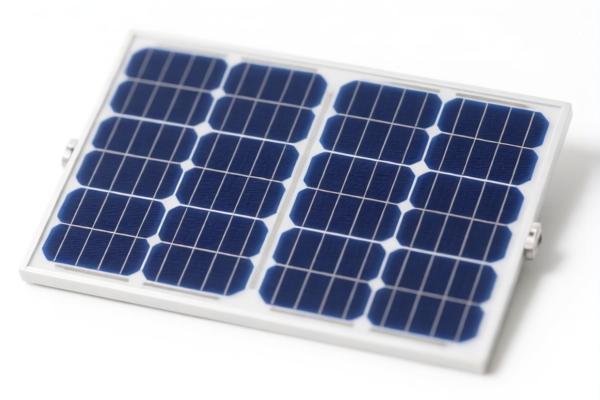
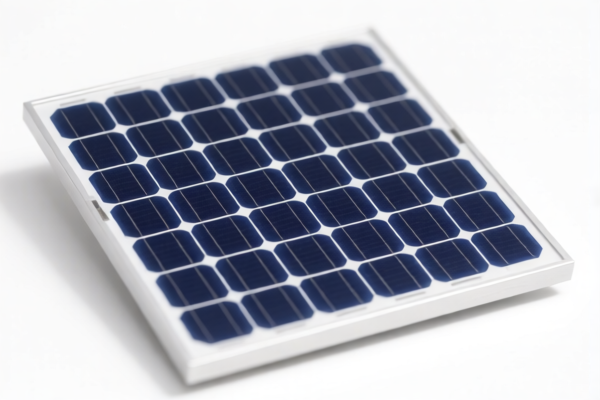
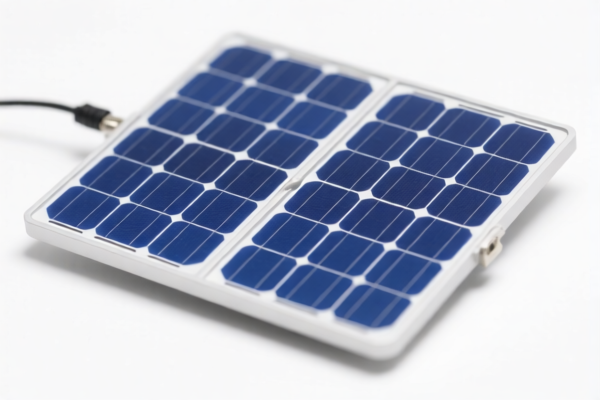
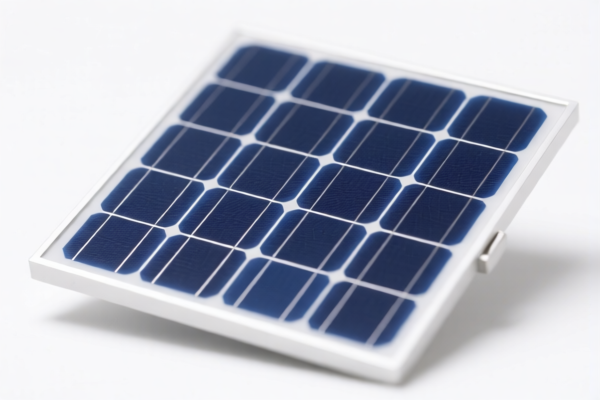
AI分析
☀️ Doped Silicon Wafers for Solar Cells
🌐 HS Code Reference & Customs Clearance Guide | 2026 Latest Tariff Analysis | Professional通关 Strategy for Photovoltaic Materials
📌 I. Product Definition & Classification: What Exactly Are "Doped Silicon Wafers" for Solar?
Doped Silicon Wafers for Solar Cells are the fundamental semiconductor building blocks of photovoltaic (PV) technology. Unlike raw silicon ingots or basic electronic-grade wafers, these materials are specifically treated (doped) with impurities (such as Boron or Phosphorus) to create p-type or n-type semiconductors, enabling the conversion of sunlight into electricity.
In international trade, classification hinges on three critical factors:
1. Material Form: Is it a raw material, a refined wafer, or a processed component?
2. Chemical Composition: Is it pure Silicon Carbide (SiC) compound or metallic Silicon?
3. End-Use Application: Is it strictly for Solar/Photovoltaic use, or for Electronic Devices (chips, ICs)?
⚠️ Critical Distinction Point:
- If the product is raw granular/powdered silicon carbide or unrefined silicon → Classified under Chapter 28 (Inorganic Chemicals).
- If the product is a finished wafer/disk intended for Solar PV panels → Often classified under Chapter 38 (Miscellaneous Chemical Products) due to specific trade measures on solar materials.
- If the product is a high-purity Electronic Wafer (for chips) → Classified under Chapter 38 (Electronic Grade).
📦 II. HS Code Classification Matrix (2026 Authoritative Mapping)
Based on the provided data, here is the precise mapping of "Doped Silicon Wafers for Solar Cells" to their respective HS Codes and tax implications. Note that the classification splits based on physical form and specific material matching.
| HS Code | Product Description & Summary | Key Classification Criteria | Applicable Scenario |
|---|---|---|---|
2849.20.20.00 |
Doped Silicon PV Material: Matches Silicon Carbide material in granular, ground, crushed, or refined form. | Form: Granular/Crushed/Powder. Material: Silicon Carbide (SiC) based. Use: Solar PV. |
Raw feedstock, silicon carbide abrasives, or powdered doped silicon for solar manufacturing. |
2849.20.10.00 |
Doped Silicon PV Material: Matches Silicon Carbide material in unrefined raw material form. | Form: Unrefined/Raw. Material: Silicon Carbide (SiC) based. Use: Solar PV. |
Bulk raw doped silicon carbide chips or unprocessed grains before grinding/refining. |
3818.00.00.20 |
Doped Silicon PV Material OR Electronic Wafers: Matches doped elements & Polysilicon material. | Form: Wafer/Disk (implied by "Wafer" in HS 3818). Material: Polysilicon. Use: PV or Electronic. |
Finished silicon wafers used in solar cell production or general electronics. High Tariff Risk. |
3818.00.00.95 |
Doped Materials: Other doping elements/compounds兜底 (Catch-all), Silicon based. | Form: Various. Material: Silicon-based doped compounds not covered above. Use: General industrial/chemical. |
Niche doped silicon compounds not fitting specific polysilicon wafer definitions. |
3818.00.00.20 |
Electronic Device Doped Silicon Wafers: Matches Polysilicon/Doped material for Electronic Industry use. | Form: Wafer/Disk. Material: Polysilicon. Use: Electronic Devices. |
High-purity wafers for semiconductors/chips. Note: Same HS code as solar polysilicon wafers, but usage declaration differs. |
🔍 Key Insight:
- The jump from 2849 (Chemical raw materials) to 3818 (Finished electronic/solar components) is the most critical decision point.
- 3818.00.00.20 carries a massive 60% total tax burden, making accurate pre-clearance declaration vital.
- 2849.20 codes have significantly lower taxes (0.5% - 10.5%), but only apply if the product is granular/powdered/unrefined.
💰 III. 2026 Latest Tariff Rate Breakdown (Including Surcharges & Policy Add-ons)
✅ Applicable Country: United States (US)
✅ Country of Origin: China (CN)
✅ Effective Date: Ongoing (Section 301 / IEEPA measures)
🎯 1. 2849.20.20.00 — Doped Silicon PV Material (Granular/Refined SiC)
| Item | Detail |
|---|---|
| Base Tariff | 0.5% |
| Additional Tariff (Section 301/122) | 10.0% |
| Other Surcharges | 0.0% |
| Total Tax Rate | 10.5% |
| Tax Calculation | CIF Value × 10.5% |
| De Minimis Eligibility | ❌ No (High value industrial materials) |
| Legal Basis | USITC HTSUS 2849.20.20.00 + Section 301 Footnotes |
📌 Explanation:
- This classification benefits from a very low base duty (0.5%).
- The 10% surcharge applies specifically under "122 Clause Tariff" (often referenced in recent PV supply chain restrictions).
- Total cost impact: Moderate. Suitable for high-volume raw material imports.
🎯 2. 2849.20.10.00 — Doped Silicon PV Material (Unrefined Raw)
| Item | Detail |
|---|---|
| Base Tariff | 0.0% |
| Additional Tariff (Section 301/122) | 10.0% |
| Other Surcharges | 0.0% |
| Total Tax Rate | 10.0% |
| Tax Calculation | CIF Value × 10.0% |
| De Minimis Eligibility | ❌ No |
| Legal Basis | USITC HTSUS 2849.20.10.00 + Section 301 Footnotes |
📌 Explanation:
- Zero base duty makes this the most cost-effective raw material classification.
- Only the 10% surcharge applies.
- Crucial: Must prove the material is unrefined and Silicon Carbide-based to avoid reclassification to 3818.
🎯 3. 3818.00.00.20 — Doped Silicon Wafers (Polysilicon/Solar/Electronic)
| Item | Detail |
|---|---|
| Base Tariff | 0.0% |
| Additional Tariff (Section 301) | 50.0% |
| Additional Tariff (122 Clause) | 10.0% |
| Other Surcharges | 0.0% |
| Total Tax Rate | 60.0% |
| Tax Calculation | CIF Value × 60.0% |
| De Minimis Eligibility | ❌ No |
| Legal Basis | USITC HTSUS 3818.00.00.20 + Section 301 + IEEPA |
📌 Explanation:
- HIGH ALERT: This is the most expensive classification.
- 50% Base Surcharge (Section 301) + 10% Clause 122 = 60% Total Tax.
- This applies if the product is considered a finished wafer or polysilicon for solar/electronic use.
- Financial Impact: A $10,000 shipment incurs $6,000 in taxes alone.
🎯 4. 3818.00.00.95 — Other Doped Silicon Materials
| Item | Detail |
|---|---|
| Base Tariff | 0.0% |
| Additional Tariff (Section 301) | 50.0% |
| Additional Tariff (122 Clause) | 10.0% |
| Total Tax Rate | 60.0% |
| Tax Calculation | CIF Value × 60.0% |
| Legal Basis | USITC HTSUS 3818.00.00.95 |
📌 Explanation:
- Same high tax rate as3818.00.00.20.
- Used as a catch-all for silicon-based doping compounds not fitting specific wafer definitions.
- Avoid unless absolutely necessary, as it triggers the maximum penalty tier.
🛠️ IV. Customs Clearance Practical Advice (Battle-Tested Pitfall Avoidance)
✅ 1. Documentation Checklist (Mandatory)
| Document | Required? | Purpose |
|---|---|---|
| Product Specification Sheet | ✔️ | Must detail: Doping elements (B/P), resistivity, crystal structure, and physical form (powder vs. wafer). |
| Material Safety Data Sheet (MSDS) | ✔️ | Proves chemical composition (Silicon Carbide vs. Metallic Silicon). |
| Certificate of Analysis (CoA) | ✔️ | Crucial for proving "Unrefined" vs. "Refined" status to qualify for 2849 instead of 3818. |
| Commercial Invoice | ✔️ | Must clearly state: "Doped Silicon PV Material - [Granular/Wafer]" and "Made in China". |
| Bill of Lading / Packing List | ✔️ | Detailed weight/volume breakdown. |
| End-Use Declaration | ✔️ | State "For Solar Cell Manufacturing" or "For Electronic Semiconductor Fabrication". |
✅ 2. Classification Strategy (The Golden Rules)
🔥 "Form Determines Code, Code Determines Cost!"
| Scenario | Recommended HS Code | Tax Rate | Why? |
|---|---|---|---|
| Raw, unrefined silicon carbide chunks | 2849.20.10.00 |
10.0% | Unrefined raw state qualifies for low base duty. |
| Ground/crushed/powdered doped silicon | 2849.20.20.00 |
10.5% | Granular form is still considered a chemical raw material. |
| Finished silicon wafers (solar grade) | 3818.00.00.20 |
60.0% | Avoid if possible. High tariff applies to processed wafers. |
| High-purity electronic wafers | 3818.00.00.20 |
60.0% | Same high tariff; electronic use does not lower tax. |
| Miscellaneous doped silicon compounds | 3818.00.00.95 |
60.0% | Last resort; highest risk of audit. |
📌 Strategic Tip:
- If your product can be classified as granular/powdered (2849), it saves ~50% in taxes compared to wafer classification (3818).
- Ensure your packaging and product description emphasize "Raw Material," "Granules," or "Powder" if applicable, and avoid terms like "Wafer" or "Disk" in raw material shipments.
✅ 3. Special Circumstances & Workarounds
| Situation | Recommendation |
|---|---|
| Mixed Shipments (Wafers + Raw Material) | Separate Bill of Lading. Do not mix 2849 and 3818 items. Mixed shipments may lead to full reclassification at the highest tax rate. |
| Customs Audit on "Unrefined" Status | Provide lab tests showing particle size distribution and lack of machining. If particles are <1mm, it supports "granular" classification. |
| Solar Specific Exemptions? | Currently, no broad exemptions exist for Chinese-origin doped silicon wafers under current IEEPA/301 rules. Verify latest USTR exclusions before shipment. |
| Misdeclaration Risk | Declaring wafers as "powder" to save tax is fraud. Penalties include seizure, fines, and loss of importing privileges. |
🌍 V. Global Market Comparison (2026)
| Market | Typical HS Code | Tax Rate (China Origin) | Key Requirement |
|---|---|---|---|
| 🇺🇸 USA | 3818.00.00.20 or 2849.20.xx |
10.0% - 60.0% | Strict Section 301 enforcement. IEEPA surcharges apply. |
| 🇪🇺 EU | 3818.00.00 |
0% - 4.5% | Generally lower duties. Focus on REACH compliance. |
| 🇨🇳 China (Export) | N/A | N/A | No export duties, but production standards must meet PV industry specs. |
| 🇻🇳 Vietnam | 3818.00.00 |
0% - 5% | Potential for lower tariffs if processed/transshipped legally (Rule of Origin applies). |
📌 Conclusion for US Importers:
The 60% tariff on3818wafers is a major cost driver. Many companies mitigate this by:
1. Sourcing raw granular silicon (2849) for domestic processing.
2. Utilizing Vietnam or Malaysia as processing hubs to change the country of origin.
3. Carefully structuring shipments to qualify for lower-rate raw material classifications.
📌 VI. Common Errors & Pitfalls (Lessons Learned)
❌ Error 1: Classifying finished wafers as raw silicon powder.
👉 Consequence: Customs seizure, back-taxes ($50k+ per container), and legal action.
❌ Error 2: Ignoring Section 301 Footnotes.
👉 Consequence: Paying 0% base duty but forgetting the 50% or 10% surcharge, leading to unexpected bills at the border.
❌ Error 3: Using vague descriptions like "Silicon Material."
👉 Consequence: Customs ambiguity → Delayed release → Storage fees + Demurrage.
❌ Error 4: Assuming "Solar" means "Duty-Free."
👉 Consequence: False! Solar-related silicon products from China face heavy punitive tariffs. Only specific finished PV modules might have different rules, but materials (wafers/polysilicon) are heavily taxed.
✅ Best Practice Declaration:
"Doped Silicon Carbide, Granular Form, For Use in Photovoltaic Cell Manufacturing, Made in China. HS: 2849.20.20.00"
🎯 VII. Conclusion: Smart Classification Saves Millions!
🎯 Remember the Rule:
🔹 "Raw & Granular = 10.5% | Wafer & Polysilicon = 60%"
🔹 "Form is King. Describe accurately. Avoid the 60% trap."
📌 Pro Tip:
If you are importing finished wafers, consider:
1. Advance Ruling: Request a binding ruling from CBP to confirm your classification.
2. Supply Chain Shift: Explore sourcing raw 2849 materials and processing them in Vietnam/Malaysia to change origin.
3. Bonded Warehouses: Use FTZ (Foreign Trade Zones) to defer tax payments until final use is determined.
📣 Immediate Action Items:
📞 Consult a Customs Broker: Provide exact physical samples and specs.
📄 Request Pre-Classification: Use HS codes2849.20.10.00or2849.20.20.00if product allows.
🚀 Optimize Supply Chain: Mitigate the 60% tax burden through strategic sourcing.
✨ Professional Classification, Predictable Costs, Smooth Customs!
💼 Every percentage point of tax matters in the solar supply chain.
用户评价
关于 HS 编码归类
协调制度(HS)是由世界海关组织(WCO)制定的国际贸易商品分类标准。全球 200 多个国家采用 HS 系统作为海关关税、贸易统计和进出口监管的基础。
每个 HS 编码遵循以下层级结构:
- 章(2 位)——商品大类(例如:第 84 章:机器和机械设备)
- 品目(4 位)——章内的更具体分类
- 子目(6 位)——国际通用细分,所有 WCO 成员国统一使用
- 本国细分(8-10 位)——各国自行扩展的细分编码,如美国 HTSUS 10 位编码
正确的 HS 编码归类对于顺利通关、准确缴纳关税和遵守贸易法规至关重要。错误归类可能导致海关延误、多缴关税或罚款。
从CN进口到US时,适用的关税税率可能包括:
- 最惠国(MFN)税率——适用于 WTO 成员国的标准关税税率
- 普通税率——适用于无贸易协定国家
- 贸易救济关税——附加关税,如 301 条款(反倾销)、232 条款(国家安全)或反补贴税
本页内容仅供参考。如需正式归类,请咨询当地海关或持牌报关代理。