Drain Pipe Fitting
CN → US| HS编码 | 关税税率 | 原产国 | 目的国 | 文档 |
|---|---|---|---|---|
| 3926909987 | 22.8% | CN | US | 官方文档 |
| 7307199080 | 41.2% | CN | US | 官方文档 |
| 3926909940 | 22.8% | CN | US | 官方文档 |
| 7307110045 | 39.8% | CN | US | 官方文档 |
| 3917400095 | 40.3% | CN | US | 官方文档 |
商品图片
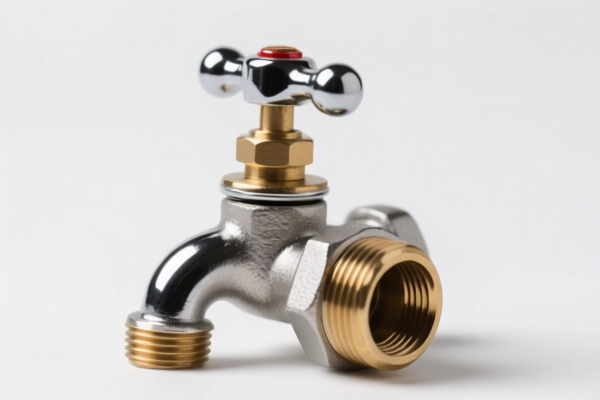
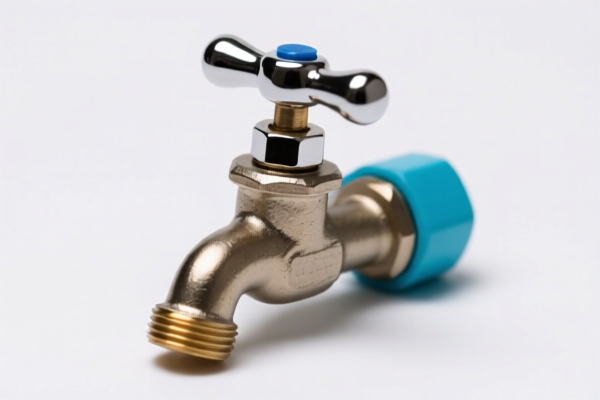

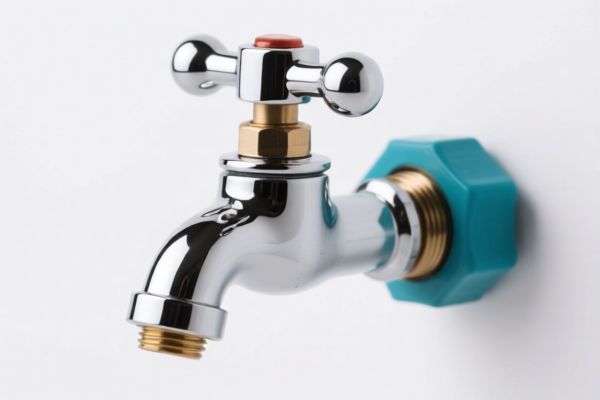
AI分析
🛠️ Drain Pipe Fittings: HS Code Classification & US Customs Clearance Guide (2026 Edition)
🌐 HS Code Reference & Customs Clearance Strategy | 2026 Tariff Breakdown | Professional Clearance Protocol
📌 1. Product Definition & Classification: What Exactly is a "Drain Pipe Fitting"?
Drain pipe fittings are essential components used to connect, redirect, or terminate drainage systems. In international trade, the HS Code (Harmonized System) is not determined by the function ("drainage") alone, but primarily by the material composition of the fitting.
The data provided identifies four distinct classification scenarios based on material inference: * Plastic Fittings: Made from polymers (PVC, ABS, PE). * Metal Fittings (Ferrous/Steel): Made from iron or steel alloys. * Cast Iron Fittings: Specifically designed for cast iron drainage systems.
⚠️ Critical Distinction Point: - Plastic Material → Falls under Chapter 39 (Plastics and Articles Thereof). - Steel/Iron Material → Falls under Chapter 73 (Articles of Iron or Steel). - Misclassification Risk: Declaring a steel fitting as plastic (or vice versa) leads to severe penalties, duty underpayment, and shipment delays.
📦 2. HS Code Classification Matrix (2026 Latest Tariff Schedule)
Based on the provided data, here are the precise HS Code mappings and their associated tax structures for US Imports (China Origin):
| HS Code | Material Inference | Product Description | Total Tax Rate | Tax Breakdown |
|---|---|---|---|---|
| 3926.90.99.87 | Plastic | Drainage adapters/parts; classified under plastic parts/accessories. | 22.8% | Base: 5.3% Sec 301: 7.5% Sec 122: 10% |
| 7307.19.90.80 | Steel/Iron | Pipe fittings; inferred as cast metal accessories. | 41.2% | Base: 6.2% Sec 301: 25.0% Sec 122: 10% |
| 3926.90.99.40 | Plastic | Drainage system components; classified as other plastic articles. | 22.8% | Base: 5.3% Sec 301: 7.5% Sec 122: 10% |
| 7307.11.00.45 | Cast Iron | Cast iron drainage pipe fittings. | 39.8% | Base: 4.8% Sec 301: 25.0% Sec 122: 10% |
🔍 Key Insight: - The Material Difference is the primary driver of tax liability. - Plastic fittings attract a total tax of 22.8%. - Metal fittings (Steel/Cast Iron) attract significantly higher taxes ranging from 39.8% to 41.2%. - Section 301 Tariffs (US-China trade war tariffs) are the main contributor to the high rates for metal fittings (25%).
💰 3. 2026 US Tariff Rate Detailed Analysis (China Origin)
✅ Applicable Country: United States (US) ✅ Country of Origin: China (CN) ✅ Effective Date: Post-2025 Policy Implementation
🎯 A. Plastic Drain Fittings (3926.90.99.87 / 3926.90.99.40)
| Item | Detail |
|---|---|
| Base Duty | 5.3% (Ad Valorem) |
| Section 301 Additional Duty | +7.5% |
| Section 122 Additional Duty | +10% |
| Total Effective Tax Rate | 22.8% |
| Calculation Basis | CIF Value × 22.8% |
| De Minimis Eligibility | ❌ No (Value > $800 threshold usually triggers full duty for commercial shipments) |
| Legal Reference Path | HTSUS:3926.90.99 → USITC Footnote → Section 301 (7.5%) → Section 122 (10%) |
📌 Explanation: - The 7.5% is a specific Section 301 tariff rate applied to certain plastic articles. - The 10% is attributed to Section 122 tariffs (typically related to national security or specific trade remedy actions). - Total Cost Impact: For every $1,000 CIF value, expect $228 in duties/taxes.
🎯 B. Steel/Iron Drain Fittings (7307.19.90.80)
| Item | Detail |
|---|---|
| Base Duty | 6.2% (Ad Valorem) |
| Section 301 Additional Duty | +25.0% |
| Section 122 Additional Duty | +10% |
| Total Effective Tax Rate | 41.2% |
| Calculation Basis | CIF Value × 41.2% |
| De Minimis Eligibility | ❌ No |
| Legal Reference Path | HTSUS:7307.19.90 → USITC Footnote → Section 301 (25%) → Section 122 (10%) |
📌 Warning: - The 25% Section 301 rate is the standard high-tier tariff for most steel products. - Total Cost Impact: For every $1,000 CIF value, expect $412 in duties/taxes. This is ~80% higher than plastic fittings.
🎯 C. Cast Iron Drain Fittings (7307.11.00.45)
| Item | Detail |
|---|---|
| Base Duty | 4.8% (Ad Valorem) |
| Section 301 Additional Duty | +25.0% |
| Section 122 Additional Duty | +10% |
| Total Effective Tax Rate | 39.8% |
| Calculation Basis | CIF Value × 39.8% |
| De Minimis Eligibility | ❌ No |
| Legal Reference Path | HTSUS:7307.11.00 → USITC Footnote → Section 301 (25%) → Section 122 (10%) |
📌 Note: - Although the base duty (4.8%) is lower than steel (6.2%), the high Section 301 rate makes it nearly as expensive as steel fittings. - Cast iron is often heavier, potentially increasing freight costs, but the duty structure is similar to steel.
🛠️ 4. Customs Clearance Practical Advice (Risk Mitigation)
✅ 1. Required Documentation Checklist
| Document | Mandatory? | Purpose |
|---|---|---|
| Commercial Invoice | ✔️ | Must clearly state: Material Composition (e.g., "PVC Plastic," "Cast Iron"). |
| Product Specifications | ✔️ | Detail dimensions, pressure rating, and exact material. |
| HS Code Ruling Letter | ✔️ | If available, provides pre-approved classification. |
| Material Certification | ✔️ | Crucial for metal fittings to prove alloy type (Steel vs. Cast Iron vs. Iron). |
| Packing List | ✔️ | Net/Gross weight is critical for Section 301 calculations. |
| Bill of Lading (B/L) | ✔️ | Standard shipping document. |
✅ 2. Declaration Best Practices
🔥 Golden Rule: "Declare by Material, Not Just by Function."
| Scenario | Correct Declaration | Incorrect Declaration | Consequence |
|---|---|---|---|
| Plastic Adapter | 3926.90.99.87 (Plastic Fitting) |
7307.19.90.80 (Metal Fitting) |
Overpayment (Pay 41.2% instead of 22.8%) |
| Steel Fitting | 7307.19.90.80 (Steel Fitting) |
3926.90.99.99 (Plastic Fitting) |
Underpayment Fraud Risk + Penalties + Retroactive Duty |
| Cast Iron Pipe Part | 7307.11.00.45 (Cast Iron) |
7307.19.90.80 (General Steel) |
Potential misclassification; different base duty may apply. |
✅ 3. Strategic Cost Optimization
- Material Substitution: If the application allows, consider using high-quality plastic (ABS/PVC) instead of metal. This reduces the tax rate from ~40% to 22.8%, saving nearly 18 percentage points on every shipment.
- Supply Chain Diversification: Section 301 and Section 122 tariffs specifically target Chinese origin goods.
- Strategy: Source fittings from Vietnam, Mexico, or Thailand to potentially avoid Section 301 tariffs (check current HTSUS rules for country-of-origin eligibility).
- Pre-Classification Ruling: For large volume imports, apply for an US CBP Advance Ruling to lock in the HS Code and avoid post-entry audits.
🌍 5. Global Market Comparison (2026)
| Region | Recommended HS Code | Est. Duty (China Origin) | Key Certification |
|---|---|---|---|
| 🇺🇸 USA | 3926.90.99 (Plastic)7307.19.90 (Steel) |
22.8% (Plastic) 39.8-41.2% (Metal) |
ASTM, UPC, NSF |
| 🇨🇳 China | 3926.90.997307.19.90 |
Low/Zero (MFN Rate) | GB Standards |
| 🇪🇺 EU | 3917.40 (Plastic)7307.99 (Steel) |
~4-6% (No Sec 301) | CE, WRAS |
| 🇦🇺 AU | 3917.407307.99 |
~5% | AS/NZS Standards |
📌 Conclusion: - The US market is the most expensive for drain fittings due to layered tariffs (Base + Sec 301 + Sec 122). - Plastic fittings are significantly cheaper to import into the US than metal ones. - Non-US markets do not apply Section 301 tariffs, making them more competitive if logistics allow.
📌 6. Common Pitfalls & Avoidance Guide
❌ Pitfall 1: Vague Description * Error: Declaring as "Pipe Part" or "Fitting" without material. * Result: CBP may classify as Chapter 84 (Machinery parts) or highest duty rate, triggering an audit. * Fix: Always include "Plastic" or "Steel" in the product name.
❌ Pitfall 2: Mixing Materials in One Shipment * Error: Packing plastic and steel fittings in one box and declaring one HS Code. * Result: Seizure or Partial Seizure. Each material must be separately classified and valued. * Fix: Separate shipments or clearly itemize with distinct HS Codes and values.
❌ Pitfall 3: Ignoring Section 122 * Error: Only calculating Base + Sec 301. * Result: Underpayment of 10% on all covered goods. * Fix: Ensure your broker includes the 10% Section 122 surcharge in the calculation.
✅ Correct Declaration Example:
"Drain Pipe Adapter, Material: PVC Plastic, Function: Plumbing Connection, Model: XYZ-123"
🎯 7. Final Recommendation
🎯 Strategic Takeaway:
🔹 Material is Money: Choosing Plastic (22.8%) over Steel (41.2%) saves you 18.4% in direct duty costs. 🔹 Precision is Key: Never use generic terms. Always specify "Plastic Fitting" or "Steel Fitting." 🔹 Proactive Planning: For high-value metal imports, explore non-China origins to mitigate the 25% Section 301 tariff.
📌 Pro Tip: If you are importing significant volumes, consult a licensed US Customs Broker to verify the exact HTSUS subheading based on your specific product samples. A minor detail in material alloy or dimension can shift the code and thousands of dollars in tax.
📣 Immediate Action:
📞 Get a Pre-Shipment HS Code Confirmation from your supplier or broker. 📄 Audit your Bill of Lading to ensure "Plastic" or "Steel" is explicitly stated. 📊 Calculate Landed Cost using the correct 22.8% or 41.2% rate before finalizing orders.
✨ Professional Clearance Starts with Accurate Classification! 💼 Every Percentage Point Saved is Pure Profit!
用户评价
关于 HS 编码归类
协调制度(HS)是由世界海关组织(WCO)制定的国际贸易商品分类标准。全球 200 多个国家采用 HS 系统作为海关关税、贸易统计和进出口监管的基础。
每个 HS 编码遵循以下层级结构:
- 章(2 位)——商品大类(例如:第 84 章:机器和机械设备)
- 品目(4 位)——章内的更具体分类
- 子目(6 位)——国际通用细分,所有 WCO 成员国统一使用
- 本国细分(8-10 位)——各国自行扩展的细分编码,如美国 HTSUS 10 位编码
正确的 HS 编码归类对于顺利通关、准确缴纳关税和遵守贸易法规至关重要。错误归类可能导致海关延误、多缴关税或罚款。
从CN进口到US时,适用的关税税率可能包括:
- 最惠国(MFN)税率——适用于 WTO 成员国的标准关税税率
- 普通税率——适用于无贸易协定国家
- 贸易救济关税——附加关税,如 301 条款(反倾销)、232 条款(国家安全)或反补贴税
本页内容仅供参考。如需正式归类,请咨询当地海关或持牌报关代理。