Drainage Channel Cover
CN → US| HS编码 | 关税税率 | 原产国 | 目的国 | 文档 |
|---|---|---|---|---|
| 6810910000 | 35.0% | CN | US | 官方文档 |
| 3926909940 | 22.8% | CN | US | 官方文档 |
| 3926909989 | 22.8% | CN | US | 官方文档 |
商品图片
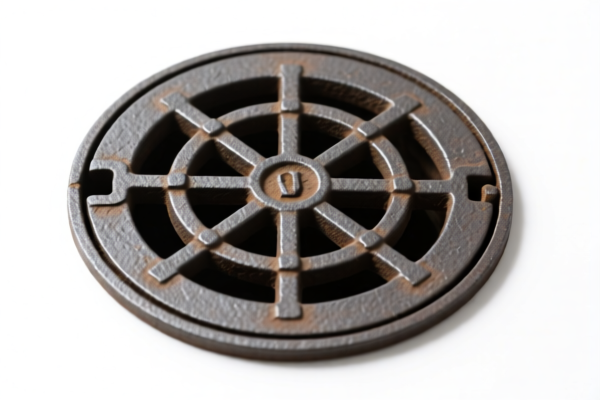
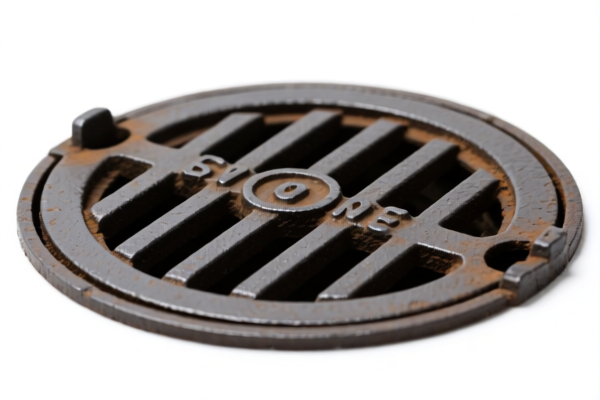
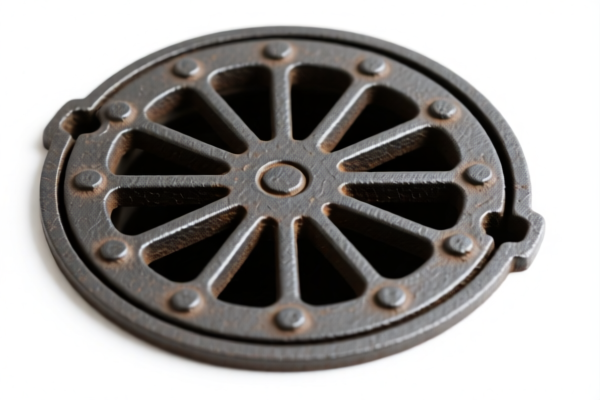
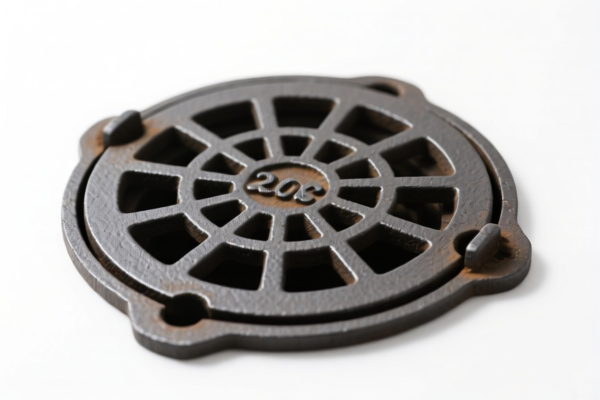
AI分析
🛤️ Drainage Channel Cover (排水沟护罩)
🌐 HS Code Reference & Customs Clearance Guide | 2026 Latest Tariff Analysis | Strategic Clearance Strategy
📌 1. Product Definition & Classification: What Exactly Is a "Drainage Channel Cover"?
A Drainage Channel Cover is a critical component of urban infrastructure, stormwater management, and industrial drainage systems. Its primary function is to protect the underlying drainage channel while allowing water flow and providing a load-bearing surface for pedestrians or vehicles.
In international trade, the Harmonized System (HS) classification depends entirely on the MATERIAL composition of the cover. The same physical object can fall into vastly different tariff categories based on whether it is made of concrete, plastic, or other materials.
⚠️ Critical Distinction:
- Concrete/Artificial Stone Covers: Classified as Chapter 68 (Mineral Products). High duty burden.
- Plastic Covers: Classified as Chapter 39 (Plastics). Lower duty burden.
- Metal Covers: Note: The provided data does not include metal-specific HS codes (e.g., Chapter 73). If your product is metal, the provided data below may not apply. Please verify metal classification separately.
📦 2. HS Code Classification Details (Based on Provided Data)
| HS Code | Material | Summary & Application | Tax Profile |
|---|---|---|---|
| 6810.91.00.00 | Concrete / Artificial Stone | Prefabricated structural parts for drainage systems. Material inferred as concrete or人造石 (artificial stone). | Total Tax: 35.0% |
| 3926.90.99.40 | Plastic | Drainage system components, specifically functioning as drainage gates/frames. | Total Tax: 22.8% |
| 3926.90.99.89 | Plastic | Other plastic articles (catch-all category for plastics not elsewhere specified). | Total Tax: 22.8% |
🔍 Key Insight:
- Concrete covers face a 35% total tax rate.
- Plastic covers face a significantly lower 22.8% total tax rate.
- Misclassification Risk: Declaring a plastic cover as concrete (or vice versa) to manipulate tax rates is considered customs fraud. Accurate material declaration is mandatory.
💰 3. Detailed Breakdown of 2026 Tariff Rates
✅ Jurisdiction: USA (Implied by "Section 122" and specific tax structures)
✅ Origin: China (CN)
✅ Effective Date: Current 2026 regulations
🎯 A. For 6810.91.00.00 (Concrete/Artificial Stone Covers)
| Item | Detail |
|---|---|
| Base Tariff | 0.0% |
| Section 301 Tariff | 25.0% |
| Section 122 Tariff | 10.0% |
| Total Tax Rate | 35.0% |
| Calculation Basis | CIF Value × 35% |
| De Minimis Exemption | ❌ Not Eligible (High duties exclude small shipments from de minimis relief) |
| Legal Authority | Base Tariff (0%) + Section 301 (25%) + Section 122 (10%) |
📌 Explanation:
- Base 0%: Concrete drainage products have a zero base tariff under standard USHTS.
- Section 301 (25%): Additional tariffs imposed on Chinese goods under Section 301 of the Trade Act.
- Section 122 (10%): Additional tariffs under Section 122 of the Trade Act (often applied to specific industrial goods).
- Total 35%: This is a high-cost category for importers. Profit margins must account for this significant duty burden.
🎯 B. For 3926.90.99.40 & 3926.90.99.89 (Plastic Covers)
| Item | Detail |
|---|---|
| Base Tariff | 5.3% |
| Section 301 Tariff | 7.5% |
| Section 122 Tariff | 10.0% |
| Total Tax Rate | 22.8% |
| Calculation Basis | CIF Value × 22.8% |
| De Minimis Exemption | ❌ Not Eligible (Due to high effective duty rate) |
| Legal Authority | Base Tariff (5.3%) + Section 301 (7.5%) + Section 122 (10%) |
📌 Explanation:
- Base 5.3%: Plastic articles generally attract a modest base tariff.
- Section 301 (7.5%): A lower additional tariff compared to concrete products.
- Section 122 (10%): Consistent 10% surcharge.
- Total 22.8%: Significantly cheaper than concrete (35% vs 22.8%). This creates a strong economic incentive to use plastic materials if structural integrity allows.
🛠️ 4. Customs Clearance Practical Advice (Avoiding Pitfalls)
✅ 1. Essential Documentation Checklist
| Document | Required | Purpose |
|---|---|---|
| Product Specification Sheet | ✔️ | Must explicitly state Material Composition (e.g., "100% Polypropylene" or "Concrete Reinforced with Steel"). |
| Product Photos | ✔️ | Clear images showing texture, weight, and any material markings. |
| Commercial Invoice | ✔️ | Must list HS Code, Material, and Country of Origin. |
| Packing List | ✔️ | Details weight and dimensions for duty calculation. |
| Material Safety Data Sheet (MSDS) | ✔️ | If chemical composition is disputed, MSDS can prove plastic vs. concrete. |
✅ 2. Declaration Strategy & Best Practices
🔥 Golden Rule: "Material is King. Declare Precisely."
| Scenario | Correct Declaration | Common Mistake |
|---|---|---|
| Plastic Cover | Use 3926.90.99.40 (if framed/gate-like) or 3926.90.99.89 (other plastic). | Declaring as "Concrete" → 35% Tax. |
| Concrete Cover | Use 6810.91.00.00. | Declaring as "Plastic" → Risk of penalty for misclassification. |
| Mixed Materials | Determine the Essential Character. | Splitting shipment → Complexity & higher costs. |
✅ 3. Cost Optimization Tips
-
Material Selection: If the application allows, switch from Concrete to Plastic.
- Savings: 35% - 22.8% = 12.2% reduction in total tax cost.
- On a $10,000 shipment, this saves $1,220 in duties.
-
Subheading Selection (Plastic):
- Use 3926.90.99.40 if the cover is specifically designed as a "drainage gate or frame."
- Use 3926.90.99.89 if it is a general "other plastic article."
- Both have the same 22.8% rate, so the distinction is mainly for statistical accuracy.
-
Avoid "De Minimis" Misconceptions:
- Many importers think small shipments (< $800) are duty-free.
- Warning: Because these duties exceed the de minimis threshold thresholds in terms of policy (Section 301/122 often block de minimis for high-duty goods), do not assume tax-free entry without verifying current CBP enforcement policies.
🌍 5. Global Market Comparison (2026)
| Market | Recommended HS Code | Est. Total Duty | Notes |
|---|---|---|---|
| 🇺🇸 USA | 3926.90.99.xx (Plastic) |
22.8% | High Section 122/301 impact. |
| 🇺🇸 USA | 6810.91.00.00 (Concrete) |
35.0% | Highest duty burden among options. |
| 🇪🇺 EU | 6404/6405 or 3926 | Varies | EU may have different Section 301 equivalents. Check TARIC. |
| 🇨🇳 China | 6810/3926 | ~5-10% | Lower base tariffs, no Section 122/301. |
📌 Conclusion for US Importers:
- Plastic is the economically superior choice for drainage covers due to the 12.2% tax difference.
- Concrete is only viable if structural load requirements strictly demand it, and you have absorbed the 35% cost.
📌 6. Common Errors & Pitfalls (Lessons Learned)
❌ Error 1: Using "Drainage Cover" as the sole product name.
👉 Result: Customs cannot determine material → 100% Inspection → Delays.
✅ Fix: Use "Plastic Drainage Channel Cover" or "Concrete Drainage Grate."
❌ Error 2: Declaring Concrete as "Plastic" to save taxes.
👉 Result: Audit, Penalties, and Potential Criminal Charges for customs fraud.
✅ Fix: Always provide material proofs (MSDS, photos, supplier certs).
❌ Error 3: Ignoring Section 122 and 301 in cost calculations.
👉 Result: Profit margin miscalculation.
✅ Fix: Always calculate CIF × Total Tax Rate (22.8% or 35%) for accurate landed cost.
🎯 7. Final Recommendation
🎯 Action Plan:
1. Verify Material: Confirm if your product is Plastic or Concrete.
2. Select HS Code:
- Plastic → 3926.90.99.40 or 3926.90.99.89 (22.8%)
- Concrete → 6810.91.00.00 (35.0%)
3. Optimize Cost: If possible, redesign or source Plastic versions to save 12.2% in duties.
4. Document Clearly: Ensure all shipping documents explicitly state the Material and HS Code.
📌 Pro Tip:
"Plastic Saves 12%, Concrete Costs 35%. Know Your Material!"
Clear documentation and accurate material declaration are the keys to smooth and cost-effective customs clearance.
📣 Immediate Action:
📞 Consult with your freight forwarder to verify the exact material composition of your shipment.
📄 Ensure your Commercial Invoice matches the HS Code and Material precisely.
🚀 Clear customs efficiently, avoid delays, and maximize your profit margins!
✨ Accurate Classification is the First Step to Global Trade Success!
💼 Every Percent of Duty Saved is Pure Profit!
用户评价
关于 HS 编码归类
协调制度(HS)是由世界海关组织(WCO)制定的国际贸易商品分类标准。全球 200 多个国家采用 HS 系统作为海关关税、贸易统计和进出口监管的基础。
每个 HS 编码遵循以下层级结构:
- 章(2 位)——商品大类(例如:第 84 章:机器和机械设备)
- 品目(4 位)——章内的更具体分类
- 子目(6 位)——国际通用细分,所有 WCO 成员国统一使用
- 本国细分(8-10 位)——各国自行扩展的细分编码,如美国 HTSUS 10 位编码
正确的 HS 编码归类对于顺利通关、准确缴纳关税和遵守贸易法规至关重要。错误归类可能导致海关延误、多缴关税或罚款。
从CN进口到US时,适用的关税税率可能包括:
- 最惠国(MFN)税率——适用于 WTO 成员国的标准关税税率
- 普通税率——适用于无贸易协定国家
- 贸易救济关税——附加关税,如 301 条款(反倾销)、232 条款(国家安全)或反补贴税
本页内容仅供参考。如需正式归类,请咨询当地海关或持牌报关代理。