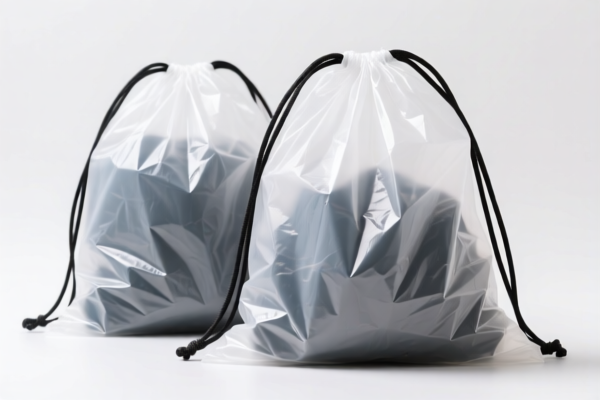
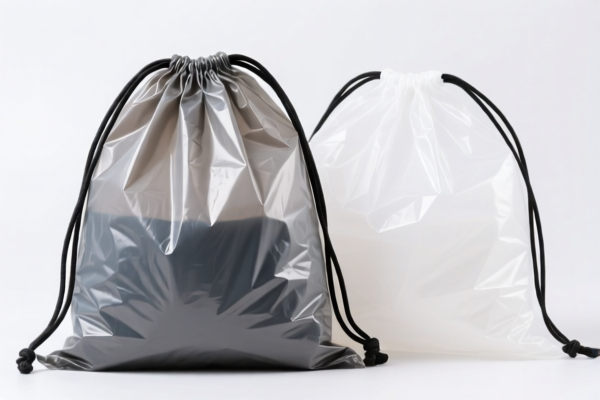
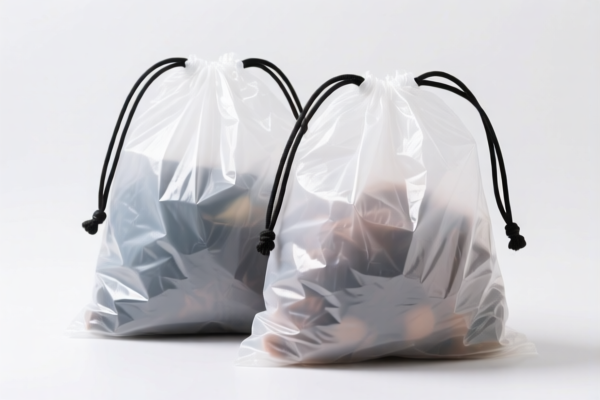
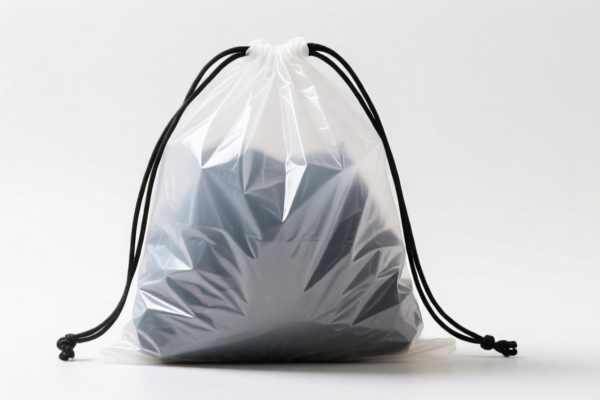
Drawstring Polyethylene Bag
CN → US| HS编码 | 关税税率 | 原产国 | 目的国 | 文档 |
|---|---|---|---|---|
| 3923210085 | 38.0% | CN | US | 官方文档 |
| 3923210095 | 38.0% | CN | US | 官方文档 |
| 3923210011 | 38.0% | CN | US | 官方文档 |
| 3923210080 | 38.0% | CN | US | 官方文档 |
| 6305390000 | 25.9% | CN | US | 官方文档 |
商品图片
AI分析
🎒 Drawstring Polyethylene Bag (The "Drawstring Pouch" Classification Deep Dive)
🌐 HS Code Reference & Customs Clearance Guide | 2026 Latest Tariff Analysis | Professional Clearance Strategy
📌 I. Product Definition & Classification: Do You Really Understand "Drawstring Bags"?
A Drawstring Polyethylene Bag is a flexible packaging solution made from Polyethylene (PE), a thermoplastic polymer. In international trade, the classification depends heavily on the specific material composition and the intended use or additional features (such as being made of textile fabric vs. plastic).
In the context of US Customs (HTSUS), these bags generally fall under Chapter 39 (Plastics) for PE bags or Chapter 63 (Other Made Up Textile Articles) if the "drawstring" aspect implies a fabric construction (like non-woven or woven polypropylene often misidentified as PE, or actual textile blends).
⚠️ Critical Distinction Point:
- If the bag is made of Polyethylene (Plastic) → It belongs to Chapter 39 (specifically heading 3923.21).
- If the bag is made of Textile Fabric (even with plastic lining) → It may belong to Chapter 63 (heading 6305.39).
- Note: The data provided includes one textile-based option (6305.39.00.00), highlighting the risk of misclassification between plastic and textile drawstring bags.
📦 II. HS Code Classification Details (2026 Latest Tariff Authority Comparison)
Based on the provided data, here are the specific HS Codes and their logical justifications for a "Drawstring Polyethylene Bag":
| HS Code | Product Description | Logic & Justification | Total Tax Rate |
|---|---|---|---|
3923.21.00.85 |
Drawstring Polyethylene Bag | Specifically classified under "Drawstring bags" made of plastics. Matches the material (PE) and form (drawstring bag). | 38.0% |
3923.21.00.95 |
Other Polyethylene Bags | Used if the bag does not fit other specific subcategories within 3923.21 but is still PE. "Not specifically listed" falls here as a residual category. | 38.0% |
3923.21.00.11 |
Polyethylene Bag | Basic classification for PE bags. Fits the material and basic shape requirements without emphasizing the "drawstring" feature in the subheading. | 38.0% |
3923.21.00.80 |
Polyethylene Bag | Similar to above, fully compliant with material (PE) and usage requirements for this subheading. | 38.0% |
6305.39.00.00 |
Textile Drawstring Bag | CRITICAL ALERT: Classified as "Cloth/Textile Drawstring Bag". If your product is actually PE plastic but you use this code, you risk misclassification. This code is for textile material bags. | 25.9% |
🔍 Key Insight:
- The majority of pure Polyethylene (PE) drawstring bags will fall under 3923.21.xxxx.
- The tax rate for PE bags is significantly higher (38%) due to additional duties.
- The textile option (6305.39.00.00) has a lower tax rate (25.9%) but is only for bags made of textile fabric, not pure PE. Do not misclassify PE as textile to save tax; customs will reject it.
💰 III. 2026 Latest Tariff Rate Breakdown (Including Surcharges & Policy Add-ons)
✅ Applicable Country: United States (US)
✅ Country of Origin: China (CN) (Implied by "122 Clause" and high tariff structure typical of US-China trade)
✅ Effective Date: 2025/2026 Trade Rules
🎯 1. Polyethylene Bags (3923.21.00.85, .95, .11, .80)
| Item | Detail |
|---|---|
| Base Tariff | 3.0% |
| Section 301 Tariff | 25.0% (Additional duty on Chinese goods) |
| Section 122 Tariff | 10.0% (Additional duty under specific trade enforcement clauses) |
| Total Tax Rate | 38.0% |
| Tax Calculation | CIF Value × 38% |
| De Minimis Exemption | ❌ Not Eligible (Section 301 and 122 duties generally apply to all entries, waiving the $800 de minimis exemption for many goods) |
| Legal Basis | HTSUS 3923.21 + USITC Footnotes + IEEPA/Section 301 Orders |
📌 Explanation:
- The 3.0% is the standard Most Favored Nation (MFN) rate for plastic bags.
- The 25.0% is the classic Section 301 tariff on Chinese plastics/packaging.
- The 10% "122 Clause" tariff is an additional punitive/trade enforcement duty applied to specific Chinese-origin goods.
- Combined Effect: The importer pays nearly two-fifths of the product's value in duties alone.
🎯 2. Textile Drawstring Bag (6305.39.00.00)
| Item | Detail |
|---|---|
| Base Tariff | 8.4% |
| Section 301 Tariff | 7.5% (Note: Lower than the 25% on plastic) |
| Section 122 Tariff | 10.0% |
| Total Tax Rate | 25.9% |
| Tax Calculation | CIF Value × 25.9% |
| De Minimis Exemption | ⚠️ Check Eligibility (Some textile goods may have different de minimis rules, but Section 301 often overrides) |
| Legal Basis | HTSUS 6305.39 + USITC Footnotes |
📌 Warning:
- This lower rate (25.9%) is ONLY applicable if the bag is genuinely made of textile fabric (e.g., non-woven polypropylene, cotton, polyester).
- If you import a Polyethylene (Plastic) bag and declare it under6305.39.00.00, you are committing customs fraud. The penalty for misclassification is severe (back duties + fines + potential cargo seizure).
🛠️ IV. Customs Clearance Practical Advice (Battle-Tested Pitfall Guide)
✅ 1. Required Documentation Checklist (Non-Negotiable)
| Document | Mandatory? | Description |
|---|---|---|
| ✅ Product Specification Sheet | ✔️ | Must clearly state material: "100% Polyethylene" OR "Non-Woven Polypropylene/Cotton" etc. |
| ✅ Material Composition Label | ✔️ | Photo of the bag showing the material tag (e.g., "Recycled PE," "PP Non-Woven"). |
| ✅ Commercial Invoice | ✔️ | Must describe the item as "Drawstring Bag" and specify "Material: Polyethylene". |
| ✅ Packing List | ✔️ | Details weight, dimensions, and quantity. |
| ✅ Proof of Origin | ✔️ | Critical for determining if Section 301 (25%) and Section 122 (10%) apply. |
✅ 2. Declaration Strategy (Key Mantra)
🔥 “Material First, Form Second. Plastic is 38%, Textile is 26%. Don’t Mix!”
| Scenario | Correct HS Code | Wrong Code | Consequence |
|---|---|---|---|
| Pure PE Plastic Bag | 3923.21.00.85 (or similar) |
6305.39.00.00 |
Misclassification. High risk of audit, back taxes, and fines. |
| Non-Woven Fabric Bag | 6305.39.00.00 |
3923.21.00.85 |
Lower tax, but must prove it’s not plastic. |
| Bag with Plastic Lining + Fabric Exterior | 6305.39.00.00 (Usually) |
3923.21.00.85 |
Complex. Needs detailed material breakdown. |
| Generic "Bag" without Material Spec | Rejected | N/A | Customs will ask for clarification, causing delays. |
✅ 3. Special Situations Handling
| Situation | Handling Advice |
|---|---|
| OEM Custom Bags | Provide the client’s design and material spec sheet. Ensure the description matches the physical good. |
| Recycled PE Bags | Still 3923.21.xxxx. The recycling status does not change the HS code, but may affect environmental certifications. |
| Bag vs. Sack | "Bag" is general. "Sack" might fall under 6305 or 3923.30. Stick to 3923.21 for flexible plastic bags with spouts/closures. |
| Section 122 Clauses | Verify if your specific HS subcode is subject to the 10% additional duty. Most plastic packaging from China is. |
🌍 V. Global Market Comparison (2026 Latest)
| Country/Region | Recommended HS Code | Tariff (China Origin) | Certification Requirements | Notes |
|---|---|---|---|---|
| 🇺🇸 USA | 3923.21.00.85 |
38.0% | No specific cert, but strict material declaration | High duty due to Sec 301 & 122. |
| 🇨🇳 China | 3923.21.00.85 |
5-9% (Import) | GB Standards | Lower import duty. |
| 🇪🇺 EU | 3923.21.00 |
0-3.7% | REACH (Chemical compliance) | No Section 301/122. Lower tax burden. |
| 🇬🇧 UK | 3923.21.00 |
0-3.7% | UKCA / REACH | Post-Brexit rules apply. |
| 🇨🇦 Canada | 3923.21.00 |
0-5% | Health Canada (if food contact) | No punitive trade tariffs. |
📌 Conclusion:
- The US market is the most expensive for PE drawstring bags from China due to the 38% effective duty rate.
- European markets are significantly more cost-effective (3.7% max) if you can diversify your supply chain or if the buyer is in the EU.
- Do not attempt to under-declare the material to hit the 25.9% rate; US CBP uses advanced imaging and lab tests to verify plastic vs. textile.
📌 VI. Common Errors & Pitfall Guide (Lessons Learned)
❌ Error 1: Calling a Polyethylene Bag a "Textile Bag" to save tax.
👉 Consequence: CBP lab test confirms it’s PE. Back duties ($$) + penalties + loss of trust.
❌ Error 2: Ignoring the "122 Clause".
👉 Consequence: Even if you know the 301 duty, forgetting the 10% additional duty means you are underpaying by 10% on every shipment.
❌ Error 3: Vague Description ("Plastic Bag").
👉 Consequence: CBP may assign a higher default duty rate or require extensive information requests, delaying cargo release.
✅ Correct Approach:
"Drawstring Bag, Material: 100% Low Density Polyethylene (LDPE), Opaque, Size 6x9 inches, For Retail Packaging"
🎯 VII. Conclusion: Professional Declaration, Save Costs, Avoid Risks!
🎯 Remember the Mantra:
🔹 "Plastic PE = 38%. Textile = 25.9%. Material dictates code."
🔹 "Don’t mix Plastic and Textile codes. One mistake costs thousands."
🔹 "301 (25%) + 122 (10%) + Base (3%) = 38%. Plan your budget!"
📌 Pro Tip:
If you are importing large volumes, consider:
1. Pre-Ruling: Apply for an HTSUS Pre-Ruling from US CBP to confirm your code.
2. Supply Chain Diversification: If possible, source from non-China origins (Vietnam, Thailand) to avoid Section 301 duties (though 122 may still apply depending on trade laws).
3. Bonded Warehouses: Use for deferring duties until the goods are sold.
📣 Take Action Now:
📞 Contact a Licensed Customs Broker
📸 Provide Photos of the Bag and Material Tag
🚀 Ensure 100% Accuracy in Material Declaration
💼 Your Margins Depend on Correct Classification!
✨ Professional Customs Clearance Starts with Precision!
💼 Every Percent of Duty Saved is Pure Profit!
用户评价
关于 HS 编码归类
协调制度(HS)是由世界海关组织(WCO)制定的国际贸易商品分类标准。全球 200 多个国家采用 HS 系统作为海关关税、贸易统计和进出口监管的基础。
每个 HS 编码遵循以下层级结构:
- 章(2 位)——商品大类(例如:第 84 章:机器和机械设备)
- 品目(4 位)——章内的更具体分类
- 子目(6 位)——国际通用细分,所有 WCO 成员国统一使用
- 本国细分(8-10 位)——各国自行扩展的细分编码,如美国 HTSUS 10 位编码
正确的 HS 编码归类对于顺利通关、准确缴纳关税和遵守贸易法规至关重要。错误归类可能导致海关延误、多缴关税或罚款。
从CN进口到US时,适用的关税税率可能包括:
- 最惠国(MFN)税率——适用于 WTO 成员国的标准关税税率
- 普通税率——适用于无贸易协定国家
- 贸易救济关税——附加关税,如 301 条款(反倾销)、232 条款(国家安全)或反补贴税
本页内容仅供参考。如需正式归类,请咨询当地海关或持牌报关代理。