Dried Cowhide
CN → US| HS编码 | 关税税率 | 原产国 | 目的国 | 文档 |
|---|---|---|---|---|
| 4101901030 | 17.5% | CN | US | 官方文档 |
| 4101201010 | 17.5% | CN | US | 官方文档 |
| 4107117030 | 15.0% | CN | US | 官方文档 |
| 4107127030 | 15.0% | CN | US | 官方文档 |
| 4103901130 | 17.5% | CN | US | 官方文档 |
商品图片
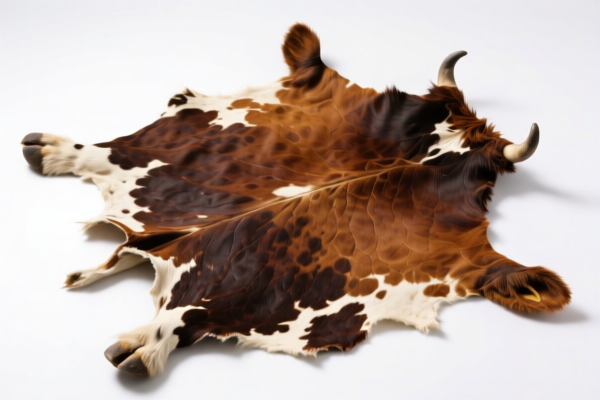
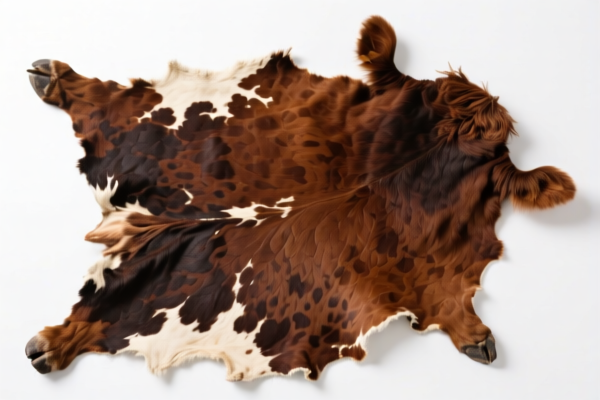
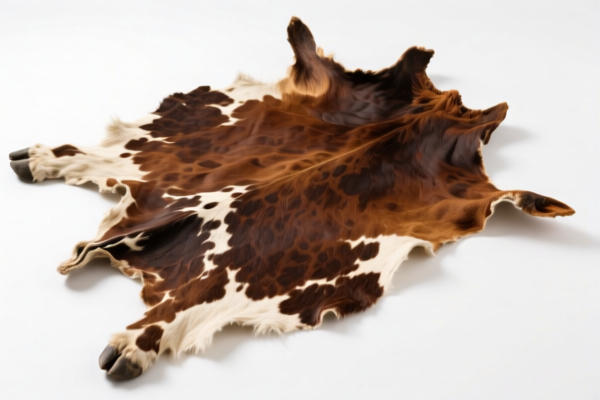
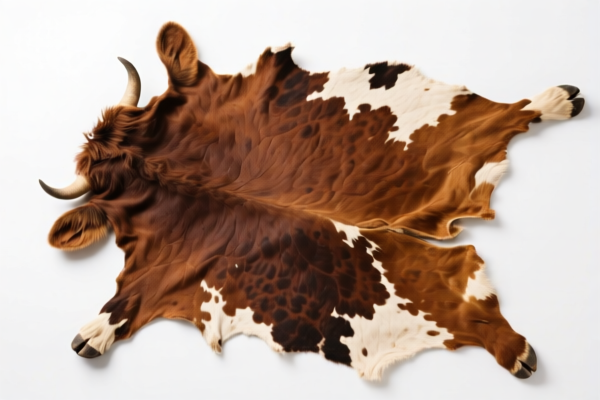
AI分析
🐄 Dried Cowhide: HS Code Classification & 2026 Tariff Strategy
🌐 HS Code Reference & Customs Clearance Guide | 2026 Latest Tariff Analysis | Professional Clearance Strategy
📌 I. Product Definition & Classification: Understanding "Dried Cowhide"
Dried Cowhide is the raw material for the leather industry, obtained by removing moisture from fresh cattle skins without chemical tanning or with minimal preliminary preservation. In international trade, its classification depends heavily on its state (salted/dried), form (whole/semi/sectioned), and processing level (untanned vs. partially tanned/split).
⚠️ Key Distinction Points:
- If the hide is completely untanned, dried, and in whole/semi-blea state → Classified under Chapter 41 (Heading 41.01 or 41.03).
- If the hide is tanned (wet-blue/dry) or split into sheets → Classified under Heading 41.07.
- Note: While "Deer Skin" is included in the reference data for comparison, the primary focus for "Cowhide" lies in the 4101/4103/4107 groups.
📦 II. HS Code Classification Details (2026 Latest Tariff Alignment)
Based on the provided dataset, here is the precise mapping for Dried Cowhide and related dried hides:
| HS Code | Product Description | Key Characteristics | Processing State |
|--------|--------------------------|---------------------------|
| 4101.90.10.30 | Dried Cowhide | Fits cattle raw hide material, dried and un-tanned form. | Raw/Dried (Un-tanned) |
| 4101.20.10.10 | Dried Cowhide | Fits cattle un-tanned raw hide, dried preservation method. | Raw/Dried (Un-tanned) |
| 4107.11.70.30 | Dried Cowhide Sheets | Fits tanned cowhide and sheet full-grain whole skin form. | Tanned/Split (Partial Processing) |
| 4107.12.70.30 | Dried Cowhide Sheets | Fits cowhide material and split skin sheet primary form. | Tanned/Split (Partial Processing) |
| 4103.90.11.30 | Dried Deer Skin | Reference Only: Different material (Deer), but dried/pre-tanned similar dry hide category. | Raw/Dried (Un-tanned) |
🔍 Critical Clarification:
- HS 4101 Codes (4101.90.10.30,4101.20.10.10): Apply to pure raw hides that are dried but not yet tanned. These are the base inputs for leather goods.
- HS 4107 Codes (4107.11.70.30,4107.12.70.30): Apply to hides that have undergone tanning (even if dried) or are split into sheets. The presence of "Tanned" or "Split" in the summary shifts the code to 4107.
- Deer Skin Note:4103.90.11.30is listed for comparison but is not cowhide. Do not use this for bovine products.
💰 III. 2026 Latest Tariff Rate Breakdown (Including Surtaxes & Policy Add-ons)
✅ Applicable Country: United States (US)
✅ Origin: China (CN)
✅ Effective Time: Post-2025 regulations (Based on provided data)
🎯 1. Raw Dried Cowhide (Un-tanned)
Codes: 4101.90.10.30 | 4101.20.10.10
Also Reference: 4103.90.11.30 (Deer Skin - Similar Tax Structure)
| Item | Content |
|---|---|
| Base Tariff Rate | 0.0% (Ad Valorem) |
| Section 301 / Added Tariff | +7.5% |
| "122 Clause" Surcharge | +10.0% |
| Total Effective Rate | 17.5% |
| Tax Calculation | CIF Value × 17.5% |
| Legal Basis Path | Base Tariff (0%) + Added Tariff (7.5%) + 122 Clause (10%) |
📌 Explanation:
- Raw hides enjoy a 0% base duty due to raw material status.
- However, trade war-related surcharges apply heavily:
- 7.5% is the standard added tariff for this category.
- 10% is the specific "122 Clause" tariff (likely referring to specific anti-dumping/countervailing or Section 301 sub-clauses for certain Chinese origins).
- Total: 17.5%. This is significantly lower than electronics but still a cost factor.
🎯 2. Tanned/Split Dried Cowhide Sheets
Codes: 4107.11.70.30 | 4107.12.70.30
| Item | Content |
|---|---|
| Base Tariff Rate | 5.0% (Ad Valorem) |
| Section 301 / Added Tariff | 0.0% |
| "122 Clause" Surcharge | +10.0% |
| Total Effective Rate | 15.0% |
| Tax Calculation | CIF Value × 15.0% |
| Legal Basis Path | Base Tariff (5%) + Added Tariff (0%) + 122 Clause (10%) |
📌 Explanation:
- Tanned or split hides have a 5% base duty because they are considered more processed goods.
- Interestingly, the 7.5% added tariff is reduced to 0% for these specific codes in this dataset, likely due to different trade negotiation statuses or specific exclusions.
- However, the 10% "122 Clause" still applies.
- Total: 15.0%.
🛠️ IV. Customs Clearance Practical Advice (Battle-Tested Pitfall Guide)
✅ 1. Preparation Checklist (Non-Negotiable)
| Document | Required? | Description |
|---|---|---|
| ✅ Commercial Invoice | ✔️ | Must clearly state: "Dried Cowhide, Bovine, Un-tanned/Tanned, Dried State". Avoid vague terms like "Raw Leather". |
| ✅ Packing List | ✔️ | Specify net weight/gross weight. Hides are heavy; accurate weight is crucial for duty calculation. |
| ✅ Origin Certificate | ✔️ | To prove China origin (if applicable) and verify eligibility for surcharges. |
| ✅ Product Specification Sheet | ✔️ | Detail: Thickness, Size, Salted/Dried Status, Tanning Process (if any). |
| ✅ Phytosanitary Certificate | ✔️ | Critical for animal products. Must certify freedom from contagious diseases. |
✅ 2. Declaration Tips (Key Mantras)
🔥 "State Determines Code, Tanning Changes Rate!"
| Scenario | Correct Declaration | Error to Avoid |
|---|---|---|
| Pure Raw, Dried, Whole | Use 4101.90.10.30 or 4101.20.10.10 |
Misclassifying as Tanned → Higher Base Duty (5% vs 0%) |
| Tanned & Split into Sheets | Use 4107.11.70.30 or 4107.12.70.30 |
Declaring as Raw → Risk of penalty for misdeclaration |
| Mixed Shipments | Separate by Type | Mixing raw and tanned in one line item → Customs delay |
| Deer Skin Included | Use 4103.90.11.30 |
Using Cowhide code for Deer → Misclassification |
✅ 3. Special Situation Handling
| Situation | Recommendation |
|---|---|
| Wet-Salted vs. Dry | This dataset specifies Dried. If wet-salted, codes may differ. Ensure physical state matches declaration. |
| Partially Tanned | If the hide is "wet-blue" (chemically treated but not fully finished), it may still fall under 41.07 if considered tanned. Consult specialist. |
| Origin Evasion | Ensure origin is correctly declared. The 10% 122 Clause and 7.5% surcharge are specific to certain origins (likely China). Re-exporting via third countries may trigger anti-circumvention investigations. |
| Hygiene Requirements | Provide Phytosanitary Certificate. Without it, shipment may be rejected or destroyed at US border. |
🌍 V. Global Market Comparison (2026 Snapshot)
| Market | Recommended HS Code | Base Duty | Surtaxes | Total Est. Rate | Notes |
|---|---|---|---|---|---|
| 🇺🇸 USA | 4101.90.10.30 (Raw) |
0% | 17.5% (7.5+10) | 17.5% | High surcharges due to trade policies. |
| 🇺🇸 USA | 4107.11.70.30 (Tanned) |
5% | 10.0% | 15.0% | Lower base, but still taxed. |
| 🇪🇺 EU | 41.01 / 41.07 | 0% - 12% | Varies | Varies | Check specific EU tariff schedules; no "122 Clause". |
| 🇨🇳 China | 41.01 / 41.07 | 0% - 8% | None | Low | Importing into China may have different rates. |
📌 Conclusion:
- The US market imposes significant additional tariffs (up to 17.5%) on raw hides.
- Tanned hides have a lower total rate (15%) in this specific dataset scenario, which might incentivize importing partially processed leather if feasible.
- Documentation is key: Misdeclaring "Tanned" as "Raw" to save 2.5% can lead to severe penalties.
📌 VI. Common Mistakes & Pitfalls (Lessons Learned)
❌ Mistake 1: Confusing "Dried" with "Tanned"
👉 Consequence: If you import tanned leather but declare as raw (4101), you might underpay duty initially, but customs will reclassify and charge the correct rate + penalties.
👉 Correct Action: Clearly specify tanning process in invoice.
❌ Mistake 2: Ignoring the "122 Clause"
👉 Consequence: Assuming only the base duty applies.
👉 Reality: The 10% surcharge is mandatory for these codes under current US rules. Budget for it!
❌ Mistake 3: Mixing Cowhide and Deer Skin
👉 Consequence: Customs may flag the shipment for inconsistent data.
👉 Correct Action: Declare separately. Use 4103.90.11.30 only for Deer.
🎯 VII. Final Recommendations: Professional Clearance, Cost Efficiency!
🎯 Remember the Rule:
🔹 "Raw is 17.5%, Tanned/Split is 15.0%."
🔹 "122 Clause hits 10% no matter what."
🔹 "Phytosanitary Certificate is your passport for animal products."
📌 Pro Tip:
If your dried cowhide is sourced from non-China origins (e.g., Australia, Brazil), these surcharges may not apply (check specific FTAs). Always verify the Country of Origin carefully!
📣 Immediate Action:
📞 Consult a licensed customs broker to verify the exact physical state (Raw vs. Tanned) of your shipment.
📄 Ensure your Invoice and Packing List match the HS Code description verbatim.
🚀 Smooth clearance, lower risk, maximized profit!
✨ Professional Customs Clearance Starts with Accurate Classification!
💼 Every percentage point matters in global trade!
用户评价
关于 HS 编码归类
协调制度(HS)是由世界海关组织(WCO)制定的国际贸易商品分类标准。全球 200 多个国家采用 HS 系统作为海关关税、贸易统计和进出口监管的基础。
每个 HS 编码遵循以下层级结构:
- 章(2 位)——商品大类(例如:第 84 章:机器和机械设备)
- 品目(4 位)——章内的更具体分类
- 子目(6 位)——国际通用细分,所有 WCO 成员国统一使用
- 本国细分(8-10 位)——各国自行扩展的细分编码,如美国 HTSUS 10 位编码
正确的 HS 编码归类对于顺利通关、准确缴纳关税和遵守贸易法规至关重要。错误归类可能导致海关延误、多缴关税或罚款。
从CN进口到US时,适用的关税税率可能包括:
- 最惠国(MFN)税率——适用于 WTO 成员国的标准关税税率
- 普通税率——适用于无贸易协定国家
- 贸易救济关税——附加关税,如 301 条款(反倾销)、232 条款(国家安全)或反补贴税
本页内容仅供参考。如需正式归类,请咨询当地海关或持牌报关代理。