商品图片


AI分析
🥥 Dried Coconut Meat (Desiccated Coconut)
🌐 HS Code Reference & Customs Clearance Guide | 2026 Latest Tariff Analysis | Professional Strategy
📌 1. Product Definition: What Exactly Is "Dried Coconut Meat"?
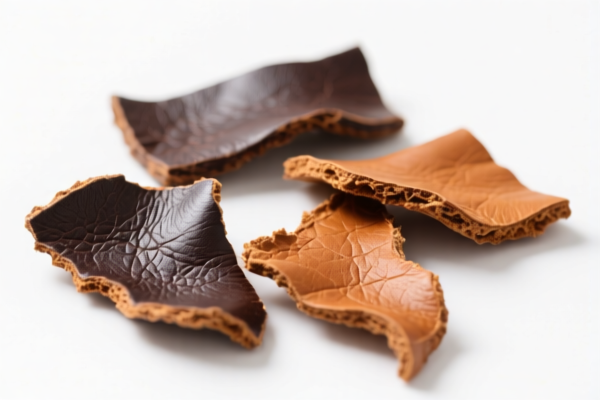
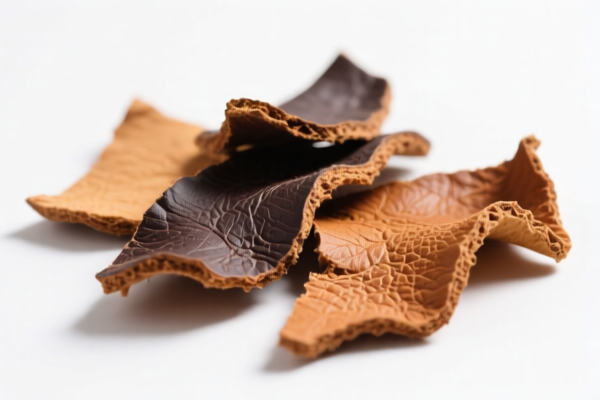
Dried coconut meat, commonly known as desiccated coconut or copra, is the solid white kernel of the coconut fruit that has been grated, dried, and processed for food use. In international trade, it is strictly categorized based on its processing state:
- Unprocessed Dried Coconut (HS 1804.10): Raw, dried kernels that may be broken into pieces but have not been roasted, toasted, or otherwise cooked. It retains its raw nutritional profile and pale white color.
- Processed Dried Coconut (HS 1804.20): Dried kernels that have been roasted, toasted, fried, or otherwise prepared. This changes the flavor, aroma, and often the color (golden-brown), making it ready for direct consumption or specific culinary applications.
⚠️ Critical Distinction Point:
- If the coconut is simply dried and broken → It is "Unprocessed" → HS 1804.10
- If the coconut has been roasted/toasted/cooked → It is "Prepared" → HS 1804.20
- Note: The key is the thermal treatment. No heat = 1804.10. Heat applied = 1804.20.
📦 2. HS Code Classification Details (2026 Tariff Authority)
| HS Code | Product Description | Applicable Scenario | Processing State |
|---|---|---|---|
1804.10 |
Dried coconut meat, whether or not broken, not roasted or otherwise prepared | Raw desiccated coconut, baking ingredients, bulk raw material | ❌ No Roasting/Preparation |
1804.20 |
Dried coconut meat, whether or not broken, roasted or otherwise prepared | Roasted coconut flakes, toasted coconut, ready-to-eat snacks | ✅ Yes Roasted/Prepared |
🔍 Key Reminder:
- Misclassification Risk: Labeling roasted coconut as "dried coconut" (1804.10) can lead to customs delays or penalties if the product clearly shows signs of roasting (color change, aroma).
- Preparation Definition: "Otherwise prepared" includes any treatment that alters the nature of the raw dried meat, such as salting, sweetening, or coating, though simple drying is not considered "preparation."
💰 3. 2026 Latest Tariff Rate Analysis (Including Surcharges & Policies)
✅ Applicable Country: United States (US)
✅ Origin: China (CN)
✅ Effective Time: Post-November 10, 2025 (Including subsequent imports)⚠️ Tax Data Note:
The provided data source indicates:
"tax_detail": "Failed to retrieve tax information"
"total_tax": "Error"Implication:
- Automated retrieval failed for specific duty rates.
- Do NOT rely on default 0% or generic rates.
- Action Required: You MUST verify the current duty rate via the USITC (United States International Trade Commission) database or consult a licensed customs broker, as rates for agricultural products can vary based on trade agreements (e.g., Section 301 tariffs may apply).
- General Baseline Estimate: Historically, coconut products have moderate MFN (Most Favored Nation) duties (often 0-5%), but US-China trade tensions may impose additional Section 301 tariffs (e.g., +25%) on certain food categories. Assume high risk until confirmed.
🎯 1. 1804.10 —— Raw Dried Coconut Meat (Unprocessed)
| Item | Content |
|---|---|
| Base Duty Rate | Pending Verification (Likely 0-5% MFN, but subject to Section 301) |
| Section 301 Surcharge | Likely +25% (Check HS 1804.10 in USITC Section 301 List) |
| Total Estimated Rate | Up to 30% (If Section 301 applies) |
| Calculation Basis | CIF Value × Total Rate |
| De Minimis Exemption | ❌ Not Applicable (Food items often excluded or low threshold) |
| Legal Path | USITC:1804.10 → Section 301 List Check |
📌 Explanation:
- Raw coconut is a raw agricultural product.
- Critical: Under current US-China trade policies, many agricultural commodities are exempt from Section 301, but processed ones might be targeted. However, roasted coconut (1804.20) is more likely to be scrutinized as a "processed food" item.
- Do not assume 0% duty. Verify with a broker.
🎯 2. 1804.20 —— Roasted/Prepared Dried Coconut
| Item | Content |
|---|---|
| Base Duty Rate | Pending Verification (Likely 0-5% MFN) |
| Section 301 Surcharge | Likely +25% (Check HS 1804.20 in USITC Section 301 List) |
| Total Estimated Rate | Up to 30% (If Section 301 applies) |
| Calculation Basis | CIF Value × Total Rate |
| De Minimis Exemption | ❌ Not Applicable |
| Legal Path | USITC:1804.20 → Section 301 List Check |
📌 Note:
- Roasted coconut is considered more "processed."
- Some roasted nuts and seeds have been subject to additional tariffs.
- Risk: Higher scrutiny for food safety (FDA) + Tariffs.
🛠️ 4. Customs Clearance Practical Advice (Avoid Pitfalls)
✅ 1. Documentation Checklist (Non-Negotiable)
| Document | Required | Explanation |
|---|---|---|
| ✅ Commercial Invoice | ✔️ | Must clearly state "Dried Coconut Meat" and specify "Raw" or "Roasted". |
| ✅ Packing List | ✔️ | Detail net weight, gross weight, and packaging type. |
| ✅ Certificate of Origin (CO) | ✔️ | Essential for proving origin (China) and checking for FTA benefits (e.g., if shipped from Vietnam instead). |
| ✅ FDA Prior Notice | ✔️ | Mandatory for all food imports into the US. Submit before arrival. |
| ✅ FDA Facility Registration | ✔️ | Foreign facility must be registered with FDA. |
| ✅ Phytosanitary Certificate | ✔️ | Required for agricultural products to prove freedom from pests. |
| ✅ Product Labeling | ✔️ | Must comply with US FDA labeling (ingredients, allergens, nutrition facts). |
✅ 2. Declaration Tips (Key Mantra)
🔥 "Be Precise: Raw or Roasted? Name It Right, Avoid the Fight!"
| Scenario | Correct Declaration | Wrong Practice |
|---|---|---|
| Raw Desiccated Coconut | HS 1804.10 + Description: "Dried Coconut, Unroasted" |
Calling it "Roasted Coconut" → HS 1804.20 → Potential Surcharge |
| Roasted Coconut Flakes | HS 1804.20 + Description: "Roasted Coconut, Food Grade" |
Calling it "Raw Coconut" → HS 1804.10 → Misclassification Penalty |
| Coconut Milk Powder | NOT HS 1804 (It's a different product) | Confusing with dried meat → Rejection |
✅ 3. Special Cases & FDA Compliance
| Situation | Handling Advice |
|---|---|
| OEM/Private Label | Ensure the US Agent is listed on FDA registration. |
| Allergen Warning | Coconut is a Tree Nut. Must label "Contains: Coconut" per FDA guidelines. |
| Pesticide Residues | US FDA tests for pesticides. Ensure compliance with US tolerance levels. Provide lab tests. |
| Mold/Aflatoxin | Dried coconut is prone to mold. Provide Aflatoxin Test Report. High risk of rejection if超标. |
🌍 5. Global Market Comparison (2026 Latest)
| Country/Region | Recommended HS Code | Estimated Duty | Key Requirement | Notes |
|---|---|---|---|---|
| 🇺🇸 USA | 1804.10 / 1804.20 |
Verify (0-30%) | FDA Prior Notice, Phytosanitary | High Scrutiny on food safety. Section 301 may apply. |
| 🇨🇳 China | 0813.40 (Coconut) |
~10-15% | CIQ Inspection | Standard agricultural import rules. |
| 🇪🇺 EU | 0813.40 |
0-5% | Traceability, Labeling | Strict on pesticide residues. |
| 🇦🇺 Australia | 0813.40 |
5% | Biosecurity Import Permit | Very Strict biosecurity checks. |
📌 Conclusion:
- USA is the most complex due to FDA + Tariff uncertainty.
- Always verify Section 301 applicability for HS 1804.10 and 1804.20.
- FDA compliance is non-negotiable.
📌 6. Common Errors & Pitfalls (Lessons Learned)
❌ Error 1: Calling "Roasted Coconut" as "Dried Coconut" to avoid higher scrutiny.
👉 Consequence: Customs may detect roasting (color/smell) → Penalty + Rejection.
❌ Error 2: Missing FDA Prior Notice.
👉 Consequence: Detained at Port → Demurrage costs → Rejection/Return.
❌ Error 3: Ignoring Aflatoxin/Mold risks.
👉 Consequence: Shipment Rejected by FDA → Total loss of goods.
❌ Error 4: Assuming 0% duty for "raw" agricultural products.
👉 Consequence: Underpayment of Tariffs → Lien on Entry + Back Taxes + Penalties.
✅ Correct Practice:
"Desiccated Coconut, Raw, 100% Natural, No Additives, For Food Use, FDA Compliant"
OR
"Roasted Desiccated Coconut, Toasted, Golden Color, Food Grade"
🎯 7. Conclusion: Professional Declaration, Safe Clearance, Cost Control!
🎯 Remember the Mantra:
🔹 "Raw is 1804.10, Roasted is 1804.20. Check Section 301, Avoid the Trouble!"
🔹 "FDA First, Then Tariffs. No Prior Notice, No Entry!"
📌 Pro Tip:
- If your dried coconut is shipped from Vietnam, Philippines, or Indonesia, it may have different tariff implications (e.g., no Section 301 if origin is non-China).
- Always request a CO (Certificate of Origin) to optimize tariff benefits.
- Consult a Customs Broker to confirm the exact Section 301 status for HS 1804.10 and 1804.20 before shipping.
📣 Immediate Action:
📞 Contact your Customs Broker + Provide Product Samples + Verify FDA Registration
🚀 Ensure Smooth Clearance, Compliance, and Profitability!
✨ Professional Clearance Starts with Accurate Classification!
💼 Every Penny Saved is a Penny Earned!
用户评价
关于 HS 编码归类
协调制度(HS)是由世界海关组织(WCO)制定的国际贸易商品分类标准。全球 200 多个国家采用 HS 系统作为海关关税、贸易统计和进出口监管的基础。
每个 HS 编码遵循以下层级结构:
- 章(2 位)——商品大类(例如:第 84 章:机器和机械设备)
- 品目(4 位)——章内的更具体分类
- 子目(6 位)——国际通用细分,所有 WCO 成员国统一使用
- 本国细分(8-10 位)——各国自行扩展的细分编码,如美国 HTSUS 10 位编码
正确的 HS 编码归类对于顺利通关、准确缴纳关税和遵守贸易法规至关重要。错误归类可能导致海关延误、多缴关税或罚款。
从CN进口到US时,适用的关税税率可能包括:
- 最惠国(MFN)税率——适用于 WTO 成员国的标准关税税率
- 普通税率——适用于无贸易协定国家
- 贸易救济关税——附加关税,如 301 条款(反倾销)、232 条款(国家安全)或反补贴税
本页内容仅供参考。如需正式归类,请咨询当地海关或持牌报关代理。