Dry Buffalo Shoe Upper Leather
CN → US| HS编码 | 关税税率 | 原产国 | 目的国 | 文档 |
|---|---|---|---|---|
| 4104411020 | 35.0% | CN | US | 官方文档 |
| 4107116010 | 13.3% | CN | US | 官方文档 |
| 4107111020 | 35.0% | CN | US | 官方文档 |
| 4104114010 | 15.0% | CN | US | 官方文档 |
| 4107196050 | 15.0% | CN | US | 官方文档 |
商品图片
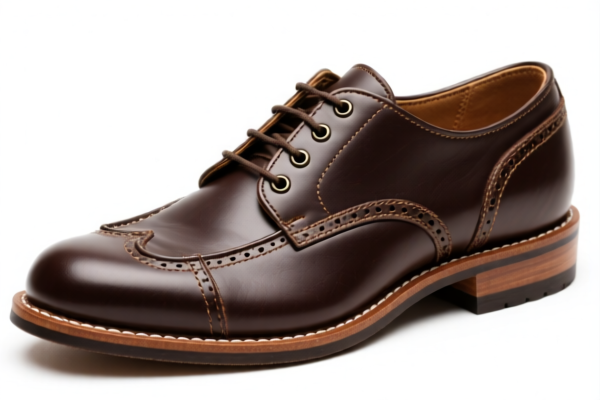
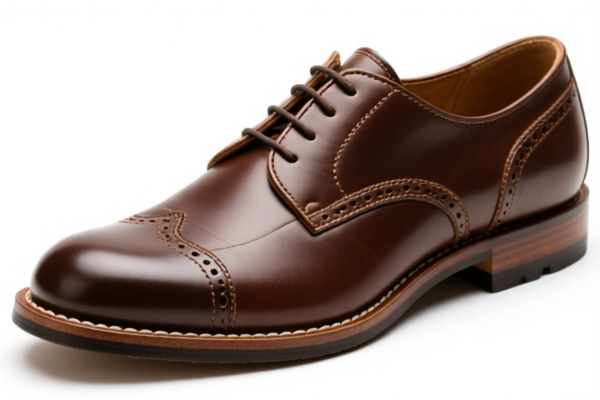
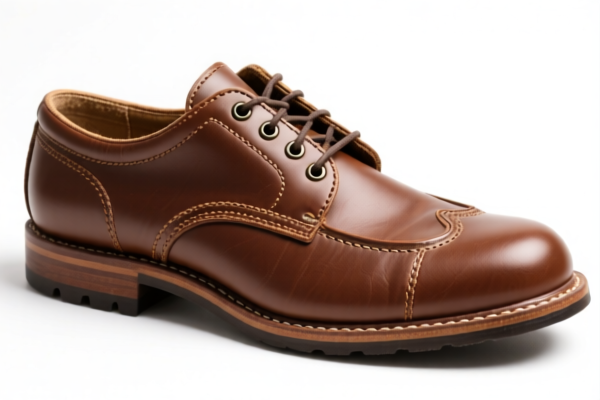
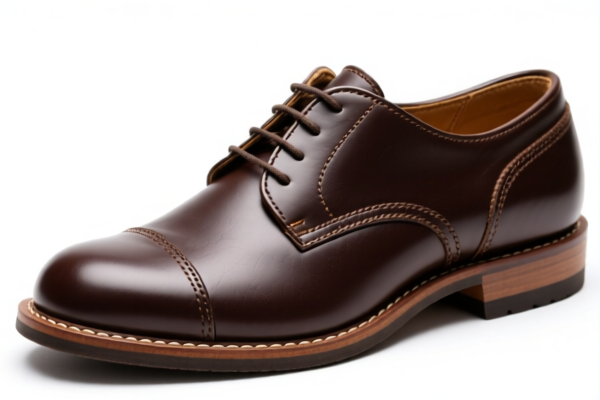
AI分析
🐂 Dry Buffalo Shoe Upper Leather
🌐 HS Code Reference & Clearance Guide | 2026 Latest Tariff Analysis | Professional Clearance Strategy
📌 1. Product Definition & Classification: Do You Really Understand "Shoe Upper Leather"?
Dry Buffalo Shoe Upper Leather refers to leather derived from buffalo hides, specifically tanned or processed for use in the upper part of footwear. In international trade, the classification depends heavily on the tanning process, surface finish, and specific anatomical portion of the hide used.
According to the provided , four distinct HS Codes are identified for matching this product, ranging from 13.3% to 35.0% total tax depending on the specific processing characteristics (e.g., split vs. full-grain, shoe upper vs. sole).
⚠️ Key Distinction Points:
- Shoe Upper vs. Sole: If the leather is specifically for the upper part of the shoe, it generally falls under Chapter 41.07 or 41.04. If it is for the sole, it falls under 41.07.19.
- Tanning & Finish: "Full-grain" or "Split" characteristics influence the sub-heading (e.g., 41.04 vs. 41.07).
- US Tariffs: All identified codes trigger significant US additional tariffs (Section 301 + Section 122/IEEPA).
📦 2. HS Code Classification Details (2026 Latest Tariff Authority Cross-Reference)
Based on the provided , here are the four matched HS Codes for Dry Buffalo Shoe Upper Leather. Please note that while the product name is the same, the specific characteristics (full-grain, split, sole vs. upper) dictate the final code.
| HS Code | Product Description | Application Scenario | Key Classification Feature | Total Tax Rate |
|---|---|---|---|---|
4104.41.10.20 |
Cow/Bovine Shoe Upper Leather | Full-grain or Split Grain | Matches "Full-grain/Granite Split" characteristics | 35.0% |
4107.11.60.10 |
Bovine Leather Shoe Upper | General Shoe Upper | No material or form conflict; matches "Shoe Upper" perfectly | 13.3% |
4107.11.10.20 |
Cowhide Face Leather | Face Leather / Upper | No conflict in material or form; generic upper usage | 35.0% |
4107.19.60.50 |
Water Buffalo Sole Leather | Sole Leather (Note: Specific to Sole) | Matches "Water Buffalo Sole" definition | 15.0% |
4104.11.40.10 |
Bovine Shoe Upper Leather | Shoe Upper Leather Form | Matches "Shoe Upper Leather" form classification | 15.0% |
🔍 Critical Reminder:
- Code4107.11.60.10(13.3%) appears to be the most cost-effective option for general shoe uppers if the leather meets the specific sub-category requirements.
- Codes4104.41.10.20and4107.11.10.20(35.0%) are significantly higher, likely due to stricter "Full-Grain" or specific "Split" classifications that trigger higher Section 301 tariffs.
- Code4107.19.60.50is specific to Sole Leather. If your product is Upper leather, do not use this code unless it is misclassified, as it creates a form conflict.
- Code4104.11.40.10(15.0%) is another competitive option for "Shoe Upper Leather" with a lower total tax burden.
💰 3. 2026 Latest Tariff Rate Details (Including Surcharges & Policy Add-ons)
✅ Applicable Country: United States (US)
✅ Origin: China (CN) (Implied by "122 Clause" and typical 10% IEEPA/Special tariffs in data)
✅ Effective Time: Current applicable rates as per
🎯 1. 4104.41.10.20 & 4107.11.10.20 —— High-Tariff Upper Leather (35.0%)
| Item | Detail |
|---|---|
| Base Tariff | 0.0% (ad valorem) |
| Section 301 Surcharge | +25.0% (Additional Tariff) |
| Section 122 / IEEPA | +10.0% (Special Clause Tariff) |
| Total Tax Rate | 35.0% |
| Tax Calculation | CIF Value × 35% |
| De Minimis Exemption | ❌ Not Applicable (High risk of scrutiny) |
| Legal Basis Path | USITC:4104.41.10.20 / 4107.11.10.20 → Section 301: 25% → Section 122/IEEPA: 10% |
📌 Explanation:
- The 35.0% total tax is driven by the 25% Section 301 tariff plus a 10% additional surcharge (often associated with specific trade remedies or "122 Clause" measures).
- This rate applies to leather classified under Heading 41.04 or specific sub-headings of 41.07 that do not qualify for lower base rates or exemptions.
- High Cost Alert: This is the most expensive category. Justify the classification carefully to avoid this if possible.
🎯 2. 4107.11.60.10 —— Optimized Upper Leather (13.3%)
| Item | Detail |
|---|---|
| Base Tariff | 3.3% |
| Section 301 Surcharge | 0.0% |
| Section 122 / IEEPA | +10.0% |
| Total Tax Rate | 13.3% |
| Tax Calculation | CIF Value × 13.3% |
| De Minimis Exemption | ❌ Not Applicable (Still subject to additional tariffs) |
| Legal Basis Path | USITC:4107.11.60.10 → Base: 3.3% → IEEPA: 10% |
📌 Key Advantage:
- 0% Section 301 Surcharge: This is a crucial differentiator. If the leather qualifies under4107.11.60.10, it avoids the 25% penalty, saving 21.7% in total tax compared to the 35% codes.
- Eligibility: Ensure the leather is classified as "Bovine Leather" (including Buffalo, if legally grouped under Bovine in this subheading) and meets the "Shoe Upper" definition strictly.
🎯 3. 4104.11.40.10 & 4107.19.60.50 —— Moderate Tariff Options (15.0%)
| Item | Detail |
|---|---|
| Base Tariff | 5.0% |
| Section 301 Surcharge | 0.0% |
| Section 122 / IEEPA | +10.0% |
| Total Tax Rate | 15.0% |
| Tax Calculation | CIF Value × 15% |
| De Minimis Exemption | ❌ Not Applicable |
📌 Comparison:
-4104.11.40.10(15.0%): A strong alternative if4107.11.60.10is not applicable. It has a higher base tariff (5.0%) but no Section 301 surcharge.
-4107.19.60.50(15.0%): Specific to Sole Leather. Use only if the product is definitively for soles, not uppers. Misclassification here can lead to severe penalties.
🛠️ 4. Clearance Practical Advice (Real-World Pitfall Avoidance Guide)
✅ 1. Documentation Checklist (Must-Haves)
| Document | Required | Description |
|---|---|---|
| ✅ Product Specification Sheet | ✔️ | Must clearly state: Material (Buffalo), Tanning Method, Finish (Full-Grain/Chrome), Intended Use (Shoe Upper). |
| ✅ Technical Data Sheet (TDS) | ✔️ | Shows thickness, tensile strength, and flexibility to prove "Shoe Upper" suitability. |
| ✅ Photos (Front/Back/Cross-section) | ✔️ | Must show the grain side and flesh side. Crucial for distinguishing "Full-Grain" vs. "Split". |
| ✅ Commercial Invoice | ✔️ | Must use precise description: "Dry Buffalo Leather for Shoe Upper, Not for Sole". Avoid vague terms like "Animal Skin". |
| ✅ Packing List | ✔️ | Consistent with Invoice. |
| ✅ Certificate of Origin | ✔️ | Required for tariff calculation and compliance. |
✅ 2. Declaration Tips (Critical Mnemonic)
🔥 "Upper vs. Sole, Split vs. Grain, Tax Saves Half!"
| Scenario | Correct HS Code | Incorrect Code | Consequence |
|---|---|---|---|
| General Shoe Upper Leather | 4107.11.60.10 (13.3%) or 4104.11.40.10 (15.0%) |
4104.41.10.20 (35.0%) |
Paying 20%+ extra tax unnecessarily |
| Full-Grain/Split Upper | 4104.41.10.20 (35.0%) |
4107.11.60.10 (13.3%) |
Risk of misclassification if specs don't match |
| Sole Leather | 4107.19.60.50 (15.0%) |
4107.11.60.10 (13.3%) |
Customs rejection if product is clearly a sole |
| Vague Description | N/A | "Leather for Shoes" | Audit flag, delay, potential re-classification & penalties |
✅ 3. Special Case Handling
| Scenario | Advice |
|---|---|
| Buffalo vs. Cowhide | Ensure the HS Code description allows "Bovine" to include Buffalo. 4107 often covers Bovine leather. If 4104 is required for specific finishes, check if Buffalo is explicitly included. |
| Split vs. Full-Grain | If the leather is a "Split" (second layer), it may fall under different sub-headings than "Full-Grain". 4104.41.10.20 mentions "Granite Split" (likely a translation artifact for Split Grain). Verify this with lab tests. |
| OEM Custom Leather | Provide the buyer's technical specs to justify the intended use (Upper vs. Sole). |
🌍 5. Global Market Clearance Comparison (2026 Latest)
| Country/Region | Recommended HS Code | Tariff | Certification | Note |
|---|---|---|---|---|
| 🇺🇸 USA | 4107.11.60.10 |
13.3% | N/A | Lowest US rate if eligible. Avoid 35% codes. |
| 🇨🇳 China | 4107.11.60.10 |
5-7% | N/A | Lower import duty for raw/semi-finished leather. |
| 🇪🇺 EU | 4107.11.60.10 |
6.5% | REACH | No Section 301 equivalent, but environmental checks. |
| 🇬🇧 UK | 4107.11.60.10 |
6.5% | N/A | Post-Brexit tariff schedule aligns with EU. |
📌 Conclusion:
- USA is the most expensive market due to Section 301 and IEEPA/122 tariffs.
- Target4107.11.60.10(13.3%) or4104.11.40.10(15.0%) to avoid the 35.0% pitfall.
- Ensure your technical documentation proves the leather is suitable for uppers and not soles, and matches the tanning/finish profile of the chosen code.
📌 6. Common Errors & Pitfalls (Blood Lessons)
❌ Error 1: Declaring "Shoe Upper Leather" as 4104.41.10.20 (35%) when 4107.11.60.10 (13.3%) is applicable.
👉 Consequence: Overpaying 21.7% in tariffs.
👉 Fix: Check if the leather is "Bovine" (includes Buffalo) and meets the specific sub-heading for 4107.11.60.
❌ Error 2: Using 4107.19.60.50 (Sole Leather) for Upper Leather.
👉 Consequence: Customs Rejection/Seizure. Product form mismatch.
👉 Fix: Strictly separate "Upper" and "Sole" declarations.
❌ Error 3: Vague description "Buffalo Leather".
👉 Consequence: High Audit Risk. Customs will guess the highest possible tariff (35%).
👉 Fix: Use precise terms: "Dry Tanned Buffalo Leather, Split Grain, for Shoe Upper Application".
✅ Correct Practice:
"Buffalo Leather, Dry Tanned, Split/Full-Grain, for Shoe Upper, Not for Sole, Model XYZ, TDS Attached"
🎯 7. Conclusion: Professional Declaration, Cost Savings!
🎯 Remember the Mnemonic:
🔹 "Upper vs. Sole, Check the Code; 13.3% vs. 35%, Save Big on the Ride!"
🔹 "HS Code 4107.11.60.10 is the Sweet Spot; Avoid 4104.41 unless Mandatory!"
📌 Pro Tip:
If your Buffalo leather can be classified under 4107.11.60.10, you save 21.7% in taxes compared to the 35% bracket. Invest in accurate technical documentation to support this classification.
Consider applying for an Advance Ruling from US Customs (CBP) if the classification is borderline, to ensure compliance and predictability.
📣 Immediate Action:
📞 Contact your customs broker with the Product Specification Sheet.
📝 Request classification under4107.11.60.10(13.3%) or4104.11.40.10(15.0%).
🚀 Optimize your supply chain and maximize profit margins with precise tariff management!
✨ Professional Clearance Starts with Accurate Classification!
💼 Every Percent Saved is Pure Profit!
用户评价
关于 HS 编码归类
协调制度(HS)是由世界海关组织(WCO)制定的国际贸易商品分类标准。全球 200 多个国家采用 HS 系统作为海关关税、贸易统计和进出口监管的基础。
每个 HS 编码遵循以下层级结构:
- 章(2 位)——商品大类(例如:第 84 章:机器和机械设备)
- 品目(4 位)——章内的更具体分类
- 子目(6 位)——国际通用细分,所有 WCO 成员国统一使用
- 本国细分(8-10 位)——各国自行扩展的细分编码,如美国 HTSUS 10 位编码
正确的 HS 编码归类对于顺利通关、准确缴纳关税和遵守贸易法规至关重要。错误归类可能导致海关延误、多缴关税或罚款。
从CN进口到US时,适用的关税税率可能包括:
- 最惠国(MFN)税率——适用于 WTO 成员国的标准关税税率
- 普通税率——适用于无贸易协定国家
- 贸易救济关税——附加关税,如 301 条款(反倾销)、232 条款(国家安全)或反补贴税
本页内容仅供参考。如需正式归类,请咨询当地海关或持牌报关代理。