Drying Rope
CN → US| HS编码 | 关税税率 | 原产国 | 目的国 | 文档 |
|---|---|---|---|---|
| 7326200090 | 88.9% | CN | US | 官方文档 |
| 7326908688 | 87.9% | CN | US | 官方文档 |
| 5607493000 | 38.6% | CN | US | 官方文档 |
| 5607491000 | 37.7% | CN | US | 官方文档 |
| 7326908688 | 87.9% | CN | US | 官方文档 |
商品图片
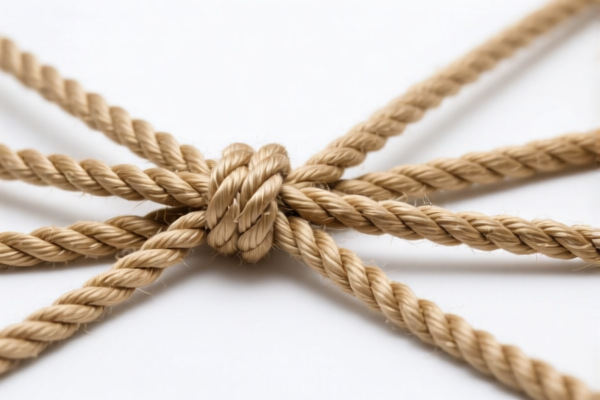
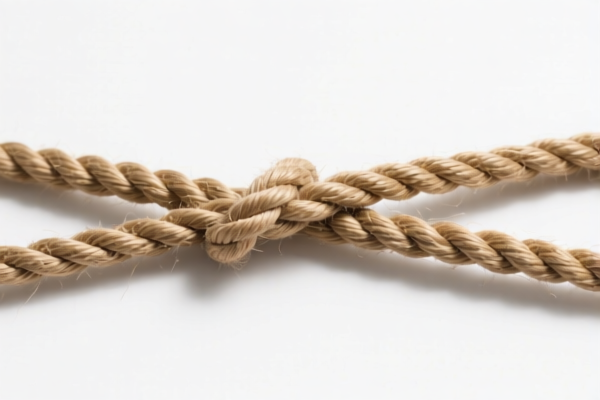
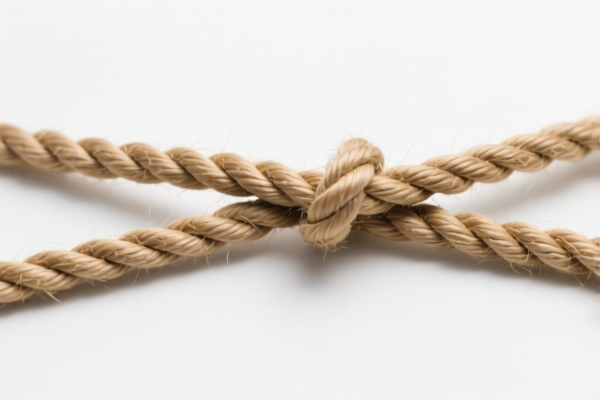

AI分析
🧺 Drying Rope (Clotheslines)
🌐 HS Code Reference & Customs Clearance Guide | 2026 Latest Tariff Breakdown | Professional Clearance Strategy
📌 I. Product Definition & Classification: What Exactly is a "Drying Rope"?
Drying ropes, commonly known as clotheslines, are essential household items used for air-drying laundry. In international trade, they are strictly categorized by their material composition. The primary distinction lies between metallic materials (steel/wire) and synthetic polymers (plastic). This distinction drastically affects the HS Code classification and, consequently, the tariff burden.
1. Metallic Drying Ropes/Rods (Iron/Steel):
These are made from iron or steel wires. They are classified under Chapter 73 (Articles of Iron or Steel).
Key Characteristic: High durability, corrosion-resistant coatings (often), metallic strength.
2. Synthetic/Plastic Drying Ropes (Polyethylene/Polypropylene):
These are made from woven or twisted plastics. They are classified under Chapter 56 (Tarred, Gimped or Plated Cordage; Rope, Cable and Plaited Bands).
Key Characteristic: Lightweight, flexible, resistant to rust, often coated with plastic.
⚠️ Critical Distinction:
- If the product is metal (even if coated) → It falls under 7326.
- If the product is plastic/cordage → It falls under 5607.
- Misclassification can lead to significant tax discrepancies due to the different additional tariffs applied to steel/plastic products.
📦 II. HS Code Classification Details (2026 Latest Tariff Authority Reference)
Based on the provided data, here are the four possible HS Codes for Drying Ropes, depending on the material and specific sub-category.
| HS Code | Product Description | Material | Applicable Scenario | Total Tax Rate (CN Origin to US) |
|---|---|---|---|---|
7326.20.00.90 |
Drying Rope | Iron or Steel Wire | Metallic ropes, high-strength wire lines | 88.9% |
7326.90.86.88 |
Drying Rope | Iron or Steel | Other iron/steel articles (general metal) | 87.9% |
5607.49.30.00 |
Drying Rope | Polyethylene (PE) or Polypropylene (PP) | Plastic-coated ropes, synthetic cordage | 38.6% |
5607.49.10.00 |
Drying Rope | Polyethylene (PE) or Polypropylene (PP) | Rope articles, general plastic cords | 37.7% |
🔍 Key Observation:
- Metallic ropes (7326) are subject to extremely high tariffs (~88%) due to Section 232 and Section 301 combined duties.
- Plastic ropes (5607) are significantly cheaper (~38%) but still carry heavy附加 duties.
- Drying Rods (Bars/Poles): If the item is a rigid "Drying Rod" (杆) made of iron/steel, it is classified under7326.20.00.20(see below).
🛠️ III. Special Note: Drying Rods (Iron/Steel)
While the user asked for "Rope," many drying systems include Drying Rods (rig bars). These are distinct from flexible ropes.
| HS Code | Product Description | Material | Total Tax Rate |
|---|---|---|---|
7326.20.00.20 |
Drying Rod (Bar/Pole) | Iron or Steel | 88.9% |
📌 Explanation:
- "Rod" or "Bar" implies a rigid structure, not a flexible rope.
- It falls under the same high-tax bracket as metallic drying ropes (7326.20.00.90).
- Do not confuse "Rope" (flexible) with "Rod" (rigid) in customs declarations.
💰 IV. 2026 Latest Tariff Rate Breakdown (Detailed Tax Clauses)
✅ Applicable Country: USA (US)
✅ Origin: China (CN)
✅ Effective Date: Current active tariffs
🎯 1. Metallic Category: 7326.20.00.90 & 7326.20.00.20
(Includes Drying Ropes (Wire) and Drying Rods (Iron/Steel))
| Item | Detail |
|---|---|
| Base Tariff (MFN) | 3.9% |
| Section 301 Tariff | 25.0% |
| Section 122 Tariff | 10.0% |
| Section 232 Tariff (Steel/Aluminum/Copper) | 50.0% |
| Total Tax Rate | 88.9% |
| Calculation Base | CIF Value × 88.9% |
| De Minimis Exemption | ❌ Not Applicable (High value risk) |
📌 Explanation:
- 88.9% is the cumulative burden.
- 50% comes from Section 232 (National Security tariffs on Steel/Aluminum).
- 25% comes from Section 301 (Trade War tariffs).
- 10% comes from Section 122 (Specific product tariffs).
- 3.9% is the standard WTO base rate.
- Result: This is one of the highest tax brackets for consumer goods from China.
🎯 2. Other Metallic Category: 7326.90.86.88
(Other Articles of Iron or Steel, e.g., generic metal drying rope not covered by 7326.20)
| Item | Detail |
|---|---|
| Base Tariff (MFN) | 2.9% |
| Section 301 Tariff | 25.0% |
| Section 122 Tariff | 10.0% |
| Section 232 Tariff (Steel/Aluminum/Copper) | 50.0% |
| Total Tax Rate | 87.9% |
| Calculation Base | CIF Value × 87.9% |
📌 Explanation:
- Slightly lower than7326.20because the base MFN rate is 2.9% vs 3.9%.
- Still extremely high due to the same additive tariffs (25% + 10% + 50%).
🎯 3. Plastic/Synthetic Category: 5607.49.30.00
(Drying Rope, Polyethylene or Polypropylene)
| Item | Detail |
|---|---|
| Base Tariff (MFN) | 3.6% |
| Section 301 Tariff | 25.0% |
| Section 122 Tariff | 10.0% |
| Section 232 Tariff | 0% (Not Steel/Aluminum) |
| Total Tax Rate | 38.6% |
| Calculation Base | CIF Value × 38.6% |
📌 Explanation:
- No 50% Section 232 tariff applies because the material is plastic, not steel.
- Total tax is 38.6%, which is significantly more competitive than the ~88% for metal.
🎯 4. Other Plastic Category: 5607.49.10.00
(Rope Articles, Polyethylene or Polypropylene)
| Item | Detail |
|---|---|
| Base Tariff (MFN) | 2.7% |
| Section 301 Tariff | 25.0% |
| Section 122 Tariff | 10.0% |
| Section 232 Tariff | 0% |
| Total Tax Rate | 37.7% |
| Calculation Base | CIF Value × 37.7% |
📌 Explanation:
- The most favorable tariff for plastic drying ropes.
- Base rate is only 2.7%.
- Total Tax: 37.7%.
🛠️ V. Customs Clearance Practical Advice (Pitfall Avoidance)
✅ 1. Preparation Checklist (Non-negotiable)
| Document | Required? | Note |
|---|---|---|
| ✅ Product Specs | ✔️ | Must specify Material (Steel, Iron, PE, PP). This is the #1 factor for HS Code. |
| ✅ Photos | ✔️ | Show cross-section if possible to confirm plastic vs. metal. |
| ✅ Commercial Invoice | ✔️ | Clearly state "Drying Rope, Plastic, PE" or "Drying Rope, Steel Wire". |
| ✅ Material Declaration | ✔️ | Explicitly declare "Polyethylene" or "Iron/Steel". Avoid vague terms like "Cord". |
| ✅ Coating Info | ✔️ | If plastic rope has metal core, it may be classified as steel (higher tax). |
✅ 2. Classification Strategy
| Scenario | Recommended HS Code | Tax Rate | Why? |
|---|---|---|---|
| Plastic-Coated Wire Rope | ❌ Avoid if possible | ~88.9% | If it contains steel wire, it's likely classified under 7326. |
| Pure Plastic Rope (PE/PP) | 5607.49.10.00 |
37.7% | Lowest tax for rope. Ensure no metal core. |
| Steel Wire Rope | 7326.20.00.90 |
88.9% | Unavoidable high tax for steel. |
| Drying Rod (Bar) | 7326.20.00.20 |
88.9% | Rigid metal items are taxed heavily. |
🔥 Golden Rule:
"Material is King!"
- If you can replace steel ropes with plastic/nylon ropes, you save ~50% in tariffs.
- Always verify if the "rope" has a metal core. If yes, it falls under Chapter 73 (Metal), not Chapter 56 (Textile/Cordage).
✅ 3. Special Cases
| Case | Advice |
|---|---|
| Set with Hooks | If sold with plastic hooks, the whole set may still be classified as rope if hooks are minor. If hooks are metal, risk of metal classification increases. |
| Reel/Spool | If the rope is sold with a wind-up reel, ensure the reel material is declared. Plastic reels are safer. |
| OEM Custom | Provide exact material breakdown. If "Galvanized Steel," it's still steel. |
🌍 VI. Global Market Comparison (2026)
| Market | Recommended HS Code (Plastic) | Tax Rate (CN Origin) | Notes |
|---|---|---|---|
| 🇺🇸 USA | 5607.49.10.00 |
37.7% | High Section 301 + 122 tariffs apply. |
| 🇺🇸 USA (Steel) | 7326.20.00.90 |
88.9% | Avoid if possible. |
| 🇪🇺 EU | 5607.49 |
Varies (0-5%) | No Section 301/122. Much lower taxes. |
| 🇨🇳 China (Export) | - | - | Export duty may apply. |
📌 Conclusion:
- USA is the most expensive market for Drying Ropes due to layered tariffs.
- Plastic ropes (5607) are significantly more cost-effective than Steel ropes (7326) for US imports.
📌 VII. Common Errors & Pitfalls (Lessons Learned)
❌ Error 1: Declaring "Steel Core Plastic Rope" as "Plastic Rope"
👉 Consequence: Customs audits reveal steel core → Reclassified to 7326 → Tax jumps from 37.7% to 88.9% + Penalties!
❌ Error 2: Using "Cordage" instead of "Drying Rope"
👉 Consequence: Ambiguity leads to manual examination → Delays and potential misclassification.
❌ Error 3: Confusing "Drying Rod" (Bar) with "Drying Rope"
👉 Consequence: Different HS Code sub-headings. Both are high tax for steel, but specific descriptors matter for accuracy.
✅ Correct Declaration Example:
"Drying Rope, 10m Length, Material: 100% Polyethylene (PE), Color: White, For Household Laundry Use, No Metal Core."
🎯 VIII. Conclusion: Smart Classification Saves Money
🎯 Key Takeaway:
🔹 Plastic (PE/PP) Drying Ropes = 37.7% Tax
🔹 Steel/Iron Drying Ropes/Rods = 88.9% Tax
🔹 Difference = 51.2% Tax Savings!🚀 Action Plan:
1. Check Material: Is it 100% plastic? Use5607.49.10.00.
2. Avoid Steel: If possible, switch to plastic ropes for US imports.
3. Declare Clearly: Specify "Polyethylene" or "Iron/Steel" to avoid audit risks.
📣 Immediate Action:
📞 Verify your product's material composition with your manufacturer.
📦 If importing to the US, strongly consider plastic ropes to save over 50% in tariffs.
📝 Update your commercial invoice and packing list with precise material descriptions.
✨ Professional Clearance Starts with Accurate Classification!
💼 Your Profit Margin Depends on the HS Code!
用户评价
关于 HS 编码归类
协调制度(HS)是由世界海关组织(WCO)制定的国际贸易商品分类标准。全球 200 多个国家采用 HS 系统作为海关关税、贸易统计和进出口监管的基础。
每个 HS 编码遵循以下层级结构:
- 章(2 位)——商品大类(例如:第 84 章:机器和机械设备)
- 品目(4 位)——章内的更具体分类
- 子目(6 位)——国际通用细分,所有 WCO 成员国统一使用
- 本国细分(8-10 位)——各国自行扩展的细分编码,如美国 HTSUS 10 位编码
正确的 HS 编码归类对于顺利通关、准确缴纳关税和遵守贸易法规至关重要。错误归类可能导致海关延误、多缴关税或罚款。
从CN进口到US时,适用的关税税率可能包括:
- 最惠国(MFN)税率——适用于 WTO 成员国的标准关税税率
- 普通税率——适用于无贸易协定国家
- 贸易救济关税——附加关税,如 301 条款(反倾销)、232 条款(国家安全)或反补贴税
本页内容仅供参考。如需正式归类,请咨询当地海关或持牌报关代理。