Dust proof Woven Fabric
CN → US| HS编码 | 关税税率 | 原产国 | 目的国 | 文档 |
|---|---|---|---|---|
| 3921901100 | 39.2% | CN | US | 官方文档 |
| 3921901910 | 40.3% | CN | US | 官方文档 |
| 6307909891 | 24.5% | CN | US | 官方文档 |
| 6307908940 | 17.0% | CN | US | 官方文档 |
| 5911900080 | 38.8% | CN | US | 官方文档 |
| 5911400100 | 43.0% | CN | US | 官方文档 |
商品图片
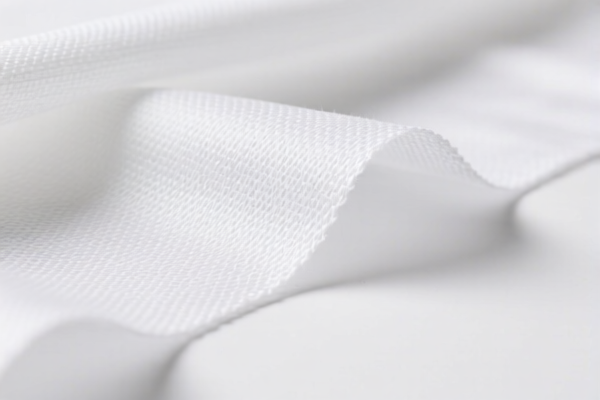
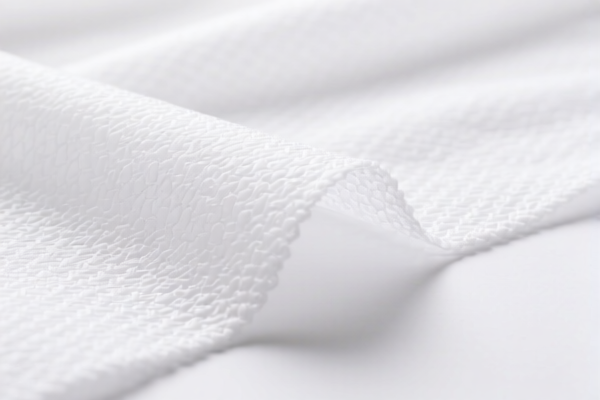
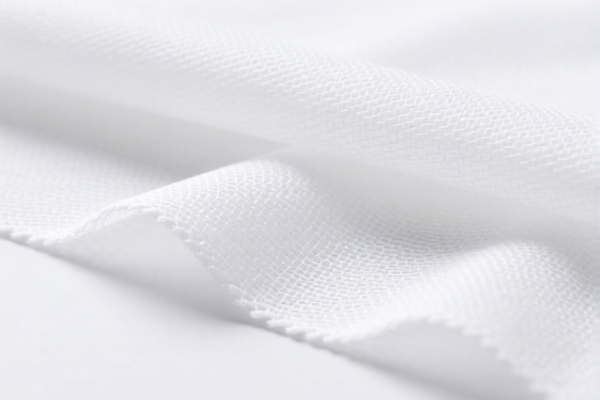
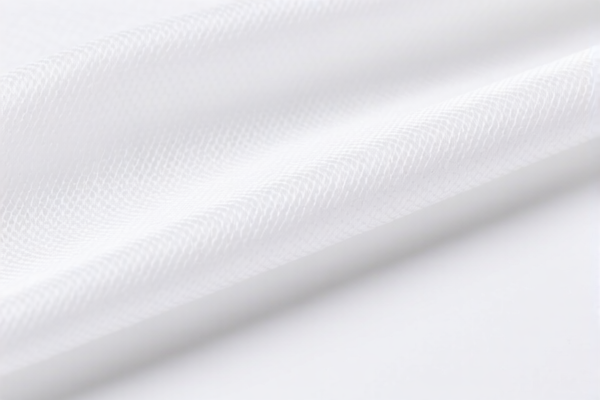
AI分析
🧵 Dust-Proof Woven Fabric (Technical Textiles & Composite Materials)
🌐 HS Code Reference & Customs Clearance Guide | 2026 Latest Tariff Analysis | Professional-Level Strategy
📌 I. Product Definition & Classification: What is "Dust-Proof Woven Fabric"?
"Dust-proof woven fabric" is not a single, static commodity. In international trade, its classification depends entirely on its composition, weight, surface coating, and specific technical application. It generally falls into two major categories:
- Plastic-Textile Composites: Woven fabric laminated or coated with plastic to create a barrier against dust/particles (e.g., protective sheets, industrial covers).
- Pure Technical Textiles: Fabrics designed for filtration, straining, or industrial protection without significant plastic content.
⚠️ Key Distinction Point: - If the fabric is primarily textile but coated/laminated with plastic and weighs ≤ 1.492 kg/m², it likely falls under Chapter 39 (Plastics). - If the fabric is purely textile used for industrial/technical purposes (like filtration or protection), it falls under Chapter 59 (Textile Products). - If it is a general household textile item (like a sheet or cover) not specified for technical use, it may fall under Chapter 63 (Other Made-Up Articles).
📦 II. HS Code Classification Details (2026 Latest Tariff Authority Comparison)
Based on the provided data, here are the specific HS Codes applicable to "Dust-Proof Woven Fabric" variants:
| HS Code | Product Description | Application Scenario | Composition/Key Feature |
|---|---|---|---|
| 3921.90.11.00 | Other plates, sheets, film, foil, and strip, of plastics: Combined with textile materials (≤ 1.492 kg/m²): Man-made fibers predominate, > 70% plastics by weight | Industrial dust covers, protective liners, plastic-coated woven sacks | ✅ Plastic dominant (>70%) + Textile base |
| 3921.90.19.10 | Other plates, sheets, film, foil, and strip, of plastics: Combined with textile materials (≤ 1.492 kg/m²): Vegetable fibers predominate | Natural fiber-based dust barriers, eco-friendly coated fabrics | ✅ Plastic dominant + Vegetable fiber base |
| 5911.40.01.00 | Textile products for technical uses: Filtering or straining cloth (e.g., oil press filters, including human hair) | Industrial filtration systems, dust collectors, straining materials | ✅ Pure textile/technical, no plastic coating |
| 5911.90.00.80 | Textile products for technical uses: Other | General technical textiles (e.g., protective clothing, industrial belts) | ✅ Pure textile, technical function |
| 6307.90.98.91 | Other made-up articles, including dress patterns: Other | General made-up textile articles (e.g., generic dust covers, bags, not specifically technical) | ✅ Finished article, not specialized |
| 6307.90.89.40 | Other made-up articles: Cotton towels, pillow shells, quilt shells (Cotton) | Household textile items (Note: This code is for specific cotton items, likely not applicable for industrial dust-proof fabric unless it's a specific cotton cover) | ✅ Specific cotton item (Use with caution) |
🔍 Critical Reminder: - 6307.90.98.91 is a "catch-all" for other made-up articles. Use this only if the fabric is a finished product (like a sewn bag or cover) and doesn't fit the technical descriptions of Chapter 59 or the composite description of Chapter 39. - 5911 series is for technical use. If your fabric is used for filtration or industrial machinery protection, this is the primary candidate. - 3921 series is for plastic-textile composites. If the fabric is "dust-proof" because it has a plastic coating or lamination, and the plastic content is high (>70%), this is the correct classification.
💰 III. 2026 Latest Tariff Rate Details (Detailed Breakdown)
✅ Applicable Country: United States (US) ✅ Origin: China (CN) ✅ Effective Time: Current tariffs apply (Base + Additional)
🎯 1. Composite Plastic-Textile Products (HS Codes 3921.90.11.00 & 3921.90.19.10)
| Item | Content |
|---|---|
| Base Tariff | 0% (ad valorem) |
| Additional Tariffs | 0% |
| Total Tax Rate | 0.0% |
| Tax Calculation | CIF Value × 0% = $0 |
| De Minimis Exemption | ✅ Yes (If value ≤ $800, no duty applies regardless) |
| Legal Basis | HTSUS 3921.90.11/19; No Section 301 or IEEPA additional duties listed in the provided data. |
📌 Explanation: - These specific subheadings for plastic-textile composites (weighing ≤ 1.492 kg/m²) enjoy 0% total duty. - This is a significant cost advantage for imports of lightweight, plastic-coated woven fabrics. - Note: Ensure the weight does not exceed 1.492 kg/m². If it does, it may fall into a different, potentially taxed, subheading.
🎯 2. Technical Textile Products (HS Codes 5911.90.00.80 & 5911.40.01.00)
| Item | Content |
|---|---|
| Base Tariff | 0% (ad valorem) |
| Additional Tariffs | 0% |
| Total Tax Rate | 0.0% |
| Tax Calculation | CIF Value × 0% = $0 |
| De Minimis Exemption | ✅ Yes (If value ≤ $800, no duty applies) |
| Legal Basis | HTSUS 5911 series; No Section 301 or IEEPA additional duties listed in the provided data. |
📌 Explanation: - Technical textiles for industrial use (filtration, straining, other technical uses) are currently taxed at 0%. - This encourages the import of high-performance industrial fabrics. - Important: You must prove the "technical use" if audited. Keep documentation showing the fabric is used for filtering, straining, or industrial machinery protection.
🎯 3. Other Made-Up Articles (HS Code 6307.90.98.91)
| Item | Content |
|---|---|
| Base Tariff | 7.0% |
| Additional Tariffs | 7.5% |
| Total Tax Rate | 14.5% |
| Tax Calculation | CIF Value × 14.5% |
| De Minimis Exemption | ❌ No (Section 301 duties often apply to made-up articles) |
| Legal Basis | HTSUS 6307.90.98.91; Subject to Base + Additional tariffs. |
📌 Explanation: - If your "dust-proof fabric" is sold as a finished made-up article (e.g., a sewn dust cover) and does not qualify as a technical textile (Chapter 59) or a plastic composite (Chapter 39), it falls here. - 14.5% is a significant cost. Try to classify under 3921 or 5911 if possible, as they are 0%. - Strategy: If the fabric is uncut rolls, argue for Chapter 39 or 59. If it is cut and sewn, argue for technical use (5911) if applicable. Only use 6307 if it’s a generic household item.
⚠️ Note on 6307.90.89.40: This code (Cotton towels/shells) has a 0% tax rate but is likely not applicable to general "dust-proof woven fabric" unless it is specifically a cotton towel or pillow shell. Misclassification here could lead to penalties.
🛠️ IV. Customs Clearance Practical Advice (Real-World Pitfall Avoidance Guide)
✅ 1. Documentation Checklist (Non-Negotiable)
| Document | Must Provide | Explanation |
|---|---|---|
| ✅ Product Specification Sheet | ✔️ | Must detail: Material composition (% cotton, % polyester, % plastic), weight per m², thickness, coating type. |
| ✅ Technical Data Sheet | ✔️ | For 5911/3921: Explain the "technical function" (e.g., dust filtration efficiency, tensile strength, plastic coating percentage). |
| ✅ Product Photos | ✔️ | Show the fabric structure, cross-section (if coated), and end-use (e.g., installed in a machine or covering machinery). |
| ✅ Commercial Invoice | ✔️ | Clearly describe the goods. Avoid vague terms like "Fabric." Use "Plastic-Coated Woven Fabric, 0.8 kg/m², Technical Use" or "Industrial Dust Filter Cloth." |
| ✅ Packing List | ✔️ | Specify if goods are in rolls (piece) or made-up articles (set/piece). |
| ✅ Letter of Explanation | ✔️ | If classifying under 5911, explain why it's "technical" and not general apparel. |
✅ 2. Classification Strategy (Key Tips)
🔥 "Check Weight, Check Content, Check Function!"
| Scenario | Recommended HS Code | Reasoning |
|---|---|---|
| Rolls of fabric, plastic-coated, ≤ 1.492 kg/m², >70% plastic | 3921.90.11.00 |
Meets all criteria for 0% duty. |
| Rolls of fabric, plastic-coated, ≤ 1.492 kg/m², vegetable fiber base | 3921.90.19.10 |
Meets all criteria for 0% duty. |
| Pure textile fabric, used for industrial filtration/dust collection | 5911.40.01.00 |
Specific technical use, 0% duty. |
| Pure textile fabric, other technical uses (e.g., protective gear) | 5911.90.00.80 |
General technical use, 0% duty. |
| Finished sewn dust covers (not technical), generic | 6307.90.98.91 |
Made-up article, 14.5% duty. Avoid if possible. |
| Cotton towels/pillow shells (if applicable) | 6307.90.89.40 |
0% duty, but only if it truly is a cotton towel/shell. |
📌 Critical Advice: - Do NOT classify plastic-coated fabric as "Textile" (6307) if it meets the 3921 criteria. You will overpay taxes. - Do NOT classify technical fabric as "General Made-Up Article" (6307) if it can be justified as 5911. You will pay 14.5% instead of 0%. - Weight Check: Ensure the weight is ≤ 1.492 kg/m² for 3921 codes. If heavier, it may fall into a different, potentially taxed, subheading not listed here.
✅ 3. Special Circumstances Handling
| Situation | Handling Advice |
|---|---|
| Mixed Composition | If the fabric has both man-made and vegetable fibers, determine which predominates by weight for 3921 classification. |
| Unfinished vs. Finished | Unfinished rolls are more likely to be classified under 3921/5911. Finished sewn items lean towards 6307. |
| Customs Audit | If audited, provide test reports showing the fabric's technical properties (e.g., dust particle retention rate for 5911). |
| De Minimis | If your shipment value is ≤ $800, you may not need to declare HS Code or pay duties at all (Section 321). |
🌍 V. Global Market Comparison (2026 Latest)
| Country/Region | Recommended HS Code (Example) | Tariff Rate | Certification | Notes |
|---|---|---|---|---|
| 🇺🇸 USA | 3921.90.11.00 / 5911.90.00.80 |
0% | None | Best market for 0% duty on technical/plastic-composite fabrics. |
| 🇨🇳 China | 5911.90.00.80 |
~5-10% | CCC (if applicable) | Varies by specific type. |
| 🇪🇺 EU | 5911.90.00.80 / 3921.90 |
~5-6% | CE (if applicable) | No additional tariffs like US Section 301. |
| 🇬🇧 UK | 5911.90.00.80 |
~5-6% | UKCA | Post-Brexit, similar to EU. |
| 🇯🇵 Japan | 5911.90.00.80 |
~5-10% | PSE (if applicable) | Low tariffs, high quality standards. |
📌 Conclusion: - The USA currently offers 0% duty for these specific subheadings, making it a competitive market for technical and plastic-composite fabrics. - Avoid classifying technical fabrics as "general made-up articles" (6307) to save on the 14.5% duty. - Leverage the 0% duty rates by providing clear technical documentation.
📌 VI. Common Mistakes & Pitfall Guide (Blood Lessons)
❌ Mistake 1: Classifying plastic-coated woven fabric as "General Textile" (6307) 👉 Consequence: Pay 14.5% duty instead of 0%. Loss: 14.5% of CIF value.
❌ Mistake 2: Ignoring the weight limit (1.492 kg/m²) for HS Code 3921 👉 Consequence: If weight is higher, it may fall into a taxed subheading. Risk: Re-classification + Penalties.
❌ Mistake 3: Not proving "Technical Use" for 5911 classification 👉 Consequence: Customs may reclassify as 6307 or 6203/6210. Risk: 14.5% duty + Delay.
❌ Mistake 4: Using vague descriptions like "Dust Proof Cloth" 👉 Consequence: Customs ambiguity leads to examination delays. Risk: Storage fees + Inspection costs.
✅ Correct Approach:
"Woven Polypropylene Fabric, Plastic-Coated, 0.8 kg/m², Technical Use for Industrial Dust Covers, Unfinished Rolls"
🎯 VII. Conclusion: Professional Classification, Cost Savings, Efficiency!
🎯 Remember These Mantras:
🔹 "Check Weight, Check Content, Check Function!"
🔹 "Plastic-Coated ≤ 1.492 kg/m² → 0% Duty"
🔹 "Technical Textile → 0% Duty"
🔹 "General Made-Up → 14.5% Duty (Avoid!)"
📌 Pro Tip: If your fabric is plastic-coated and ≤ 1.492 kg/m², always aim for 3921.90.11.00 or 3921.90.19.10. If it is pure textile for technical use, always aim for 5911.90.00.80 or 5911.40.01.00. Only use 6307.90.98.91 if it’s a finished, non-technical, general article.
📣 Immediate Action:
📞 Contact a professional customs broker + Provide technical data sheet + Apply for Advance Ruling if volume is high. 🚀 Save 14.5% on duties by classifying correctly!
✨ Professional clearance starts with accurate classification! 💼 Every penny counts in international trade!
用户评价
关于 HS 编码归类
协调制度(HS)是由世界海关组织(WCO)制定的国际贸易商品分类标准。全球 200 多个国家采用 HS 系统作为海关关税、贸易统计和进出口监管的基础。
每个 HS 编码遵循以下层级结构:
- 章(2 位)——商品大类(例如:第 84 章:机器和机械设备)
- 品目(4 位)——章内的更具体分类
- 子目(6 位)——国际通用细分,所有 WCO 成员国统一使用
- 本国细分(8-10 位)——各国自行扩展的细分编码,如美国 HTSUS 10 位编码
正确的 HS 编码归类对于顺利通关、准确缴纳关税和遵守贸易法规至关重要。错误归类可能导致海关延误、多缴关税或罚款。
从CN进口到US时,适用的关税税率可能包括:
- 最惠国(MFN)税率——适用于 WTO 成员国的标准关税税率
- 普通税率——适用于无贸易协定国家
- 贸易救济关税——附加关税,如 301 条款(反倾销)、232 条款(国家安全)或反补贴税
本页内容仅供参考。如需正式归类,请咨询当地海关或持牌报关代理。