Dyed Jacquard Fabric
CN → US| HS编码 | 关税税率 | 原产国 | 目的国 | 文档 |
|---|---|---|---|---|
| 6005360010 | 45.0% | CN | US | 官方文档 |
| 6005380010 | 20.0% | CN | US | 官方文档 |
| 6002408020 | 43.0% | CN | US | 官方文档 |
| 6002908020 | 43.0% | CN | US | 官方文档 |
商品图片
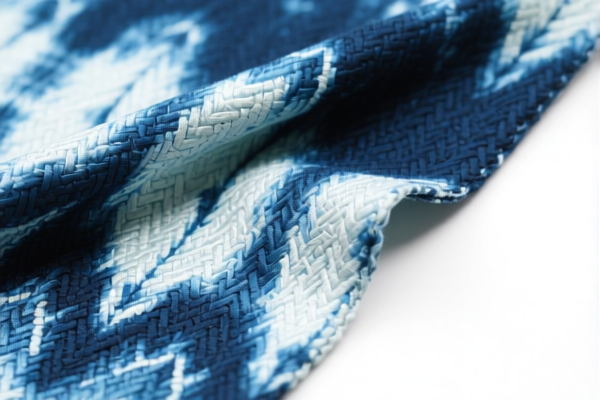
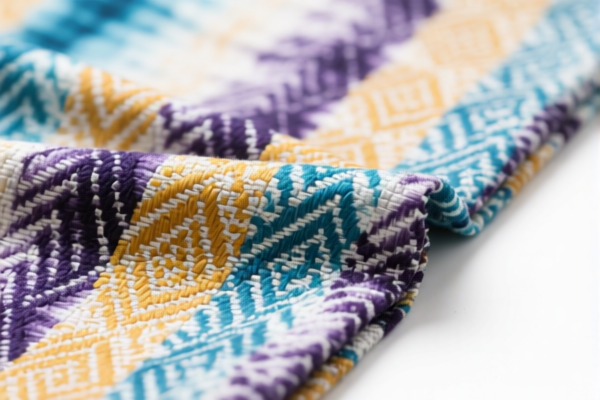
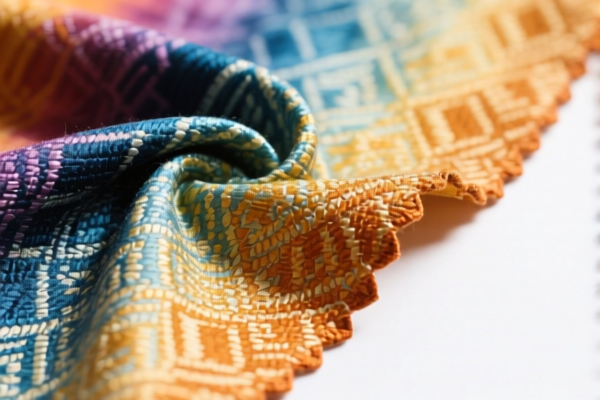
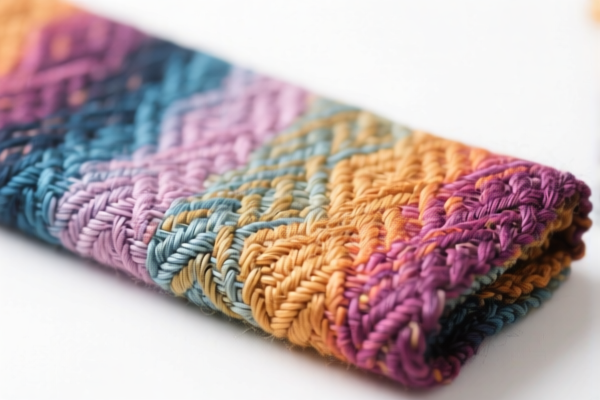
AI分析
🌸 Dyed Jacquard Fabric
🌐 HS Code Classification & Tariff Guide | 2026 Updated Customs Strategy | Expert-Level Import Planning
📌 One Product, Four Critical HS Codes — Know the Difference to Avoid 45% Tariff Traps!
📦 I. Product Definition & Classification Breakdown: What Exactly Is "Dyed Jacquard Fabric"?
Dyed Jacquard Fabric refers to knitted, openwork (lace-like) textiles with intricate patterns created using a jacquard loom or knitting machine. These fabrics are characterized by:
- ✅ Textile structure: Knitted (not woven), with open mesh or lace-like appearance
- ✅ Pattern type: Jacquard (complex, raised designs) or lattice/镂空 (openwork)
- ✅ Material: Made from synthetic fibers (e.g., polyester, nylon) or natural fibers (e.g., cotton, silk)
- ✅ Color treatment: Dyed (not printed), meaning the entire fabric is colored uniformly
⚠️ Key Classification Clue:
- If the fabric is knitted, has openwork/lace structure, and features jacquard patterns → Must be classified under HS Code 6005.36 or 6005.38 - If it’s knitted but not lace-like, or lacks complex pattern → May fall under 6002.40.80.20 or 6002.90.80.20
🧩 II. HS Code Classification Matrix (2026 Official Tariff Table)
| HS Code | Product Description | Key Features | Tax Rate | Notes |
|---|---|---|---|---|
6005.36.00.10 |
Dyed Jacquard Knitted Lace Fabric, Openwork Structure, Synthetic/Natural Fibers | ✅ Knitted ✅ Openwork (lace-like) ✅ Jacquard pattern ✅ Dyed |
45.0% | Highest tariff — includes 25% + 10% extra |
6005.38.00.10 |
Dyed Jacquard Knitted Lace Fabric, Openwork Structure, Synthetic/Natural Fibers | ✅ Knitted ✅ Openwork ✅ Jacquard ✅ Dyed |
20.0% | No additional 25% tariff — more favorable |
6002.40.80.20 |
Knitted Fabric with Lattice/Lace Features, Matches Material & Structure | ✅ Knitted ✅ Lattice/镂空 ✅ No jacquard pattern required |
43.0% | Includes 25% + 10% extra |
6002.90.80.20 |
Knitted Fabric with Jacquard/Lace Features, Matches Knitted Fabric Classification | ✅ Knitted ✅ Jacquard or openwork ✅ General classification |
43.0% | Includes 25% + 10% extra |
🔍 Critical Insight:
- 6005.36.00.10 is the most specific and most expensive — used for highly patterned, openwork jacquard knits
- 6005.38.00.10 is less restrictive — may apply if the fabric doesn’t meet the “complexity” threshold of 6005.36
- 6002.40.80.20 & 6002.90.80.20 are general categories — often used when the fabric doesn’t qualify for the more specific 6005 codes
💰 III. 2026 Tariff Breakdown (US Market, China-Origin, Effective Nov 10, 2025)
✅ Applicable to: United States (US)
✅ Origin: China (CN)
✅ Effective Date: November 10, 2025 (and ongoing)
🎯 1. 6005.36.00.10 — Dyed Jacquard Knitted Lace Fabric (Openwork, Complex Pattern)
| Item | Detail |
|---|---|
| Base Duty | 10.0% (ad valorem) |
| Section 301 (USITC) Additional Tariff | +25.0% |
| Section 122 (IEEPA) Emergency Tariff | +10.0% |
| Total Effective Rate | 45.0% |
| Tax Calculation | CIF Value × 45% |
| De Minimis Threshold | ❌ Not applicable (denied) |
| Legal Basis Path | IEEPA:9903.01.25 → IEEPA:9903.01.24 → USITC:6005.36.00.10 → FOOTNOTE:9903.88.01 |
📌 Why So High?
- This code is targeted under Section 301 (USITC) due to complex textile manufacturing from China
- The IEEPA 10% is applied to all Chinese-origin textile products under emergency powers
- Total = 45% — one of the highest tariffs in the textile sector
🎯 2. 6005.38.00.10 — Dyed Jacquard Knitted Lace Fabric (Openwork, Less Complex)
| Item | Detail |
|---|---|
| Base Duty | 10.0% |
| Section 301 (USITC) Additional Tariff | 0.0% |
| Section 122 (IEEPA) Emergency Tariff | +10.0% |
| Total Effective Rate | 20.0% |
| Tax Calculation | CIF × 20% |
| De Minimis Threshold | ❌ Not applicable |
| Legal Basis Path | IEEPA:9903.01.24 → 6005.38.00.10 → FOOTNOTE:9903.88.01 |
📌 Why Lower?
- This code does not trigger the 25% Section 301 tariff — likely because the pattern complexity or structure is less advanced
- Still subject to 10% IEEPA emergency tariff
- 20% total — a 25% saving vs. 6005.36.00.10
🎯 3. 6002.40.80.20 — Knitted Fabric with Lattice/Lace Features
| Item | Detail |
|---|---|
| Base Duty | 8.0% |
| Section 301 (USITC) Additional Tariff | +25.0% |
| Section 122 (IEEPA) Emergency Tariff | +10.0% |
| Total Effective Rate | 43.0% |
| Tax Calculation | CIF × 43% |
| De Minimis Threshold | ❌ Not applicable |
| Legal Basis Path | IEEPA:9903.01.25 → USITC:6002.40.80.20 → FOOTNOTE:9903.88.01 |
📌 Why 43%?
- This is a general category for knitted fabrics with openwork
- Still subject to 25% Section 301 and 10% IEEPA
- Slightly lower than 45% due to lower base duty (8% vs 10%)
🎯 4. 6002.90.80.20 — Knitted Fabric with Jacquard/Lace Features
| Item | Detail |
|---|---|
| Base Duty | 8.0% |
| Section 301 (USITC) Additional Tariff | +25.0% |
| Section 122 (IEEPA) Emergency Tariff | +10.0% |
| Total Effective Rate | 43.0% |
| Tax Calculation | CIF × 43% |
| De Minimis Threshold | ❌ Not applicable |
| Legal Basis Path | IEEPA:9903.01.25 → USITC:6002.90.80.20 → FOOTNOTE:9903.88.01 |
📌 Same as 6002.40.80.20 — just a different subcategory
- Used when the fabric has jacquard or lace features but doesn’t qualify for 6005.36/38
🛠️ IV. Customs Clearance Best Practices (Pro Tips to Save 25% Tax!)
✅ 1. Documentation Checklist (MUST-HAVE)
| Document | Required? | Why It Matters |
|---|---|---|
| ✅ Product Specification Sheet | ✔️ | Must describe knitted structure, openwork, jacquard pattern, fiber type |
| ✅ Fabric Sample (Physical or High-Res Photo) | ✔️ | Proves openwork/lace vs. solid knit |
| ✅ Technical Drawing / Knitting Diagram | ✔️ | Shows jacquard complexity — critical for 6005.36 vs 6005.38 |
| ✅ Commercial Invoice | ✔️ | Must state: “Dyed Jacquard Knitted Lace Fabric” |
| ✅ Certificate of Origin (CO) | ✔️ | If from Vietnam/Mexico/Thailand → may qualify for 0% IEEPA |
| ✅ Test Report (e.g., ASTM, ISO) | ✔️ | Proves fiber content, structure, and compliance |
✅ 2.申报技巧(Key Rule of Thumb)
🔥 "Pattern Complexity = Tax Rate!"
- Complex jacquard + openwork →6005.36.00.10→ 45%
- Simple jacquard + openwork →6005.38.00.10→ 20%
- No complex pattern →6002.40.80.20or6002.90.80.20→ 43%📌 Pro Tip:
- Avoid using “jacquard” in the description if the pattern is not highly complex
- Use “knitted openwork fabric” instead of “jacquard” to avoid triggering 301 tariff
✅ 3. Special Cases & Solutions
| Scenario | Recommended Action |
|---|---|
| Fabric from Vietnam/Mexico | Apply for IEEPA exemption → 0% IEEPA tariff → Total: 10% or 18% |
| Fabric with mixed fibers (e.g., polyester + cotton) | Declare dominant fiber → Use correct HS Code |
| Custom dyeing (not standard) | Provide dye batch records → Prove it’s dyed, not printed |
| Bulk shipment with multiple styles | Group by HS Code — don’t mix 6005.36 and 6005.38 in one shipment |
🌍 V. Global Tariff Comparison (2026 Update)
| Country/Region | Recommended HS Code | Tariff | Certification | Notes |
|---|---|---|---|---|
| 🇺🇸 USA | 6005.38.00.10 |
20% (if no 301) | None | 45% if 6005.36.00.10 |
| 🇨🇳 China | 6005.36.00.10 |
5% | CCC | No extra tariffs |
| 🇪🇺 EU | 6005.36.00.10 |
0% (if CE) | CE | No 301/IEEPA |
| 🇦🇺 Australia | 6005.36.00.10 |
5% | RCM | No extra tariffs |
| 🇯🇵 Japan | 6005.36.00.10 |
0% | PSE | No extra tariffs |
📌 Key Insight:
- Only the US imposes 25% + 10% extra tariffs
- China, EU, Japan, Australia have no additional emergency tariffs
- Move production to Vietnam/Mexico → Save 25%+ in US tariffs!
📌 VI. Common Mistakes & How to Avoid Them (Avoid $10k+ Penalties!)
❌ Mistake 1: Calling all lace knits “jacquard” → triggers 6005.36.00.10 → 45% tax
👉 Fix: Only use “jacquard” if the pattern is complex and raised
❌ Mistake 2: Not providing technical drawings → customs may assume complexity → default to 45%
👉 Fix: Include knitting diagram or pattern chart
❌ Mistake 3: Using “lace fabric” without proving openwork structure → may be misclassified as solid knit → higher risk of audit
👉 Fix: Use high-res photos showing mesh holes
❌ Mistake 4: Shipment with mixed fabrics (some 6005.36, some 6005.38) → all treated as 45%
👉 Fix: Split shipments or declare separately
🎯 VII. Final Verdict: How to Reduce Your Tax by 25%
✅ Use
6005.38.00.10instead of6005.36.00.10→ Save 25% tax
✅ Avoid calling it “jacquard” if pattern is simple
✅ Move production to Vietnam/Mexico → avoid 25% + 10%
✅ Apply for Advance Ruling (Pre-Approval) → lock in the correct HS Code
📣 Immediate Action Required!
📞 Contact a US Customs Broker + Submit Fabric Sample + Request HS Code Pre-Ruling
🚀 Save 25% on every shipment — it’s not a luxury, it’s a necessity!
✨ Pro Tip:
“The right HS Code isn’t just about compliance — it’s about profit.”
🔹 6005.36.00.10 → 45%
🔹 6005.38.00.10 → 20%
🔹 Difference = 25% of your product value saved per shipment
💼 Your product’s success starts with one decision: the correct HS Code.
🔐 Don’t gamble. Get it right the first time.
📌 Remember:
"Pattern Complexity = Tax Rate. Simplicity = Savings."
✅ Be precise. Be strategic. Be profitable.
用户评价
关于 HS 编码归类
协调制度(HS)是由世界海关组织(WCO)制定的国际贸易商品分类标准。全球 200 多个国家采用 HS 系统作为海关关税、贸易统计和进出口监管的基础。
每个 HS 编码遵循以下层级结构:
- 章(2 位)——商品大类(例如:第 84 章:机器和机械设备)
- 品目(4 位)——章内的更具体分类
- 子目(6 位)——国际通用细分,所有 WCO 成员国统一使用
- 本国细分(8-10 位)——各国自行扩展的细分编码,如美国 HTSUS 10 位编码
正确的 HS 编码归类对于顺利通关、准确缴纳关税和遵守贸易法规至关重要。错误归类可能导致海关延误、多缴关税或罚款。
从CN进口到US时,适用的关税税率可能包括:
- 最惠国(MFN)税率——适用于 WTO 成员国的标准关税税率
- 普通税率——适用于无贸易协定国家
- 贸易救济关税——附加关税,如 301 条款(反倾销)、232 条款(国家安全)或反补贴税
本页内容仅供参考。如需正式归类,请咨询当地海关或持牌报关代理。