Dyed Satin Fabric
CN → US| HS编码 | 关税税率 | 原产国 | 目的国 | 文档 |
|---|---|---|---|---|
| 5512110060 | 47.0% | CN | US | 官方文档 |
| 5208192020 | 42.9% | CN | US | 官方文档 |
| 5407820040 | 49.9% | CN | US | 官方文档 |
| 5208292020 | 42.7% | CN | US | 官方文档 |
| 5512210060 | 47.0% | CN | US | 官方文档 |
| 5007903040 | 35.8% | CN | US | 官方文档 |
商品图片
AI分析
🧵 Dyed Satin Fabric: HS Code Classification & Clearance Strategy (2026 Updated)
🌐 HS Code Reference & Customs Clearance Guide | 2026 Latest Tariff Analysis | Professional-Level通关 Strategy
📌 I. Product Definition & Classification: Do You Really Understand "Dyed Satin"?
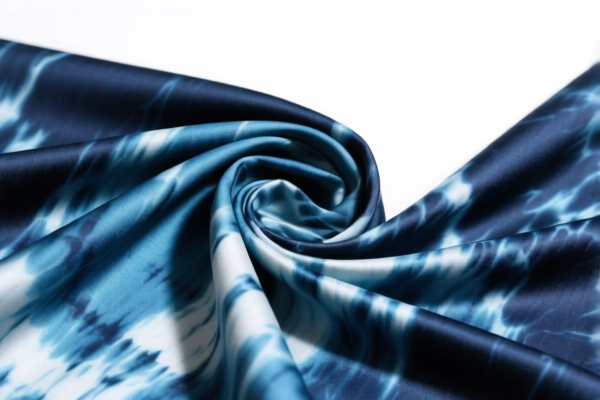
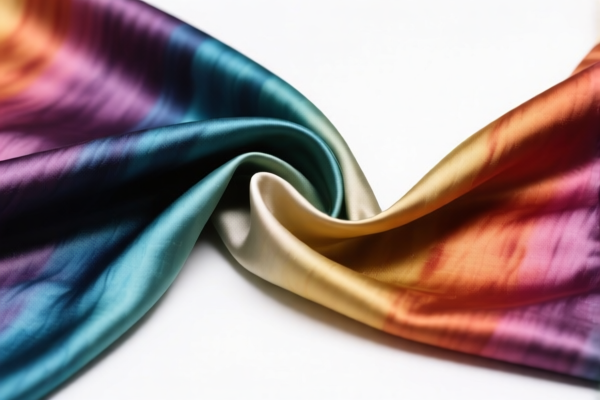
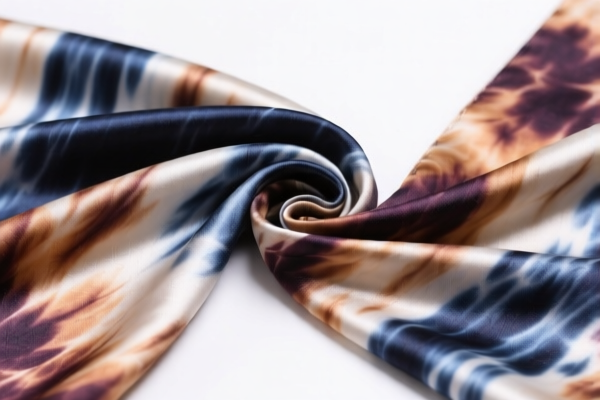
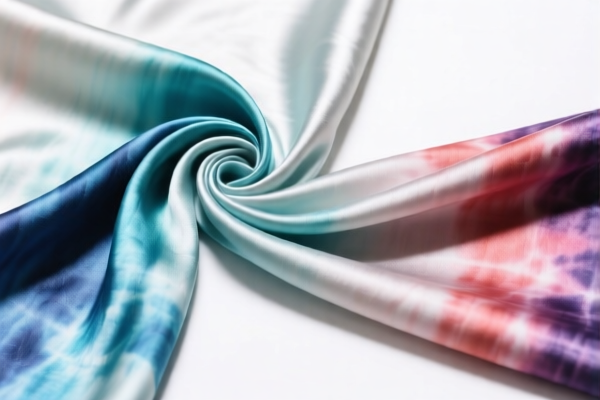
Dyed Satin Fabric refers to woven textiles characterized by a glossy surface and dull back, achieved through a satin weave structure. In international trade, the classification depends heavily on the raw material composition (Silk, Synthetic Staple Fiber, or Man-made Filament) and the specific weave characteristics. It is not a single HS code but a category that splits into multiple subheadings based on fiber content.
⚠️ Key Distinction Point:
- If made from Synthetic Staple Fibers (e.g., Polyester staple) → Typically falls under Chapter 55;
- If made from Man-made Filament Yarns (e.g., Polyester filament) → Typically falls under Chapter 54;
- If made from Cotton (less common for "satin" in luxury sense, but possible for sateen) → Typically falls under Chapter 52;
- If made from Silk → Typically falls under Chapter 50.
The data provided below focuses on Polyester/Synthetic and Cotton variants commonly exported to the US, which carry significant附加 tariffs.
📦 II. HS Code Classification Details (2026 Latest Tariff Authority Comparison)
| HS Code | Product Description | Application Scenario | Fiber Type | Weave/Structure |
|---|---|---|---|---|
5512.11.00.60 |
Woven fabrics, mainly or wholly of synthetic staple fibers, dyed | Dyed satin-style woven fabric | Synthetic Staple (e.g., Polyester staple) | Satin or Twill weave |
5512.21.00.60 |
Woven fabrics, mainly or wholly of synthetic staple fibers, dyed | Dyed satin-style woven fabric (variant) | Synthetic Stapel (e.g., Polyester staple) | Satin or Twill weave |
5407.82.00.40 |
Woven fabrics, mainly or wholly of synthetic filament yarns | Dyed satin weave fabric meeting weave requirements | Synthetic Filament (e.g., Polyester filament) | Satine/Plain/Twill (Satin specified) |
5208.19.20.20 |
Woven fabrics, mainly or wholly of cotton, dyed | Dyed satin-style (Sateen) fabric | Cotton | Satin or Satin-like weave |
5208.29.20.20 |
Woven fabrics, mainly or wholly of cotton, dyed | Dyed satin-style (Sateen) fabric | Cotton | Satin or Satin-like weave |
5007.90.30.40 |
Dyed satin lining fabric | Dyed satin lining, matching dyed satin appearance | Silk (Woven silk fabrics) | Dyed satin structure |
🔍 Key Reminder:
- "Satin" is a weave structure, not a fiber. You must identify the raw material first.
- For Polyester Staple Fiber fabrics, use 5512.xx.xx.xx.
- For Polyester Filament fabrics, use 5407.xx.xx.xx.
- For Cotton Sateen, use 5208.xx.xx.xx.
- For Silk Satin, use 5007.xx.xx.xx.
- Misclassification leads to severe penalties, especially with the high附加 tariffs on these chapters.
💰 III. 2026 Latest Tariff Rate Details (Including Additional Taxes & Policy Add-ons)
✅ Applicable Country: United States (US)
✅ Country of Origin: China (CN)
✅ Effective Time: From November 10, 2025 (including subsequent imports)
🎯 1. 5512.11.00.60 & 5512.21.00.60 —— Synthetic Staple Fiber Satin Fabric
| Item | Detail |
|---|---|
| Base Rate | 12.0% (Ad Valorem) |
| USITC Additional Tax | +25.0% (Section 301 Tariff) |
| IEEPA Additional Tax | +10.0% (Section 122 Clause Tariff, targeting China/HK products) |
| Total Rate | 47.0% |
| Tax Calculation | CIF Value × 47.0% |
| De Minimis Exemption | ❌ Not Eligible (deny_de_minimis) |
| Legal Basis Path | IEEPA:122 Clause → USITC:5512.11.00.60 / 5512.21.00.60 → FOOTNOTE:Section 301 |
📌 Explanation:
- "25% USITC Tax" is from Section 301 of the Trade Act of 1974;
- "10% IEEPA Tax" is an additional surcharge specifically applied to Chinese-origin goods under Section 122 of the relevant executive order;
- Total 47% is extremely high. Accurate classification between "Staple" and "Filament" is crucial to avoid overpayment or underpayment risks.
🎯 2. 5407.82.00.40 —— Synthetic Filament Satin Fabric (Weave Specified)
| Item | Detail |
|---|---|
| Base Rate | 14.9% (Ad Valorem) |
| USITC Additional Tax | +25.0% (Section 301 Tariff) |
| IEEPA Additional Tax | +10.0% (Section 122 Clause Tariff) |
| Total Rate | 49.9% |
| Tax Calculation | CIF Value × 49.9% |
| De Minimis Exemption | ❌ Not Eligible (deny_de_minimis) |
| Legal Basis Path | IEEPA:122 Clause → USITC:5407.82.00.40 → FOOTNOTE:Section 301 |
📌 Note:
- This code applies to filament yarns (smooth, continuous fibers) with satin structure.
- Note the higher base rate (14.9%) compared to staple fibers (12.0%), resulting in a 49.9% total duty.
- Must prove "weave requirements" are met (i.e., it is indeed a satin weave, not plain or twill).
🎯 3. 5208.19.20.20 & 5208.29.20.20 —— Cotton Sateen Fabric
| Item | Detail |
|---|---|
| Base Rate | 7.9% (for .19.20.20) / 7.7% (for .29.20.20) |
| USITC Additional Tax | +25.0% (Section 301 Tariff) |
| IEEPA Additional Tax | +10.0% (Section 122 Clause Tariff) |
| Total Rate | 42.9% (.19) / 42.7% (.29) |
| Tax Calculation | CIF Value × Rate |
| De Minimis Exemption | ❌ Not Eligible (deny_de_minimis) |
| Legal Basis Path | IEEPA:122 Clause → USITC:5208.xx.xx.xx → FOOTNOTE:Section 301 |
📌 Note:
- These codes are for Cotton fabrics with satin-like weave (often called "Sateen").
- Slightly lower total duty (42.7%-42.9%) compared to polyester satin, but still very high.
- Ensure the fabric is primarily cotton. Blends may change the chapter entirely.
🎯 4. 5007.90.30.40 —— Dyed Satin Lining (Silk)
| Item | Detail |
|---|---|
| Base Rate | 0.8% (Ad Valorem) |
| USITC Additional Tax | +25.0% (Section 301 Tariff) |
| IEEPA Additional Tax | +10.0% (Section 122 Clause Tariff) |
| Total Rate | 35.8% |
| Tax Calculation | CIF Value × 35.8% |
| De Minimis Exemption | ❌ Not Eligible (deny_de_minimis) |
| Legal Basis Path | IEEPA:122 Clause → USITC:5007.90.30.40 → FOOTNOTE:Section 301 |
📌 Note:
- Applies to Silk satin lining fabric.
- Lowest total duty among the listed codes (35.8%) due to low base rate, but still subject to significant附加 taxes.
- Must be 100% silk or primarily silk. Synthetic "satin" (polyester) cannot be classified here.
🛠️ IV. Customs Clearance Practical Advice (Real-World Pitfall Avoidance Guide)
✅ 1. Required Documentation Checklist (No Exceptions)
| Document | Mandatory | Explanation |
|---|---|---|
| ✅ Fabric Specification Sheet | ✔️ | Must include: Fiber content (%), Weight (GSM), Width, Weave Type (Satin), Color Fastness Rating. |
| ✅ Weave Diagram/Photos | ✔️ | Clear images showing the satin gloss surface and dull back. Helps Customs confirm "Satin Weave." |
| ✅ Third-Party Test Report | ✔️ | OEKO-TEX, REACH, or SGS report confirming fiber content and dyeing process. |
| ✅ Commercial Invoice | ✔️ | Must state: "Dyed Satin Fabric," Fiber Content, Country of Origin, HS Code. |
| ✅ Packing List | ✔️ | Details roll dimensions, weight, and quantity. |
| ✅ Certificate of Origin (CO) | ✔️ | Required for any potential FTA benefits (though US-China FTA is limited, it helps prove origin). |
✅ 2. Declaration Tips (Key Mantra)
🔥 “Fiber First, Weave Second, Name Precise, Tax Avoided!”
| Scenario | Correct Declaration | Wrong Practice |
|---|---|---|
| Polyester Satin | 5512.11.00.60 (Staple) or 5407.82.00.40 (Filament) |
Misdeclaring as Cotton → 42.9% instead of 47-49.9% |
| Cotton Sateen | 5208.19.20.20 or 5208.29.20.20 |
Misdeclaring as Silk → 35.8% vs 42.9% (or visa versa) |
| Silk Satin | 5007.90.30.40 |
Misdeclaring as Polyester → 35.8% vs 49.9% |
| Lining Fabric | Clearly state "Lining" if applicable | Generic "Fabric" → Delays for inspection |
✅ 3. Special Circumstances Handling
| Scenario | Handling Advice |
|---|---|
| Blended Fabrics | If >50% polyester, use Chapter 54/55. If <50%, may shift to Chapter 52/50. Do not guess. |
| Printed Satin | If the fabric is printed, ensure HS Code reflects "Printed" if applicable. Some codes above are for "Dyed." Printed may have different base rates. |
| Sample Shipments | Still subject to 35.8%-49.9% duty. No de minimis exemption. Declare accurately. |
| OEM Custom Fabric | Provide customer specs + dye lot numbers. Avoid being flagged for "generic" goods. |
🌍 V. Global Market Clearance Comparison (2026 Latest)
| Country/Region | Recommended HS Code | Tariff (CN Origin) | Certification | Remarks |
|---|---|---|---|---|
| 🇺🇸 USA | 5407.82.00.40 / 5512.11.00.60 etc. |
35.8% - 49.9% | OEKO-TEX, REACH | Highest duty burden due to 301 + 122 Clause taxes. |
| 🇨🇳 China | Same HS Codes | 0% - 12% (Import Duty) | CCC (if applicable) | No additional tariffs. |
| 🇪🇺 EU | Same HS Codes | 0% - 12% | CE, REACH | No Section 301/IEEPA equivalents. |
| 🇬🇧 UK | Same HS Codes | 0% - 12% | UKCA | Post-Brexit tariffs may vary slightly. |
| 🇯🇵 Japan | Same HS Codes | 0% - 8% | PSE (if electrical, not applicable) | Generally low tariffs, no附加 taxes. |
📌 Conclusion:
- The US is the most challenging market for dyed satin fabric due to the cumulative 35.8% - 49.9% duty.
- Cost Optimization: Consider sourcing from countries with US FTAs (e.g., Mexico, Canada, Australia) if possible, to avoid Section 301/IEEPA taxes.
- Supply Chain: If using Chinese-origin fabric, budget for ~40-50% in duties.
📌 VI. Common Errors & Pitfall Guide (Blood-Teaching Lessons)
❌ Error 1: Declaring all "Satin" as one HS Code
👉 Consequence: Customs audits fiber content. If polyester is declared as silk, you face fraud penalties.
✅ Fix: Always specify Fiber Content in description.
❌ Error 2: Ignoring the "Staple" vs. "Filament" distinction
👉 Consequence: 5512 (Staple) vs. 5407 (Filament) have different base rates and sometimes different附加 tax applicability.
✅ Fix: Check yarn label or test report.
❌ Error 3: Assuming "Satin Lining" is exempt
👉 Consequence: 5007.90.30.40 is still subject to 35.8% duty. No exemption.
✅ Fix: Include duty cost in pricing model.
❌ Error 4: Using "Textile Fabric" as generic name
👉 Consequence: Customs request for information (RFI), causing 15-30 day delays.
✅ Fix: Use specific terms: "Dyed Polyester Satin Woven Fabric."
🎯 VII. Conclusion: Precise Classification Saves Money!
🎯 Remember the Mantra:
🔹 "Fiber Determines Chapter, Weave Determines Subheading, Tariff is King!"
🔹 "Satin is not a Fiber, it's a Weave! Misclassify, and you Pay the Price!"
📌 Pro Tip:
If your fabric is 100% Silk, the duty is lower (35.8%), but Silk is subject to strict origin and quality controls.
If you are using Polyester, expect 47-49.9%.
Consider Advanced Ruling (Advance Ruling) from US CBP if you have large volumes, to lock in the HS Code and avoid post-entry adjustments.
📣 Immediate Action:
📞 Consult a licensed Customs Broker + Provide Test Reports + Apply for HS Code Advance Ruling
🚀 Ensure Your Dyed Satin Fabric Clears Customs Smoothly, Minimizes Duty, and Maximizes Profit!
✨ Professional Clearance Starts with Accurate Classification!
💼 Every Percent of Duty is a Percent of Your Margin!
用户评价
关于 HS 编码归类
协调制度(HS)是由世界海关组织(WCO)制定的国际贸易商品分类标准。全球 200 多个国家采用 HS 系统作为海关关税、贸易统计和进出口监管的基础。
每个 HS 编码遵循以下层级结构:
- 章(2 位)——商品大类(例如:第 84 章:机器和机械设备)
- 品目(4 位)——章内的更具体分类
- 子目(6 位)——国际通用细分,所有 WCO 成员国统一使用
- 本国细分(8-10 位)——各国自行扩展的细分编码,如美国 HTSUS 10 位编码
正确的 HS 编码归类对于顺利通关、准确缴纳关税和遵守贸易法规至关重要。错误归类可能导致海关延误、多缴关税或罚款。
从CN进口到US时,适用的关税税率可能包括:
- 最惠国(MFN)税率——适用于 WTO 成员国的标准关税税率
- 普通税率——适用于无贸易协定国家
- 贸易救济关税——附加关税,如 301 条款(反倾销)、232 条款(国家安全)或反补贴税
本页内容仅供参考。如需正式归类,请咨询当地海关或持牌报关代理。