Eco friendly Paper Notebook
CN → US| HS编码 | 关税税率 | 原产国 | 目的国 | 文档 |
|---|---|---|---|---|
| 4823901000 | 35.0% | CN | US | 官方文档 |
| 4820102010 | 35.0% | CN | US | 官方文档 |
| 4820102060 | 35.0% | CN | US | 官方文档 |
| 4823690040 | 35.0% | CN | US | 官方文档 |
| 4823700020 | 35.0% | CN | US | 官方文档 |
商品图片
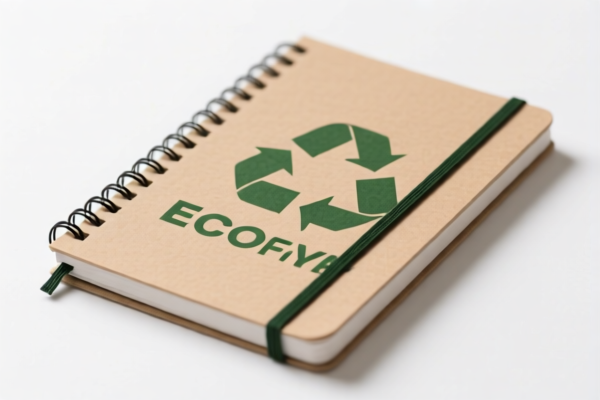
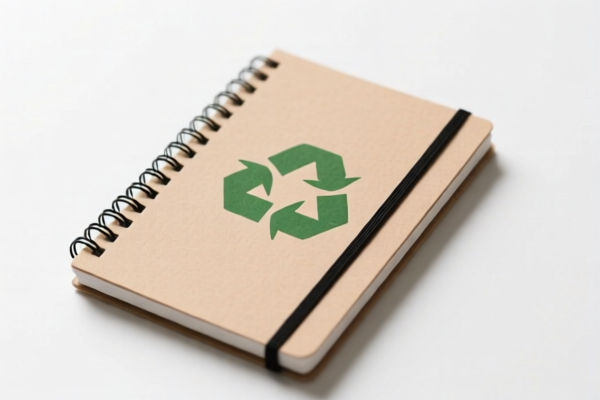
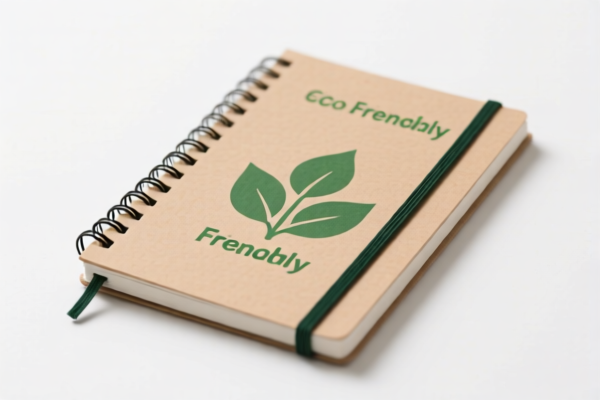
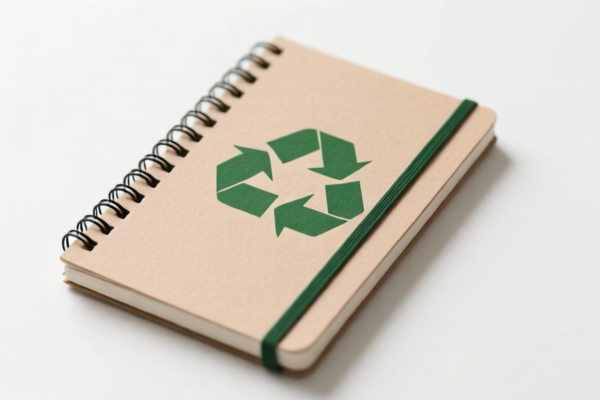
AI分析
📓 Eco-Friendly Paper Notebook (Environmental Protection Notebook)
🌐 HS Code Reference & Customs Clearance Guide | 2026 Latest Tariff Analysis | Professional Clearance Strategy
📌 1. Product Definition & Classification: Do You Really Understand "Eco-Friendly Notebooks"?
Eco-friendly paper notebooks are stationary products made from recycled paper, agricultural waste (such as straw or bagasse), or sustainably sourced pulp. They are designed to minimize environmental impact through biodegradability, reduced chemical usage, and low-carbon manufacturing processes.
In international trade, these products fall under Chapter 48: Paper and Paperboard; Articles of Paper Pulp, of Paper or of Paperboard. The specific classification depends on whether the notebook is viewed primarily as a writing instrument support (Notebook) or a paper article (Miscellaneous Paper Products).
⚠️ Key Classification Point:
- If the product is bound with pages for writing, it is primarily classified under Notebooks (Heading 4820).
- If it is a loose-leaf pad, a specialized paper board, or lacks a traditional binding structure, it may fall under Other Paper Articles (Heading 4823).
- Material Assumption: All data below assumes the core material is paper/paper pulp.
📦 2. HS Code Classification Details (2026 Latest Tariff Authority Comparison)
| HS Code | Product Description | Application Scenario | Binding/Structure |
|---|---|---|---|
4820.10.20.10 |
Notebooks, account books, etc., of paper or paperboard | Standard eco-friendly spiral/perfect bound notebooks | ✅ Bound |
4820.10.20.60 |
Other notebooks, not elsewhere specified | Specialty eco-notebooks (e.g., seed paper, unique covers) | ✅ Bound |
4823.90.10.00 |
Other articles of paper, paperboard, pulp, etc. | Loose eco-paper pads, non-bound paper stacks, or miscellaneous paper items | ❌ Not Bound / Misc. |
4823.69.00.40 |
Paper plates and other tableware | Note: Included in data as "Eco-friendly Paper Plate" comparison | ❌ Disposable Tableware |
4823.70.00.20 |
Articles of pulp, paper, etc., shaped/molded | Note: Included in data as "Molded Pulp Plates" | ❌ Molded Form |
🔍 Important Reminder:
- For standard notebooks,4820is the most accurate heading.
-4820.10.20.10specifies notebooks meeting general usage criteria.
-4820.10.20.60is for notebooks that do not fit other specific sub-categories but are still bound paper products.
-4823.90.10.00is a catch-all for "Other paper articles" if the item doesn't strictly meet the definition of a notebook (e.g., if it's just paper sheets with minimal binding).
- The4823entries for plates (4823.69.00.40,4823.70.00.20) are included in the source data as potential misclassifications or alternative products (paper plates) often grouped in eco-friendly product lines.
💰 3. 2026 Latest Tariff Rate Details (Including Additional Taxes & Policy Surcharges)
✅ Applicable Country: United States (US)
✅ Country of Origin: China (CN)
✅ Effective Date: November 10, 2025 (and subsequent imports)
🎯 1. 4820.10.20.10 & 4820.10.20.60 —— Notebooks (Paper-based)
| Item | Content |
|---|---|
| Base Tariff Rate | 0.0% (ad valorem) |
| Section 301 Additional Tariff | +25.0% (USITC Footnote) |
| Section 122 Tariff | +10.0% (Specific provision for certain paper/pulp articles from China) |
| Total Tariff Rate | 35.0% |
| Tax Calculation | CIF Value × 35% |
| De Minimis Exemption | ❌ Not Available (denied) |
| Legal Basis Path | USITC:4820.10.20.10 → Section 301: 25% → Section 122: 10% |
📌 Explanation:
- The 25% Section 301 tariff applies to most Chinese-origin goods, including paper products.
- The 10% Section 122 tariff is a specific surcharge applied to certain paper and paperboard items, likely due to trade balance or environmental policy considerations.
- Total 35% is a significant cost factor. Even though the base rate is 0%, the additional taxes make this expensive.
- No De Minimis: Small packages (under $800) do not qualify for tax exemption for these HS codes.
🎯 2. 4823.90.10.00 —— Other Paper Articles (Non-notebook paper products)
| Item | Content |
|---|---|
| Base Tariff Rate | 0.0% |
| Section 301 Additional Tariff | +25.0% |
| Section 122 Tariff | +10.0% |
| Total Tariff Rate | 35.0% |
| Tax Calculation | CIF Value × 35% |
| De Minimis Exemption | ❌ Not Available |
| Legal Basis Path | USITC:4823.90.10.00 → Section 301: 25% → Section 122: 10% |
📌 Note:
- Same tariff structure as notebooks.
- If customs determines your "notebook" is actually a "paper article" (e.g., unbound paper packs), this code applies.
🎯 3. 4823.69.00.40 & 4823.70.00.20 —— Eco-Friendly Paper Plates (For Comparison/Alternative Products)
| Item | Content |
|---|---|
| Base Tariff Rate | 0.0% |
| Section 301 Additional Tariff | +25.0% |
| Section 122 Tariff | +10.0% |
| Total Tariff Rate | 35.0% |
| Tax Calculation | CIF Value × 35% |
| De Minimis Exemption | ❌ Not Available |
| Legal Basis Path | USITC:4823.xxxxxxx → Section 301: 25% → Section 122: 10% |
📌 Warning:
- If you are exporting paper plates alongside notebooks, they are subject to the same 35% tariff.
- Do not confuse notebook classifications with plate classifications. Both fall under Chapter 48 and incur the same additional taxes.
🛠️ 4. Customs Clearance Practical Advice (Battle-Tested Pitfall Guide)
✅ 1. Required Documentation Checklist (All Are Mandatory)
| Document | Must Provide | Description |
|---|---|---|
| ✅ Product Specification Sheet | ✔️ | Material composition (e.g., 100% recycled fiber, GSM, number of pages) |
| ✅ Product Photos (Clear) | ✔️ | Show binding type (spiral, perfect, wire), cover material, and interior pages |
| ✅ Commercial Invoice | ✔️ | Clearly state "Eco-Friendly Paper Notebook," HS Code, and Country of Origin |
| ✅ Packing List | ✔️ | Include net/gross weight, dimensions, and carton count |
| ✅ Certificate of Origin (CO) | ✔️ | Essential for proving origin; may affect Section 301 eligibility if misdeclared |
| ✅ Environmental Certification | ✔️ | FSC, PEFC, or compostability certificates (for marketing, not always customs, but helpful) |
✅ 2. Declaration Tips (Key Mnemonics)
🔥 "Bind it Right, Code it Smart, 35% Tax is Hard to Fight!"
| Situation | Correct Declaration | Wrong Practice |
|---|---|---|
| Bound Notebook | 4820.10.20.10 or 4820.10.20.60 |
Misdeclare as "Stationery Set" → Risk of penalty |
| Unbound Paper Pads | 4823.90.10.00 |
Misdeclare as "Notebook" → May be flagged for inconsistency |
| Paper Plates | 4823.69.00.40 |
Misdeclare as "Notebook" → Major classification error |
| Mixed Carton | Separate HS Codes | Bundle notebooks and plates under one code → High risk of audit |
✅ 3. Special Circumstances Handling
| Situation | Handling Advice |
|---|---|
| Mixed Products (Notebooks + Plates) | Declare each item with its own HS Code. Do not lump them under one "Eco-Stationery" code. |
| OEM Custom Notebooks | Provide customer order specs and design files. Ensure the description matches the physical product exactly. |
| "Eco-Friendly" Claim | Ensure materials are truly recycled/biodegradable. False claims can lead to FDA or FTC issues, though not directly customs, they affect clearance delays. |
| Pre-Ruling Application | Strongly recommend applying for an Advance Ruling if the product structure is unique (e.g., hybrid notebook/diary). |
🌍 5. Global Market Customs Comparison (2026 Latest)
| Country/Region | Recommended HS Code | Tariff Rate | Certification Requirements | Remarks |
|---|---|---|---|---|
| 🇺🇸 USA | 4820.10.20.10 / 4823.90.10.00 |
35% (25% Sec 301 + 10% Sec 122) | None specific, but FSC preferred | High tariff; no de minimis |
| 🇨🇳 China | 4820.10.20.10 |
5-7% | CCC (if applicable) | Lower tariffs for domestic trade |
| 🇪🇺 EU | 4820.10.20.10 |
0-6.5% | CE (if marked), REACH | No Section 301/122 equivalents |
| 🇬🇧 UK | 4820.10.20.10 |
0-6.5% | UKCA | Post-Brexit rules apply |
| 🇨🇦 Canada | 4820.10.20.10 |
0-6.5% | None specific | USMCA may apply if originating in Canada/Mexico |
📌 Conclusion:
- The USA imposes the highest tariffs (35%) due to Section 301 and Section 122.
- EU/UK/Canada have much lower or zero tariffs for paper notebooks.
- Strategy: If targeting the US, price accordingly. Consider sourcing from non-China countries if possible to avoid Section 301 taxes.
📌 6. Common Errors & Pitfalls Guide (Blood Lessons)
❌ Mistake 1: Declaring "Eco-Friendly Notebook" without specifying material
👉 Consequence: Customs may classify under a higher tax rate or require additional documentation → Delays
❌ Mistake 2: Using 4820 for unbound paper pads
👉 Consequence: Customs may reclassify to 4823.90.10.00 and still apply 35%, but fine for misdeclaration → Penalties
❌ Mistake 3: Bundling notebooks and plates in one shipment with one HS Code
👉 Consequence: Seizure of goods or heavy fines → Shipment Held
❌ Mistake 4: Ignoring Section 122 Tariff
👉 Consequence: Underpayment of 10% → Back Taxes + Interest
✅ Correct Action:
"Recycled Paper Notebook, 100 Sheets, Spiral Bound, FSC Certified, HS Code: 4820.10.20.10, Origin: China"
🎯 7. Conclusion: Professional Declaration, Save Time, Reduce Costs!
🎯 Remember the Mantra:
🔹 "Notebook is 4820, Paper Article is 4823. Both are 35%, Don't Be Lazy!"
🔹 "Section 301 (25%) + Section 122 (10%) = 35% Total. No De Minimis, Pay Up!"
📌 Pro Tip:
If your products are originating from Vietnam, Mexico, or Malaysia, you may avoid Section 301 taxes. However, Section 122 may still apply depending on specific trade agreements.
Recommend pre-classification rulings for unique eco-friendly products to ensure accurate HS Code assignment.
📣 Immediate Action:
📞 Contact a professional customs broker + Provide product photos + Apply for HS Code pre-ruling
🚀 Ensure your Eco-Friendly Notebooks clear customs smoothly, efficiently, and profitably!
✨ Professional clearance starts with accurate classification!
💼 Every cent of tax should be calculated precisely!
用户评价
关于 HS 编码归类
协调制度(HS)是由世界海关组织(WCO)制定的国际贸易商品分类标准。全球 200 多个国家采用 HS 系统作为海关关税、贸易统计和进出口监管的基础。
每个 HS 编码遵循以下层级结构:
- 章(2 位)——商品大类(例如:第 84 章:机器和机械设备)
- 品目(4 位)——章内的更具体分类
- 子目(6 位)——国际通用细分,所有 WCO 成员国统一使用
- 本国细分(8-10 位)——各国自行扩展的细分编码,如美国 HTSUS 10 位编码
正确的 HS 编码归类对于顺利通关、准确缴纳关税和遵守贸易法规至关重要。错误归类可能导致海关延误、多缴关税或罚款。
从CN进口到US时,适用的关税税率可能包括:
- 最惠国(MFN)税率——适用于 WTO 成员国的标准关税税率
- 普通税率——适用于无贸易协定国家
- 贸易救济关税——附加关税,如 301 条款(反倾销)、232 条款(国家安全)或反补贴税
本页内容仅供参考。如需正式归类,请咨询当地海关或持牌报关代理。