Eco friendly Polyethylene Bag
CN → US| HS编码 | 关税税率 | 原产国 | 目的国 | 文档 |
|---|---|---|---|---|
| 3923210080 | 38.0% | CN | US | 官方文档 |
| 3923210011 | 38.0% | CN | US | 官方文档 |
| 3923210095 | 38.0% | CN | US | 官方文档 |
| 3923290000 | 38.0% | CN | US | 官方文档 |
| 3923210030 | 38.0% | CN | US | 官方文档 |
商品图片
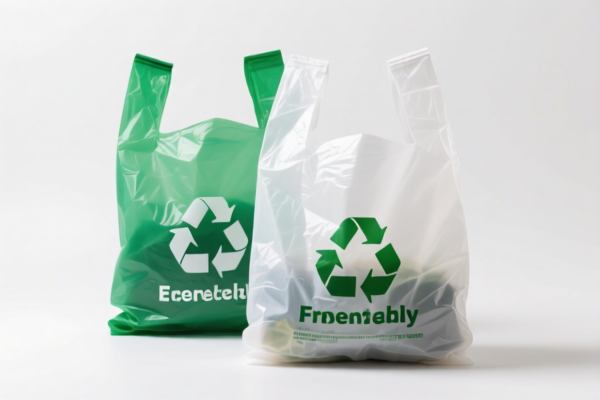
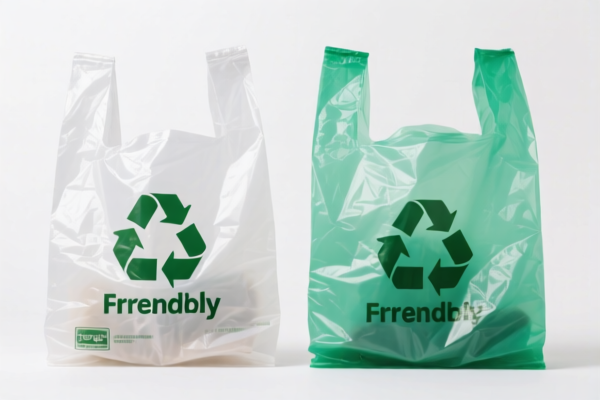
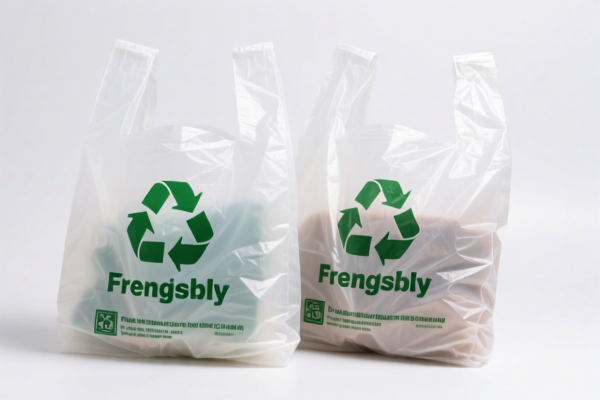
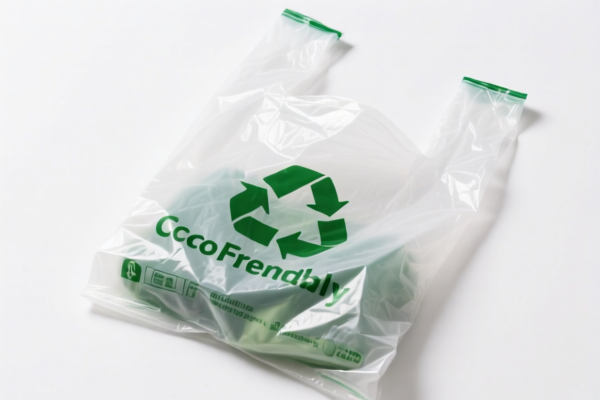
AI分析
🌱 Eco-Friendly Polyethylene Bag (PE Bags)
🌐 HS Code Reference & Customs Clearance Guide | 2026 Latest Tariff Analysis | Professional Clearance Strategy for PE Packaging
📌 I. Product Definition & Classification: What Defines an "Eco-Friendly" PE Bag?
In international trade, "Eco-friendly Polyethylene Bag" is a marketing term, not a technical HS Code definition. Customs classification depends strictly on the material composition, physical form, and intended use, not just the "eco-friendly" label.
Key distinctions determine the correct HS Code: - Standard PE Bags (Plain/Simple): Simple sacks, bags, and pouches. - Industrial PE Bags: Heavy-duty sacks for bulk packaging. - PE Envelope Bags: Sealed pouches resembling letters/envelopes. - Other Plastic Containers: Non-standard shapes (e.g., specialized liners).
⚠️ Crucial Distinction for "Eco-Friendly":
- If "Eco-friendly" means biodegradable (e.g., PBAT/PLA blend), it may fall under different chapters (Chapter 39 vs. Chapter 39 depending on polymer type).
- If "Eco-friendly" means recycled content or reusable but still made of pure Polyethylene (PE), it remains classified under Chapter 39 (Plastics and Articles Thereof).
- Warning: Mislabeling a non-biodegradable PE bag as "biodegradable" can lead to severe customs penalties. Ensure your material safety data sheet (MSDS) matches the declared HS Code.
📦 II. HS Code Classification Matrix (2026 Latest Tariff Data)
Based on the provided <DATA>, all listed HS Codes for Polyethylene Bags carry the same total tax rate of 38.0% due to additional tariffs on goods from China to the US.
| HS Code | Product Description | Specific Characteristics | Form Factor |
|---|---|---|---|
3923.21.00.80 |
Polyethylene Bag | Standard PE bag, simple form | Bag / Sack |
3923.21.00.11 |
Polyethylene Bag | Standard PE bag, simple form | Bag / Sack |
3923.21.00.95 |
Polyethylene Envelope Bag | PE material, envelope shape | Envelope Bag |
3923.29.00.00 |
Other Plastic Sacks/Bags | PE material, non-standard form | Other Container |
3923.21.00.30 |
Industrial PE Bag | Heavy-duty, industrial packaging | Industrial Bag |
🔍 Key Insight:
Despite the marketing term "Eco-friendly," if the material is Polyethylene (PE), it falls under Heading 39.23.
- Subheading 3923.21: Covers "Sacks and bags" of polymers of ethylene.
- Subheading 3923.29: Covers "Other" sacks and bags of plastics.
💰 III. 2026 Tariff Rate Breakdown (Detailed Tax Analysis)
✅ Applicable Country: United States (US)
✅ Origin: China (CN) (Implied by the tax details provided in )
✅ Effective Date: Current (2025-2026 Period)
🎯 Unified Tariff Structure for All Listed HS Codes
All five HS Codes (3923.21.00.80, .11, .95, 3923.29.00.00, .30) share the identical tax structure in the provided data:
| Tax Component | Rate | Legal/Policy Basis |
|---|---|---|
| Base Tariff (MFN) | 3.0% | Standard US Most Favored Nation rate for plastic bags |
| Section 301 Tariff (Additional) | 25.0% | USITC Footnote 9903.01.24 (Section 301 tariffs on Chinese goods) |
| Section 122 Tariff | 10.0% | Specific additional duty (likely referring to specific trade remedies or administrative fees) |
| TOTAL EFFECTIVE RATE | 38.0% | Sum of all components |
📌 Explanation:
- The 3.0% is the baseline customs duty.
- The 25.0% is the critical Section 301 tariff, applied to most Chinese-made plastic products.
- The 10.0% (Section 122) is an additional layer of duty specific to the dataset provided.
- De Minimis Exemption? ❌ NO.
- Plastic bags of this type generally do not qualify for the $800 de minimis exemption if classified under these specific HS codes with high additional tariffs, especially if deemed "Section 301 goods."
- Result: Every single unit imported is subject to the full 38.0% duty on the CIF value.
🛠️ IV. Customs Clearance Practical Advice (Avoid Pitfalls)
✅ 1. Documentation Checklist (Mandatory)
| Document | Requirement | Notes |
|---|---|---|
| Commercial Invoice | Must clearly state "Polyethylene Bag" | Avoid vague terms like "Packaging Material" without detail |
| Product Specification | Confirm Material: 100% PE | If "Eco-friendly" implies biodegradable additives, disclose % composition |
| Material Safety Data Sheet (MSDS) | Provide if requested | Proof of non-hazardous plastic content |
| Certificate of Origin | Form A or Standard CO | To verify Chinese origin (triggers the 25% tariff) |
| Packing List | Net/Gross weight | Ensure weight matches invoice |
✅ 2. Classification Strategy (How to Choose the Right Code)
| Scenario | Recommended HS Code | Why? |
|---|---|---|
| Simple Grocery/Lunch Bags | 3923.21.00.80 or .11 |
Standard sack/bag form |
| Self-Adhesive or Sealed Envelopes | 3923.21.00.95 |
Distinct "Envelope" shape and sealing method |
| Heavy-Duty Sacks (e.g., for flour, rice) | 3923.21.00.30 |
Industrial use, thicker gauge |
| Unusual Shapes (e.g., liner bags, tubular) | 3923.29.00.00 |
Does not fit standard "bag" definition in 3923.21 |
💡 Pro Tip:
- If the bag has printing, it is still classified under 3923.21 unless the printing makes it a "printed matter" (which is rare for plastic bags).
- If the bag is colored, it does not change the HS Code.
- "Eco-friendly" Labeling: Do not declare as "Biodegradable Bag" under HS Code 3923 unless it actually meets ISO 17088 standards. Misdeclaration leads to seizure.
✅ 3. Cost Optimization Tips
- Value Declaration: Ensure the declared value is accurate. Since the rate is high (38%), even a 5% under-declaration can trigger audits.
- Packaging Efficiency: Ship bags flat and compressed to reduce volumetric weight if charged by volume (though most duties are ad valorem, freight costs matter).
- Check for Exclusions: Verify if your specific product type is excluded from Section 301 tariffs in the latest USTR lists (though plastic bags are generally included).
🌍 V. Global Market Comparison (2026)
| Destination | HS Code (General) | Base Duty | Additional Tariff | Total Estimated Duty |
|---|---|---|---|---|
| 🇺🇸 USA | 3923.21.00.xxxxx |
3.0% | 35.0% (25% Sec 301 + 10% Sec 122) | 38.0% |
| 🇨🇳 China | 3923.21.00.00 |
3.0% | 0% | 3.0% |
| 🇪🇺 EU | 3923.21.00 |
6.5% | 0% | 6.5% |
| 🇨🇦 Canada | 3923.21.00 |
5.0% | 0% | 5.0% |
📌 Observation:
- The US market is the most expensive for Chinese-made PE bags due to the 35% additional duties.
- Exporters to the EU or Canada enjoy significantly lower rates. Consider supply chain diversification if targeting the US market heavily.
📌 VI. Common Errors & Pitfalls
❌ Error 1: Declaring as "Biodegradable" when it is not.
👉 Consequence: Customs rejection, fines, and potential product recall.
❌ Error 2: Using generic HS Code 3923.50 (Plastics articles nesoi).
👉 Consequence: Incorrect classification leads to delays and potential penalty. Bags have specific subheadings.
❌ Error 3: Ignoring the "Section 122" tariff.
👉 Consequence: Underestimating landed cost by 10%.
🎯 VII. Conclusion: Strategic Sourcing & Compliance
✅ Actionable Advice:
1. Confirm Material: Ensure your "Eco-friendly" claim is backed by technical specs (e.g., PCR content, or certified biodegradable).
2. Budget for 38%: Factor the full 38% duty into your FOB pricing for US shipments.
3. Precise Declaration: Use the exact HS Code corresponding to your bag's shape (Bag vs. Envelope vs. Other).
4. Pre-Arival Review: Submit the invoice and description to your customs broker before shipment to confirm the final HTSUS code.
🚀 Final Tip:
If you are manufacturing truly biodegradable PE-free bags (e.g., PLA/PBAT), they may fall under HS Code 3920.62 or other subheadings with different tax rates. Consult a customs expert to see if re-formulating the material can lower your duty burden in the US market.
✨ Compliance is Key: Accurate HS Codes Save Money and Time!
📦 Ship Smart, Declare Right, Clear Faster.
用户评价
关于 HS 编码归类
协调制度(HS)是由世界海关组织(WCO)制定的国际贸易商品分类标准。全球 200 多个国家采用 HS 系统作为海关关税、贸易统计和进出口监管的基础。
每个 HS 编码遵循以下层级结构:
- 章(2 位)——商品大类(例如:第 84 章:机器和机械设备)
- 品目(4 位)——章内的更具体分类
- 子目(6 位)——国际通用细分,所有 WCO 成员国统一使用
- 本国细分(8-10 位)——各国自行扩展的细分编码,如美国 HTSUS 10 位编码
正确的 HS 编码归类对于顺利通关、准确缴纳关税和遵守贸易法规至关重要。错误归类可能导致海关延误、多缴关税或罚款。
从CN进口到US时,适用的关税税率可能包括:
- 最惠国(MFN)税率——适用于 WTO 成员国的标准关税税率
- 普通税率——适用于无贸易协定国家
- 贸易救济关税——附加关税,如 301 条款(反倾销)、232 条款(国家安全)或反补贴税
本页内容仅供参考。如需正式归类,请咨询当地海关或持牌报关代理。