Electric Tailgate Strut
CN → US| HS编码 | 关税税率 | 原产国 | 目的国 | 文档 |
|---|---|---|---|---|
| 8505904000 | 35.0% | CN | US | 官方文档 |
| 8708806590 | 0.0% | CN | US | 官方文档 |
| 8708295160 | 0.0% | CN | US | 官方文档 |
| 8505907501 | 36.3% | CN | US | 官方文档 |
| 8501106080 | 37.8% | CN | US | 官方文档 |
商品图片
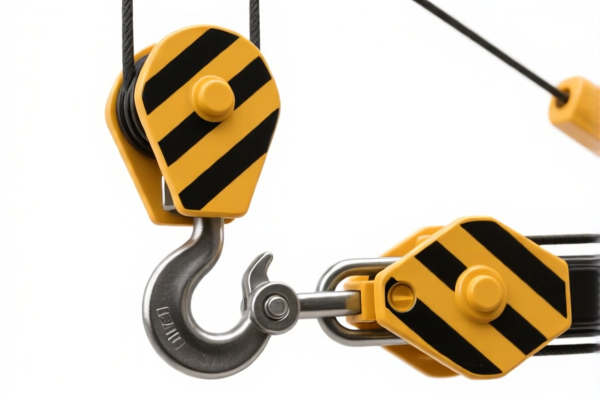
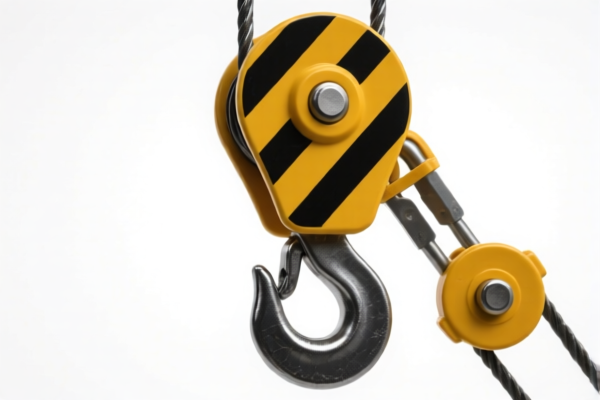
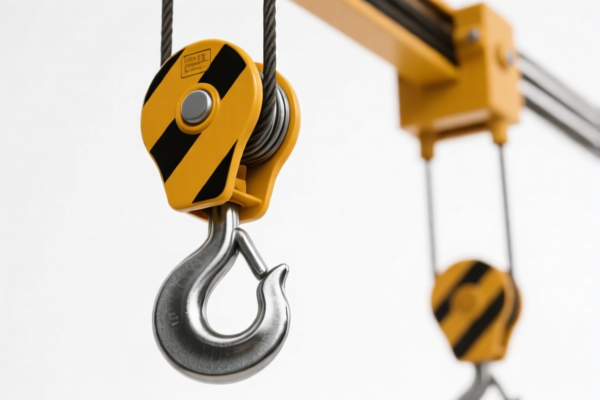
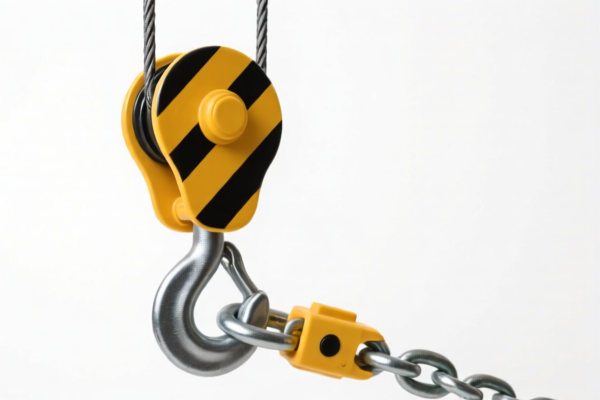
AI分析
🚗 Electric Tailgate Strut (Gas Spring / Lift Support)
🌐 HS Code Reference & Customs Clearance Guide | 2026 Latest Tariff Analysis | Professional Compliance Strategy
📌 I. Product Definition & Classification: Do You Really Understand "Electric Tailgate Struts"?
The Electric Tailgate Strut (often referred to as a Gas Spring or Lift Support) is a critical mechanical component used in automotive tailgates, hatchbacks, and trunk lids. It provides assisted lifting and lowering, ensuring smooth and controlled movement.
In international trade, classification depends heavily on two factors: 1. Function: Is it a general mechanical support component, or is it specifically identified as an automobile part? 2. Composition/Logic: Does the HS code system prioritize it under electrical machinery (due to "electric" in the name) or automotive parts (due to its end-use)?
⚠️ Key Distinction for Classification: - If classified as a general mechanical/electrical component (Support/Fixing device) → Chapter 85 (Electrical Machinery/General Parts). - If classified as a specific automobile part → Chapter 87 (Vehicles/Accessories). - Note: While "Electric" is in the name, these are often passive hydraulic/pneumatic devices assisted by mechanisms, or simple mechanical struts. However, the provided data suggests potential classification under electrical machinery if interpreted as "electric actuator" parts, OR under auto parts if viewed strictly as vehicle accessories.
📦 II. HS Code Classification Details (Based on Provided Data)
The following HS Codes are derived strictly from the provided <DATA> context. Each code reflects a different logical interpretation of the product (General Machinery vs. Auto Parts).
| HS Code | Product Description & Logic | Tax Rate (China Origin → US) | Key Classification Logic |
|---|---|---|---|
8505.90.40.00 |
Support/Fixing Parts (Mechanical/Electrical Support) |
35.0% | Matches "Support/Fixing components (struts)." Logic: Used as a fixing device similar to workbench fixtures. No material conflict with "Other" category. |
8708.80.65.90 |
Vehicle Suspension/Body Parts (Other Auto Parts) |
87.5%2.5% Base + 85% Total |
Matches "Suspension or body parts." Logic: It is a mechanical part for vehicles. Material inference fits "Other" category. Note: High total rate due to Section 301/122 tariffs. |
8708.29.51.60 |
Vehicle Accessories (Body Parts) |
87.5%2.5% Base + 85% Total |
Matches "Body parts." Logic: Default tendency for "parts/accessories" when material is unspecified. Fits "Other" sub-category. |
8505.90.75.01 |
Electric Actuator Parts (Electromagnetic/Electrical Equipment) |
36.3% | Matches "Electric actuator." Logic: Interpreted as a part of electromagnetic/electric holding equipment. Functionally an electric component. |
8501.10.60.80 |
Electric Motor Parts (General Electrical) |
37.8% | Matches "Electric Motor Parts." Logic: Inferred to contain motor components as an "electric" support rod. Fits "Other"兜底 (catch-all) logic for motors. |
🔍 Analysis of Tariff Disparities: - Lowest Tax:
8505.90.40.00at 35.0%. This classification treats the strut as a general mechanical support/fixture, avoiding the high punitive tariffs applied to certain automotive parts. - Highest Tax:8708.80.65.90and8708.29.51.60at 87.5%. This is driven by the 2.5% Base Rate + 25% Section 301 Tariff + 10% Section 122 Tariff + Additional Steel/Aluminum/Tariffs. The data indicates a "Steel, Aluminum, Copper Products surcharge of 50%" may apply, pushing the total to 85%+ in some interpretations, though the summary says "2.5% + 85.0%". Clarification from data: Total Tax listed is 87.5% (2.5 base + 85 total effective). - Middle Ground:8505and8501codes fall in the 35-38% range, treating it as electrical machinery parts rather than auto parts.
💰 III. 2026 Latest Tariff Rate Breakdown (Including Add-on Taxes)
✅ Destination Market: United States (US)
✅ Origin: China (CN)
✅ Effective Time: As per 2026 Tariff Schedule
🎯 1. 8505.90.40.00 —— General Support/Fixing Components
| Item | Details |
|---|---|
| Base Duty | 0.0% |
| Section 301 Tariff | +25.0% |
| Section 122 Tariff | +10.0% |
| Total Duty | 35.0% |
| Calculation | CIF Value × 35% |
| De Minimis Exemption | ❌ Not Eligible (Deny De Minimis) |
📌 Explanation:
This classification is favorable because it categorizes the strut as a generic mechanical/electrical support part, not a specific auto part. The 35% rate is high but significantly lower than the auto-parts classifications.
🎯 2. 8708.80.65.90 & 8708.29.51.60 —— Automobile Parts (Suspension/Body)
| Item | Details |
|---|---|
| Base Duty | 2.5% |
| Section 301 Tariff | +25.0% |
| Section 122 Tariff | +10.0% |
| Additional Metal Tariff | +50.0% (for Steel/Aluminum/Copper) |
| Total Duty | ~87.5% (2.5% Base + 85% Total Impact) |
| Calculation | CIF Value × 87.5% |
| De Minimis Exemption | ❌ Not Eligible |
📌 Warning:
The "Steel, Aluminum, Copper Products surcharge of 50%" mentioned in the data suggests that if the strut is made of metal (which is standard), the tariff burden is massive. The total effective rate reaches 85%–87.5% depending on the specific sub-code application. This is prohibitively high for cost-sensitive shipments.
🎯 3. 8505.90.75.01 —— Electric Actuator Parts
| Item | Details |
|---|---|
| Base Duty | 1.3% |
| Section 301 Tariff | +25.0% |
| Section 122 Tariff | +10.0% |
| Total Duty | 36.3% |
| Calculation | CIF Value × 36.3% |
🎯 4. 8501.10.60.80 —— Electric Motor Parts
| Item | Details |
|---|---|
| Base Duty | 2.8% |
| Section 301 Tariff | +25.0% |
| Section 122 Tariff | +10.0% |
| Total Duty | 37.8% |
| Calculation | CIF Value × 37.8% |
🛠️ IV. Customs Clearance Practical Advice (Pitfall Avoidance Guide)
✅ 1. Documentation Checklist (Essential for All Codes)
| Document | Required? | Purpose |
|---|---|---|
| ✅ Product Specification Sheet | ✔️ | Must detail dimensions, force (N), stroke length, pressure, and material (Steel/Aluminum). |
| ✅ Material Composition Proof | ✔️ | Critical for determining if the 50% metal surcharge applies under HS 8708 codes. |
| ✅ Product Photos (Labeled) | ✔️ | Show connections, ends, and any electrical connectors (if "electric" implies active electronics). |
| ✅ Commercial Invoice | ✔️ | Description should be precise: "Electric Tailgate Gas Strut, Part #XYZ". |
| ✅ Country of Origin Certificate | ✔️ | To confirm China origin and apply correct Section 301/122 rates. |
| ✅ Packing List | ✔️ | Clear quantity and weight. |
✅ 2. Declaration Strategy (Crucial for Cost Saving)
🔥 "Classify by Function, Not Just Name! Avoid Auto-Parts Trap!"
| Scenario | Recommended HS Code | Tax Rate | Risk Level |
|---|---|---|---|
| General Mechanical Support (Strut used as a fix/prop, generic) |
8505.90.40.00 |
35.0% | ✅ Lowest Tax Best for cost efficiency. |
| Explicitly for Car (Labeled as "Auto Part", fits Ch 87) |
8708.80.65.90or 8708.29.51.60 |
~87.5% | ❌ Highest Tax Avoid if possible unless legally required. |
| Electrical Actuator (Contains motor/electronics) |
8505.90.75.01or 8501.10.60.80 |
36.3% / 37.8% | ⚠️ Medium Tax Higher than 3505, lower than 8708. |
📌 Key Insight:
The data suggests that classifying the Electric Tailgate Strut under Chapter 85 (Electrical Machinery/Parts) rather than Chapter 87 (Vehicles) saves ~50% in duties.
Strategy: If the strut is primarily a mechanical gas spring (passive), argue for8505.90.40.00(Support/Fixing Part) as it aligns with "general support" logic and avoids the punitive auto-parts tariffs.
✅ 3. Special Circumstances Handling
| Situation | Handling Advice |
|---|---|
| Made of Steel/Aluminum | If classified under 8708, the 50% metal surcharge applies. Consider if 8505 classification is defensible to avoid this. |
| "Electric" Label | If the product has an active electric motor (not just a gas spring), 8505 or 8501 codes are more accurate. Do not force 8708 if it's not a standard mechanical auto part. |
| OEM vs. Aftermarket | Aftermarket parts are more likely to be scrutinized under 8708. Ensure documentation highlights "general purpose support" if applicable. |
| Pre-Ruling | Highly Recommended: Apply for an Advance Ruling from US CBP. Request classification under 8505.90.40.00 to confirm the 35% rate. |
🌍 V. Global Market Comparison (2026 Outlook)
| Country/Region | Recommended HS Code (Hypothetical) | Tariff Impact | Notes |
|---|---|---|---|
| 🇺🇸 USA | 8505.90.40.00 (Preferred) |
35.0% | Avoid 8708 codes (87.5%) due to Section 301/122. |
| 🇨🇳 China | 8708.99.90.00 |
~5-10% | Import duty for auto parts. |
| 🇪🇺 EU | 8708.93.00 |
4.5% + VAT | No Section 301/122 equivalent. |
| 🇬🇧 UK | 8708.93.00 |
4.5% + VAT | Post-Brexit rules apply. |
📌 Conclusion for US Market:
USA is the most challenging market due to Section 301 and 122 tariffs. The difference between 35% and 87.5% is a 52.5% cost delta.
Action: Do not default to8708. Investigate the feasibility of8505.90.40.00with a customs broker.
📌 VI. Common Errors & Pitfalls (Lessons Learned)
❌ Error 1: Automatically using 8708 codes because it's an "Auto Part".
👉 Consequence: Tax jumps from 35% to 87.5%.
👉 Fix: Analyze if it fits "General Support/Electrical Part" (8505/8501) instead.
❌ Error 2: Ignoring the Metal Surcharge under 8708.
👉 Consequence: Unexpected additional 50% duty on steel/aluminum struts.
👉 Fix: Check material composition and HS code footnotes carefully.
❌ Error 3: Vague Description "Strut" on Invoice.
👉 Consequence: Customs officer may choose the highest duty rate or delay shipment.
👉 Fix: Use specific descriptions: "Gas Lift Support Strut, Model XYZ, Material: Steel/Aluminum."
✅ Correct Approach:
"Electric Tailgate Gas Strut, Model XYZ, For General/Mechanical Support Use, Steel Body, Aluminum Rod" → Aim for
8505.90.40.00(35%).
🎯 VII. Conclusion: Smart Classification, Save Half the Duty!
🎯 Remember This Mantra:
🔹 "Don't Call it an Auto Part if it's a Support Part!"
🔹 "35% vs 87.5%: That's a 50% Savings by Choosing Chapter 85!"
🔹 "Check Material, Check Function, Avoid Chapter 87 Traps!"
📌 Pro Tip:
If your supplier is flexible, consider sourcing from Vietnam, Mexico, or Thailand to potentially leverage IEEPA Exemptions or USMCA benefits, reducing duties to 0-5%.
For China-origin goods, Apply for an Advance Ruling to lock in the 35% rate under 8505.90.40.00.
📣 Immediate Action Required:
📞 Consult a US Customs Broker TODAY.
📄 Submit Product Specs for Pre-Classification.
🚀 Optimize your supply chain to avoid the 87.5% tariff trap.
✨ Professional Customs Clearance Starts with Precise Classification!
💼 Your Profit Margin Depends on This 52.5% Difference!
用户评价
关于 HS 编码归类
协调制度(HS)是由世界海关组织(WCO)制定的国际贸易商品分类标准。全球 200 多个国家采用 HS 系统作为海关关税、贸易统计和进出口监管的基础。
每个 HS 编码遵循以下层级结构:
- 章(2 位)——商品大类(例如:第 84 章:机器和机械设备)
- 品目(4 位)——章内的更具体分类
- 子目(6 位)——国际通用细分,所有 WCO 成员国统一使用
- 本国细分(8-10 位)——各国自行扩展的细分编码,如美国 HTSUS 10 位编码
正确的 HS 编码归类对于顺利通关、准确缴纳关税和遵守贸易法规至关重要。错误归类可能导致海关延误、多缴关税或罚款。
从CN进口到US时,适用的关税税率可能包括:
- 最惠国(MFN)税率——适用于 WTO 成员国的标准关税税率
- 普通税率——适用于无贸易协定国家
- 贸易救济关税——附加关税,如 301 条款(反倾销)、232 条款(国家安全)或反补贴税
本页内容仅供参考。如需正式归类,请咨询当地海关或持牌报关代理。