Electrical Maintenance Tape
CN → US| HS编码 | 关税税率 | 原产国 | 目的国 | 文档 |
|---|---|---|---|---|
| 3919102020 | 40.8% | CN | US | 官方文档 |
| 3919905030 | 40.8% | CN | US | 官方文档 |
| 3926909989 | 22.8% | CN | US | 官方文档 |
| 3926904590 | 38.5% | CN | US | 官方文档 |
| 3919102020 | 40.8% | CN | US | 官方文档 |
商品图片
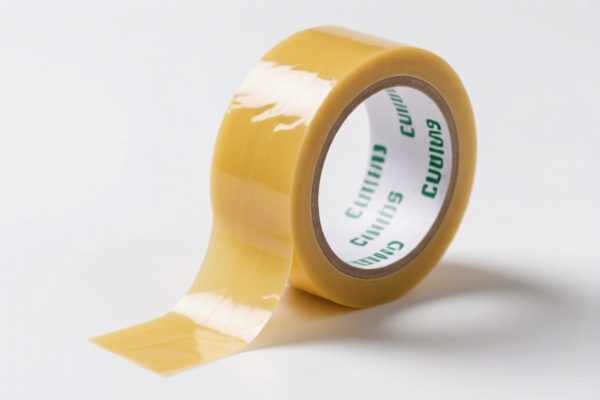
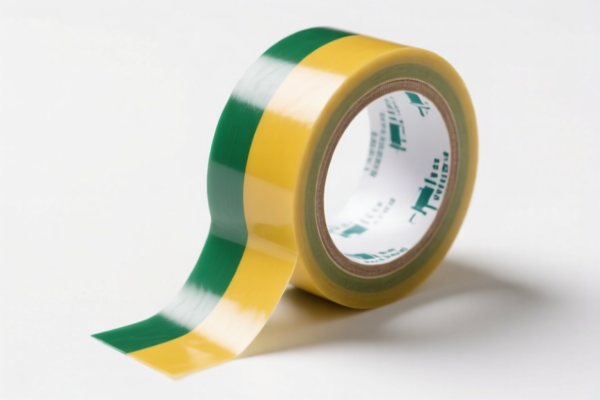
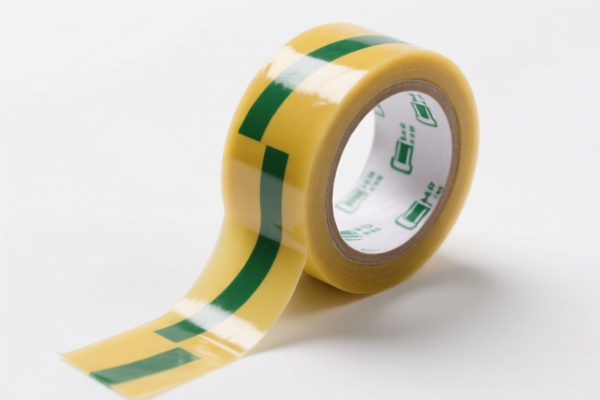
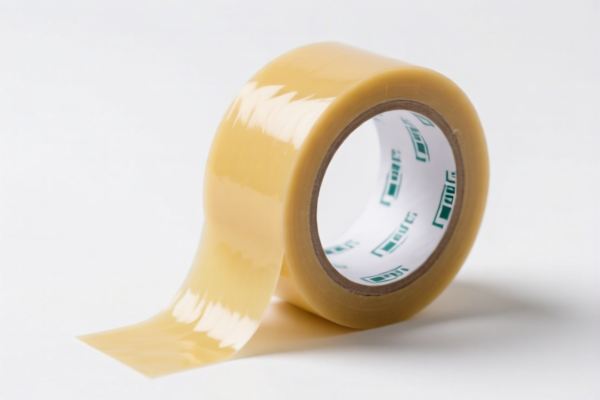
AI分析
🛡️ Electrical Maintenance Tape (Vinyl/Plastic Insulating Tape)
🌐 HS Code Reference & Customs Clearance Guide | 2026 Latest Tariff Analysis | Professional Clearance Strategy
📌 I. Product Definition & Classification: What is "Electrical Maintenance Tape"?
Electrical Maintenance Tape, commonly known as Vinyl Electrical Tape or Insulating Tape, is a crucial safety component in electrical wiring and maintenance. It is typically made from Polyvinyl Chloride (PVC) or other plastic polymers.
In international trade, the classification depends heavily on the specific usage description and physical form provided in the customs declaration. The data provided highlights three primary classification paths, ranging from specific electrical components to general plastic articles.
⚠️ Key Classification Distinction: - Specific Electrical Use: If declared specifically as "Vinyl electrical tape for insulation," it falls under heading 3919. - General Plastic Article: If described broadly as "Plastic insulating tape" without specific electrical function details, it may fall under heading 3926 (Other plastic articles). - Sealing/Pad Function: If marketed or used as a sealing gasket or pad, it might be classified under 3926.45 (Gaskets, washers, etc.).
📦 II. HS Code Classification Details (2026 Latest Tariff Reference)
Based on the provided dataset, here are the specific HS Codes, their descriptions, and corresponding tax structures.
| HS Code | Product Description | Usage Scenario | Total Tax Rate* |
|---|---|---|---|
| 3919.10.20.20 | Vinyl Electrical Tape, plastic self-adhesive, for electrical insulation | Standard electrical wiring, household wiring, professional electrical maintenance | 40.8% |
| 3919.90.50.30 | Insulating Tape, plastic self-adhesive, for electrical insulation | General purpose electrical insulation, industrial use | 40.8% |
| 3926.90.99.89 | Insulating Tape, Plastic/Polymer articles, Other plastic articles not elsewhere specified | General plastic insulation products, non-specific electrical descriptions | 22.8% |
| 3926.90.45.90 | Insulating Tape, Plastic/Polymer, Classified as Gaskets/Washers/Seals | Used as sealing elements, gaskets, or specific pad components | 38.5% |
🔍 Critical Analysis: - 3919.10.20.20 & 3919.90.50.30: These are the most common classifications for dedicated electrical tapes. They carry the highest tariff burden (40.8%) due to specific trade measures. - 3926.90.99.89: This is the "residual" category for plastic articles. It has the lowest total tax (22.8%). However, this classification is risky if the product is clearly identifiable as electrical tape. Misclassification here can lead to penalties. - 3926.90.45.90: This applies only if the tape is functionally a "gasket" or "washer." If it is a roll of tape for wrapping wires, this classification is likely incorrect.
📌 Note on Data Consistency: The dataset lists
3919.10.20.20twice with identical details. This confirms it is a primary code for "Vinyl Electrical Tape."
💰 III. 2026 Latest Tariff Rate Breakdown (Detailed Policy Analysis)
✅ Applicable Market: United States (US)
✅ Origin: China (CN)
✅ Effective Date: 2025/2026 (Current Trade War Tariffs Apply)
The total tax rates provided include Base Duties + Section 301 Add-on Tariffs + Section 122 Tariffs.
🎯 1. High-Tax Classification: 3919.10.20.20 & 3919.90.50.30
(For "Vinyl Electrical Tape" or "Plastic Insulating Tape")
| Item | Content |
|---|---|
| Base Duty Rate | 5.8% |
| Section 301 Add-on | +25.0% |
| Section 122 Tariff | +10.0% |
| Total Effective Rate | 40.8% |
| Tax Calculation | CIF Value × 40.8% |
| De Minimis Eligibility | ❌ NO (High-value duty exemption does not apply) |
| Legal Basis | HTSUS 3919.10.20.20 + Section 301 List 4 + Section 122 |
📌 Explanation: - 5.8% Base: Standard Most Favored Nation (MFN) rate for plastic films/tapes. - 25% Section 301: The major Trump-era/Biden-era trade war tariff on Chinese plastics. - 10% Section 122: A specific additional tariff applied to certain Chinese imports (often related to national security or specific sectoral disputes). - Result: These tapes are heavily taxed. Importers must account for ~41% cost increase.
🎯 2. Low-Tax Classification: 3926.90.99.89
(For "Other Plastic Articles")
| Item | Content |
|---|---|
| Base Duty Rate | 5.3% |
| Section 301 Add-on | +7.5% |
| Section 122 Tariff | +10.0% |
| Total Effective Rate | 22.8% |
| Tax Calculation | CIF Value × 22.8% |
| De Minimis Eligibility | ❌ NO (Usually excluded or low value limit) |
| Legal Basis | HTSUS 3926.90.99.89 + Section 301 List 4C |
📌 Warning: - While the tax is significantly lower (22.8%), this code is for "Other plastic articles not specified elsewhere." - Customs Risk: If U.S. Customs and Border Protection (CBP) determines the product is clearly "Electrical Insulating Tape," they will reclassify it to 3919, demanding the 40.8% rate + back taxes + penalties. - Recommendation: Only use this code if the product is NOT specifically marketed or used for electrical insulation (e.g., general-purpose plastic masking tape).
🎯 3. Mid-Tax Classification: 3926.90.45.90
(For "Gaskets, Washers, Seals")
| Item | Content |
|---|---|
| Base Duty Rate | 3.5% |
| Section 301 Add-on | +25.0% |
| Section 122 Tariff | +10.0% |
| Total Effective Rate | 38.5% |
| Tax Calculation | CIF Value × 38.5% |
| De Minimis Eligibility | ❌ NO |
📌 Explanation: - This code has a lower base rate (3.5%) but suffers from the heavy 25% Section 301 tariff. - Applicability: Only if the tape is explicitly sold/used as a sealing gasket or washer, not as a wire wrapping tape.
🛠️ IV. Customs Clearance Practical Advice (Real-World Pitfalls)
✅ 1. Documentation Checklist (Must-Have)
| Document | Required? | Purpose |
|---|---|---|
| ✅ Product Specification Sheet | Yes | Must clearly state: "Vinyl PVC," "Self-adhesive," "Electrical Insulation Grade." |
| ✅ Commercial Invoice | Yes | Must NOT say "Electrical Tape" if trying to use 3926.90.99.89 (High Risk). If using 3919, it MUST match. |
| ✅ Packing List | Yes | Show net/gross weight. |
| ✅ Certificate of Origin | Yes | To confirm CN origin and apply correct Section 301 rates. |
| ✅ UL/ETL Certification | Recommended | Proves electrical safety standards, supporting the "Electrical" classification (3919). |
✅ 2. Classification Strategy & Naming
🔥 "Accurate Description Prevents Seizure!"
| Scenario | Recommended HS Code | Declaration Name | Risk Level |
|---|---|---|---|
| Standard Electrical Tape | 3919.10.20.20 |
"Vinyl Electrical Insulation Tape, 18m Roll, PVC Material" | ✅ Low (Correct but high tax) |
| General Plastic Tape | 3926.90.99.89 |
"Plastic Self-Adhesive Tape, for Household Use, Non-Conductive" | ⚠️ High (If used electrically, CBP will audit) |
| Tape as Gasket | 3926.90.45.90 |
"Plastic Insulating Gasket/Washer, Custom Shape" | ⚠️ Medium (Must not be rolls) |
📌 Crucial Tip: - Do NOT misdeclare "Electrical Tape" as "Plastic Masking Tape" to save on duties. CBP has specific databases for electrical products. - Do NOT split shipments to avoid thresholds. The Section 301 and 122 tariffs apply regardless of value.
✅ 3. Special Considerations
| Issue | Advice |
|---|---|
| Section 122 Tariff | This is a recent addition. Ensure your broker includes this in their calculation. It is 10% on top of the 301/25%. |
| Product Form | Rolls are standard. If the tape is die-cut into specific shapes (e.g., O-rings), consider 3926.90.45.90 but ensure the primary use is sealing, not insulation. |
| Material | Must be PVC/Vinyl. If it is cloth or rubber, it may fall under different headings (e.g., 40 or 59). The data provided is specific to Plastic/Vinyl. |
🌍 V. Global Market Comparison (2026)
| Region | Recommended HS Code | Estimated Tax (China Origin) | Key Certification |
|---|---|---|---|
| 🇺🇸 USA | 3919.10.20.20 |
40.8% (High) | UL, ETL, FCC (if electronic) |
| 🇪🇺 EU | 3919.10 |
~0-6% + VAT | CE, RoHS |
| 🇨🇳 China | 3919.10 |
~5.3% + VAT | CCC (if applicable) |
| 🇬🇧 UK | 3919.10 |
~0-6% + VAT | UKCA |
📌 Conclusion: The USA is the most difficult market due to the 40.8% combined tariff. Importers should consider: 1. Negotiating FOB prices with suppliers to share the tax burden. 2. Verifying classification carefully. If the tape is NOT primarily for electrical use, explore
3926.90.99.89(22.8%) but be prepared for audits. 3. Supply Chain Diversification: Sourcing from non-China countries (e.g., Vietnam, Mexico) may avoid Section 301/122 tariffs.
📌 VI. Common Errors & Pitfalls (Lessons Learned)
❌ Error 1: Declaring "Electrical Tape" under 3926.90.99.89 to save 18% tax.
👉 Consequence: CBP issues a Post-Summary Correction or Seizure. Back taxes + penalties (~50% of value).
❌ Error 2: Ignoring Section 122 Tariffs. 👉 Consequence: Underpayment by 10%. CBP audits will recover this plus interest.
❌ Error 3: Using generic names like "Plastic Tape." 👉 Consequence: Customs delays while they request product samples and usage evidence.
✅ Correct Approach:
"Vinyl Electrical Insulation Tape, PVC, 18m x 19mm, Black, UL 510 Listed, Made in China."
🎯 VII. Conclusion: Professional Clearance for Competitive Pricing
🎯 Key Takeaway:
🔹 "Electrical Tape is Heavy-Taxed (40.8%)." 🔹 "Misclassification is Risky." 🔹 "Verify Usage: Electrical? Then 3919. General Plastic? Then 3926 (with caution)."
📌 Pro Tip:
- If your volume is high, consider applying for an HTSUS Exclusion (if available) or Advance Ruling from CBP to lock in your classification.
- Always confirm with your customs broker if the product qualifies for the lower
3926.90.99.89rate based on specific non-electrical use cases.
📣 Immediate Action:
📞 Contact your freight forwarder with the exact product specifications. 🚀 Calculate landed cost using the 40.8% rate for
3919to ensure profitability. 💼 Precision in declaration = Profit in pocket.
✨ Professional Clearance Starts with Accurate Classification!
💼 Every percentage point counts in cross-border trade!
用户评价
关于 HS 编码归类
协调制度(HS)是由世界海关组织(WCO)制定的国际贸易商品分类标准。全球 200 多个国家采用 HS 系统作为海关关税、贸易统计和进出口监管的基础。
每个 HS 编码遵循以下层级结构:
- 章(2 位)——商品大类(例如:第 84 章:机器和机械设备)
- 品目(4 位)——章内的更具体分类
- 子目(6 位)——国际通用细分,所有 WCO 成员国统一使用
- 本国细分(8-10 位)——各国自行扩展的细分编码,如美国 HTSUS 10 位编码
正确的 HS 编码归类对于顺利通关、准确缴纳关税和遵守贸易法规至关重要。错误归类可能导致海关延误、多缴关税或罚款。
从CN进口到US时,适用的关税税率可能包括:
- 最惠国(MFN)税率——适用于 WTO 成员国的标准关税税率
- 普通税率——适用于无贸易协定国家
- 贸易救济关税——附加关税,如 301 条款(反倾销)、232 条款(国家安全)或反补贴税
本页内容仅供参考。如需正式归类,请咨询当地海关或持牌报关代理。