Electrode Special Carbon Paste
CN → US| HS编码 | 关税税率 | 原产国 | 目的国 | 文档 |
|---|---|---|---|---|
| 3801300000 | 39.9% | CN | US | 官方文档 |
| 6815190000 | 35.0% | CN | US | 官方文档 |
| 3824999397 | 40.0% | CN | US | 官方文档 |
| 3824997000 | 35.0% | CN | US | 官方文档 |
商品图片
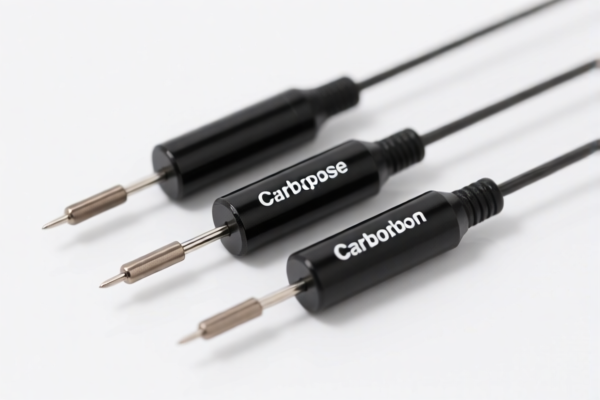
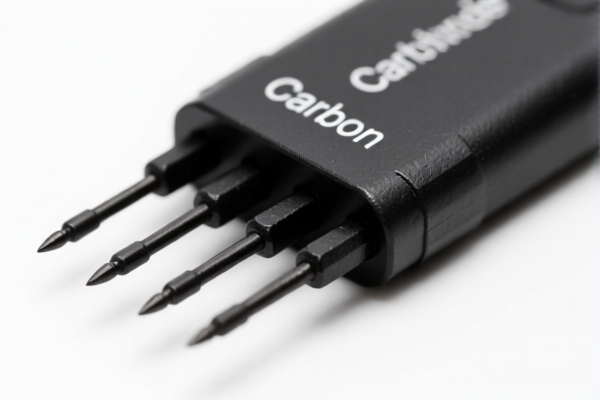
AI分析
⚡ Electrode Special Carbon Paste (电极专用碳膏)
🌐 HS Code Reference & Customs Clearance Guide | 2024 Latest Tariff Analysis | Professional-Level Customs Strategy
📌 Part I: Product Definition & Classification: Do You Really Understand "Electrode Carbon Paste"?
Electrode Special Carbon Paste is a critical consumable material used in industrial electrolysis, battery manufacturing, and specialized electrochemical equipment. It serves as the conductive medium between the electrode core and the reaction environment. In international trade, its classification depends heavily on its physical state (paste/糊状), material composition (carbonaceous/碳质), and specific application (electrode-specific/电极专用).
⚠️ Key Classification Dilemma:
- Is it a carbon product (Chapter 38)?
- Is it a coating layer (Chapter 68)?
- Is it a chemical preparation (Chapter 38)?
The final HS Code determination hinges on whether customs authorities view it as a finished electrode material or a chemical coating agent.
📦 Part II: HS Code Classification Details (2024 Latest Tariff Authority Comparison)
Based on the provided data, here are the four potential HS Code classifications for "Electrode Special Carbon Paste."
| HS Code | Product Description & Logic | Total Tax Rate | Tax Breakdown |
|---|---|---|---|
3801.30.00.00 |
Electrode-Specific Carbon Paste Made of carbonaceous material, in a paste state. Fits the definition of "carbonaceous paste for electrodes." |
39.9% | Base: 4.9% Section 301: 25.0% Section 122: 10.0% |
6815.19.00.00 |
Carbon Paste Electrode Coating Made of carbon, in a coating form. Falls under the "catch-all" category for other carbon articles. |
35.0% | Base: 0.0% Section 301: 25.0% Section 122: 10.0% |
3824.99.93.97 |
Carbon Paste Electrode Coating (Chemical Nature) Made of carbon paste, treated as a chemical preparation. Belongs to "Other Chemical Products." |
40.0% | Base: 5.0% Section 301: 25.0% Section 122: 10.0% |
3824.99.70.00 |
Carbon Paste Electrode Coating (Chemical Agent) Considered a chemical agent for electrode coating. Fits the definition of chemical products and preparations. |
35.0% | Base: 0.0% Section 301: 25.0% Section 122: 10.0% |
🔍 Key Insight:
-3801.30.00.00is the most specific description for "Electrode Paste," but carries the highest base tariff (4.9%).
-6815.19.00.00and3824.99.70.00offer lower base tariffs (0.0%) but are considered "catch-all" or chemical preparation categories, which may attract stricter scrutiny regarding their "electrode-specific" nature.
-3824.99.93.97has the highest total tax (40.0%) due to a 5% base tariff.
💰 Part III: 2024 Latest Tariff Rate Breakdown (Including Additional Taxes)
✅ Applicable Country: United States (US)
✅ Origin: China (CN)
✅ Effective Time: Current (Subject to Section 301 and Section 122 regulations)
🎯 1. 3801.30.00.00 —— Electrode-Specific Carbon Paste (Most Direct Match)
| Item | Content |
|---|---|
| Base Tariff | 4.9% (ad valorem) |
| USITC Additional Tariff (Section 301) | +25% (Applied to Chinese origin carbon products) |
| IEEPA Additional Tariff (Section 122) | +10% (Applied to Chinese origin imports) |
| Total Tariff Rate | 39.9% |
| Tax Calculation | CIF Value × 39.9% |
| De Minimis Exemption? | ❌ No (Not eligible for Section 321 de minimis) |
| Legal Basis Path | USITC:3801.30.00.00 → SECTION_301 → IEEPA:9903.01.24 |
📌 Explanation:
- This code is specific to carbonaceous pastes for electrodes.
- The 4.9% base rate is higher than other carbon-related codes, but it is the most accurate description for "paste" rather than "coating."
- Total cost impact: High. Must be factored into pricing strategies.
🎯 2. 6815.19.00.00 —— Carbon Paste Electrode Coating (Catch-All Carbon Article)
| Item | Content |
|---|---|
| Base Tariff | 0.0% |
| USITC Additional Tariff (Section 301) | +25% |
| IEEPA Additional Tariff (Section 122) | +10% |
| Total Tariff Rate | 35.0% |
| Tax Calculation | CIF Value × 35.0% |
| De Minimis Exemption? | ❌ No |
| Legal Basis Path | USITC:6815.19.00.00 → SECTION_301 → IEEPA:9903.01.24 |
📌 Note:
- This code treats the paste as a carbon article coating.
- Savings: 4.9% lower total tax compared to3801.30.00.00.
- Risk: Customs may argue it is not a "finished carbon article" but a chemical mixture, potentially leading to disputes.
🎯 3. 3824.99.93.97 —— Carbon Paste Electrode Coating (Chemical Preparation)
| Item | Content |
|---|---|
| Base Tariff | 5.0% |
| USITC Additional Tariff (Section 301) | +25% |
| IEEPA Additional Tariff (Section 122) | +10% |
| Total Tariff Rate | 40.0% |
| Tax Calculation | CIF Value × 40.0% |
| De Minimis Exemption? | ❌ No |
| Legal Basis Path | USITC:3824.99.93.97 → SECTION_301 → IEEPA:9903.01.24 |
📌 Warning:
- This is the most expensive option.
- Only use if the product is definitively classified as a chemical preparation and not a carbon article.
- Likely to be challenged if technical data shows high carbon content and specific electrode use.
🎯 4. 3824.99.70.00 —— Carbon Paste Electrode Coating (Chemical Agent)
| Item | Content |
|---|---|
| Base Tariff | 0.0% |
| USITC Additional Tariff (Section 301) | +25% |
| IEEPA Additional Tariff (Section 122) | +10% |
| Total Tariff Rate | 35.0% |
| Tax Calculation | CIF Value × 35.0% |
| De Minimis Exemption? | ❌ No |
| Legal Basis Path | USITC:3824.99.70.00 → SECTION_301 → IEEPA:9903.01.24 |
📌 Note:
- Similar to6815.19.00.00, this code has a 0% base tariff.
- It classifies the paste as a chemical agent for electrode coating.
- Savings: 4.9% lower total tax compared to3801.30.00.00.
🛠️ Part IV: Customs Clearance Practical Advice (Pitfall Avoidance Guide)
✅ 1. Required Documentation Checklist (All are Mandatory)
| Document | Mandatory? | Description |
|---|---|---|
| ✅ Technical Data Sheet (TDS) | ✔️ | Must specify: Carbon content %, binder type, viscosity, and specific electrode application. |
| ✅ Material Safety Data Sheet (MSDS) | ✔️ | Required for chemical handling and customs valuation. |
| ✅ Product Photos | ✔️ | Clear images of the paste consistency, packaging, and label. |
| ✅ Commercial Invoice | ✔️ | Clearly state: "Electrode Special Carbon Paste" – avoid vague terms like "Carbon Mix." |
| ✅ Packing List | ✔️ | Detail net/gross weight and volume. |
| ✅ Certificate of Origin (CO) | ✔️ | Essential for applying Section 301 tariffs and verifying origin. |
| ✅ Pre-Ruling Request | ✔️ | Highly Recommended |
✅ 2. Declaration Strategy (Key Principles)
🔥 "Be Specific, Be Consistent, Avoid Ambiguity!"
| Scenario | Correct Declaration | Wrong Declaration | Consequence |
|---|---|---|---|
| Paste for Electrodes | 3801.30.00.00 |
"Carbon Powder" or "Chemical" | Misclassification → Delays + Penalties |
| Coating Material | 6815.19.00.00 or 3824.99.70.00 |
"Electrode Paste" | If called "Paste" but coded as Chemical, CBP may audit |
| Generic Carbon | 6815.19.00.00 |
"Specialized Electrode Material" | If not truly a carbon article, risk of fraud claim |
✅ 3. Special Handling Tips
| Situation | Advice |
|---|---|
| High Carbon Content (>85%) | Strongly consider 6815.19.00.00 (0% base) if CBP accepts it as a carbon article. |
| High Binder/Chemical Content | 3824.99.70.00 (0% base) may be more appropriate if it's primarily a chemical mixture. |
| Strict "Electrode-Specific" Use | 3801.30.00.00 is the safest legal fit, despite higher base tax. |
| Dispute Resolution | If CBP challenges the code, provide lab reports and manufacturer declarations proving end-use. |
🌍 Part V: Global Market Clearance Comparison (2024 Latest)
| Country/Region | Recommended HS Code | Tariff (China Origin) | Certification | Notes |
|---|---|---|---|---|
| 🇺🇸 USA | 3801.30.00.00 / 6815.19.00.00 |
35% - 39.9% | None | Section 301 + 122 apply. High cost. |
| 🇨🇳 China | 3801.30.00.00 |
4.9% | None | No additional tariffs. Lower cost. |
| 🇪🇺 EU | 3824.99.97 |
6.5% | REACH | No Section 301. Moderate cost. |
| 🇯🇵 Japan | 3824.99.90 |
6.0% | JIS | No Section 301. Moderate cost. |
| 🇯🇲 Jamaica | 3801.30.00 |
0% (DR-CAFTA) | None | Best Option for US-bound goods via third country (if rules of origin met). |
📌 Conclusion:
- USA has the highest tariff burden due to Section 301 and Section 122.
- EU and Japan have moderate tariffs but no political surcharges.
- Third-country routing (e.g., Mexico, Vietnam, Jamaica) may offer savings if Rules of Origin are strictly met.
📌 Part VI: Common Mistakes & Pitfall Guide (Blood-Learning Lessons)
❌ Mistake 1: Declaring as "Carbon Powder" to avoid higher taxes
👉 Consequence: CBP will detect paste state → Penalties + Back Taxes!
❌ Mistake 2: Using "Chemical" for all carbon pastes
👉 Consequence: May qualify for 0% base, but high risk of re-classification audit if electrode-specific use is proven.
❌ Mistake 3: Ignoring Section 122 Tariffs
👉 Consequence: Unexpected 10% additional cost on all Chinese-origin goods.
❌ Mistake 4: Not providing Technical Data Sheets
👉 Consequence: CBP cannot determine proper classification → Hold for Examination → Delayed shipment.
✅ Correct Approach:
"Electrode-Specific Carbon Paste, Carbon Content: 80%, Binder: Pitch, Viscosity: 5000 cP, Application: Lithium Battery Electrodes"
🎯 Part VII: Conclusion: Professional Declaration, Cost Optimization!
🎯 Remember:
🔹 "HS Code Determines Tax Rate. A 4.9% Difference Matters!"
🔹 "Section 301 + 122 = 35%+ Tariff. Plan Ahead!"
📌 Pro Tip:
If your product is originating from Vietnam, Mexico, or Thailand (and meets Rules of Origin), you may avoid Section 301 and 122 tariffs, reducing the total tax to 0% - 5%.
Recommend applying for an Advance Ruling with CBP before shipping.
📣 Immediate Action:
📞 Contact Professional Customs Broker + Provide Product Specs + Request HS Code Advance Ruling
🚀 Ensure Smooth Clearance, Efficient Export, and Maximized Profit!
✨ Professional Clearance Starts with Accurate Classification!
💼 Every Penny of Cost Deserves Precise Calculation!
用户评价
关于 HS 编码归类
协调制度(HS)是由世界海关组织(WCO)制定的国际贸易商品分类标准。全球 200 多个国家采用 HS 系统作为海关关税、贸易统计和进出口监管的基础。
每个 HS 编码遵循以下层级结构:
- 章(2 位)——商品大类(例如:第 84 章:机器和机械设备)
- 品目(4 位)——章内的更具体分类
- 子目(6 位)——国际通用细分,所有 WCO 成员国统一使用
- 本国细分(8-10 位)——各国自行扩展的细分编码,如美国 HTSUS 10 位编码
正确的 HS 编码归类对于顺利通关、准确缴纳关税和遵守贸易法规至关重要。错误归类可能导致海关延误、多缴关税或罚款。
从CN进口到US时,适用的关税税率可能包括:
- 最惠国(MFN)税率——适用于 WTO 成员国的标准关税税率
- 普通税率——适用于无贸易协定国家
- 贸易救济关税——附加关税,如 301 条款(反倾销)、232 条款(国家安全)或反补贴税
本页内容仅供参考。如需正式归类,请咨询当地海关或持牌报关代理。