Electronic Lock
CN → US| HS编码 | 关税税率 | 原产国 | 目的国 | 文档 |
|---|---|---|---|---|
| 8301406030 | 23.2% | CN | US | 官方文档 |
| 8301106080 | 23.6% | CN | US | 官方文档 |
| 7326190080 | 87.9% | CN | US | 官方文档 |
| 7326908688 | 87.9% | CN | US | 官方文档 |
| 8301106080 | 23.6% | CN | US | 官方文档 |
商品图片
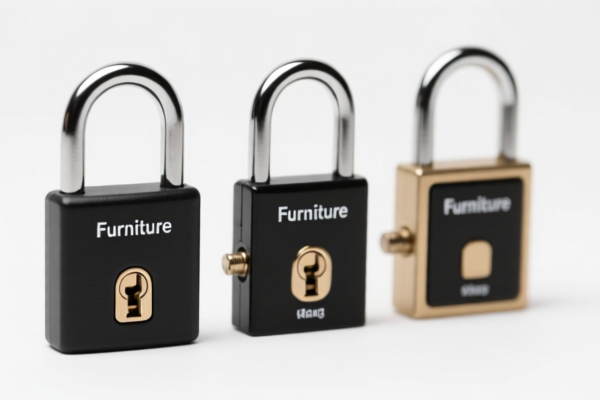
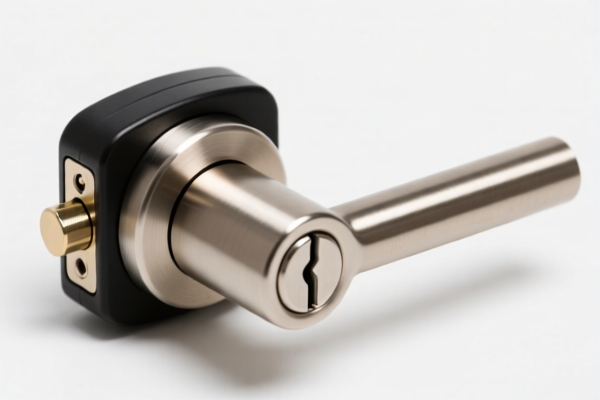
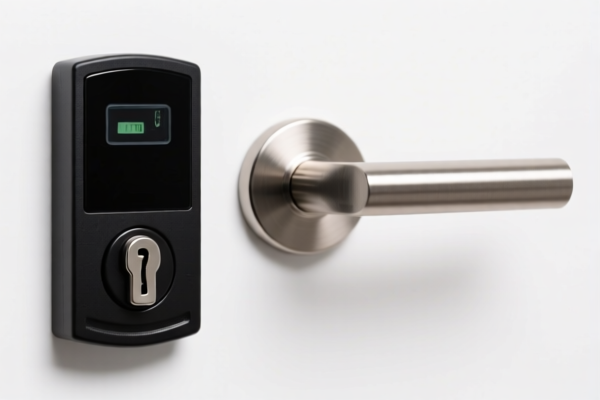
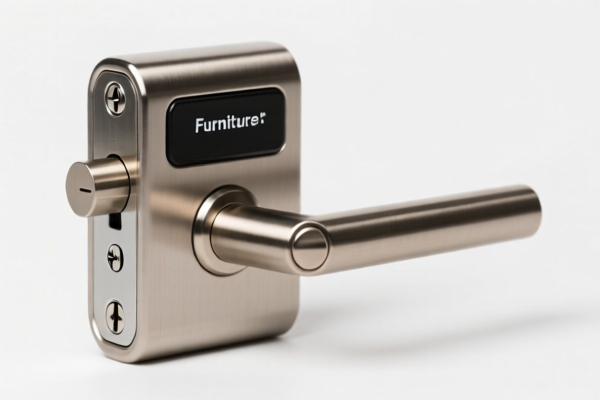
AI分析
🔐 Electronic Locks & Security Latches: The Ultimate HS Code Classification Guide for US Imports
🌐 HS Code Reference & Customs Clearance Guide | 2026 Latest Tariff Analysis | Professional Clearance Strategy
📌 I. Product Definition & Classification: Are You Really Clear on "Electronic Locks"?
Electronic locks are security devices that use electrical energy to operate the locking mechanism. In international trade, their classification depends heavily on function (is it a standalone padlock? part of a door system?) and material composition.
Key Distinction:
- Standalone Electronic Padlocks/Latches: Classified under Chapter 83 (Miscellaneous Manufactures of Base Metal).
- Steel/Manufactured Parts (Non-specific Lock Function): If the item is essentially a steel assembly without specific "lock" function recognition or falls under general steel articles, it may fall under Chapter 73 (Articles of Iron or Steel).
⚠️ Critical Differentiator:
- If the product is specifically designed as a lock, latch, or locking device (even if electrically operated) → Chapter 83.
- If the product is a general steel/iron assembly used for security but not primarily defined as a "lock" in legal terms, or if the electronic component is incidental → Chapter 73.
📦 II. HS Code Classification Details (2026 Latest Tariff Authority Comparison)
| HS Code | Product Description | Application Scenario | Material | Classification Basis |
|---|---|---|---|---|
8301.40.60.30 |
Electronic Locks | General purpose electronic locking systems | Base Metal (Non-precious) | Specific to "Locks, latches... operated by electricity" |
8301.10.60.80 |
Padlocks / Security Locks | Standalone electronic padlocks or security latches | Base Metal (Non-precious) | Specific to "Padlocks... operated by electricity" |
7326.19.00.80 |
Steel Safety Latch/Assembly | General steel security assemblies, industrial latches | Iron or Steel | "Other articles of iron or steel" - Fallback for steel parts |
7326.90.86.88 |
Steel/Iron Manufactured Articles | General steel/iron security components, frames, brackets | Iron or Steel | "Other articles of iron or steel" - General category |
🔍 Key Reminder:
- Chapter 83 (8301.xxxx) offers significantly lower tariffs for specific electronic locking devices.
- Chapter 73 (7326.xxxx) triggers high punitive tariffs due to Section 232/301 steel/aluminum duties.
- Misclassification Risk: Declaring an electronic lock as a "steel part" (7326) instead of a "lock" (8301) increases tax burden by ~65%.
💰 III. 2026 Latest Tariff Rate Details (Including Additional Taxes & Policy Surcharges)
✅ Applicable Country: United States (US)
✅ Origin: China (CN)
✅ Effective Date: Current rates apply (Section 301 & Section 232 duties active)
🎯 1. 8301.40.60.30 —— Electronic Lock (Base Metal)
| Item | Content |
|---|---|
| Base Tariff | 5.7% (ad valorem) |
| Section 301 Additional Duty | +7.5% (Specific to this subheading under Trade Act) |
| Section 122 / Other Surcharge | +10% (Specific statutory surcharge for certain base metal articles) |
| Total Effective Rate | 23.2% |
| Tax Calculation | CIF Value × 23.2% |
| De Minimis Eligibility | ❌ Not Eligible (Standard commercial import) |
| Legal Basis Path | HTSUS: 8301.40.60 → USITC: Sec 301 List 4 → Statutory Surcharge: 10% |
📌 Explanation:
- This is the most favorable classification for electronic locks.
- The total tax is 23.2%, comprising base duty, Section 301, and a specific 10% surcharge.
- Crucial: Must prove the item is functionally a "lock" to stay in Chapter 83.
🎯 2. 8301.10.60.80 —— Padlock / Security Lock (Base Metal)
| Item | Content |
|---|---|
| Base Tariff | 6.1% (ad valorem) |
| Section 301 Additional Duty | +7.5% |
| Section 122 / Other Surcharge | +10% |
| Total Effective Rate | 23.6% |
| Tax Calculation | CIF Value × 23.6% |
| De Minimis Eligibility | ❌ Not Eligible |
| Legal Basis Path | HTSUS: 8301.10.60 → USITC: Sec 301 List 4 → Statutory Surcharge: 10% |
📌 Note:
- Slightly higher than8301.40.60.30due to a higher base rate (6.1% vs 5.7%).
- Applies to standalone electronic padlocks or latches.
🎯 3. 7326.19.00.80 —— Steel Safety Latch/Assembly (Steel Articles)
| Item | Content |
|---|---|
| Base Tariff | 2.9% (ad valorem) |
| Section 301 Additional Duty | +25.0% (Section 301 on Steel) |
| Section 122 / Other Surcharge | +10% |
| Section 232 Steel Surcharge | +50.0% (Specific to Steel Articles under Section 232) |
| Total Effective Rate | 87.9% |
| Tax Calculation | CIF Value × 87.9% |
| De Minimis Eligibility | ❌ Not Eligible |
| Legal Basis Path | HTSUS: 7326.19.00 → USITC: Sec 301 → IEEPA: Sec 232 |
📌 Critical Warning:
- 87.9% is extremely high. This applies if the lock is classified as a "general steel article" rather than a specific "lock."
- Includes a massive 50% Section 232 steel duty.
🎯 4. 7326.90.86.88 —— Steel/Iron Manufactured Articles (General)
| Item | Content |
|---|---|
| Base Tariff | 2.9% (ad valorem) |
| Section 301 Additional Duty | +25.0% |
| Section 122 / Other Surcharge | +10% |
| Section 232 Steel Surcharge | +50.0% (Specific to Steel Articles under Section 232) |
| Total Effective Rate | 87.9% |
| Tax Calculation | CIF Value × 87.9% |
| De Minimis Eligibility | ❌ Not Eligible |
| Legal Basis Path | HTSUS: 7326.90 → USITC: Sec 301 → IEEPA: Sec 232 |
📌 Note:
- Same punitive rate as7326.19.00.80.
- Used for general steel security components that do not meet the specific definition of a "lock" in Chapter 83.
🛠️ IV. Customs Clearance Practical Advice (Avoiding Pitfalls)
✅ 1. Documentation Checklist (Essential)
| Document | Required | Purpose |
|---|---|---|
| ✅ Product Specification Sheet | ✔️ | Must explicitly state "Electronic Lock" or "Padlock" and its function. |
| ✅ Circuit Diagram / Photos | ✔️ | To prove it is an integrated electronic locking device, not just a steel part. |
| ✅ Commercial Invoice | ✔️ | Description must match HS Code (e.g., "Electronic Padlock, Model XYZ"). Avoid vague terms like "Metal Fixture." |
| ✅ Material Composition Statement | ✔️ | Confirm if base material is base metal (Chapter 83) or specifically steel (triggering Ch 73 penalties). |
| ✅ Binding Ruling (Recommended) | ✔️ | Apply for an Advance Ruling from CBP to lock in the 23.2% rate. |
✅ 2. Declaration Tips (Golden Rules)
🔥 “Function First, Material Second! Don’t Let Steel Dictate Your Tax!”
| Scenario | Correct Declaration | Wrong Approach |
|---|---|---|
| Electronic Padlock | 8301.10.60.80 (23.6%) |
Declare as "Steel Latch" → 87.9% |
| Electric Door Lock | 8301.40.60.30 (23.2%) |
Declare as "Steel Assembly" → 87.9% |
| Steel Bracket with Lock | 8301.40.60.30 (for the lock part) |
Merge into steel part → Risk of audit |
| Generic Steel Security Bar | 7326.90.86.88 (87.9%) |
Try to misclassify as lock → Fraud/Seizure |
📌 Key Strategy:
- Use terms like "Electronic Lock," "Padlock," "Latch Lock" in the commercial invoice.
- Avoid terms like "Steel Part," "Metal Bracket," "Hardware Component" for locking devices.
✅ 3. Special Situations
| Situation | Handling Advice |
|---|---|
| OEM Electronic Locks | Provide end-user application (e.g., "for door installation") to support Ch 83 classification. |
| Composite Products | If the lock is part of a larger system, declare the lock separately if possible to use lower Ch 83 rate. |
| Steel Content High | Even if 90% steel, if the principal function is locking, Ch 83 applies. Do not let material override function. |
| Audit Risk | If CBP questions Ch 83, provide functional tests or manufacturer statements proving electronic locking mechanism. |
🌍 V. Global Market Comparison (2026 Latest)
| Country/Region | Recommended HS Code | Effective Tax Rate (China Origin) | Key Certification | Note |
|---|---|---|---|---|
| 🇺🇸 USA | 8301.40.60.30 |
23.2% | FCC (if wireless) | Avoid Ch 73 (87.9%) |
| 🇪🇺 EU | 8301.40 |
~2-5% | CE, EN 12209 | No major Section 301/232 |
| 🇨🇳 China | 8301.40 |
5.7% | CCC (if applicable) | Low duty, no punitive taxes |
| 🇬🇧 UK | 8301.40 |
~0-5% | UKCA | Post-Brexit trade agreements apply |
📌 Conclusion:
- USA is the most tax-sensitive market due to Section 301 (Steel/Aluminum) and Section 232 duties.
- Misclassification into Chapter 73 costs ~65% more in taxes.
- Accurate functional description is the key to saving money.
📌 VI. Common Mistakes & Pitfalls (Lessons Learned)
❌ Mistake 1: Declaring an "Electronic Lock" as a "Steel Hardware Part"
👉 Consequence: 87.9% tax instead of 23.2%. Loss of ~65% margin!
❌ Mistake 2: Not proving the "Electronic" function
👉 Consequence: CBP may reclassify as a "non-electronic lock" or "steel article," triggering audits and penalties.
❌ Mistake 3: Using vague invoice descriptions like "Metal Lock"
👉 Consequence: High risk of CBP reclassification. Must specify "Electronic" and "Base Metal."
✅ Correct Practice:
"Electronic Padlock, Model ABC, 12V DC, Base Metal Construction, FCC Certified, Function: Secure Locking via Electronic Signal"
🎯 VII. Conclusion: Professional Classification Saves Money!
🎯 Remember the Mantra:
🔹 "Function is King, Material is Queen! Chapter 83 is Cheap, Chapter 73 is Expensive!"
🔹 "HS Code Choice: 23% vs 88% – Choose Wisely or Pay the Price!"
📌 Pro Tip:
- If your supplier claims it’s "steel," but it’s a lock, insist on Chapter 83 classification.
- Apply for a Binding Tariff Ruling from CBP before large shipments to lock in the 23.2% rate.
- Ensure your FCC certification (if wireless/RF) is ready to avoid additional delays.
📣 Immediate Action:
📞 Consult a licensed customs broker + Provide product specs + Apply for Advance Ruling
🚀 Clear Customs Smoothly, Reduce Tax Burden, Maximize Profit!
✨ Professional Clearance Starts with Accurate Classification!
💼 Every Penny Saved in Tax is Pure Profit!
用户评价
关于 HS 编码归类
协调制度(HS)是由世界海关组织(WCO)制定的国际贸易商品分类标准。全球 200 多个国家采用 HS 系统作为海关关税、贸易统计和进出口监管的基础。
每个 HS 编码遵循以下层级结构:
- 章(2 位)——商品大类(例如:第 84 章:机器和机械设备)
- 品目(4 位)——章内的更具体分类
- 子目(6 位)——国际通用细分,所有 WCO 成员国统一使用
- 本国细分(8-10 位)——各国自行扩展的细分编码,如美国 HTSUS 10 位编码
正确的 HS 编码归类对于顺利通关、准确缴纳关税和遵守贸易法规至关重要。错误归类可能导致海关延误、多缴关税或罚款。
从CN进口到US时,适用的关税税率可能包括:
- 最惠国(MFN)税率——适用于 WTO 成员国的标准关税税率
- 普通税率——适用于无贸易协定国家
- 贸易救济关税——附加关税,如 301 条款(反倾销)、232 条款(国家安全)或反补贴税
本页内容仅供参考。如需正式归类,请咨询当地海关或持牌报关代理。